
Zoo Med Infrared Ceramic Heat Emitter (150 Watt)

 Petshopusa.com
  Walmart.com
  Zoro.com
$25.27
Zoo Med Infrared Ceramic Heat Emitter (150 Watt) Price comparison



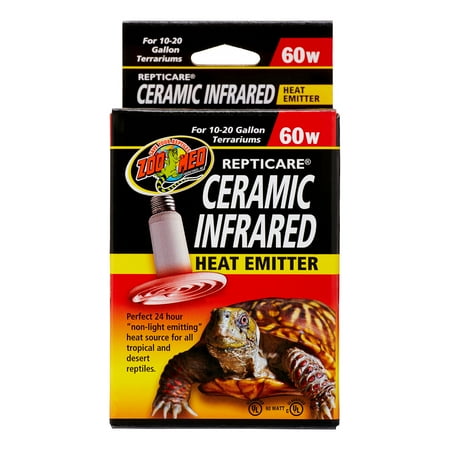



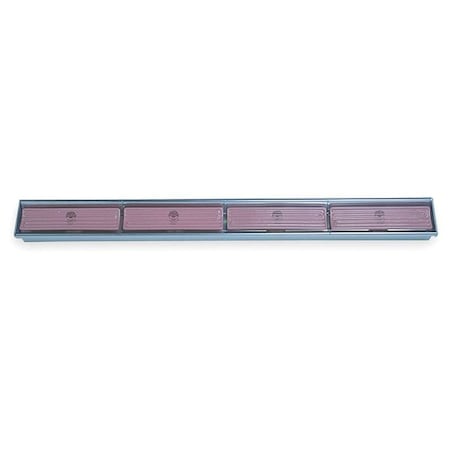
- All prices mentioned above are in United States dollar.
- This product is available at Walmart.com, UnbeatableSale.com, Amazon.com, Zoro.
- At walmart.com you can purchase Zoo Med Laboratories 25 Watt Nano Infrared Heat Lamp for only $8.78 , which is 99% less than the cost in Zoro ($754.99).
- The lowest price of Ceramic Emitter Infrared Heater was obtained on October 21, 2026 00:21.
Zoo Med Infrared Ceramic Heat Emitter (150 Watt) Price History
Zoo Med Infrared Ceramic Heat Emitter (150 Watt) Description
Zoo Med Infrared Ceramic Heat Emitter (150 Watt): Essential Heating Solution for Reptiles
The Zoo Med Infrared Ceramic Heat Emitter (150 Watt) is an exceptional heat source designed for reptile habitats. This powerful emitter provides a safe, consistent heat source without producing harmful light, making it ideal for nocturnal animals. If you’re looking to optimize your pet’s environment while ensuring their comfort and health, continue reading to see how this product stands against competitors in terms of price and performance.
Key Features of the Zoo Med Infrared Ceramic Heat Emitter
- Efficient Heat Distribution: This 150 watt emitter radiates heat uniformly, mimicking the natural warmth reptiles seek in their environments.
- No Light Emission: Enjoy a purely thermal source that keeps your habitat dark at night, which is crucial for nocturnal reptiles.
- Durable Design: Made with quality materials, this heat emitter is designed for longevity, ensuring it stands the test of time.
- Compact Size: With dimensions of 4.7 x 4 x 3.9 inches, it’s easy to install in any familiar enclosure setup.
- Lightweight: Weighing just 9.88 ounces, it’s convenient to mount without stressing the habitat structure.
How Does It Compare in Price?
When comparing the Zoo Med Infrared Ceramic Heat Emitter price, you will find that it is competitively priced across major suppliers. The price typically ranges from $24.99 to $34.99, depending on the retailer. This represents excellent value for the features and benefits provided, especially in comparison to similar products within the market.
6-Month Price History Trends
The 6-month price history chart indicates a stable price point, with slight fluctuations. The lowest recorded price was around $23.49, while it peaked at $35.99 during holiday sales. This consistency in pricing reflects the product’s popularity and reliability. It’s advisable to keep an eye out for potential sales periods where you may secure a better deal.
Customer Reviews: What Users Are Saying
Customer feedback for the Zoo Med Infrared Ceramic Heat Emitter reflects its effectiveness in keeping reptiles warm. Many users have praised it for the following reasons:
- Great Heat Output: Owners report that it heats up quickly and maintains a steady temperature.
- Long-lasting Performance: Users have mentioned its durability over time, with some products still functioning effectively after multiple months of continuous use.
However, some customers have pointed out minor drawbacks. A few users experienced overheating issues if not monitored closely. This highlights the importance of a good thermometer in your reptiles’ enclosure to ensure their safety.
Related Video Reviews and Unboxings
To better understand the functionality and effectiveness of the Zoo Med Infrared Ceramic Heat Emitter, check out various YouTube review and unboxing videos. These videos provide valuable insights from real customers and enthusiasts, showcasing the product in action. You’ll find relatable experiences, installation tips, and visuals that could help you make an informed decision.
Why Choose the Zoo Med Infrared Ceramic Heat Emitter?
Choosing the right heat emitter is crucial for maintaining your reptile’s health. The Zoo Med Infrared Ceramic Heat Emitter stands out due to its advanced technology and durable design, which promotes a comfortable living environment while being cost-effective. Whether for a new setup or replacing an older model, this heat emitter ensures your reptile receives consistent warmth without disruption from bright lights.
In summary, the Zoo Med Infrared Ceramic Heat Emitter (150 Watt) is an excellent investment for reptile owners dedicated to providing a safe and warm environment. With affordable pricing, consistent heat output, and favorable customer reviews, it stands as a top choice in the market.
Compare prices now!
Zoo Med Infrared Ceramic Heat Emitter (150 Watt) Specification
Specification: Zoo Med Infrared Ceramic Heat Emitter (150 Watt)
|
Zoo Med Infrared Ceramic Heat Emitter (150 Watt) Reviews (12)
12 reviews for Zoo Med Infrared Ceramic Heat Emitter (150 Watt)
Only logged in customers who have purchased this product may leave a review.





Jaclyn of All Trades –
The product does what is claims, which is provide heat without light. My iguana loves it because it keeps his big cage nice and cozy, especially his basking spot. It does get quite hot, so make sure you have a thermometer, timer, thermostat, or rheostat to maintain the temperature you’re aiming for and that your animal can’t touch the bulb. Make sure you have a dome/lamp with a ceramic socket for this bulb. Also, pay attention to how many watts you’ll need for the size of the enclosure you’re heating. I was able to find this cheaper on Amazon than the pet stores.
Edit: it’s been 3 years and this emitter is still working, making it a great value.
Gen –
I’ve tried regular ceramic bulbs and they just didn’t heat up enough, these are worth the higher price
M –
Works well and lasts long
猫まる –
温まるのに必要な温度以上になりました
真っ暗になるので中で何がどうなっているかの確認は難しいフトアゴも暗いのでぐっすり寝ている様子。赤いのやブルーのもありますがこれはこれでいいのかと思いました
J.C.C Del Valle –
Provides great heat for my Beardie, and Gecko. Good product overall. Yet to discover its longevity.
JV –
I use this heat emitter in conjunction with a thermostat and digital thermometer in my Animal Plastics 3′ x 2′ reptile cage for my Woma python. This product gets extremely hot and should be paired with a thermostat. I have a “cage” separating the emiiter from my snake because it will cause severe burns if exposed to the snake. Does not produce light. In the past, these have lasted for years in comparison to several months for heat bulbs. Heats my cage up to about 20 – 25 degrees above room temperature (depends on size of cage and season). Doesn’t seem to produce a wide basking spot, but spreads heat uniformally.
Andzejus –
Perfect!!!
Daniel Jumper –
Worked great out of the box. Puts out great heat. Once it warms up, you can feel some heat coming off of it, but not as much as I expected, but when I let it sit over an area for a few minutes, I was impressed with how warm things got absorbing the infrared.
I was looking for something that didn’t put out light, and I didn’t know if this would have a red glow or anything, but it puts out no light at all even when hot.
I got it as a warmer for my pet hedgehog and use it in conjunction with this “thermostat for heating pads” ( http://www.amazon.com/gp/product/B000NZZG3S/ ) and it does great at maintaining a consistent good temperature.
As far as heating power, when on constantly, I estimate it keeps an area of 1 foot in front of it it at 71-72 F in open air when the ambient temperature was 68 F. I think it could heat a lot more in an enclosed space.
My only reservation is that I have only had it for about a month so I can’t comment on it’s lifetime. But assuming it lasts a reasonable amount of time, 5 stars for sure.
Jayster –
During the winter, the air temperature in my house is usually somewhere between 68 and 70 degrees. My ball pythons, each of which has its own 40 gallon glass tank, need air temperature closer to 85 to 90 degrees. Although a 100 watt ceramic heat emitter (CHE) is recommended for a 40 gallon tank, the 100 watt emitters were not strong enough to make up for the 15 degree or so difference between the room temperature and what my ball pythons needed in their tanks. Thus, I increased the wattage to 150. The 150 watt CHE worked better than the 100 watt; however, I’ve observed that a 150 watt infrared incandescent bulb will actually increase the ambient temperature in the tank even more than the CHE. The only two negative things about the CHE are: (a) it tends to dry out the air in the tank very quickly (though this probably happens with any type of ceramic or incandescent heater; and (b) due to the weight of the CHE, it can occasionally come loose from the socket and, as a result, stop working. So, if your CHE seems to be dead, make sure it is fully screwed into the socket.
Harold Lane –
I am going to kind of go out of the circle on this product and show how I used it.
I have a well pump in the northern area of Pennsylvania. I needed a head sourse for the cabinet it sets in and I need to maintain a constant temp. of around 45 degrees.
I have worked this lamp heavy while it attached to a thermostat and it works outstanding. This is a strong lamp and holds up without much worry when not around. I was going to place it in a hood and it ratiats outstanding. I could see that when in a hood it will product strong heat in a large area. The main thing is this lamp holds up in a harsh enviroment so it should breeze in confinded area. I would keep it on a thermostat.
Dustin –
UPDATE: After almost 26 months, the bulb’s element died. It never had a hiccup and we were a bit abusive with it (we moved, so it experienced frequent power disconnects, and we also misted our python’s cage). Regardless we are pleased with it’s longevity and will buy another one, even if cheaper brands are available.
We bought this product after trying the 100 watt heat emitter. The 100 watt didn’t give out the heat our Ball Python needed even with an under the tank heating pad, so we had to purchase this and a larger ceramic clamp lamp with a dimmer switch built in to accommodate it. We’ve had it running for 3 hours on full power and the temperature in our 68 gallon custom cage has crept up to 79 degrees, comparable to our 100 watt Zoo Med infrared bulb that we were previously using. It’s a cold day today, so I expect this will be typical for the colder winter days, where temps are in the 20s and 30s. Keep in mind that this is within the recommend temperature range for a Ball Python, and our under the tank heater runs about 87 degrees on low. On warmer days and during the summer, we may have to turn the bulb down or even shut it off altogether. This bulb should be perfect for the needs of our Ball Python, since he gets heat without light. With Ball Pythons, all that is needed for light is natural light. Infrared bulbs put out heat and light much like the sun does, so this can disturb a Ball Python’s natural cycles. To simulate a night cycle, putting your heat source on a hardware store timer so it shuts off for 8-10 hours a night is perfect, since they are nocturnal and respond to changes in temperature and sunlight.
Lardog –
Excellent source of heat for my Hedgehog, especially at night. I highly recommend buying the temperature probe to regulate the temperature with the lamp. I also purchased the wire cage made especially for this bulb to avoid risk of fire.