Best Water Shoes for the Lake 2026
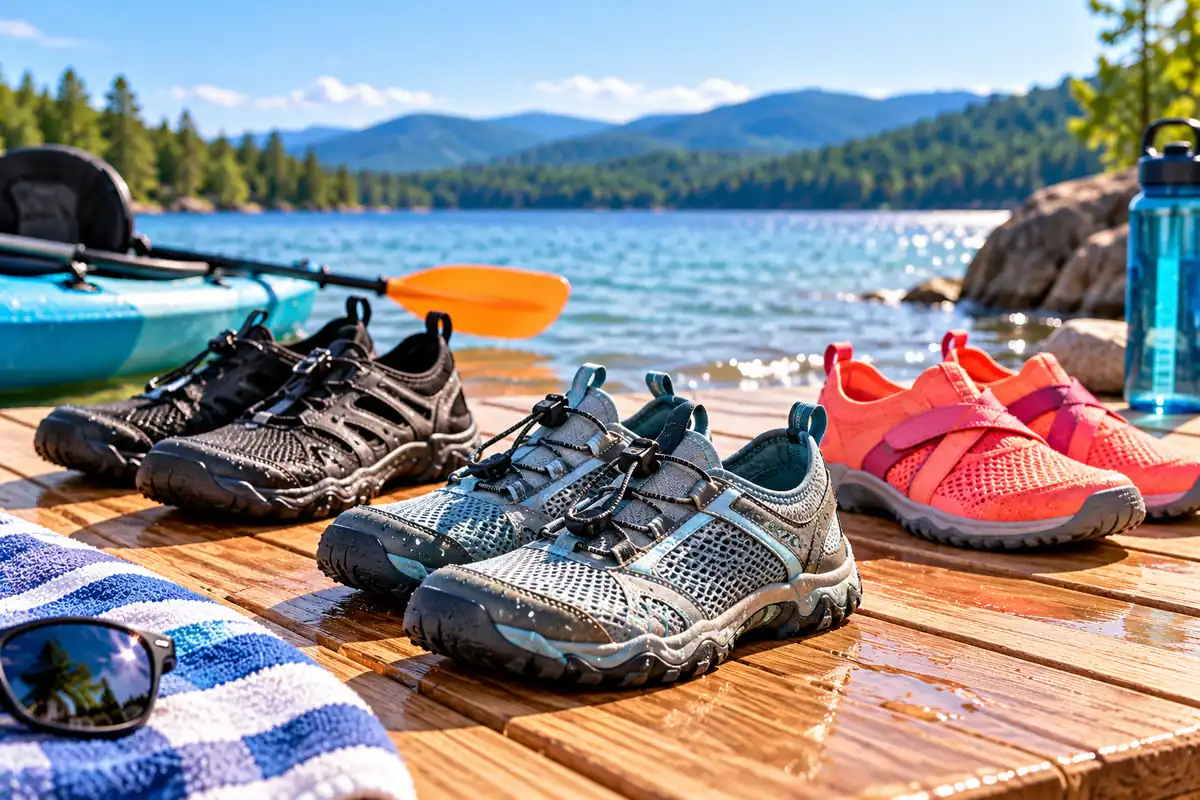
The best water shoes for the lake should provide reliable traction, secure foot retention, and enough protection for the shoreline you’re exploring. For most adults, the Astral Loyak AC is our top recommendation. Its flexible design, grippy rubber outsole, and efficient drainage make it especially useful for swimming, paddleboarding, and walking along wet lake shores.
However, different lake activities require different footwear. Rocky shorelines call for more substantial toe protection, making the KEEN Newport H2 a strong choice. For casual swimming and sandy beaches, the Teva ApreAqua offers a lighter, easier-to-clean alternative. Meanwhile, the Salomon Solamphibian is designed for people who combine hiking with water activities.
Lake water shoes should also fit securely. Loose footwear can slip off during swimming, kayaking, or walking through submerged vegetation. Thin aqua socks may feel comfortable on a smooth beach, but they often provide less protection against sharp gravel and uneven rocks.
We’ve selected eight lake water shoes covering different budgets, activities, and age groups. Below, we’ll compare their traction, drainage, comfort, protection, and practical limitations. We’ll also explain how to choose the right footwear for rocky lakebeds, paddleboarding, family vacations, and colder freshwater conditions.
Quick Answer: Best Water Shoes for the Lake
Best Overall: Astral Loyak AC — lightweight, quick-draining water shoes with excellent independently tested traction and flexibility.
Best for Rocky Shores: KEEN Newport H2 — protective closed-toe sandals with supportive construction and adjustable bungee closures.
Best Casual Lake-Day Value: Teva ApreAqua Closed-Toe Water Sandal — lightweight molded construction, drainage ports, and an adjustable heel strap.
Best for Hiking to the Lake: Salomon Solamphibian — protective water-ready footwear with a trail-oriented outsole and secure Quicklace system.
Best for Kids: KEEN Seacamp II CNX — washable children’s water sandals with protective toe coverage and easy-adjust closures.
How We Selected These Lake Water Shoes
Lake footwear needs to handle conditions that ordinary casual shoes aren’t designed for. Submerged rocks, wet docks, gravel, mud, and changing water depths can all affect comfort and stability.
We evaluated each selection using manufacturer specifications, current U.S. product information, and relevant independent testing. Important factors included outsole traction, toe protection, drainage, secure fit, comfort during walking, and suitability for specific water activities.
We also considered whether each model solves a different problem. A lightweight swimming shoe, a protective water sandal, and an insulated paddling boot shouldn’t be judged as interchangeable products.
Independent testing from OutdoorGearLab and other specialist publications informed our recommendations where available. Manufacturer claims are identified separately from real-world testing evidence. Discompare has not conducted original hands-on tests of these products.
Finally, no water shoe can guarantee protection against slipping, sharp underwater objects, or every natural-water hazard. Proper footwear reduces certain risks but does not eliminate them.
Best Lake Water Shoes Compared
| Water Shoe | Best For | Key Features | Reference Price | Main Drawback |
|---|---|---|---|---|
| Astral Loyak AC | Overall lake activities | G.15 rubber, mesh, quick drainage | $120 | Minimal cushioning |
| KEEN Newport H2 | Rocky lakebeds | Toe bumper, secure bungee closure | $130 | Bulky construction |
| Teva ApreAqua | Casual lake days | Molded EVA, drainage ports | $70 | Limited technical support |
| Teva Hydratrek Closed-Toe | Paddleboarding and kayaking | Spider Rubber, speed laces | $110 | Open-sided construction |
| Astral Brewer 3.0 | Lake-to-town versatility | Water-ready sneaker, grippy outsole | $150 | Premium price |
| Salomon Solamphibian | Hiking to lakes | Contagrip, Quicklace, toe protection | $130 | Limited verified retail stock |
| NRS Paddle Wetshoe | Cold-water paddling | 3mm neoprene upper, rubber sole | $109.95 | Too warm for many summer outings |
| KEEN Kids’ Seacamp II CNX | Children’s lake outings | Toe protection, washable construction | $60 | Debris can enter through openings |
Price Note: These are regular manufacturer or U.S. retailer reference prices, not guaranteed live sale prices. Availability may vary by size, color, and retailer.
Compare Current Lake Water Shoe Prices
Water shoes range from inexpensive slip-on aqua shoes to specialized footwear designed for paddling, hiking, or rocky terrain.
However, the cheapest option isn’t always the best value. A thin swimming shoe may be fine on a smooth beach, but it may not provide enough protection or walking comfort on a rocky shoreline.
Compare the exact product and correct size using the available retailer offers below. Pay attention to gender-specific sizing, closure systems, return policies, and seasonal inventory.
Before purchasing, decide whether your main activity is swimming, shoreline walking, paddleboarding, kayaking, or hiking. That decision matters more than a small difference in price.
The 8 Best Water Shoes for the Lake
1. Astral Loyak AC — Best Water Shoes for the Lake Overall
Best For: Paddleboarding, recreational swimming, kayaking, wet docks, rocky lake shores, and casual walking near the water.
The Astral Loyak AC is our overall recommendation because it balances traction, flexibility, drainage, and everyday comfort better than many traditional aqua shoes.
Astral uses a non-marking G.15 rubber outsole with Flex Grip technology and razor siping. The outsole is designed to grip wet and dry surfaces while maintaining flexibility.
The upper uses ultrafine ripstop mesh with TPU reinforcement. This construction allows water to drain and air to circulate while helping reduce the entry of sand and fine debris.
At approximately 190 grams per shoe in men’s size 9, the Loyak AC feels light compared with more substantial water sandals. Its zero-drop geometry also provides a close-to-ground experience.
Independent testing supports its performance. OutdoorGearLab selected the Loyak AC as a leading overall men’s water shoe, highlighting its wet-surface traction, comfortable fit, efficient drainage, and versatility.
These advantages make the Loyak AC particularly useful for people who move between swimming, paddling, and walking along the shoreline without changing shoes.
However, the minimalist construction isn’t ideal for everyone. The thin sole offers limited cushioning during extended walks, while the mesh upper may wear faster when repeatedly exposed to sharp or abrasive terrain.
It also provides little insulation for cold water. If you plan to spend long periods paddling in chilly conditions, a neoprene wetshoe may be more appropriate.
Fit Tip: Astral lists whole sizes for this model and advises shoppers between sizes to size up. Check the manufacturer’s current size chart before ordering.
Pros
✅ Excellent independently tested wet-surface traction
✅ Lightweight and flexible construction
✅ Efficient drainage and ventilation
✅ Versatile enough for casual use away from the lake
Cons
❌ Limited cushioning for long hikes
❌ Mesh upper can wear on abrasive terrain
❌ Minimal insulation for cold water
Who Should Skip It: Travelers who need substantial hiking support, additional insulation, or stronger protection against repeated contact with rough rocks.
Alternative: Astral Loyak, the original model, for buyers who prefer a different upper construction while retaining a minimalist water-shoe design.

2. KEEN Newport H2 — Best Water Shoes for Rocky Lake Shores
Best For: Gravel beaches, uneven rocky shorelines, shallow-water exploration, and people who prefer more substantial foot protection.
The KEEN Newport H2 is a protective water sandal that works particularly well when a lake has rougher entry points.
Its most recognizable feature is the closed-toe bumper. This protective construction covers the front of the foot, helping reduce exposure to ordinary bumps against stones and submerged obstacles.
The Newport H2 also uses washable webbing, a secure bungee-lace system, and a rubber outsole designed for traction during water-oriented activities.
Compared with thin aqua socks, its more substantial sole provides additional structure underfoot. That can improve comfort when walking over gravel, small stones, and uneven shoreline surfaces.
The adjustable closure also makes it easier to achieve a secure fit than with loose slip-on footwear. This matters when stepping into water or moving between submerged rocks.
However, the sandal-style construction has its own limitations. Openings around the sides can allow sand or small stones to enter. These may need to be removed before continued walking.
The Newport H2 is also bulkier than minimalist water shoes. Shoppers who prioritize lightweight swimming footwear may find it excessive for a smooth, sandy beach.
For lake vacations involving a mix of shore walking, sightseeing, and casual water activities, though, its protection and versatility make it an excellent option.
Fit Tip: Try to achieve a secure heel fit without excessive pressure over the toes. Your feet should not slide forward when descending an uneven path.
Pros
✅ Protective closed-toe construction
✅ More substantial underfoot structure
✅ Adjustable bungee closure
✅ Washable materials suitable for water activities
Cons
❌ Heavier and bulkier than minimalist aqua shoes
❌ Small stones can enter through side openings
❌ Less streamlined for swimming
Who Should Skip It: Swimmers seeking an exceptionally lightweight shoe or people who spend most of their time on smooth, sandy lake beaches.
Alternative: KEEN Hyperport H2 for a different water-sandal design with a sportier profile.

3. Teva ApreAqua Closed-Toe — Best Affordable Casual Lake Shoe
Best For: Sandy lake beaches, casual swimming, family vacations, campground showers, and relaxed lakeside activities.
The Teva ApreAqua Closed-Toe Water Sandal is a practical choice for shoppers who want easy-care footwear without paying for a specialized technical water sneaker.
Its injection-molded EVA construction creates a lightweight upper that Teva describes as buoyant. Drainage ports allow water to escape after entering the shoe.
Unlike ordinary slip-on slides, the ApreAqua includes an adjustable heel strap. Teva’s FuseLock hook-and-loop closure is designed to provide a secure connection around the heel.
The shoe also includes a cushioned ULTRA-COMF midsole and strategically placed rubber outsole pods for traction.
These features make it particularly convenient for casual lake days. You can move between a campsite, a sandy beach, and shallow water without wearing ordinary sneakers that absorb moisture.
Cleaning is also straightforward compared with more complex fabric footwear. However, you should still follow Teva’s product-care instructions and allow the sandals to dry properly.
The main drawback is support. Molded EVA footwear doesn’t provide the same enclosed upper, midfoot structure, or trail-oriented outsole as a technical water-hiking shoe.
Therefore, the ApreAqua is better suited to relaxed water activities than long hikes across uneven terrain.
Fit Tip: Check that the heel strap stays secure while walking. A shoe that slips off easily on dry land is unlikely to remain comfortable in moving water.
Pros
✅ Lightweight molded EVA construction
✅ Drainage openings for water release
✅ Adjustable heel strap
✅ Useful for casual lake activities
Cons
❌ Limited support for demanding trails
❌ Less substantial protection than a technical water sneaker
❌ Not our preferred option for difficult rocky terrain
Who Should Skip It: Hikers, technical paddlers, and anyone who regularly walks across challenging submerged rocks.
Alternative: Speedo Surfwalker Pro 3.0 for shoppers seeking an inexpensive slip-on aqua shoe, subject to finding a suitable size from a reliable U.S. retailer.

4. Teva Hydratrek Closed-Toe — Best Water Sandal for Paddleboarding
Best For: Stand-up paddleboarding, recreational kayaking, wet docks, and active lake outings requiring a secure fit.
The Teva Hydratrek Closed-Toe Water Sandal is designed for activities where traction and foot retention matter more than casual styling.
It uses Teva’s Spider Rubber Tether outsole with a tread pattern designed to disperse water and provide traction on wet surfaces.
The upper combines quick-drying materials with drainage openings. A protective toe cap provides additional coverage, while the speed-lace system allows users to adjust the fit.
These features are relevant when launching a kayak or paddleboard. Wet docks, boat ramps, and submerged stones require careful foot placement, particularly while carrying equipment.
The textured footbed also aims to improve stability when the sandal becomes wet. Meanwhile, the low-profile EVA midsole keeps the foot relatively close to the ground.
Unlike traditional open-toe sandals, the Hydratrek provides a covered front section. However, it still uses a relatively open upper compared with a fully enclosed water sneaker.
That means small stones and debris may enter through the sides. The shoe also provides less enclosed coverage than a protective hiking-oriented water shoe.
Choose this design if you prefer a sandal-like feel but need more retention and toe coverage than ordinary beach slides provide.
Fit Tip: Adjust the speed laces before entering the water. The sandal should stay securely attached when lifting your foot or stepping onto a paddleboard.
Pros
✅ Wet-surface-oriented Spider Rubber outsole
✅ Protective toe cap
✅ Adjustable speed-lace closure
✅ Quick-drying and drainage-focused design
Cons
❌ Open sides allow some debris to enter
❌ Less enclosed protection than water sneakers
❌ Low-profile construction may not suit everyone
Who Should Skip It: People who need substantial hiking support or prefer a fully enclosed water shoe.
Alternative: KEEN Newport H2 for more substantial sandal construction and underfoot structure.
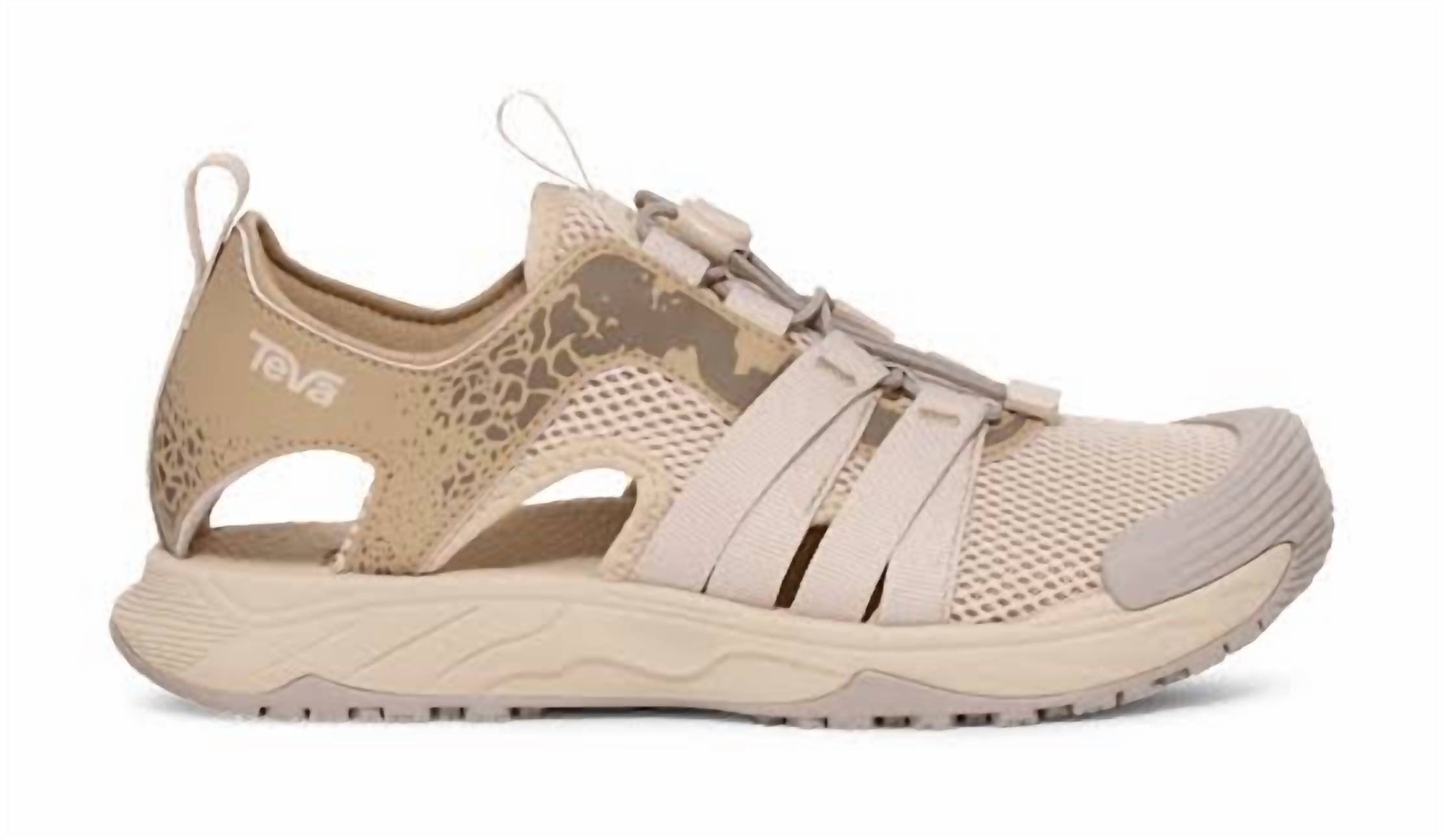
5. Astral Brewer 3.0 — Best Lake-to-Town Water Sneaker
Best For: Lake vacations involving paddling, walking, casual travel, and activities that combine wet and dry conditions.
The Astral Brewer 3.0 is a versatile water-ready sneaker that looks more like casual footwear than a conventional aqua shoe.
Astral combines recycled canvas and mesh materials with a drainage-focused construction. The outsole uses the brand’s water-oriented rubber technology to provide traction during wet and dry activities.
The shoe also features a zero-drop design, closed-cell EVA cushioning, and a more substantial structure than the minimalist Loyak AC.
That difference matters when your lake trip includes walking around a campground, visiting nearby shops, or covering longer distances on land.
Independent reviewers have highlighted the Brewer 3.0 for its combination of water performance and everyday versatility. OutdoorGearLab also identifies it as a stronger option for buyers who want more underfoot support during extended walking.
Its quick-draining materials make it suitable for moving between a kayak and dry land. Meanwhile, the sneaker-like profile means you may not need a second pair of casual shoes immediately after leaving the water.
However, the Brewer 3.0 is more expensive than basic water shoes. It also has more material than an ultra-minimalist aqua shoe, which may make it less appealing to swimmers who prioritize the lightest possible footwear.
For travelers who regularly combine water activities with casual walking, the additional versatility can justify the higher purchase price.
Fit Tip: Check the toe box and heel retention. A comfortable water sneaker should feel secure without pressing the toes together during longer walks.
Pros
✅ Versatile water-to-land construction
✅ More cushioning than minimalist water shoes
✅ Quick-draining recycled materials
✅ Casual sneaker-like styling
Cons
❌ Premium purchase price
❌ More substantial than minimalist swim shoes
❌ Still not a replacement for dedicated hiking boots on demanding routes
Who Should Skip It: Budget-focused swimmers who only need simple footwear for a smooth lake beach.
Alternative: Astral Loyak AC for a lighter, more flexible design with less underfoot cushioning.

6. Salomon Solamphibian — Best Water Shoe for Hiking to the Lake
Best For: Travelers who combine hiking trails, uneven shorelines, and water activities during the same outing.
The Salomon Solamphibian takes a different approach from simple swimming shoes. It combines a water-draining upper with features commonly associated with trail footwear.
Its mesh construction includes perforations that help evacuate water and improve drying. A protective toe cap provides extra coverage for uneven approaches.
Salomon also uses SensiFit construction and its Quicklace system to help achieve a secure fit. The midsole incorporates Fuze Foam cushioning, while the Contagrip FD outsole is designed for traction on wet surfaces.
These features make the Solamphibian especially interesting for hikers who plan to enter shallow water after walking to a remote lake.
Compared with thin aqua socks, the additional structure provides more underfoot support. It can also be more comfortable for walking across a mixture of gravel, dirt, and wet surfaces.
However, the shoe is less minimal than dedicated swimming footwear. It may feel heavier during swimming and takes more time to drain and dry than a lightweight mesh water shoe.
Availability is another important consideration. A current U.S. REI listing identifies the Solamphibian as unavailable. Therefore, shoppers should verify stock through an authorized seller rather than assume the model can be purchased immediately.
If you cannot find the correct model and size, consider the Salomon Techamphibian 5 or another current water-hiking shoe with similar protective features.
Fit Tip: Test the shoes with the type of socks you expect to wear during the hiking portion. Check that the heel remains secure on inclines and descents.
Pros
✅ Trail-oriented outsole and cushioning
✅ Quicklace fit adjustment
✅ Protective toe cap
✅ Useful for mixed hiking and water activities
Cons
❌ More substantial than lightweight swimming shoes
❌ Less streamlined during swimming
❌ Current U.S. retail availability is uncertain
Who Should Skip It: Shoppers who primarily swim at sandy beaches or cannot find the correct model from a reliable retailer.
Alternative: Salomon Techamphibian 5 for a different amphibious hiking-shoe design.

7. NRS Men’s Paddle Wetshoe — Best Water Shoes for Cold Lakes
Best For: Kayaking, canoeing, paddleboarding, and other activities involving extended exposure to colder freshwater.
The NRS Men’s Paddle Wetshoe is designed for situations where insulation matters more than rapid drying or casual appearance.
Its upper uses 3mm neoprene. NRS combines this with a 3mm rubber outsole, a 5mm neoprene insole, and an additional protective shim.
The result is a high-top paddling shoe that provides more thermal protection than ordinary mesh water sneakers.
An adjustable hook-and-loop strap helps secure the shoe around the foot, while a side zipper makes it easier to put on and remove. Reinforced sections protect the toe and heel.
These features are especially valuable during early-season paddling or at lakes where the water remains cold despite warm air temperatures.
However, wetshoes are not the same as dry, waterproof footwear. Water may enter the shoe, while the neoprene construction helps reduce heat loss when properly fitted.
The Paddle Wetshoe is also less suitable for long hikes. Its flexible, relatively low-profile sole prioritizes paddling movement and short walks around launch points rather than extensive land-based support.
In hot summer conditions, the insulation may feel excessive. A quick-draining mesh shoe or water sandal is usually a more practical choice for casual swimming.
Fit Tip: Check NRS sizing carefully. The manufacturer provides guidance for converting women’s sizes and recommends specific adjustments for half sizes.
Pros
✅ Insulating 3mm neoprene upper
✅ Rubber sole with additional protective construction
✅ Adjustable strap and side zipper
✅ Designed for paddling in colder water
Cons
❌ Too warm for many casual summer outings
❌ Less comfortable for extended hiking
❌ Requires careful cleaning and drying
Who Should Skip It: Warm-water swimmers and lake visitors who only need lightweight beach footwear.
Alternative: NRS Kicker Wetshoe for paddlers who prefer a different neoprene shoe configuration.
8. KEEN Kids’ Seacamp II CNX — Best Lake Water Shoes for Kids
Best For: Children’s lake vacations, summer camps, recreational water play, and walking near shallow freshwater shorelines.
Children’s water shoes need to be easy to wear, comfortable during movement, and protective enough for typical outdoor play.
The KEEN Seacamp II CNX is designed around those needs. Its protective rubber toe bumper helps cover the front of the foot, while washable webbing makes it suitable for activities involving water and dirt.
The sandal uses quick-drying lining and a lightweight rubber outsole. Its low-profile construction allows children to move naturally during casual activities.
A bungee closure with an adjustable hook-and-loop strap makes it easier to secure the fit. This is useful for children who are learning to put on and adjust their own footwear.
Another advantage is cleaning. KEEN states that the Seacamp II CNX is machine washable on a gentle cold-water cycle, followed by air drying.
However, protective sandals cannot eliminate the risks associated with slippery rocks, sharp debris, or deeper water. Small stones can also enter through the openings and cause discomfort.
Parents should check the fit regularly, especially during periods of rapid growth. A shoe that is too large may slide around the foot, while a tight shoe can cause rubbing and restrict comfortable movement.
Fit Tip: Check that the heel stays in position, the toes don’t press against the front bumper, and the closure can be adjusted securely.
Pros
✅ Protective toe bumper
✅ Quick-drying washable materials
✅ Child-friendly adjustable closure
✅ Lightweight, flexible design
Cons
❌ Small stones can enter through sandal openings
❌ Requires regular sizing checks
❌ Does not replace supervision or water-safety equipment
Who Should Skip It: Parents seeking specialized cold-water footwear or fully enclosed shoes for particularly rough terrain.
Alternative: KEEN Kids’ Newport H2 for a more substantial protective sandal.
Water Shoes We Considered but Didn’t Select
Several additional water shoes may suit specific lake activities, but they didn’t make our main eight-product shortlist.
Speedo Surfwalker Pro 3.0: A strong budget option supported by independent testing. However, current manufacturer inventory is limited, so we prefer to list it as an alternative until reliable size availability is confirmed.
Merrell Hydro Moc: Comfortable for casual water-friendly wear, but the original model has appeared in discontinued or closeout listings. Its construction is also less suited to demanding wet-rock traction than the technical shoes featured above.
Minimalist aqua socks: Useful for casual swimming and smooth beaches, but many offer limited underfoot protection on gravel or rocky lakebeds.
Open-toe flip-flops: Convenient around campsites, but less secure for walking through submerged rocks or vegetation.
Heavy river boots: Appropriate for specialized paddling and whitewater conditions, but excessive for many recreational lake outings.
What Type of Water Shoe Is Best for Your Lake?
The right lake footwear depends primarily on the shoreline, underwater surface, and activities you plan to enjoy.
Sandy Swimming Beaches
For smooth, sandy swimming areas, prioritize a comfortable fit, lightweight construction, and easy drainage.
The Teva ApreAqua is a practical option because its molded design is easy to manage during casual activities.
Minimalist water shoes can also work well when there is little need for substantial underfoot protection.
Rocky and Gravel Lakebeds
Choose a more protective design when the shoreline contains loose stones, uneven rocks, or rough gravel.
The KEEN Newport H2 provides a protective toe bumper and a more substantial sole than typical aqua socks.
Remember that no outsole guarantees traction on slippery algae-covered stones. Move carefully and avoid unfamiliar submerged hazards.
Kayaking and Paddleboarding
Secure fit and dependable wet-surface traction are especially important around boat ramps, wet docks, and paddleboards.
The Astral Loyak AC and Teva Hydratrek Closed-Toe are both suitable candidates, depending on whether you prefer an enclosed minimalist shoe or an adjustable water sandal.
Choose footwear that stays attached when entering and exiting the water. Loose slides are less suitable for these activities.
Hiking to Remote Lakes
If your outing combines walking trails with lake access, prioritize cushioning, protective construction, and reliable footing on varied terrain.
The Salomon Solamphibian is designed for this combination, although current U.S. stock may be limited.
For demanding hikes, a dedicated hiking shoe may still be preferable. You can carry lightweight water shoes separately when pack space allows.
Colder Freshwater Conditions
Cold water requires different footwear from a hot summer beach.
The NRS Paddle Wetshoe uses neoprene insulation to help maintain comfort during paddling in colder conditions.
However, insulated footwear alone does not prevent cold-water immersion hazards or hypothermia. Appropriate clothing, flotation equipment, and activity-specific precautions remain essential.
How to Choose Lake Water Shoes
1. Look for Wet-Surface Traction
Traction is one of the most important features when choosing water shoes for the lake.
Outsole material, tread design, flexibility, and the type of surface all affect grip.
Some manufacturers use siped rubber or tread patterns designed to disperse water. These features can improve performance under suitable conditions, but they cannot eliminate slipping hazards.
Choose footwear based on the surfaces you expect to encounter rather than assuming every product labeled non-slip performs equally well.
2. Consider Toe Protection and Sole Thickness
Rocky shorelines generally require more protection than sandy beaches.
A closed-toe water sandal can help protect the front of the foot from everyday impacts. A thicker sole can also reduce discomfort when walking across gravel.
However, heavier protection usually reduces flexibility and ground sensitivity.
For swimmers and paddleboarders, a thinner sole may feel more natural. For shoreline walking, additional structure may be preferable.
3. Prioritize Drainage and Drying
Most lake water shoes aren’t designed to keep your feet completely dry. Instead, they allow water to enter and drain away.
Drainage openings, breathable mesh, and quick-drying materials help reduce water retention.
This matters because shoes that remain waterlogged can become uncomfortable and heavy.
Nevertheless, drainage and drying are different characteristics. A shoe may release water quickly while its fabric still requires time to dry fully.
4. Choose Secure Closures
Water shoes should remain attached during walking, swimming, and paddling.
Look for adjustable laces, bungee closures, heel straps, or other secure fit systems.
The shoe should feel snug enough to remain in position without creating pressure points or restricting movement.
Avoid purchasing oversized footwear simply to make it easier to put on.
5. Check Men’s, Women’s, and Children’s Sizing
Water-shoe sizing can vary between brands and styles.
Some manufacturers use whole sizes only, while others offer half sizes or different width options.
Always consult the product’s current size chart. If the shoe is intended for both land walking and swimming, consider how the fit changes when wet.
Children’s shoes should also be checked regularly as their feet grow.
Buying Tip: Before ordering, identify your lake’s most challenging surface. If you’ll mainly walk on rocks, prioritize protection and traction. If you’ll mainly swim, prioritize low weight and drainage. If you’ll hike first, prioritize walking comfort and support.
Lake Water Shoes vs. Water Sandals vs. Aqua Socks
| Footwear Type | Main Advantage | Main Limitation | Best Use |
|---|---|---|---|
| Enclosed Water Shoes | More complete foot coverage | Can retain some debris or moisture | Mixed lake activities |
| Closed-Toe Water Sandals | Ventilation with front-foot protection | Side openings admit grit | Rocky shores and casual walking |
| Aqua Socks | Lightweight and flexible | Often minimal sole protection | Smooth swimming beaches |
| Neoprene Wetshoes | Additional insulation | Warm and less versatile on land | Cold-water paddling |
| Water-Hiking Shoes | Additional cushioning and trail capability | Heavier than swimming shoes | Hikes ending at lakes |
Water sandals are a practical compromise for people who want ventilation and some foot protection. However, a fully enclosed water shoe may be preferable when moving through areas with substantial debris.
How to Clean and Dry Water Shoes
Proper care can help water shoes remain more comfortable and reduce persistent odors.
Rinse After Every Lake Visit
Rinse the shoes with clean freshwater after use. This helps remove mud, sand, algae, and loose debris.
Pay particular attention to drainage openings and areas around straps or closures.
Remove Trapped Stones and Sand
Small stones can remain inside water sandals and shoes.
Check the footbed, toe area, and any removable insoles before wearing the footwear again.
Debris left inside a shoe may cause rubbing or discomfort during future use.
Follow Manufacturer Washing Instructions
Some water shoes can be machine washed, while others require gentle hand cleaning.
For example, KEEN provides machine-washing instructions for certain Seacamp II CNX models. However, that guidance should not be applied automatically to every water shoe.
Always follow the care instructions for the exact product.
Allow Shoes to Dry Thoroughly
Open adjustable closures and remove insoles when the manufacturer permits.
Allow the shoes to air-dry in a well-ventilated location. Avoid exposing them to excessive direct heat, which can damage adhesives, rubber, or other materials.
Do not store damp shoes in a tightly sealed bag for extended periods.
Important Lake Safety Considerations
Appropriate water shoes can improve comfort and provide limited protection against ordinary shoreline hazards. However, footwear alone cannot make natural water safe.
Watch for Hidden Underwater Hazards
Lakes may contain sharp rocks, submerged branches, broken glass, vegetation, and sudden changes in depth.
Even shoes with protective soles cannot guarantee protection from every sharp object.
Move carefully in unfamiliar water and follow posted safety warnings.
Check Water Quality Before Swimming
The CDC warns that natural water may contain germs capable of causing illness.
Contaminated water entering open cuts or wounds can also lead to infection.
Follow local swimming advisories and avoid entering water when authorities warn of contamination. Water shoes cannot prevent exposure to contaminated water.
Use Appropriate Life Jackets
Water shoes are not flotation devices.
During kayaking, canoeing, and other boating activities, follow applicable requirements and wear an appropriate, correctly fitted life jacket.
Children also need close adult supervision around water, regardless of the shoes they wear.
Lake Safety Reminder: No water shoe is completely slip-proof, puncture-proof, or capable of preventing drowning. Check local conditions, wear appropriate flotation equipment, and supervise children closely. Recreational inflatables should never replace approved life jackets.
If you’re preparing for a family outing, our pool floats and water toys guide offers additional recreational ideas. Remember that floats and toys are not lifesaving equipment.
Frequently Asked Questions
What are the best water shoes for the lake?
The Astral Loyak AC is our best overall choice because it combines lightweight construction, effective drainage, secure fit, and strong independently tested wet-surface traction. For rockier shorelines, the KEEN Newport H2 offers more substantial toe protection.
Do you need water shoes for swimming in a lake?
Water shoes can be helpful when the shoreline contains rocks, gravel, shells, or other debris. On smooth sandy beaches, they may be optional. Choose footwear based on local conditions and your comfort preferences.
Are water shoes good for walking on slippery lake rocks?
Some water shoes use specialized rubber compounds and tread designs intended to improve traction on wet surfaces. However, no shoe guarantees slip prevention, especially on algae-covered or unstable rocks. Careful movement remains essential.
Are waterproof shoes better than quick-drying water shoes?
For swimming and wading, quick-draining footwear is usually more appropriate because water will enter the shoe during immersion. Waterproof footwear is designed to prevent water entry under specified conditions and is generally intended for different activities.
Can you wear water shoes for kayaking and paddleboarding?
Yes. Choose shoes that stay securely attached, offer appropriate traction, and fit comfortably inside your equipment. The Astral Loyak AC and Teva Hydratrek Closed-Toe are suitable options for many recreational paddling situations.
What are the best lake water shoes for kids?
The KEEN Seacamp II CNX is a practical choice because it combines protective toe coverage, lightweight construction, washable materials, and adjustable closures. Correct sizing and close adult supervision remain essential.
Should water shoes fit tightly or loosely?
Water shoes should fit securely without uncomfortable pressure. Your heel should remain in place during movement, and your toes should have enough room. Avoid loose shoes that may slip off in water.
How do you stop water shoes from smelling?
Rinse the shoes after use, remove trapped debris, follow the manufacturer’s washing instructions, and allow the footwear to dry completely before storage. Avoid leaving damp shoes sealed inside a bag.
Final Verdict: Which Lake Water Shoes Should You Buy?
The best water shoes for the lake depend on what you’ll do in and around the water.
For most adults, choose the Astral Loyak AC. It offers an excellent combination of wet-surface traction, low weight, drainage, and everyday versatility. Independent testing also supports its performance across different water activities.
If your lake has rocky or gravel-covered entry points, the KEEN Newport H2 provides more substantial toe protection and underfoot structure. For casual sandy beaches and relaxed family trips, the Teva ApreAqua is a simpler, more affordable option.
The Teva Hydratrek Closed-Toe is particularly useful for paddleboarding and recreational kayaking, while the Astral Brewer 3.0 suits travelers who regularly move between water activities and casual walking.
For combined hiking and lake use, consider the Salomon Solamphibian if suitable stock is available. The NRS Paddle Wetshoe is better for colder-water paddling, and the KEEN Seacamp II CNX is our leading choice for children’s recreational lake footwear.
Before ordering, check your lake’s shoreline conditions, your preferred activities, the correct shoe size, and the retailer’s return policy. A well-fitting pair designed for your actual needs is more valuable than a highly rated shoe intended for a different activity.
Bottom Line: Choose Astral Loyak AC for all-around performance, KEEN Newport H2 for rocky shores, Teva ApreAqua for casual lake days, Teva Hydratrek for paddling, Astral Brewer 3.0 for land-and-water versatility, Salomon Solamphibian for lake hikes, NRS Paddle Wetshoe for cold water, and KEEN Seacamp II CNX for kids.
Sources
- OutdoorGearLab — Best Water Shoes of 2026
- Astral — Loyak AC Official Product Specifications
- KEEN Footwear — Newport H2 Official Product Documentation
- NRS — Men’s Paddle Wetshoe Current Product Specifications
- CDC and U.S. Coast Guard — Natural Water Safety and Life Jacket Guidance
How we research: Discompare evaluates current manufacturer specifications, relevant independent footwear testing, U.S. retailer information, and practical buyer needs. We have not conducted original hands-on tests of every product. Prices, sizes, colors, and availability may change. Discompare may earn commissions from qualifying retailer or price-comparison purchases.
Product Groups: Astral Loyak AC, KEEN Newport H2, Teva ApreAqua Closed-Toe Water Sandal, Teva Hydratrek Closed-Toe Water Sandal, Astral Brewer 3.0, Salomon Solamphibian, NRS Men’s Paddle Wetshoe, KEEN Kids’ Seacamp II CNX