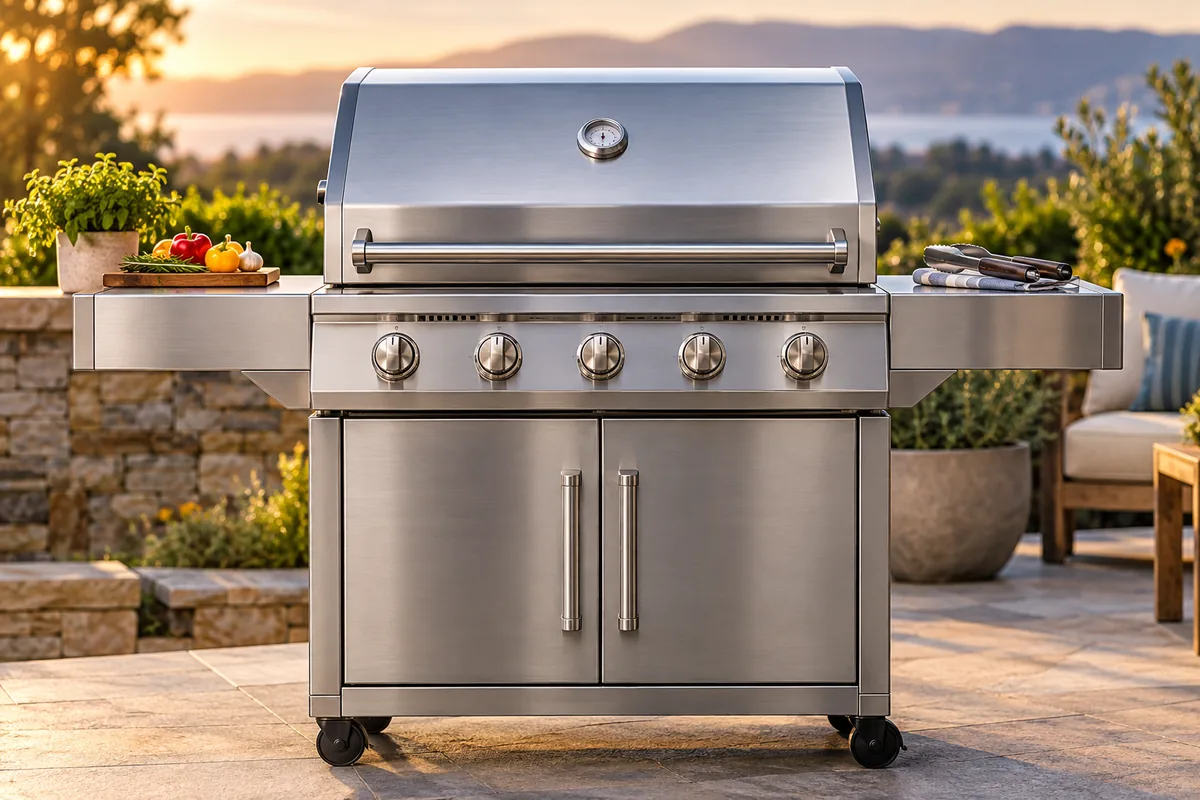
Best Outdoor Grills 2026: 6 Top Picks
The best outdoor grill starts with the right fuel type. Gas grills are quick and convenient. Charcoal gives you more hands-on heat control and classic live-fire cooking. Pellet grills make low-and-slow smoking easier, while kamado grills combine charcoal with a highly insulated ceramic body. Electric grills suit spaces where propane or charcoal is impractical.
For 2026, we selected six outdoor grills that cover those different jobs instead of filling the list with nearly identical models. Our picks range from the straightforward Weber Spirit E-325 to the smoke-focused Traeger Woodridge Pro and the portable Coleman RoadTrip 285.
If you are buying your first grill, start with how you normally cook, how much space you have, and how much fuel management you are willing to do. Those factors matter more than simply choosing the biggest or most expensive grill.
Quick Answer: Best Outdoor Grills
Best gas grill: Weber Spirit E-325 combines three burners, a dedicated Sear Zone, compact folding side tables, and simple propane operation for everyday backyard cooking.
Best charcoal grill: Weber Original Kettle Premium 22″ keeps the classic kettle design but adds an enclosed ash catcher, hinged grate, thermometer, and adjustable dampers.
Best pellet grill: Traeger Woodridge Pro offers 970 square inches of cooking space, app-connected controls, a 24-pound hopper, and a dedicated Super Smoke mode.
Best kamado grill: Kamado Joe Classic Joe II pairs a ceramic body with a published 225–750°F heat range and a two-level cooking system.
Best electric and portable picks: Ninja Woodfire Pro Connect Premium XL is the electric option, while Coleman RoadTrip 285 is easier to take camping or tailgating.
How We Chose the Best Outdoor Grills
We compared current U.S. models across fuel type, cooking area, temperature control, portability, cleanup, features, price, warranty, and retailer availability. Each grill also needed a clear reason to exist in the lineup.
That means this is not a list of six similar gas grills. Instead, each recommendation covers a different cooking style or ownership need. We also checked current manufacturer specifications and independent editorial evidence where useful.
We did not claim hands-on Discompare testing. Manufacturer specifications are identified as such, while real-world observations from independent testing are treated separately.
Best Outdoor Grills Compared
| Grill | Best For | Fuel | Cooking Area | Heat Control | Regular Price | Main Trade-Off |
|---|---|---|---|---|---|---|
| Weber Spirit E-325 | Everyday backyard grilling | Propane | 360 sq. in. primary / 450 total | 3 burners + Sear Zone | $549 | Less smoke flavor than charcoal or pellets |
| Weber Original Kettle Premium 22″ | Charcoal cooking and value | Charcoal | 363 sq. in. | Adjustable dampers | $229 | More hands-on heat management |
| Traeger Woodridge Pro | Smoking and low-and-slow cooking | Wood pellets + electricity | 970 sq. in. | Digital controller / app | $1,149.99 | 500°F maximum temperature |
| Kamado Joe Classic Joe II | Premium charcoal versatility | Charcoal | 250 sq. in. | Airflow vents / ceramic heat retention | $1,499.99 | Heavy and expensive |
| Ninja Woodfire Pro Connect Premium XL OG951 | Electric outdoor cooking | Electric + pellets for smoke flavor | 180 sq. in. | Digital + dual thermometers | $499.99 | Needs an outdoor electrical outlet |
| Coleman RoadTrip 285 | Camping and tailgating | Propane | 285 sq. in. | 3 adjustable burners | $389.99 | 49-pound weight is portable mainly by vehicle |



1. Weber Spirit E-325 — Best Gas Grill for Most Homes
Best for: Families and backyard cooks who want fast startup, simple temperature control, and enough room for everyday meals.
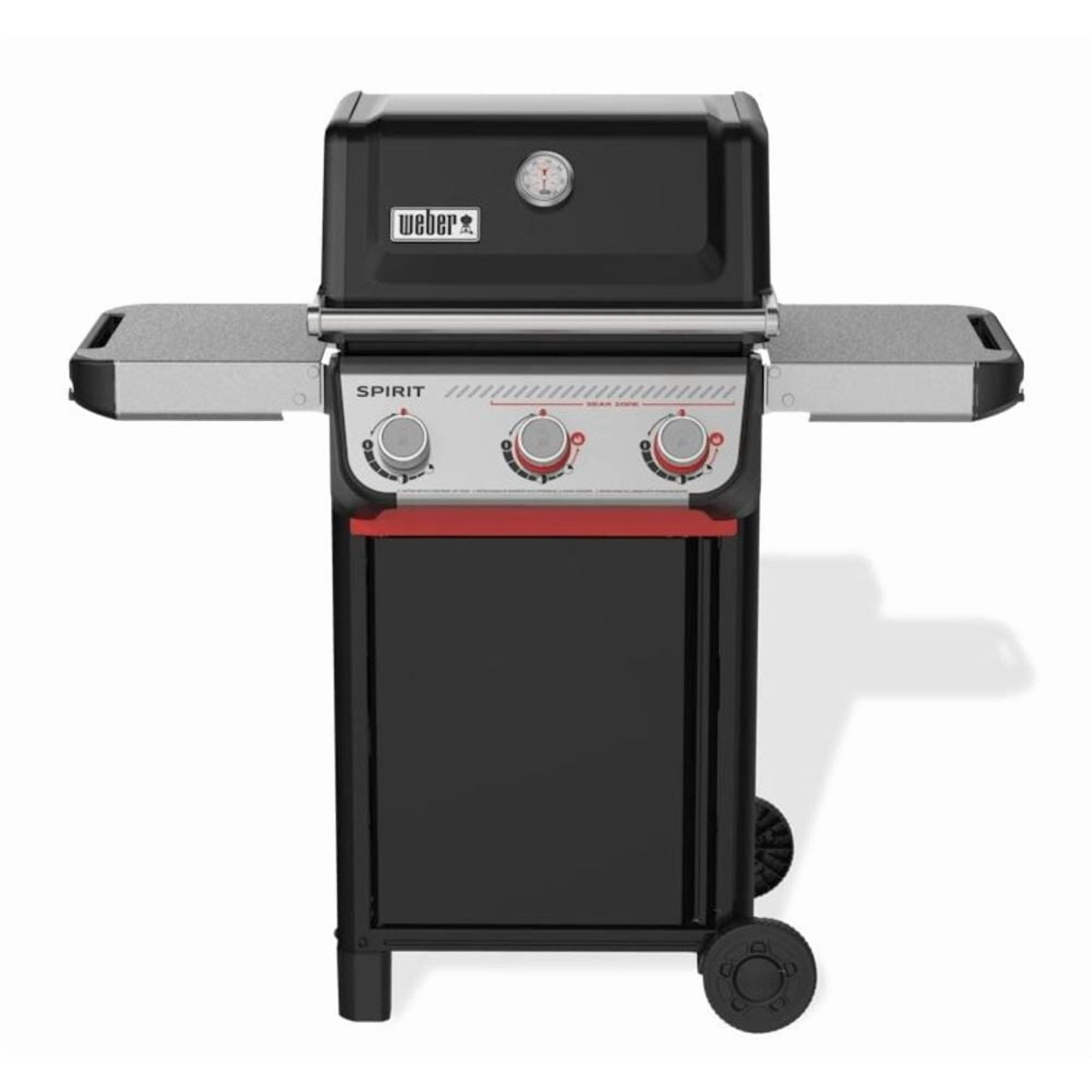
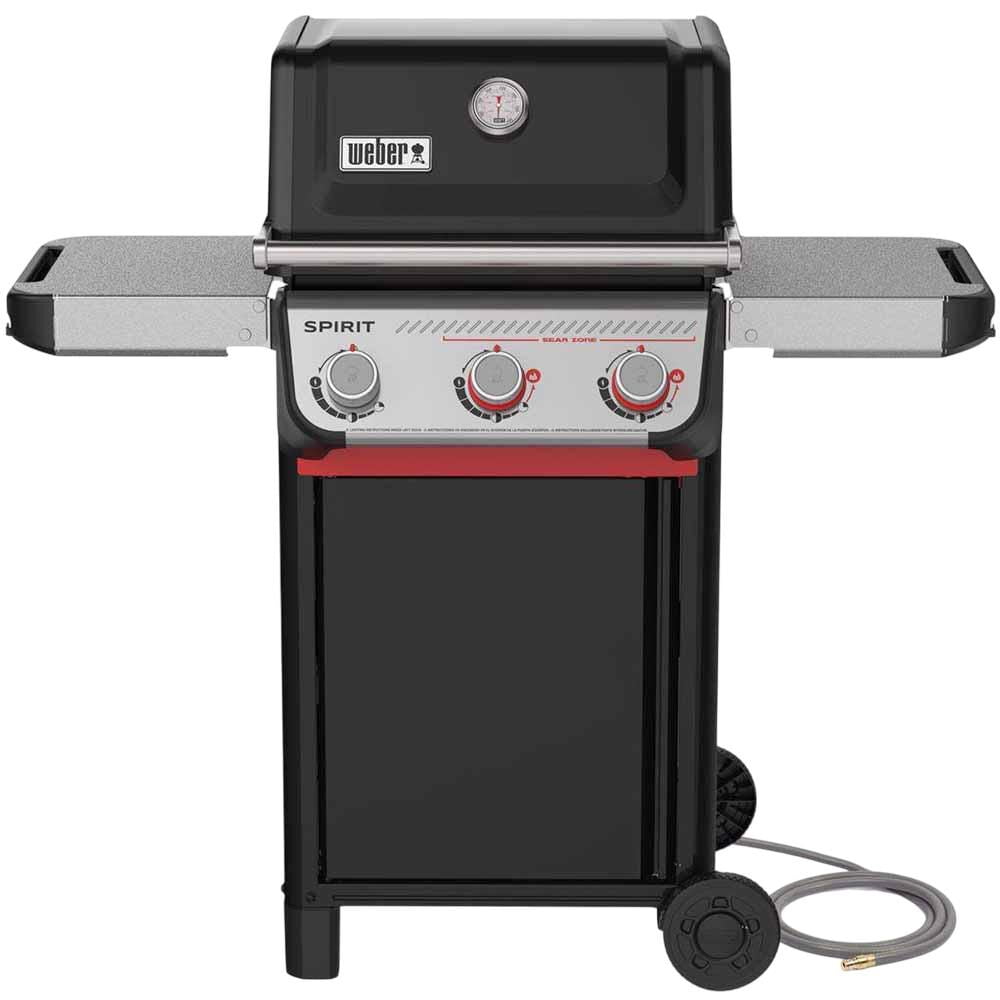
The Weber Spirit E-325 is the most straightforward choice in this guide. It uses three propane burners and provides 360 square inches of primary cooking area, plus a 90-square-inch warming rack.
Weber also builds a Sear Zone into the current E-325. Two Boost Burners increase heat in that section when you want a stronger sear on steaks, burgers, fish, or vegetables. Each burner uses Weber’s Snap-Jet ignition system.
The cooking grates are porcelain-enameled cast iron. Two side tables provide prep space, and they fold down when patio room is tight. Weber also includes a 10-year limited warranty on major parts such as the cookbox, lid assembly, and burner tubes.
Gas is the key advantage. You can turn the grill on, adjust the burners, and start cooking without lighting charcoal or waiting for a pellet system. The trade-off is that you do not get the same live-charcoal or wood-smoke character as the next several grills.
Pros
✅ Three independently controlled gas burners
✅ Dedicated high-heat Sear Zone
✅ Folding side tables help reduce its footprint
✅ 10-year limited warranty on major components
Cons
❌ Propane tank is sold separately
❌ Less suited to long smoking sessions than a pellet grill
❌ Costs more than a basic charcoal kettle
Skip it if: The main reason you want a grill is to smoke brisket, ribs, or pork shoulder for hours at a time.
Alternative: Choose the Traeger Woodridge Pro when automated smoking matters more than propane convenience.
2. Weber Original Kettle Premium 22″ — Best Charcoal Grill
Best for: Shoppers who want charcoal flavor, simple construction, flexible heat zones, and a lower entry price.
The Weber Original Kettle Premium 22″ keeps the basic kettle format simple. You get 363 square inches of cooking area, a hinged plated-steel grate, adjustable lid and bowl dampers, and a built-in lid thermometer.
Heat control is manual. You decide how much charcoal to use, where to position it, and how much airflow enters and exits the kettle. That takes more practice than turning a gas knob, but it also lets you create direct and indirect cooking zones with a very simple grill.
The Premium version adds an enclosed ash catcher and Weber’s One-Touch cleaning system. Moving the lever sweeps ash from the bowl into the catcher below. The hinged grate also makes it easier to add charcoal without removing all the food.
At a $229 regular price, it is the least expensive main pick in this guide. It also avoids electronics, motors, pellet augers, and gas plumbing.
Pros
✅ Relatively affordable
✅ 363-square-inch cooking grate
✅ Hinged grate simplifies adding charcoal
✅ Enclosed ash catcher makes cleanup easier
Cons
❌ Takes longer to start than gas
❌ Temperature control requires more practice
❌ Charcoal and ash create more cleanup than electric cooking
Skip it if: You want to press a button, set a temperature, and do very little fire management.
Alternative: The Spirit E-325 is easier for everyday gas cooking, while the Classic Joe II offers a more insulated charcoal system.





3. Traeger Woodridge Pro — Best Pellet Grill and Smoker
Best for: Brisket, ribs, pork shoulder, poultry, and shoppers who want low-and-slow cooking with digital temperature control.
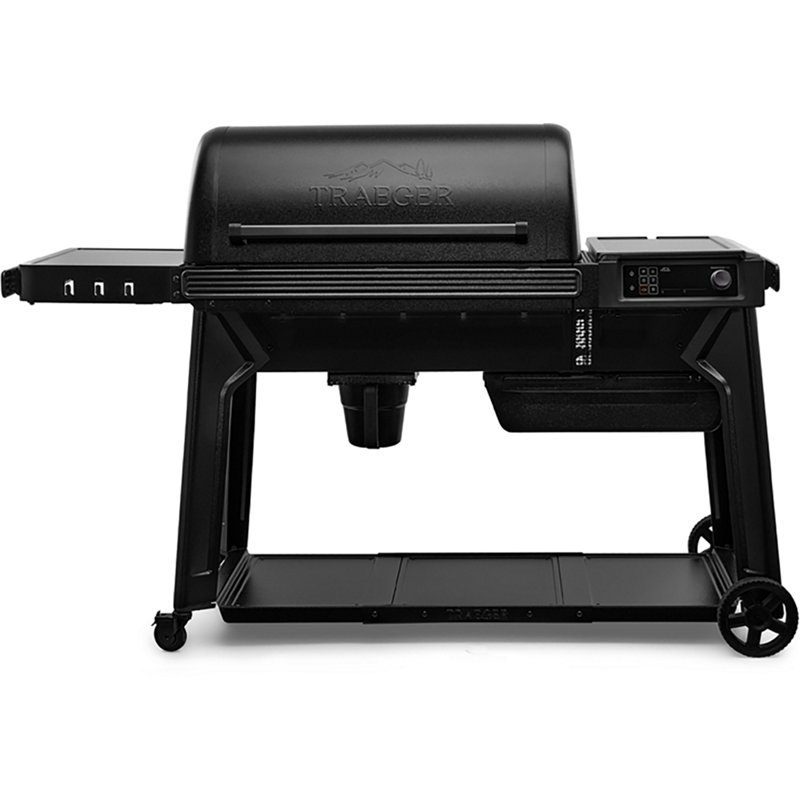
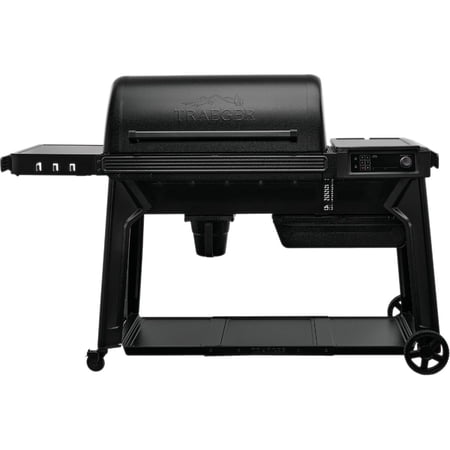
The Traeger Woodridge Pro is the largest cooker in this roundup by published cooking area. It provides 970 square inches across two racks and uses a 24-pound pellet hopper.
Unlike a charcoal grill, a pellet grill automatically feeds fuel into the firepot. You set the cooking temperature, and the controller manages the pellet supply and airflow. WiFIRE connectivity also lets you monitor and control supported functions through Traeger’s app.
The Woodridge Pro adds Super Smoke mode for stronger smoke production during suitable cooks. Traeger lists a maximum temperature of 500°F. That is enough for many grilling jobs, but it helps explain why this grill makes more sense for smoking than for shoppers whose top priority is intense high-heat searing.
Independent testing from Tom’s Guide reached a similar conclusion: the Woodridge Pro’s strongest use case was convenient smoking and temperature management rather than extreme searing.
Pros
✅ 970 square inches of total cooking area
✅ 24-pound pellet hopper
✅ WiFIRE app connectivity
✅ Super Smoke mode for smoke-focused cooking
Cons
❌ Much more expensive than a kettle or mainstream gas grill
❌ Needs both electricity and wood pellets
❌ 500°F maximum is not aimed at extreme high-heat searing
Skip it if: You mostly cook steaks and burgers quickly and do not expect to use the smoking functions.
Alternative: Weber Spirit E-325 gives you faster gas grilling. Kamado Joe Classic Joe II offers a wider published temperature range with charcoal.
4. Kamado Joe Classic Joe II — Best Kamado Grill
Best for: Enthusiasts who want one charcoal cooker for low-temperature smoking, roasting, and high-heat cooking.
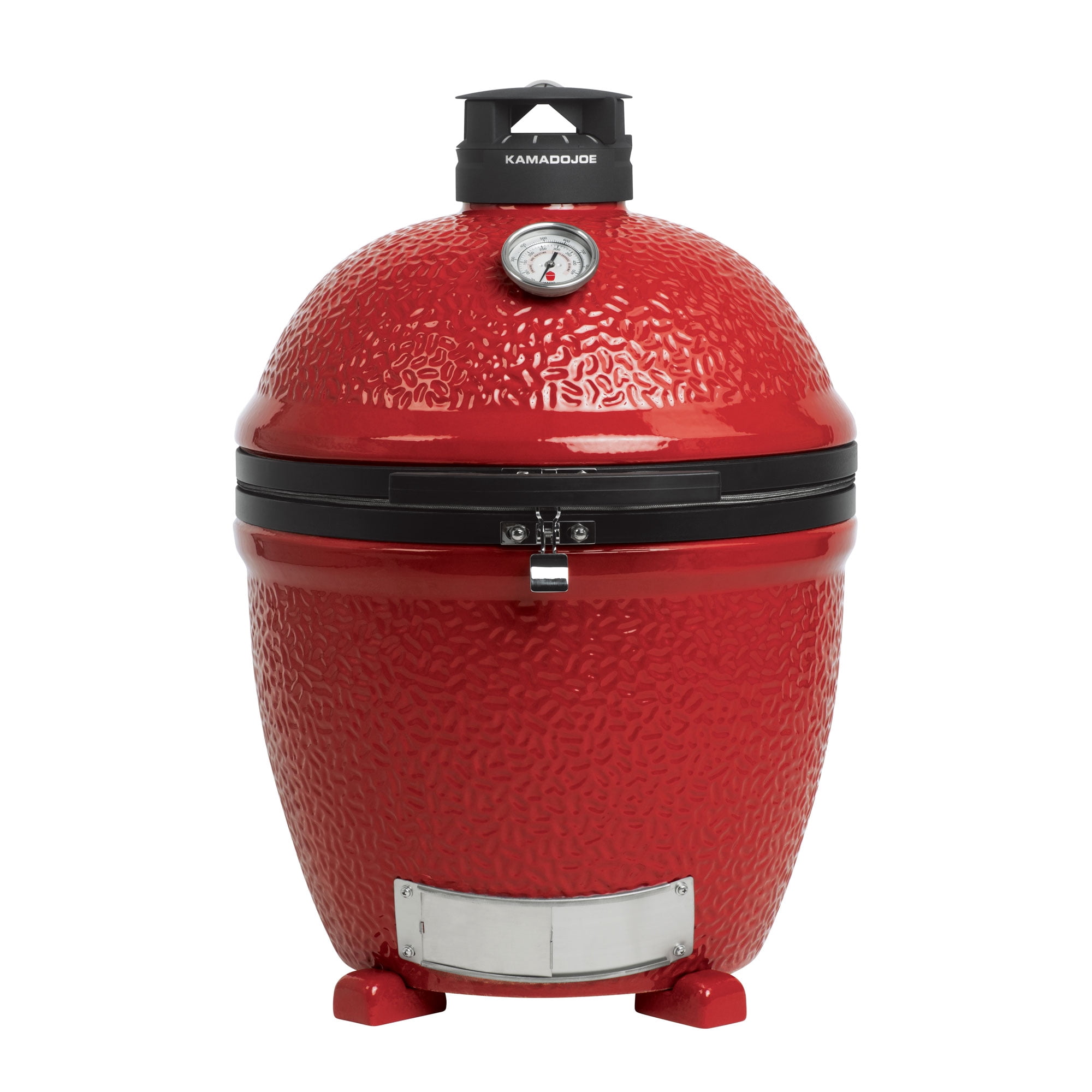
The Classic Joe II takes a different approach to charcoal. Its thick ceramic body is designed to retain heat, while upper and lower airflow controls manage the fire.
Kamado Joe publishes a 225–750°F operating range for the current Classic Joe II. The primary cooking space is 250 square inches, and the Divide & Conquer system uses split half-moon grates at different levels.
That system lets you arrange foods at different heights or use accessories for different cooking methods. The grill also includes a Kontrol Tower top vent, Air Lift hinge, slide-out ash drawer, thermometer, side shelves, and wheeled cart.
The biggest drawback is physical. Kamado Joe lists the grill at roughly 228 pounds. Ceramic construction also raises the price substantially compared with a basic charcoal kettle.
Pros
✅ Published 225–750°F heat range
✅ Ceramic body designed for heat retention
✅ Two-level Divide & Conquer cooking system
✅ Slide-out ash drawer simplifies charcoal cleanup
Cons
❌ High purchase price
❌ Roughly 228-pound weight makes relocation difficult
❌ Smaller primary cooking area than the Traeger
Skip it if: You want a lightweight charcoal grill or you do not expect to use the wide temperature range.
Alternative: Weber Original Kettle Premium offers a simpler and much less expensive charcoal setup.
5. Ninja Woodfire Pro Connect Premium XL OG951 — Best Electric Outdoor Grill
Best for: Small patios, electric-only setups, multifunction outdoor cooking, and shoppers who want smoke flavor without using pellets as the main heat source.
The Ninja Woodfire Pro Connect Premium XL is an electric outdoor grill with 180 square inches of cooking space. Its 1,760-watt heating system provides the cooking heat, while a small quantity of real wood pellets adds smoke flavor.
That distinction matters. This is not a pellet grill like the Traeger. The pellets are for flavor rather than fueling the main cooking system.
The OG951 has seven modes: Grill, BBQ Smoke, Air Fry, Roast, Bake, Broil, and Dehydrate. It also includes two built-in food thermometers and connects to Ninja’s app so you can monitor two foods and receive cooking notifications.
The main limitation is space. At 180 square inches, it cannot match a full-size backyard grill for large parties. It also needs a suitable electrical connection outdoors.
Pros
✅ Seven cooking functions
✅ Electric heat avoids propane or charcoal
✅ Pellets add wood-smoke flavor
✅ Includes two integrated food thermometers
Cons
❌ Requires an outdoor electrical connection
❌ Only 180 square inches of cooking space
❌ Less appropriate for large gatherings
Skip it if: Your main goal is cooking large quantities at once or you do not have convenient outdoor power.
Alternative: Coleman RoadTrip 285 is a better travel choice when propane is easier to manage than electricity.


6. Coleman RoadTrip 285 — Best Portable Gas Grill
Best for: Car camping, tailgating, parks, beaches, and buyers who need a propane grill that folds for transport.
The Coleman RoadTrip 285 brings several full-size grill features into a portable format. It provides 285 square inches of cooking area and three independently adjustable propane burners with up to 20,000 BTU of total output.
The stand folds down, and built-in wheels help you move the grill after unloading it. Coleman also includes two side tables, push-button ignition, an integrated thermometer, and a locking lid.
However, portability is relative. The grill weighs 49 pounds. That makes it suitable for moving between a vehicle and campsite, but it is not something most people will want to carry a long distance.
The removable water pan catches grease and supports cleanup. If this model fits your travel setup, you can also compare Coleman RoadTrip 285 prices on Discompare.
Pros
✅ Three independently adjustable burners
✅ 285 square inches of cooking space
✅ Folding legs and wheels improve transport
✅ Built-in side tables and thermometer
Cons
❌ 49 pounds is heavy for hand-carrying
❌ Smaller than a permanent backyard gas grill
❌ Portable propane cylinders add an ongoing supply requirement
Skip it if: The grill will remain on your patio year-round. A full-size gas grill provides more convenient permanent storage and workspace.
Alternative: Ninja Woodfire is compact when electricity is available, while Weber Spirit E-325 is better for a fixed backyard setup.

Outdoor Grills We Considered but Didn’t Pick
Weber Genesis
Weber’s Genesis range is a logical step up for gas-grill buyers who want more space and features. We left it out because the Spirit E-325 better represents the needs of a mainstream home buyer, while adding a second Weber gas grill would reduce the variety of this roundup.
Weber Lumin
The Lumin is a credible electric-grill alternative. However, Ninja’s combination of grilling, smoking, air frying, app connectivity, and two food probes gives it a more distinct role in this six-product guide.
Masterbuilt Gravity Series
Masterbuilt’s digitally controlled charcoal concept is interesting because it combines solid fuel with automated temperature management. We deferred it so the main list could first cover the established gas, charcoal, pellet, kamado, electric, and portable categories.
Blackstone Flat Top Griddles
A Blackstone deserves separate treatment because a griddle uses a continuous flat steel cooking surface rather than traditional grill grates. If smash burgers, breakfasts, fried rice, and chopped foods are your priority, see our best Blackstone flat top grills guide instead.
Gas vs. Charcoal vs. Pellet vs. Kamado vs. Electric
| Fuel Type | Best For | Main Strength | Main Trade-Off |
|---|---|---|---|
| Gas | Everyday grilling | Fast startup and easy temperature adjustment | Less live-fire character than charcoal |
| Charcoal kettle | Value and hands-on fire control | Simple design with direct and indirect cooking options | Longer startup and more ash |
| Pellet | Smoking | Automated temperature control | Needs pellets and electricity |
| Kamado | Charcoal versatility | Wide temperature range and insulated ceramic body | Heavy and expensive |
| Electric | Limited-space setups | No propane or charcoal handling | Needs electricity and may offer less cooking space |
Which Grill Fuel Is Right for You?
Choose Gas for Everyday Convenience
Gas is the easiest recommendation for someone who wants to grill several evenings a week without planning ahead. Turn on the fuel, ignite the burners, set your zones, and start cooking.
A multi-burner grill also makes it easy to create hotter and cooler areas. That is useful when meat and vegetables need different temperatures.
Choose Charcoal for a Simpler Grill and More Fire Management
Charcoal gives you direct control over the fuel itself. You can bank coals to one side, spread them evenly, or build hotter and cooler sections.
The downside is time. Lighting, stabilizing, and extinguishing charcoal takes more effort than adjusting a gas burner.
Choose Pellet for Low-and-Slow Smoking
Pellet grills suit cooks who want smoke without constantly adjusting vents or adding fuel by hand. A digital controller handles much of the temperature management.
They also introduce more components. You need electricity, pellets, an auger system, and electronic controls.
Choose Kamado for Wide-Ranging Charcoal Cooking
A kamado appeals to someone who wants to smoke at lower temperatures, roast, and move into high-heat charcoal cooking with one insulated cooker.
The trade-off is price and weight. Ceramic grills are much harder to relocate than kettle-style charcoal grills.
Choose Electric When Flame-Fueled Grills Are Impractical
An electric outdoor grill removes propane tanks, charcoal bags, and pellet-fed combustion as the main heat source. That can make it useful in smaller outdoor spaces.
However, building rules still matter. An electric grill is not automatically permitted on every balcony or patio. Always check your property’s rules and the manufacturer’s instructions.
What Size Outdoor Grill Do You Need?
Cooking area should match the meals you make most often. Do not size a grill around the biggest party you might host once every few years.
The Spirit E-325 gives you 360 square inches of primary cooking space and is a practical example of a mainstream family gas grill. The Weber Kettle’s 363-square-inch grate offers a similar raw area in a very different shape.
The Traeger’s 970 square inches serve a different purpose. Its two racks provide room for larger smoking sessions, where food may stay in the cooker for hours.
Also consider usable zones. Three burners may be more valuable than a slightly larger single-temperature area because they let you manage different foods independently.
Grill vs. Griddle: What’s the Difference?
A traditional grill places food on open grates above the heat source. A griddle uses a continuous flat surface.
Grills work naturally for steaks, chicken, vegetables, skewers, and traditional barbecue techniques. Griddles excel at foods that benefit from full surface contact, including smash burgers, pancakes, eggs, fried rice, cheesesteaks, and chopped vegetables.
Neither format replaces the other for every cook. If flat-top cooking sounds more useful, compare our Blackstone flat top grill guide before buying a grate-style grill.
What to Look for When Buying an Outdoor Grill
Fuel and Startup Time
Gas and electric grills are usually the simplest to start. Charcoal needs lighting and airflow adjustment. Pellet grills automate much of the fire control but still need pellets and electricity.
Cooking Area
Look at usable cooking space instead of overall grill width. Side shelves, cabinets, and handles can make a grill physically large without increasing grate capacity.
Heat Zones
Independent burners make zone cooking straightforward. Charcoal grills can also create zones by moving the fuel, while kamado systems may use split grates and heat deflectors.
High Heat vs. Low-and-Slow Cooking
Decide what you cook most. A smoker-focused pellet grill and a searing-focused gas grill solve different problems even when both are described as outdoor grills.
Cleanup
Gas grills collect grease. Charcoal grills add ash disposal. Pellet grills create both grease and combustion residue. No outdoor grill is maintenance-free, so check how easily trays, ash catchers, and cooking grates can be accessed.
Portability
A grill with wheels is not necessarily portable. For camping, look at folded dimensions, total weight, fuel storage, locking lids, and whether one person can reasonably move the unit.
Electrical Requirements
Pellet grills and electric grills need power. That can limit placement or require planning at campsites and patios.
Weather Protection
Outdoor grills last longer when protected from weather and cleaned regularly. A fitted cover is especially useful if the cooker remains outside.
Warranty and Parts
A long warranty is useful, but replacement-part availability also matters. Burners, grates, igniters, thermometers, grease systems, and seals can wear before the main grill body does.
You can browse more grills and outdoor cooking equipment if none of these six formats fits your space.
Outdoor Grill Safety Basics
Propane and charcoal grills should be used outdoors. The National Fire Protection Association also advises keeping grills well away from homes, deck railings, overhanging branches, and other materials that can burn.
Keep the grill clean, especially where grease can accumulate. Do not leave an operating grill unattended, and follow the manufacturer’s clearance, lighting, fuel-storage, and shutdown instructions.
For charcoal, allow used coals to cool completely before proper disposal. For propane equipment, inspect the fuel system as directed and stop using the grill if you suspect a leak.
Important: Grill placement rules can vary by property and local fire code. Follow the grill manual, building rules, and current NFPA grilling safety guidance.
If your goal is a complete backyard setup rather than only a grill, compare the best patio heaters for cooler evenings or our guide to the best outdoor fire pits.
Frequently Asked Questions
What is the best type of outdoor grill?
Gas is a practical choice for quick everyday cooking. Charcoal suits people who enjoy managing a live fire. Pellet grills are strongest for convenient smoking, kamados offer broad charcoal versatility, and electric grills work well when propane or charcoal is impractical.
Is gas or charcoal better for beginners?
Gas has the easier learning curve because burner knobs make heat adjustment familiar. Charcoal requires more practice with fuel placement and airflow, but a basic kettle is mechanically simple and relatively affordable.
Are pellet grills good for regular grilling?
Yes, but their strongest advantage is controlled smoking and roasting. If you mainly cook quick burgers and steaks and want very high direct heat, a gas or charcoal grill may fit better.
Is a kamado grill worth the extra cost?
It can be for someone who regularly uses both low-temperature smoking and high-heat charcoal cooking. A buyer who only wants occasional burgers and hot dogs can spend much less on a kettle or gas grill.
Can I use an electric grill on a balcony?
Possibly, but do not assume that electric means automatically permitted. Apartment rules, local codes, clearances, and the manufacturer’s instructions still apply.
What size grill is enough for a family?
Think about the foods you normally cook at the same time rather than household size alone. A mainstream three-burner grill such as the Spirit E-325 provides separate heat zones and 360 square inches of primary grate space, while larger smoking sessions may justify much more area.
How long should an outdoor grill last?
There is no useful universal lifespan. Weather exposure, materials, cleaning, frequency of use, replacement-part availability, and maintenance all affect service life. Compare warranty coverage and parts support rather than relying on a single lifespan estimate.
Final Verdict: Which Outdoor Grill Should You Buy?
The Weber Spirit E-325 is the easiest fit for a typical backyard cook who values fast startup and predictable gas control. The Original Kettle Premium 22″ is the simpler, less expensive choice for buyers who specifically want charcoal.
Choose the Traeger Woodridge Pro if smoking is your priority and you want digital control. The Kamado Joe Classic Joe II makes more sense for an enthusiast who wants both low-temperature charcoal cooking and high-heat capability in one ceramic cooker.
The Ninja Woodfire Pro Connect Premium XL is the specialist choice for electric outdoor cooking. The Coleman RoadTrip 285 is the better option when the grill needs to travel with you.
Quick decision: Choose Weber Spirit for everyday gas cooking, Weber Kettle for charcoal value, Traeger for smoking, Kamado Joe for premium charcoal versatility, Ninja for electric cooking, and Coleman for camping and tailgating.
Sources
- Weber — Spirit E-325 Gas Grill product specifications
- Weber — Original Kettle Premium 22″ product specifications
- Traeger — Woodridge Pro Support Guide
- Tom’s Guide — Traeger Woodridge Pro Grill Review
- Ninja — Woodfire Pro Connect Premium XL Outdoor Grill & Smoker OG951 product information
How we research: Discompare reviews current manufacturer specifications, retailer availability, and relevant independent editorial testing to compare outdoor grills by fuel, size, features, ownership trade-offs, and intended use. Prices and availability can change. Discompare may earn a commission from eligible retailer or price-comparison links.
Product Groups: Weber Spirit E-325 Gas Grill, Weber Original Kettle Premium 22 Inch Charcoal Grill, Traeger Woodridge Pro Pellet Grill, Kamado Joe Classic Joe II, Ninja Woodfire Pro Connect Premium XL Outdoor Grill Smoker OG951, Coleman RoadTrip 285 Portable Stand-Up Propane Grill