Most Popular Dorm Appliances 2026
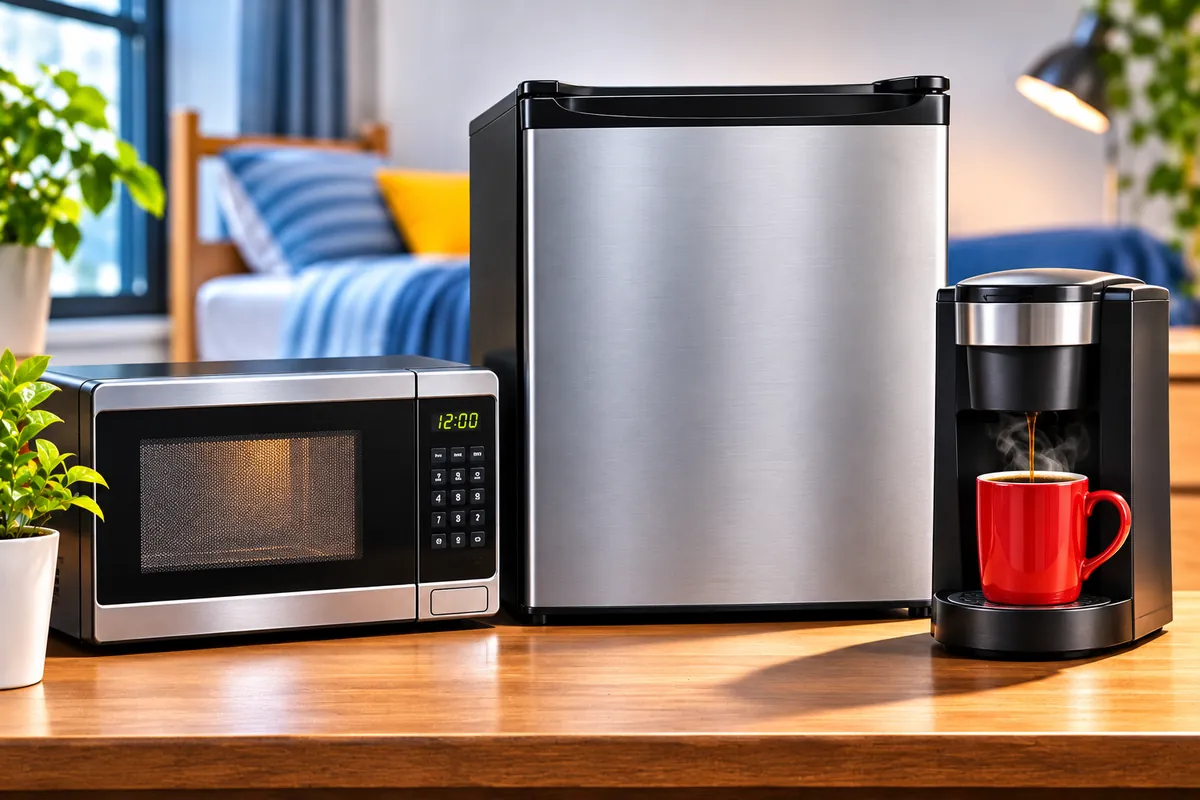
The most popular dorm appliances can make college life more convenient, but the best choices depend on your residence hall’s rules, available space, and daily routine. A compact mini fridge is useful for keeping drinks and snacks cold, while an approved microwave makes reheating meals easier. Coffee makers, fans, air purifiers, and small vacuums can also help, but not every student needs them.
Before buying anything, check your college’s housing policies. Some universities permit microwaves, electric kettles, and single-serve coffee makers in student rooms. Others prohibit these appliances or require students to use shared kitchens and university-approved equipment.
Space matters too. A refrigerator that blocks a closet, a noisy fan that disturbs your roommate, or a coffee maker that takes over your desk may create more problems than it solves. The most useful appliances should fit your room, comply with electrical restrictions, and make everyday activities easier.
In this guide, we’ll compare seven practical dorm appliances, including a mini refrigerator, microwave, coffee maker, electric kettle, desk fan, air purifier, and lightweight vacuum. We’ll explain their features, limitations, space requirements, and campus-policy considerations.
You’ll also find a dorm appliance checklist, advice on sharing equipment with roommates, and recommendations for avoiding unnecessary purchases before move-in day.
Most Popular Dorm Appliances: Which Ones Do You Really Need?
For most students, refrigerated storage and access to a microwave are useful starting points. However, these appliances should only be purchased if the residence hall permits them and does not already provide suitable alternatives.
Quick Answer: 5 Dorm Appliance Essentials
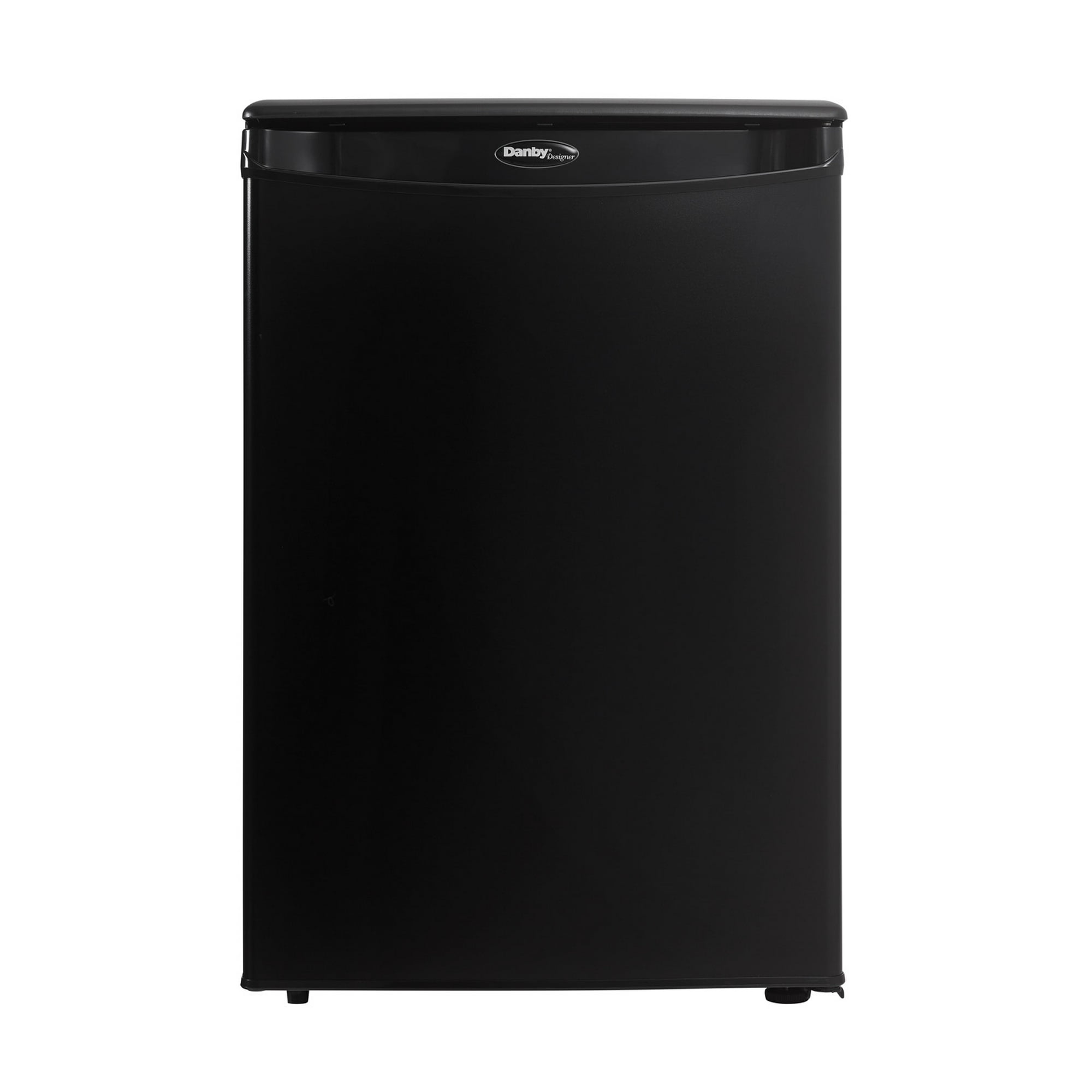
Best Mini Fridge — Danby Designer 2.6 Cu. Ft.: Compact refrigerated storage for drinks, snacks, and leftovers, with adjustable shelves and an ENERGY STAR-certified design.
Best Compact Microwave — Chefman 0.7 Cu. Ft.: A 700-watt cooking-output microwave with useful presets, a small footprint, and convenient reheating controls where permitted.
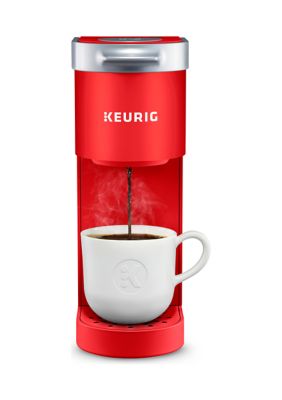
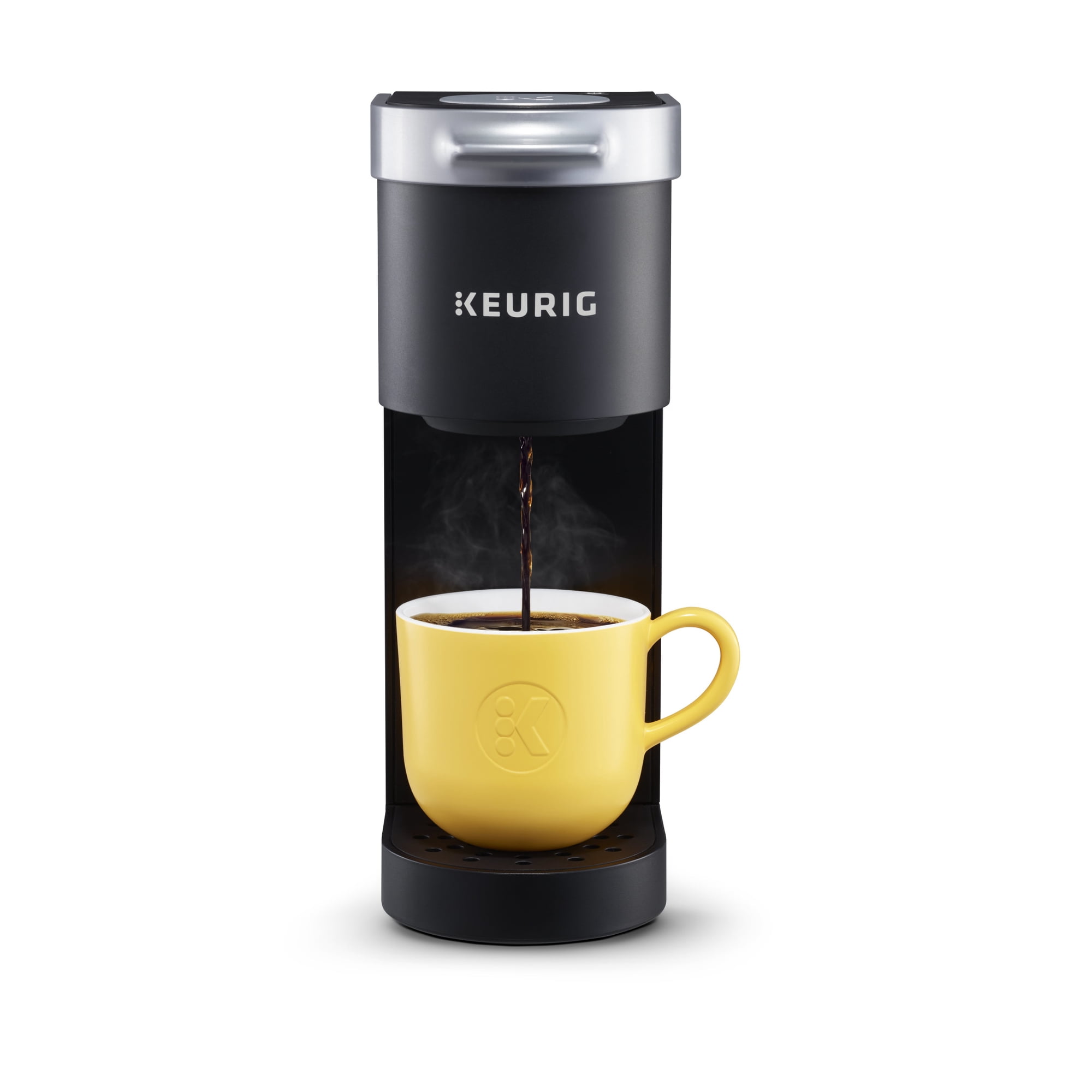
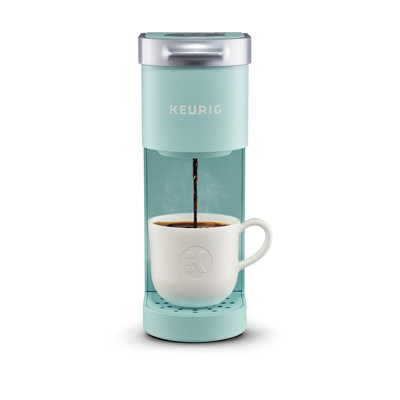
Best Small Coffee Maker — Keurig K-Mini: A narrow single-serve brewer with a one-cup reservoir, suitable for students whose housing rules allow pod coffee machines.
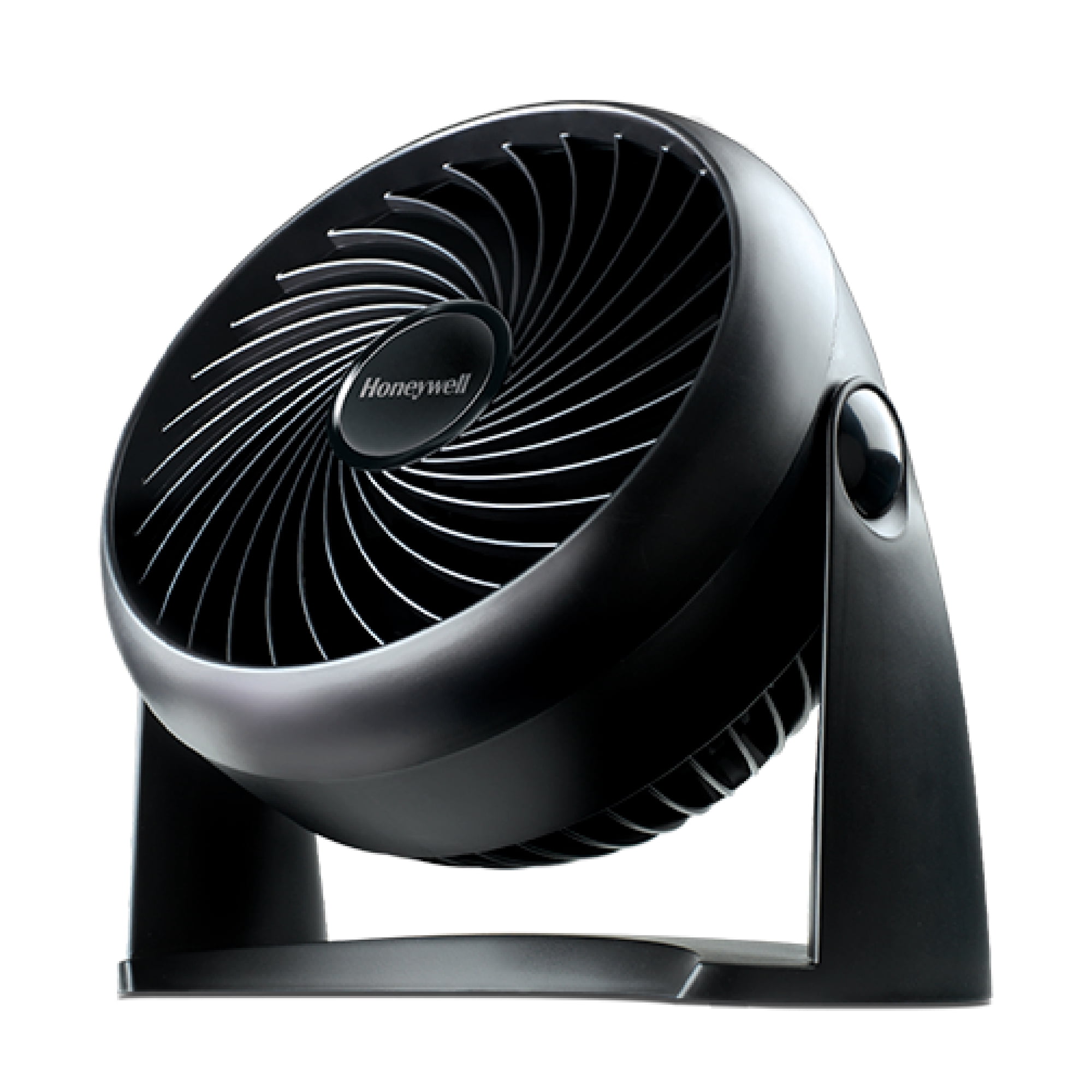
Best Compact Fan — Honeywell TurboForce HT-900: Three adjustable airflow speeds and a pivoting head make it useful for personal comfort in a small room.
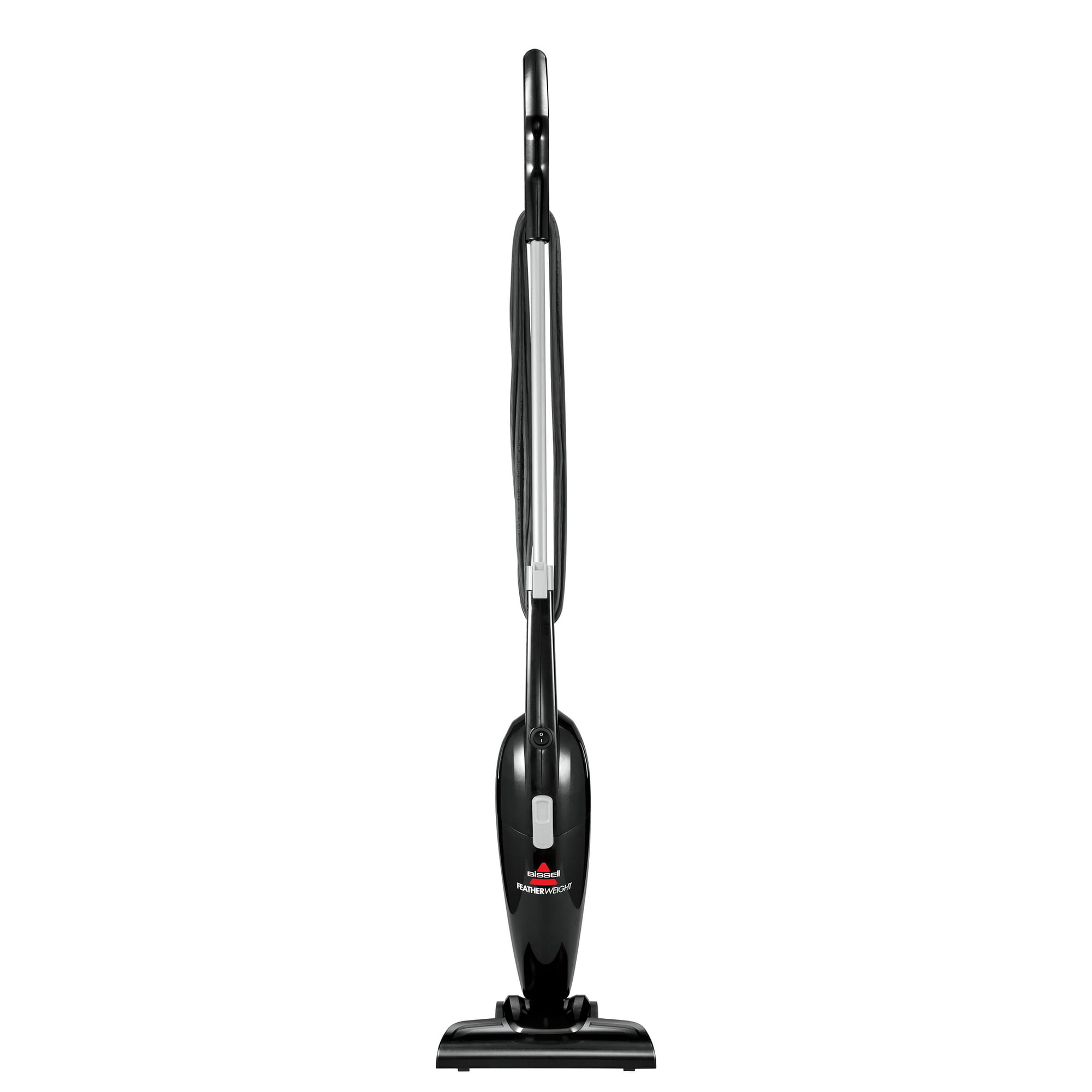
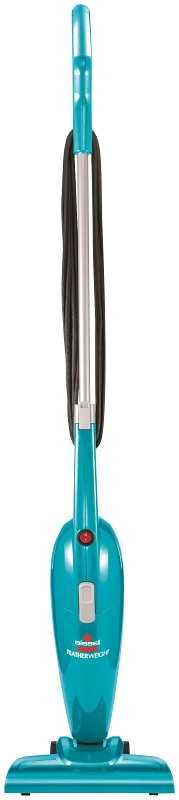
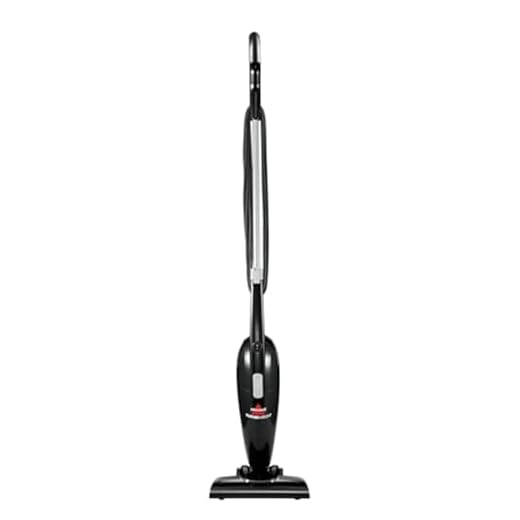
Best Lightweight Vacuum — BISSELL FeatherWeight 2033: A compact corded stick vacuum that also converts for quick cleaning of floors, stairs, and furniture.
The Hamilton Beach electric kettle and Levoit Core 200S-P air purifier complete our seven selections. Both can be useful, but they are more conditional purchases. The kettle requires explicit housing approval, while the air purifier should be chosen according to the actual room size and filtration needs.
Check Your College’s Appliance Rules Before Shopping
Your university’s current residence hall policies should determine which appliances you can bring. A product marketed as dorm-friendly is not necessarily approved for use in your room.
Permitted Appliances and Housing Differences
University policies vary substantially. For example, Worcester Polytechnic Institute permits certain microwaves, mini fridges, electric kettles, and pod coffee makers with automatic shutoff in its residence halls.
MIT takes a different approach. Its housing guidance prohibits personal microwaves, coffee makers, electric kettles, and other cooking appliances in student rooms. Shared kitchen facilities provide alternatives.
These examples show why a general college packing list cannot replace your own school’s official instructions.
Check the rules for your exact building and room type. Apartment-style student housing may have different appliance policies from traditional residence halls.
Wattage, Certification, and Electrical Outlets
Look for electrical restrictions in the university housing handbook. Some schools limit appliance wattage, refrigerator capacity, or the number of permitted devices.
Confirm whether the school requires recognized electrical safety certification, automatic shutoff, or other specific features.
Use appliances according to both the manufacturer’s instructions and campus electrical rules. High-power heating appliances should not be connected to an ordinary extension cord or overloaded power strip.
Also check the wall outlet arrangement. Even a small microwave or kettle can create an electrical problem if too many high-demand appliances operate on the same circuit.
Provided Equipment and Roommate Coordination
Before buying a mini fridge or microwave, ask whether the residence already provides one or has a school-approved rental program.
Talk with your roommate about shared equipment. Two refrigerators may be unnecessary when one approved appliance meets both students’ needs.
Agree on who purchases the equipment, how it will be maintained, and what happens when the school year ends.
How We Selected These Dorm Appliances
We chose seven commonly recommended appliance categories based on everyday usefulness, small-room suitability, manufacturer specifications, U.S. availability, and dorm housing restrictions.
Recent dorm-equipment coverage from Popular Mechanics and other consumer publications helped identify recurring needs such as cold food storage, reheating, coffee preparation, airflow, and cleaning.
Our individual recommendations emphasize capacity, footprint, useful functions, maintenance, and purchase value rather than the largest number of features.
We also considered when students should skip an appliance entirely because a roommate, dining hall, or communal kitchen already provides the same function.
These are editorial recommendations, not a verified ranking of nationwide appliance sales. Discompare did not conduct original laboratory or hands-on testing of the seven selected products.
Best Dorm Appliances Compared
These seven products serve different purposes. Compare their specifications and practical limitations before deciding which belong on your move-in list.
| Appliance | Key Specification | Best For | Main Limitation | Policy Check |
|---|---|---|---|---|
| Danby DAR026A1BDD | 2.6 cu. ft., approximately 17.7 in. wide | Food and drink storage | No freezer | Capacity and location allowance |
| Chefman RJ55-7-V2 | 0.7 cu. ft., 700W cooking output | Reheating meals | Small interior | Microwave and electrical rules |
| Keurig K-Mini | 4.5 in. wide, single-cup reservoir | Coffee before class | Refill for every brew | Coffee-maker policy |
| Hamilton Beach 40998 | 1-liter capacity | Hot water | Heating appliance | Kettle and wattage rules |
| Honeywell HT-900 | 3 speeds, 90-degree tilt | Personal airflow | Does not lower room temperature | Electrical placement |
| Levoit Core 200S-P | 90 CFM CADR | Supplemental particle filtration | Recurring filter costs | Approval and ventilation clearance |
| BISSELL FeatherWeight 2033 | 2.6 lb, 15-ft. cord | Basic floor cleaning | Limited deep-carpet performance | Shared cleaning equipment |
Every appliance should be checked against the specific residence hall’s rules. Features such as automatic shutoff or a compact footprint do not guarantee university approval.
The 7 Most Useful Dorm Appliances






1. Danby Designer 2.6 Cu. Ft. — Best Dorm Mini Fridge
Best For: Students who need personal refrigerated storage for snacks, beverages, and suitable leftovers.
A mini fridge is one of the most useful dorm appliances when a student doesn't have convenient access to shared refrigeration.
The Danby Designer DAR026A1BDD provides 2.6 cubic feet of refrigerated space. Its interior includes adjustable wire shelves, tall bottle storage, and a CanStor beverage-dispensing compartment.
Danby also includes automatic defrost, a mechanical thermostat, and a reversible door hinge. The refrigerator is ENERGY STAR-certified.
At approximately 17.7 inches wide, 20.1 inches deep, and 27.4 inches high, it is compact but still requires meaningful floor or countertop space.
One important limitation is its all-refrigerator design. It does not have a dedicated freezer compartment. Therefore, students who want to store frozen meals or ice cream should consider a suitable refrigerator-freezer instead.
Food safety also matters. Keep refrigerated perishables at 40°F or below, using an appliance thermometer rather than assuming that the thermostat setting guarantees a safe temperature.
Follow Danby's installation instructions for ventilation clearances, door movement, and safe electrical connection.
Our Verdict: A practical option for students who need basic cold storage without the complexity of a separate freezer compartment.
Pros
✅ 2.6 cubic feet of refrigerated storage.
✅ ENERGY STAR-certified design.
✅ Adjustable shelves and door storage.
✅ Reversible door and automatic defrost.
Cons
❌ No separate freezer compartment.
❌ Requires space and proper ventilation.
❌ Can be redundant when housing provides refrigeration.
Who Should Skip It: Students whose residence provides suitable refrigeration or who require dependable frozen-food storage.
Alternative: A university-approved MicroFridge rental or a permitted two-door compact refrigerator.
Campus approval: Check maximum capacity, installation location, energy requirements, and rules for personal refrigerators.
2. Chefman 0.7 Cu. Ft. — Best Compact Dorm Microwave
Best For: Students who want to reheat prepared meals, leftovers, and simple microwave-safe foods where personal microwaves are permitted.
The Chefman RJ55-7-V2 provides a 0.7-cubic-foot interior and 700 watts of microwave cooking output.
Its features include six cooking presets, ten power levels, a 30-second quick-start function, memory settings, Eco Mode, and a mute option.
The microwave also includes a child safety lock and dishwasher-safe glass turntable.
Its exterior measures approximately 17.5 inches wide, 12.9 inches deep, and 9.5 inches high. Despite the compact dimensions, students must leave enough additional space for ventilation and safe door operation.
The 700-watt specification describes microwave cooking output, not necessarily the total electricity drawn from the wall outlet.
This distinction is important because some universities specify maximum electrical input or appliance wattage. Check the manufacturer's electrical rating and your housing requirements rather than using cooking output alone.
Also, a microwave should not be placed directly on top of another appliance unless both manufacturers and the university explicitly permit that arrangement.
Our Verdict: A compact reheating option for students whose residence allows a personal microwave and provides adequate space for safe installation.
Pros
✅ Compact 0.7-cubic-foot capacity.
✅ Six presets and ten power levels.
✅ Mute and Eco Mode options.
✅ Easy-clean glass turntable.
Cons
❌ Limited room for large dishes.
❌ Prohibited in some residence halls.
❌ Electrical input must be checked separately from cooking watts.
Who Should Skip It: Students with access to an adequate communal microwave or university-supplied cooking equipment.
Alternative: An approved shared kitchen microwave or campus rental appliance.
Campus approval: Confirm microwave permission, electrical requirements, ventilation clearance, and whether only approved combination units are allowed.
3. Keurig K-Mini — Best Small Dorm Coffee Maker
Best For: Students who drink coffee regularly and want a compact single-serve brewer without a large water reservoir.
The Keurig K-Mini is approximately 4.5 inches wide, making it easy to position on a narrow countertop or approved beverage station.
It uses K-Cup pods and allows users to add fresh water for each brew. Depending on the specific brewer version, Keurig lists single-cup brewing in the approximately 6–12-ounce range.
The K-Mini also provides cord storage, a removable drip tray for taller mugs, and automatic energy-saving shutoff.
Its biggest advantage is convenience. Students can prepare one cup without setting up a traditional drip coffee maker.
However, recurring pod purchases add to ownership costs. The machine also requires regular cleaning and descaling according to the manufacturer's instructions.
University restrictions are a major consideration. MIT prohibits coffee makers in student rooms, while WPI permits certain automatic-shutoff pod coffee makers.
Therefore, a compact design and automatic shutoff do not automatically make the K-Mini suitable for every dorm.
Our Verdict: A useful personal coffee maker for students who regularly drink coffee and have explicit permission to operate a pod brewer in their room.
Pros
✅ Approximately 4.5-inch-wide design.
✅ Simple single-serve brewing.
✅ Automatic shutoff.
✅ Cord storage and removable drip tray.
Cons
❌ Requires water for each brew.
❌ Coffee pods create ongoing costs.
❌ Not permitted in all student rooms.
Who Should Skip It: Students who rarely drink coffee, have access to inexpensive communal coffee, or live in housing that prohibits personal brewers.
Alternative: An approved shared coffee station or another permitted brewing method.
For other convenient brewing formats, read our coffee makers for busy mornings guide.
4. Hamilton Beach 40998 — Best Electric Kettle Where Permitted
Best For: Students who regularly need hot water for tea, hot chocolate, or foods prepared according to their package instructions.
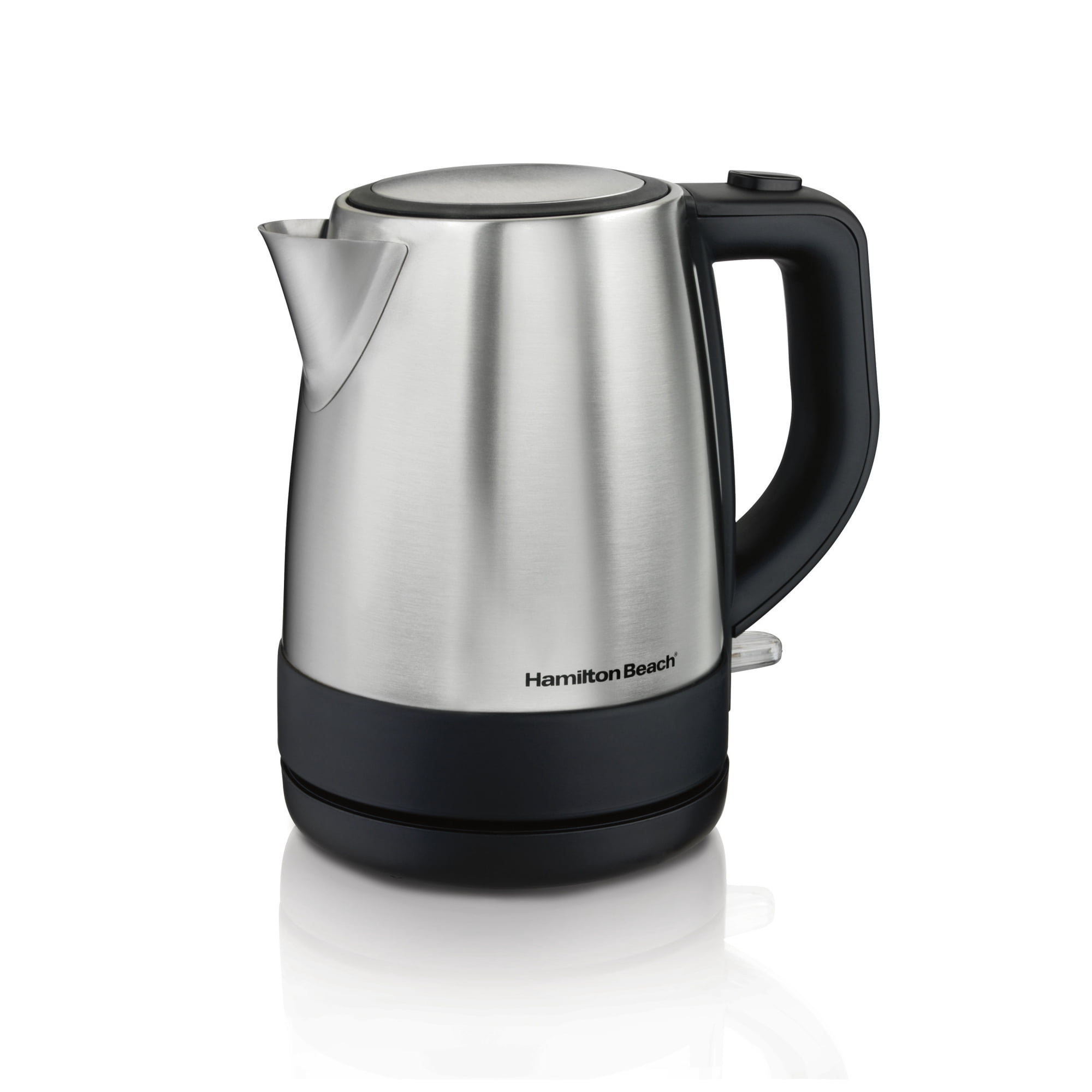
The Hamilton Beach 40998 is a 1-liter stainless-steel electric kettle with a concealed heating element.
Its features include automatic shutoff, boil-dry protection, a water-level window, removable mesh filter, and cord-free serving from the heating base.
The relatively small capacity works well for one or two people without requiring a large countertop kettle.
However, electric kettles are heating appliances, so campus permission matters more than compact dimensions.
Even when an electric kettle includes automatic shutoff, some universities prohibit it in student rooms. Others permit kettles only when they meet specific electrical or safety requirements.
Never operate an electric kettle unattended, use it without sufficient water, or place it near bedding and combustible materials.
Also, don't assume that a kettle makes food safe merely by heating water. Follow the preparation and temperature instructions for the food being prepared.
Our Verdict: A convenient hot-water appliance for students whose residence explicitly permits electric kettles.
Pros
✅ Compact 1-liter capacity.
✅ Automatic shutoff and boil-dry protection.
✅ Concealed heating element.
✅ Cord-free serving.
Cons
❌ Prohibited in some residence halls.
❌ Requires appropriate electrical capacity.
❌ No variable temperature selection.
Who Should Skip It: Students with access to convenient hot water through a communal kitchen, approved microwave, or dining facility.
Alternative: A university-approved shared hot-water dispenser.
Campus approval: Confirm that electric kettles are allowed, check automatic-shutoff requirements, and verify electrical limits before purchasing.
5. Honeywell TurboForce HT-900 — Best Compact Dorm Fan
Best For: Students who need personal airflow while studying, sleeping, or spending time in a room without convenient air conditioning.
The Honeywell TurboForce HT-900 is a compact air circulator with three adjustable speeds.
Its fan head pivots through approximately 90 degrees, allowing users to direct airflow toward a desk, bed, or another suitable location.
Honeywell also provides a removable grille for cleaning. The compact design can be placed on a stable table or floor, subject to the manufacturer's installation requirements.
A fan can make a student feel more comfortable by increasing air movement. However, it does not actively lower the room's air temperature in the way an air conditioner does.
This distinction matters during very hot weather. If a dorm room becomes dangerously hot, using a small fan alone may not provide adequate protection from heat-related illness.
Roommates should also discuss fan placement and nighttime noise. Airflow directed across one person's desk may disturb someone sleeping nearby.
Our Verdict: An affordable, useful air-circulation option for students who need more personal airflow without adding a large appliance.
Pros
✅ Three airflow speeds.
✅ Adjustable 90-degree fan-head tilt.
✅ Compact table or floor placement.
✅ Removable grille for maintenance.
Cons
❌ Does not reduce room air temperature.
❌ Airflow noise may disturb roommates.
❌ No automatic room-temperature control.
Who Should Skip It: Students who already have adequate airflow or who require actual air-conditioning equipment rather than a fan.
Alternative: A compact oscillating fan when wider room coverage is more important than directional airflow.
Campus approval: Check permitted electrical devices and avoid obstructing windows, exits, or required ventilation openings.
6. Levoit Core 200S-P — Best Optional Dorm Air Purifier
Best For: Students seeking supplemental airborne-particle filtration in a small room where personal air purifiers are allowed.
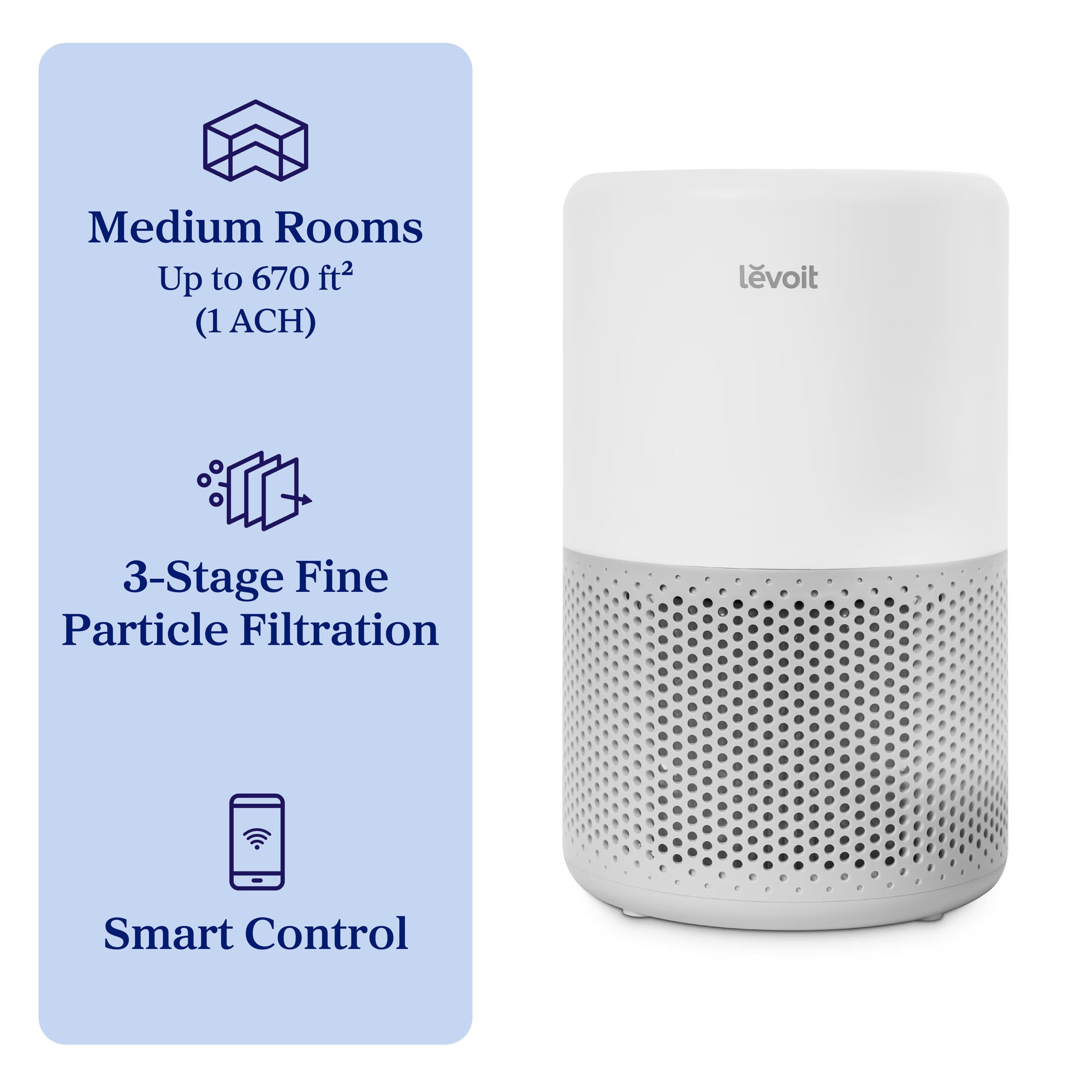
The Levoit Core 200S-P is a compact smart air purifier with a clean air delivery rate, or CADR, of 90 cubic feet per minute.
Levoit rates it for approximately 140 square feet at 4.8 air changes per hour. This is a more useful sizing reference than its much larger 672-square-foot marketing figure, which is based on only one air change per hour.
The purifier includes app controls, scheduling, sleep mode, voice-assistant compatibility, and a replaceable filtration system.
Levoit specifies operating noise between approximately 27 and 48 decibels, depending on the setting.
The Core 200S-P can be appropriate for smaller dorm rooms, but its performance depends on room size, ceiling height, fan speed, placement, and filter condition.
The EPA recommends selecting portable air cleaners using CADR appropriate for the actual room. It also cautions that no air cleaner removes every type of indoor air pollution.
For larger dorm rooms, this model may be undersized. Additionally, filters require periodic replacement, adding to ownership costs.
Our Verdict: A sensible optional air purifier for smaller dorm rooms, provided its airflow matches the space and the university permits the appliance.
Pros
✅ 90 CFM CADR for small-room filtration.
✅ Smart controls and scheduling.
✅ Compact 8.1-inch footprint.
✅ Sleep mode for nighttime operation.
Cons
❌ Ongoing replacement-filter expense.
❌ Limited airflow for larger rooms.
❌ Does not replace ventilation or remove all pollutants.
Who Should Skip It: Students whose rooms already have adequate filtration or whose budgets are better directed toward essential equipment.
Alternative: Levoit Core Mini-P for a smaller personal area, although its lower airflow is less suitable for whole-room filtration.
For additional models and realistic CADR comparisons, explore our best Levoit air purifiers guide.
7. BISSELL FeatherWeight 2033 — Best Lightweight Dorm Vacuum
Best For: Students who need a simple, inexpensive vacuum for hard floors, rugs, and quick cleanups.
The BISSELL FeatherWeight 2033 is a lightweight corded stick vacuum that weighs approximately 2.6 pounds.
It includes a 15-foot power cord, 0.67-liter dust cup, floor nozzle, and crevice tool.
The vacuum can be configured for upright floor cleaning, stair cleaning, and handheld use, making it practical for small dorm rooms.
Because the appliance is corded, students do not need to recharge a battery before cleaning. However, they must manage the cord and keep it away from walkways.
The FeatherWeight's compact construction is convenient for dorm storage, but it is not designed to replace a powerful deep-carpet vacuum.
Its relatively small dust cup also needs frequent emptying. Students should clean its filter according to BISSELL's instructions to maintain useful suction.
Before buying, ask whether your residence hall provides communal vacuum cleaners. Shared equipment may make a personal vacuum unnecessary.
Our Verdict: A practical basic cleaning appliance for smaller rooms with hard floors or low-pile rugs.
Pros
✅ Lightweight 2.6-pound construction.
✅ Converts between floor and handheld use.
✅ No battery charging required.
✅ Compact storage and simple controls.
Cons
❌ Limited deep-carpet cleaning capability.
❌ Small dust cup.
❌ Cord can be inconvenient in shared spaces.
Who Should Skip It: Students whose residence provides cleaning equipment or who need stronger deep-carpet performance.
Alternative: A communal vacuum, compact handheld cleaner, or another cleaning tool suited to the room's flooring.
For students living in larger apartments, our cordless vacuum cleaner comparison covers more capable options.
Dorm Appliances We Considered but Didn't Select
Several additional appliances may seem useful, but they are often unnecessary or restricted in traditional residence halls.
Air fryers: Convenient for cooking, but many universities restrict them to full kitchens because they produce significant heat. Students with approved apartment-style kitchens can explore our compact air fryer guide.
Toasters and toaster ovens: Often prohibited in student rooms due to heat and fire concerns.
Rice cookers: Potentially useful in permitted shared kitchens or apartment-style residences, but not universally approved for bedrooms.
Portable space heaters: Frequently restricted because of electrical loads and fire hazards.
Portable air conditioners: May require housing approval, suitable window installation, or a documented accommodation.
Portable ice makers: Take up additional space and may be unnecessary when students already have access to ice or refrigeration.
The correct approach is to review your school's current rules before purchasing any heating, cooling, or food-preparation appliance.
How to Choose Dorm Appliances Without Wasting Money
Measure Your Room and Available Space
Measure the location where an appliance will sit, including width, depth, height, and the clearance required for ventilation and safe operation.
For refrigerators, consider the door swing and whether shelves or drawers can open fully.
For microwaves and coffee makers, allow sufficient space for the lid, door, and any required airflow.
Also remember that a dorm desk is primarily a study surface. Avoid filling it with equipment that reduces your usable workspace.
Our home organization tools guide explains how to choose storage based on actual dimensions rather than appearances.
Understand Microwave Cooking Watts and Input Power
Microwave cooking watts describe the energy delivered for heating food. Electrical input power reflects what the appliance draws from the electrical supply.
The two numbers are not necessarily equal.
Therefore, a microwave advertised as a 700-watt model may have a higher electrical input rating.
When campus housing imposes a wattage limit, confirm the correct electrical specification on the appliance label or manufacturer documentation.
Check Electricity and Ongoing Costs
Initial purchase price is only one expense.
A mini fridge uses electricity continuously, while coffee makers, microwaves, and kettles typically operate for shorter periods at higher power.
Other ongoing costs include coffee pods, water filters, replacement air-purifier filters, and cleaning supplies.
Check whether the university charges separately for electricity or includes it in residence fees. Avoid making assumptions about appliance operating costs without knowing actual usage and electricity rates.
Share Equipment With Roommates
Coordinate purchases before move-in day. Sharing an approved refrigerator, microwave, or cleaning appliance may reduce costs and save space.
Agree on ownership, cleaning responsibilities, and how shared equipment will be handled when students move out.
Also consider noise. A roommate may prefer a quieter fan or may not want a coffee maker operating during early-morning hours.
Compare Purchasing With Campus Rentals
Some universities offer refrigerator and microwave rentals or approved combination units.
Renting can reduce moving and storage responsibilities, especially for students who live far from campus.
However, the rental's total cost across the school year should be compared with the purchase price, maintenance responsibilities, and future usefulness.
Before renting or purchasing, confirm the appliance configuration is approved for your particular residence.
Which Dorm Appliances Are Usually Prohibited?
High-heat cooking devices and appliances with exposed heating elements are commonly restricted in traditional dorm rooms.
Typical restricted categories can include hot plates, toaster ovens, electric grills, portable space heaters, and certain countertop cookers.
However, specific rules differ across institutions and buildings. For example, WPI permits selected automatic-shutoff appliances in all housing locations but reserves other cooking devices for full kitchen areas.
MIT prohibits personal cooking appliances in student rooms, including microwaves, pod coffee makers, and electric kettles.
Don't rely on social media packing lists or retail descriptions to establish permission.
Use the current official housing handbook and contact the residence life or housing office if an appliance isn't clearly addressed.
How to Set Up a Safe Dorm Appliance Station
Place approved appliances where they can operate safely without blocking study space, exits, or airflow.
For refrigeration, follow the manufacturer's ventilation requirements and keep the appliance positioned on a stable surface.
For microwaves, kettles, and coffee makers, use an approved outlet arrangement and keep the appliances away from bedding, papers, and other combustible materials.
Keep liquids away from computers, chargers, and extension connections.
A separate small storage area can help organize cups, coffee supplies, cleaning materials, and other accessories without covering the main desk.
Our office storage solutions guide includes useful approaches to keeping supplies and cables organized in small workspaces.
Never install shelves or heavy appliances in a way that violates university furniture or wall-mounting rules.
Dorm Move-In Appliance Checklist
Use this checklist before buying or packing appliances for college.
Before Purchasing
- Read the current housing appliance policy for your exact building.
- Confirm permitted refrigerator capacity and microwave wattage.
- Ask whether appliances are provided or available to rent.
- Coordinate purchases with your roommate.
- Measure the intended floor, counter, or desk space.
- Check product model numbers, electrical ratings, and safety features.
- Compare current retailer prices and included warranties.
Before Moving In
- Keep the manufacturer manuals and purchase information.
- Check that all required cords and accessories are included.
- Inspect the appliance for damage before use.
- Plan where to store cleaning supplies and replacement parts.
- Transport refrigerators according to manufacturer guidance.
- Confirm whether the residence requires appliance registration or inspection.
After Arrival
- Install appliances on stable, approved surfaces.
- Maintain required ventilation and door clearances.
- Connect devices only through permitted electrical arrangements.
- Check refrigerator temperatures before storing perishable food.
- Agree on shared cleaning routines.
- Remove unnecessary appliances if they make the room overcrowded.
Students who keep the setup minimal can preserve more room for studying, sleeping, and everyday activities.
Frequently Asked Questions
What are the most useful appliances for a college dorm room?
A mini fridge and access to a microwave are useful for many students, provided the university allows them. A compact fan, coffee maker, and small vacuum can also help. Electric kettles and air purifiers are more conditional purchases depending on housing policies and individual needs.
Are mini fridges allowed in dorm rooms?
Many universities permit compact refrigerators, but size, capacity, electrical, and placement rules vary. Some schools provide refrigerators or approved rentals. Always confirm your specific residence hall's policies before purchasing one.
Can you have a microwave in a college dorm?
It depends on the university. WPI permits qualifying microwaves with automatic shutoff, while MIT prohibits personal microwaves in student rooms. Some campuses require approved combination appliances or provide communal microwaves. Check current housing rules and electrical limits.
Are electric kettles and coffee makers allowed in dorms?
Some universities permit automatic-shutoff electric kettles and pod coffee makers, while others prohibit them in student rooms. A built-in safety feature does not override campus policy. Confirm approval before bringing either appliance.
Are air fryers allowed in college dorm rooms?
Air fryers are often restricted because they are high-heat cooking appliances. Some universities permit them in designated full kitchens rather than student bedrooms. Check the housing handbook before buying an air fryer for college.
Is an air purifier worth buying for a dorm room?
It can be useful when supplemental particle filtration is needed and the residence permits it. Choose according to CADR and actual room size rather than the largest advertised coverage figure. Remember that filters require replacement and an air purifier does not replace proper ventilation.
How can students save money on dorm appliances?
Check what the residence provides, coordinate shared purchases with roommates, compare rentals against buying, and prioritize appliances that solve real daily needs. Buying fewer well-chosen products often saves more money and space than purchasing every item from a generic college packing list.
Final Verdict: Which Dorm Appliances Are Worth Buying?
The most popular dorm appliances are useful only when they fit your room and comply with your university's rules.
Start with refrigeration and food preparation if you need them. The Danby Designer 2.6 Cu. Ft. refrigerator is a practical cold-storage option, while the Chefman 0.7 Cu. Ft. microwave can make simple reheating easier where permitted.
The Keurig K-Mini is a convenient personal coffee maker, but its usefulness depends on your routine and campus policy.
For room comfort, the Honeywell TurboForce HT-900 provides straightforward airflow. The Levoit Core 200S-P is an optional filtration upgrade for appropriately sized small rooms.
The Hamilton Beach kettle is worth considering only when the residence permits it, while the BISSELL FeatherWeight provides simple floor cleaning when communal equipment is unavailable.
Before move-in, check the housing handbook, coordinate with roommates, measure your available space, and avoid duplicate purchases.
Bottom line: A compact refrigerator, approved microwave, small coffee maker, fan, and lightweight vacuum can make dorm life easier. Electric kettles and air purifiers are optional choices. The smartest college appliance setup is not the one with the most devices; it is the one that meets your daily needs while preserving space, safety, and compliance with residence hall rules.
Sources
- Worcester Polytechnic Institute — Residence Hall Policies — Current Housing Guidance
- Massachusetts Institute of Technology — What to Bring — Residence Hall Appliance Restrictions
- Popular Mechanics — The Top 10 Dorm Gadgets Our Editors Recommend for Small Spaces
- Danby — Designer 2.6 Cu. Ft. Compact Refrigerator DAR026A1BDD — Official Specifications
- Levoit — Core 200S-P Smart Air Purifier — Official Product Specifications
Product Groups: Danby DAR026A1BDD 2.6 Cu Ft Compact Refrigerator, Chefman RJ55-7-V2 0.7 Cu Ft Digital Microwave, Keurig K-Mini Single Serve Coffee Maker, Hamilton Beach 40998 1 Liter Electric Kettle, Honeywell TurboForce HT-900 Fan, Levoit Core 200S-P Smart Air Purifier, BISSELL FeatherWeight 2033 Stick Vacuum