
Original price was: $430.99.$263.99Current price is: $263.99.
Cecilio Solid Wood Cello, CCO-300, Full Size Price comparison


Cecilio Solid Wood Cello, CCO-300, Full Size Price History
Cecilio Solid Wood Cello, CCO-300, Full Size Description
Cecilio Solid Wood Cello, CCO-300: The Ideal Partner for Aspiring Musicians
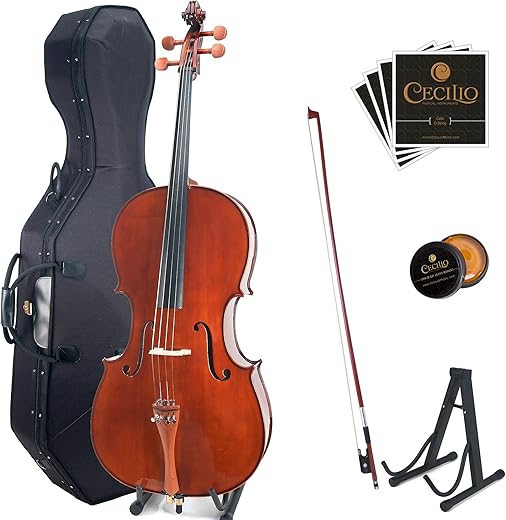
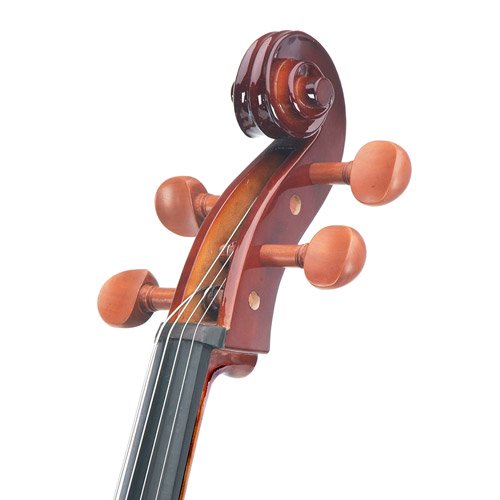
The Cecilio Solid Wood Cello, CCO-300, is a full-size string instrument designed for both budding musicians and seasoned players looking to enhance their sound. With meticulous craftsmanship and quality materials, this cello promises an enriching playing experience. If you’re searching for a reliable and affordable cello, you’ve come to the right place. Here, we compare prices, reviews, and features to help you make an informed decision.
Key Features of the Cecilio Solid Wood Cello, CCO-300
- Full Size (4/4) Designed for adult players, ensuring comfort and playability.
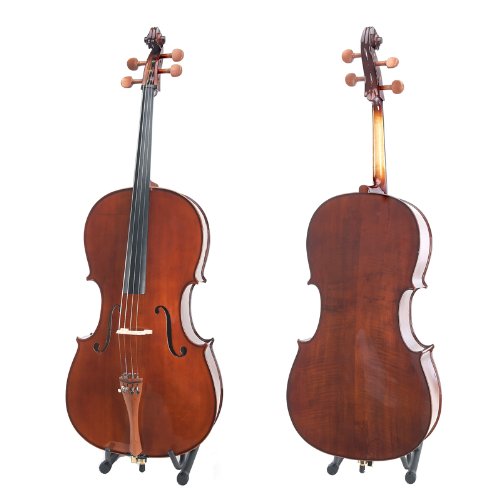
- Superior Materials Made from high-quality spruce top, maple back, and boxwood fittings, delivering a warm, rich tone.
- Lightweight Design Weighing just 1 pound, this cello is easy to handle and transport.
- Durable Construction Built to last, the Cecilio CCO-300 is not discontinued by the manufacturer, ensuring ongoing support.
- Alloy Steel Strings Offers excellent durability and stability, providing consistent performance for practice and performances.
Comparison of Prices Across Suppliers
When it comes to pricing, the Cecilio Solid Wood Cello, CCO-300 is competitively priced across various suppliers. Based on recent comparisons, the average price ranges between $400 and $550. Some retailers may offer seasonal discounts or bundled accessories, adding extra value. Check frequently for the best deal and be sure to track any price changes over time.
6-Month Price History Trends
According to our 6-month price history chart, the Cecilio CCO-300 has exhibited some interesting trends. Initial prices fluctuated, with peaks during the holiday season. However, a steady decline in pricing has been noted over the last two months, making it an excellent time to purchase your cello at a lower cost.
Customer Reviews: What Users Are Saying
The Cecilio Solid Wood Cello, CCO-300, has received mixed but generally positive feedback from users. Here’s a summary of customer opinions:
- Positive Aspects: Many users praise the cello’s build quality and sound. They appreciate the rich tones produced by the spruce and maple materials, making it ideal for both practice and performance.
- Notable Drawbacks: A few reviews pointed out that the included accessories, such as the bow and case, may not meet professional standards, suggesting that beginners may need to invest in higher-quality accessories.
Unboxing and Review Videos
For a comprehensive look at the Cecilio CCO-300, we recommend watching unboxing and review videos available on platforms like YouTube. These videos provide an interactive view of the cello’s features, sound quality, and overall aesthetic. Viewers will find valuable insights from musicians who have tested the cello and sharing their experiences. Engaging with these videos can help you visualize and understand the product better before making a purchase decision.
Why Choose Cecilio Solid Wood Cello, CCO-300?
The Cecilio Solid Wood Cello, CCO-300, stands out in the crowded market of string instruments due to its combination of quality materials and affordability. Whether you are a novice or an experienced cellist, this instrument will elevate your playing experience. With the ability to produce rich tones and a design that emphasizes comfort, it’s a reliable choice.
Purchasing a cello involves investment and consideration. With the Cecilio CCO-300, you’re bound to receive exceptional value for your money. Moreover, the ongoing support from the manufacturer ensures that your investment is protected over time.
If you’re ready to take the plunge into the world of cello music, now is the perfect time to consider the Cecilio Solid Wood Cello, CCO-300. Don’t miss out on the opportunity to own an instrument that promises quality, craftsmanship, and performance.
Compare prices now!
Cecilio Solid Wood Cello, CCO-300, Full Size Specification
Specification: Cecilio Solid Wood Cello, CCO-300, Full Size
|
Cecilio Solid Wood Cello, CCO-300, Full Size Reviews (7)
7 reviews for Cecilio Solid Wood Cello, CCO-300, Full Size
Only logged in customers who have purchased this product may leave a review.


NaoDay –
Beautiful for a beginner cellist!
Amazon Customer –
Good instrument for the price. Arrived in good condition with sound post intact. Probably, not for a beginner as some set up is required – bridge, and rosin needs sanding to deliver residue to the bow for it to catch the strings properly. As a violist who always fancied a cello this was a great purchase. Lots of accessories and the sound is very good.
Claude R. –
It look good but found some scratches on the cello return for refund
THX1138 –
First off, this is my first violincello, but I learned to play the violin 40 years ago. If you have absolutely no knowledge of orchestral string instruments, I would advise you not to buy this. Go to a local string shop and rent a student cello from there and get some experience first. You might spend $50-$75/month to rent, but in some cases you can rent to own. You’ll get a cello that is already setup, and possibly higher quality, if not more dinged up, and some “history” if you’re into that feeling.
If you are up for an adventure, then read on!
First, I bought the package that came with a soft case, hard case, a “cello stand”, entry level cello, bow, one extra set of strings, and a rosin cake.
Things you will need to buy on your own:
1. a chair. playing the cello requires a certain playing position, and so you can’t use just any chair. You want one that tilts you forward, is the height that allows your legs to bend at a 90 degree angle at the hips and the knees, and maybe has some padding but not too much. You don’t want anything that swivels either. You might have a chair like this already at home, but if not you will need a solution. Don’t try to make do with a chair that is too low or high, or tilts you backwards, you’ll hurt yourself and be super fatigued after practicing, and will grow to hate playing.
2. a music stand. You can get a cheap foldable stand for holding paper music
3. a proper cello stand. Yes, the package I bought came with a “cello stand”. So why do I suggest you need to get cello stand? The one pictured in the product page, and that I received is actually a guitar stand. This is a problem for several reasons. First, it sits low to the ground. You have to push the end pin back in to use the stand. Do you want a stand you can set your cello in briefly during practice or performance? The guitar stand isn’t going to do it. Second, it rests on two lower arms and the back of the cello rests against a foam pad at the top of the stand triangle. Because this is a guitar stand, the contact points are very close together as the body of a guitar is much smaller that that of a cello. These contact points allow for your cello to be knocked off easily. Third, there is no place to hang the bow, because guitars don’t use bows.
4. peg dope. no, not weed for your pegs. this is a compound you can apply to keep the pegs from slipping, if you have that problem. Mine appear to be fine, but I also already have peg dope for my violin if the need arises.
5. end pin holder. OK, you may not need one right away (see below for a discussion of the end pin on this cello), but the strap type of holder are less than 10 bucks, and you will need one eventually, and more immediately if you’re playing on a hard floor. Plus it helps you be consistent about your cello placement as you’re learning (the strap type specifically).
Expect to spend another $100 dollars or so, more if you need a chair. You’d need these things no matter what, so just plan to get them somehow.
OK, now a review of the components of the kit:
1. the stand. See above. It’s a guitar stand, give it to a friend who plays guitar and get a proper cello stand if you want/need one.
2. the soft case. This is more of a dust cover than a case. It has minimal padding, and there is no extra padding around the bridge nor for the scroll, so those sensitive components could be easily banged around if you use the soft case for transport.
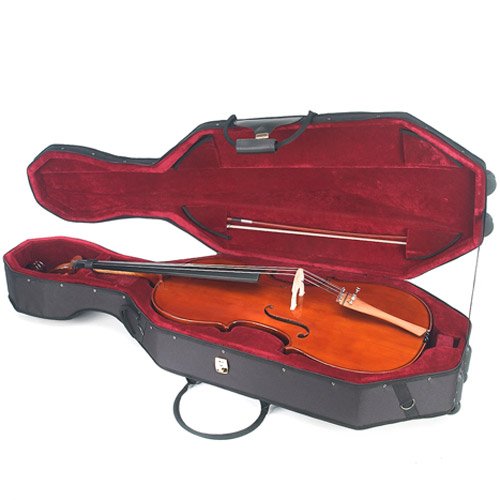
3. the hard case. The hard case seems nice, it’s a zipper style case covered in fabric. I has wheels, a carry strap, and a handle. It’s velour lined o n the inside, but no padding. It has two sets of velcro straps for holding up to two bows. It also has a useless latch and lock combo that came with no key, and the clasp is on a fabric wing that could be easily cut off. Not really sure why there is a locking latch. It’s acceptable for this level of cello, and this is the case I would use to take it places.
4. the bow. It’s a typical entry level bow, and relatively heavy, but serves the purpose.
5. the strings. These are cheap strings. If you’re learning, just use them till they wear out and replace with better ones.
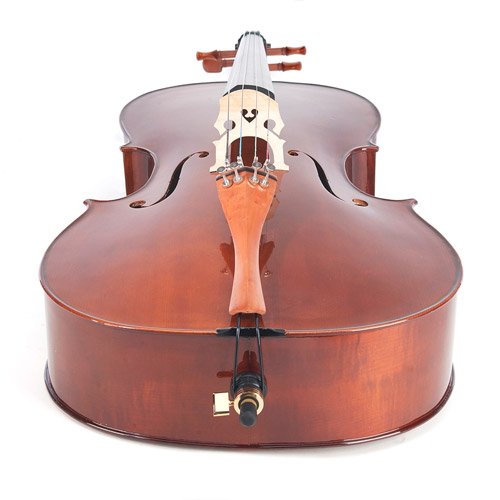
6. the cello. It’s made of real wood, it’s cello shaped, and it has a finish in all the right areas. It looks decent, sounds decent, and I had no major quality issues. The finish on the back of mine has fine scratches all over it, I’m guessing from shipping. The tailpiece is aluminum with one piece fine tuners, which is nice. Mine has an issue with the A string, the tuning screw will pop off the tuning lever if it’s turned down too much. The other thing about this cello is the end-pin. First, it’s pegged into the body, so it cannot be easily removed out from the end of the cello. Second, it seems to be a solid stainless steel rod, so its heavier than it needs to be. Third, it’s not sharpened, and because the end pin is pegged into the cello, it can’t be easily sharpened. The rubber cap over it seems to be meant to be used directly. It’s effective at preventing slipping on carpet, but on a hard surface probably not, once it’s covered in dust.
The setup. OK, this is where I said you’d need to invest time. The cello comes with the bridge down but pre-strung. Surprisingly the sound post made it all the way to me via UPS still in place. Normally the string tension through the bridge would ensure the sound post stays put. How it was shipped and didn’t fall is a mystery. The bridge does at least appear to have been fit to the body, but you will have to properly place it. (A funny aside, after I bought this, I saw the ad by Cecilio for their cello. Hilariously, the bridge in that video is set in the completely wrong place, so don’t use that as a guide!) After setting the bridge, you will properly tighten the strings and tune them, then go through a week or more of making major tuning adjustments as the tailpiece gut stretches out to it’s final shape. By major tuning I mean using the tuning pegs, not the fine tuners. If it continues to slip out of tune after a week or two, you might need your pegs fitted or try adding peg dope. If you’ve never used a tuning peg before or set a bridge, or have slipping pegs, then I suggest you take it to a string shop and let them do all that for you. They’ll need to keep it for a little while. You can have them put tapes on it too. That will cost you extra money, so factor that into your cost and value purchase decision.
Future upgrades. If you find yourself enjoying the cello, then you can, in the future, invest in a better balanced, lighter bow, which you can use on this cello or a better one that you upgrade to after a few years. Strings will be a must anyways, so get better strings when the cheap ones have served their purpose (you’re a beginner, so you’re not going to be playing Bach’s Cello Suite #1 anytime soon), and hear less tinny music from your cello. I don’t suggest spending any money on planetary gear tuners as they will be rather permanently affixed to this cello, nor do I suggest you need a different tailpiece, unless it breaks.
I hope you enjoy your cello journey!
Wonton –
Great condition. Very beautiful unit with the flamed back (it looks like they sanded some high spots and messed up the flames though, could have taken more care here. literally you see sand spots). The sides are not as highly flamed. The varnish is equally applied and not sloppy at all, especially around the edges. Overall I am very happy and impressed with the quality of this unit.
Real Ebony fingerboard was dyed. You can see splotches where they painted it. After playing with it for months, it still leaves black dye on the fingers. This is not the strings fault as I have washed the string thoroughly.
Pegs don’t fit well into peg box and have space around the holes. Need to bring to a luther to have the holes filled or new pegs cut to fix this. I am hoping that over time, the humidity will adjust and I don’t have to ream the holes again. Update after 3 months, this is going to be permanent. It stays in tune pretty good for the most part. But what a sloppy job and it will cost a lot to get this fixed by the luther.
Had to setup the bridge myself which is very easy. It sits really flush without need for adjustment or carving. Sound post was in the correct spot (no tool to measure though).
Came with a nice hard case with wheels, soft case, stand, rosin (light color, I used my own dark rosin), extra prelude strings. I’m not sure if this is D’adaario Prelude strings. Amazon doesn’t list it, but other Amazon vendors do (KKmusicstore), not on Cecilios website though. I tried contacting Cecilio about this and they never responded. Bad customer service on their part. I doubt they would even respond for their one year warranty.
The bow is straight and very heavy weight (should purchase a different one). When I picked up a carbon fiber one, it weighs only 1/3 the weight.
UPS delivered the unit two days earlier than expected. The box came damaged. The bow fell out of the hard case and wasn’t properly secured. I am not impressed with packaging and treatment by delivery companies. But it should have been packaged properly by the manufacture to prevent that.
Update (3 months later after purchase): The cello still sounds the same as day one. The metal strings on it are very bad. I would highly recommend changing them. There is a buzz on the C string if you don’t hold the string in a proper manner. The finger board was not properly cut. In hindsight, I would not recommend this unit. Save your money and buy something else. I was fooled into only reading the comments on Amazon.com that were good and did not consider the negative comments. In hindsight, my experience was very similar to what they had to say.
Update: April 2, 2016
I still play the cello regularly and decided not to upgrade it. I don’t perform or use it for RCM lessons/exams. It still holds up really. For the price and durability, I have increased my rating from 3 to 4 stars.
Marc –
Very good value. Expect to visit a luthier to make some minor adjustments. On mine, the fingerboard wasn’t planed exactly right, which caused the two lowest strings to rattle. It was easily remedied by replacing the bridge. I’ve played on a $1400 cello and a $700 cello before, and this Cecilio sounds much closer to the $1400 one after that fix and some better strings. The hard case is a must! I highly recommend it as a beginner’s cello, but be aware there’s a bit of a gamble.
R. Sharpe –
6-week update: I’m still happy with my purchase and still convinced it is a great value for an instrument in this price range. I replaced the strings (with “Charm” strings). The greater tension of the heaver strings caused the tailgut to fail. Turned out not to be a big deal. My luthier sold me a new, heavier one for just a few dollars and I was able to replace and restring. As others mention, it’s worth investing in better strings, a better bow (on the way), and good rosin.
I’m a 20-plus year violinist who is just starting out on the cello so I know what to look for in an instrument. The Cecilio CCO-500 is simply an amazing value. It’s not an instrument for advanced players, but for what it is, it’s a great bargain. I was lucky to get the step-up CCO-500 for just a little more than the CCO-100. A friend has a CCO-100 and the difference is significant.
After two weeks and I’m favorably impressed. I’m really glad I got the CCO-500 for the solid spruce top. The laminated top on the CCO-100 may be great for kids just for durability, but the sound really won’t develop like an instrument with a solid spruce top. Just in two weeks of playing-in the sound has opened up and deepened. I know the heavy varnish and quality of the wood will limit the ultimate sound of the instrument, but so far, I’m quite impressed with the way the sound of the instrument has opened up in just two weeks of playing.
So here’s the good and the bad of the CCO-500:
• The finish is heavy, glossy, and there are minor imperfections. It’s probably polyurethane or lacquer. That said, the varnish color is a nice brown (no “beginner orange” like on the CCO-100) and the imperfections in the finish are not glaring so overall it’s a nice-looking instrument.
• The wood is better than I expected. The spruce top has a grain that while straight, doesn’t have the tight and consistent spacing that you get in a higher-level instrument. The maple is quite nice looking with some flaming visible on the backs and sides. The pegs, and fingerboard are supposed to be ebony and appear to me to be. I sanded a visible rough spot on the back side of the fingerboard, but that was minor and easy to fix. I believe it’s supposed to be inlaid purfling, but I can’t tell for sure.
• The pegs fit reasonably well and don’t slip.
• The bridge (which I had to set up myself) fit fairly well and was not too high. The string height above the fingerboard was consistent and at a comfortable height.
• The tailpiece appears to be composite and looks fine. The fine tuners are shiny metal and look cheap and “student-y” but they all work fine so, no problem.
• The sound post was securely in place (something that worried me after reading some reviews). But my cello came well boxed and stowed inside the hard case. No damage whatsoever.
The accessories again are better than I expected, but still pretty cheap. But at this price point I’d rather the maker put their focus on the instrument and scrimp a bit on the accessories which can be replaced, so in this way, cheap accessories are preferable.
• The bow is pretty bad. I had to do a significant amount of alteration to get it to tighten the hair fully and the hair is a little scrimpy. That said, it is basically functional. However, my first upgrade will be a decent carbon fiber bow.
• The strings are OK. Not as thin and metallic as I expected so I’m not going to replace them until I’m a little more proficient, considering the cost of cello strings. An extra set is provided.
• The rosin is neatly and durably packaged in a plastic sleeve inside a sturdy fiberboard box with a hinged lid. It’s a light rosin and I’ll probably want a darker and better quality rosin. But again, serviceable. You’ll have to sand the top of the cake a bit to get the rosin to grab on the bow, but you have to do this on all rosin.
• The cases are impressive just because you get two: a hard case and a soft gig-bag. The hard case is a bit bulky, with a strangely coffin-like appearance, but with convenient wheels. The gig bag is a little thinner than ideal, but does have padding and is light and makes it easy to carry.
• The included stand is fine and very handy to have since I leave mine out for spur-of-the-moment practicing.
All told, I would definitely recommend the Cecilio CCO-500 to anyone just starting the cello and/or on a budget. If I’d known I could get an instrument of this quality for this price I probably would have gotten one earlier!