Best Camping Tents for Spring Break 2026
The best camping tent for spring break depends on how you plan to travel. A road-trip campsite, a short backpacking trip, and a rainy campground weekend all reward different tent designs.
For 2026, our six picks focus on two to four campers rather than large family groups. Marmot Limestone 4 is our strongest overall spring camping choice. Mountain Hardwear Mineral King 3 works well for couples and small groups, Gazelle T4 prioritizes setup speed, Coleman Sundome 4 keeps the price low, Big Agnes Copper Spur UL3 is the backpacking pick, and NEMO Aurora Highrise 4P provides the most standing room.
Spring weather deserves extra attention. A tent that feels ideal on a dry summer weekend may be less convincing when rain, wind, colder nights, and muddy gear enter the picture.
Traveling with a larger family? Our best family tents for camping guide focuses on roomier 6–9 person shelters.
Quick Answer: Best Camping Tents for Spring Break
Best overall: Marmot Limestone 4 combines a full-coverage fly, two vestibules, aluminum poles, and strong weather performance for spring car camping.
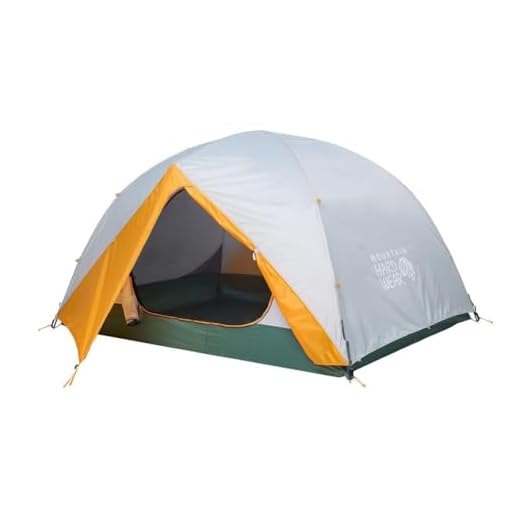
Best for couples: Mountain Hardwear Mineral King 3 is smaller, lighter, easy to pitch, and includes two vestibules plus an included footprint.
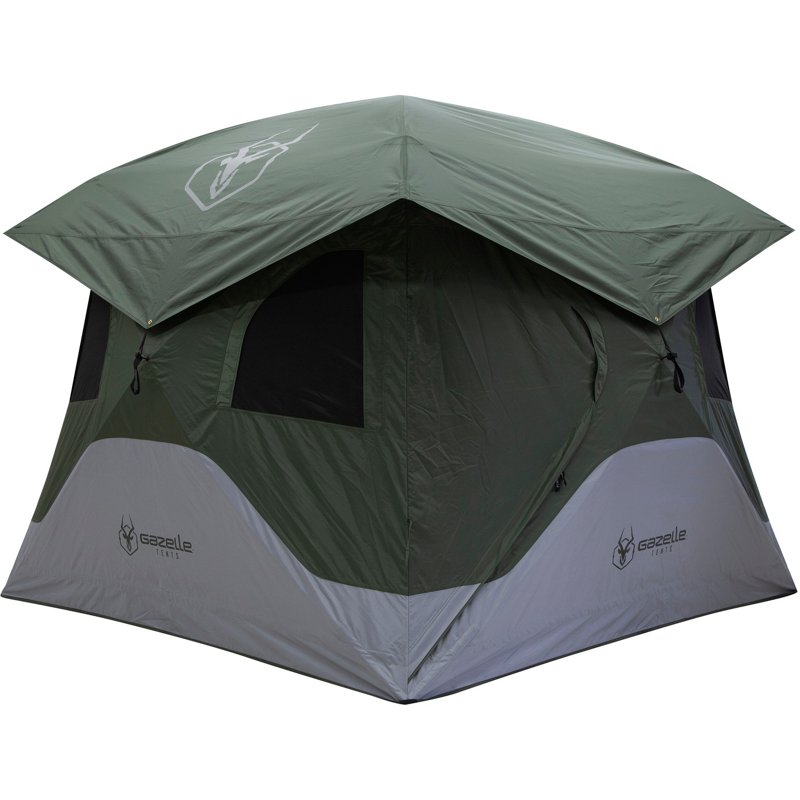
Best quick setup: Gazelle T4 Hub Tent can be deployed very quickly and offers 78 inches of standing height.
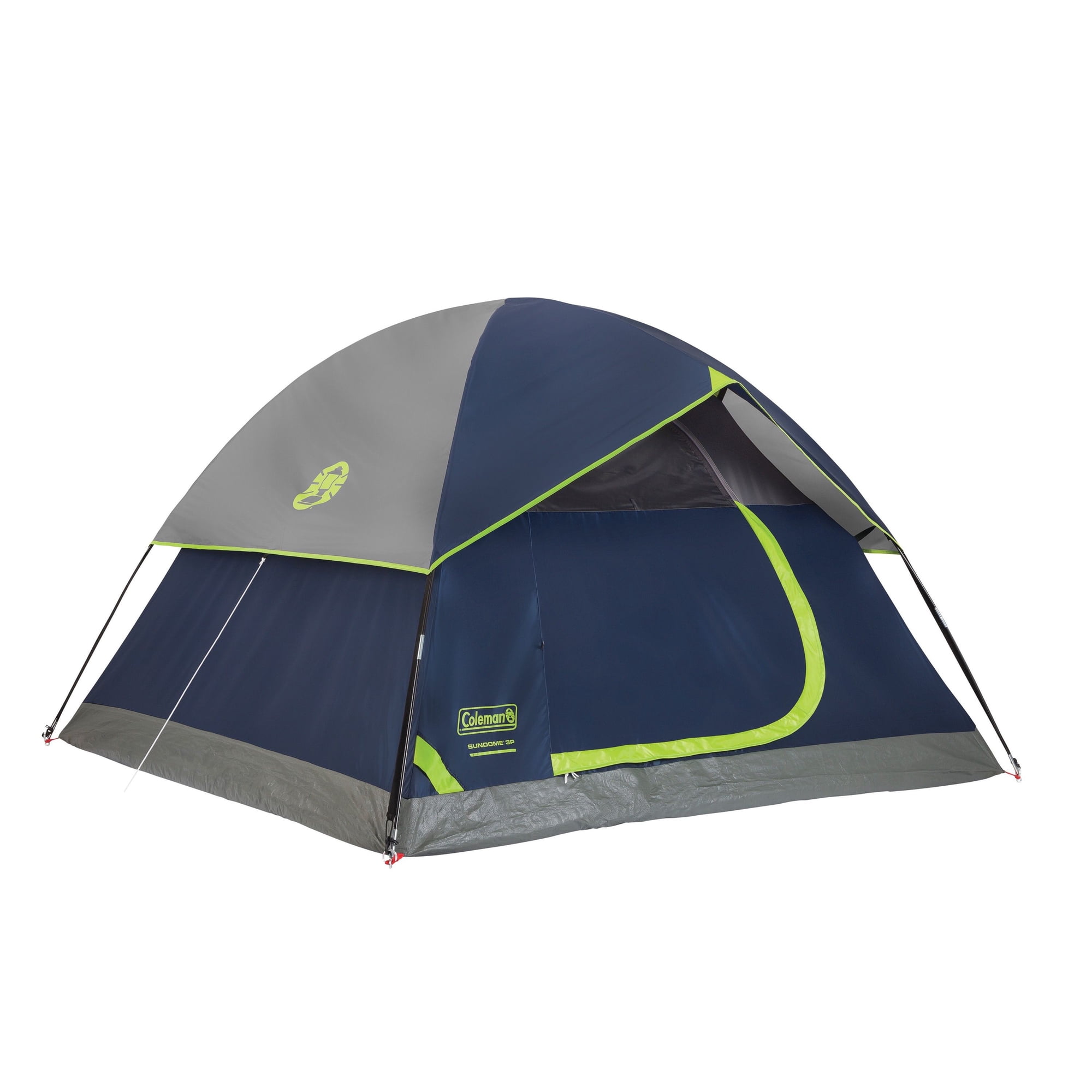
Best budget pick: Coleman Sundome 4 gives occasional campers a 9 × 7-foot floor, ventilation, and basic rain protection at a much lower price.
Best for backpacking: Big Agnes Copper Spur UL3 offers three-person space at only 3 lb. 6 oz. minimum trail weight.
Best for comfort: NEMO Aurora Highrise 4P provides a 75-inch peak height, steep walls, and a roomy 62.5-square-foot floor.
How We Chose These Camping Tents
We compared current tents based on spring weather protection, usable floor area, peak height, vestibule space, setup difficulty, ventilation, weight, packed size, current availability, and overall role.
We also separated car-camping tents from backpacking shelters. A 15- or 30-pound tent may be perfectly reasonable when the vehicle is beside the campsite. It becomes impractical when every pound must travel in a backpack.
Rated capacity was not treated as comfortable capacity. A four-person tent may physically sleep four adults, but two or three people often have a much more comfortable spring-break setup once bags, shoes, jackets, and wet gear are included.
Camping Tents Compared
| Tent | Best For | Capacity | Floor Area | Peak Height | Weight | Main Trade-Off |
|---|---|---|---|---|---|---|
| Marmot Limestone 4 | Overall spring camping | 4 | 59.2 sq. ft. | 63 in. | ~10 lb. 13 oz. minimum | Limited standing height |
| Mountain Hardwear Mineral King 3 | Couples / small groups | 3 | 42.5 sq. ft. | 48 in. | ~7 lb. 14 oz. packed | Low ceiling |
| Gazelle T4 Hub | Fast setup | 4 | 61 sq. ft. | 78 in. | 30 lb. | Large packed size |
| Coleman Sundome 4 | Budget camping | 4 | ~63 sq. ft. | 59 in. | ~10.4 lb. | Basic materials and one door |
| Big Agnes Copper Spur UL3 | Backpacking | 3 | 41 sq. ft. | Backpacking-height interior | 3 lb. 6 oz. min. | High price and lighter fabrics |
| NEMO Aurora Highrise 4P | Standing comfort | 4 | 62.5 sq. ft. | 75 in. | 15 lb. 14 oz. packaged | Tall profile in wind |
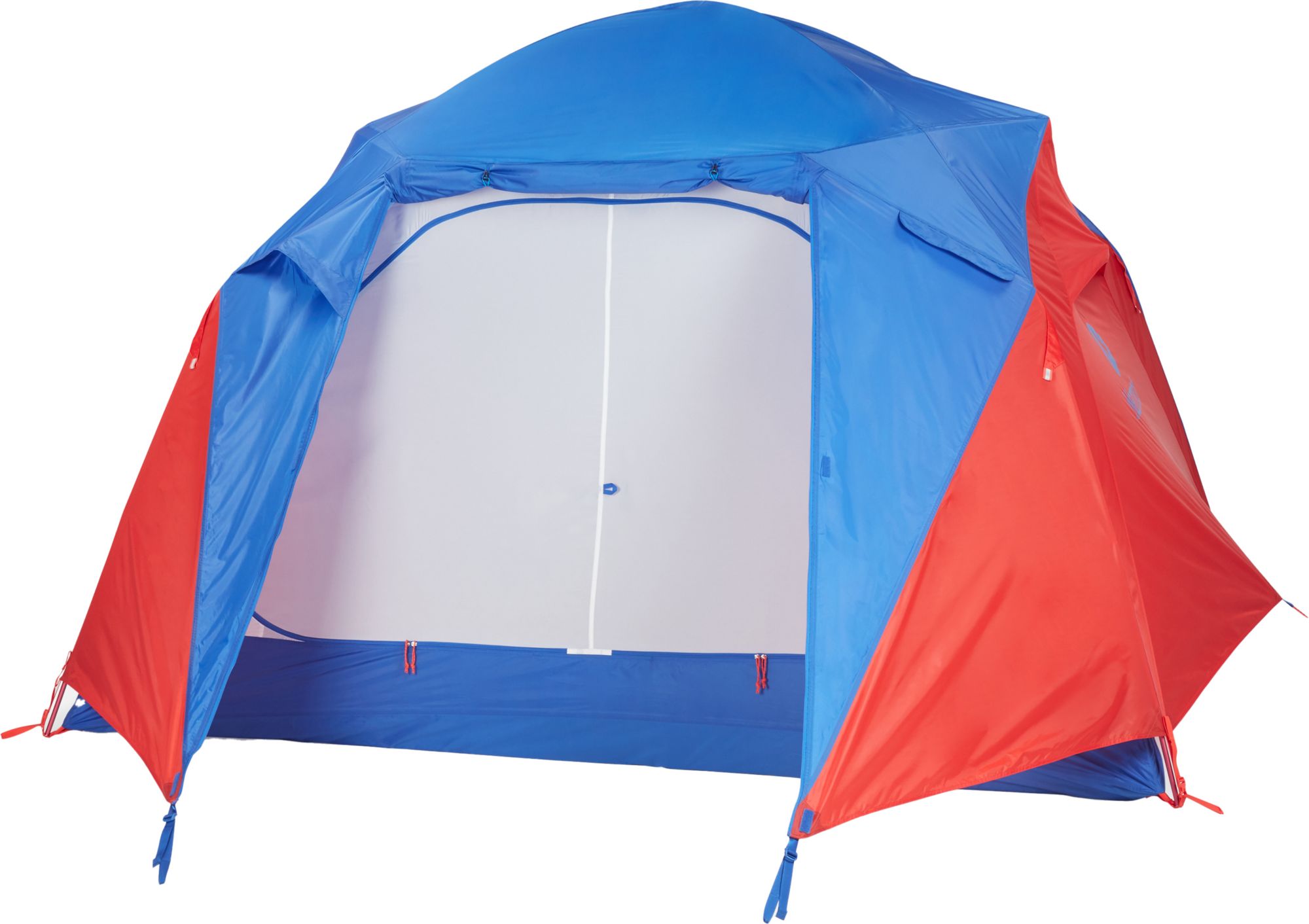

1. Marmot Limestone 4 — Best Overall Camping Tent for Spring Break
Best for: Two to four people car camping where spring rain, wind, and protected gear storage matter.
The Marmot Limestone 4 is our all-around pick because it balances manageable weight, useful interior space, weather protection, and a straightforward conventional setup.
Its floor measures 59.2 square feet, while two vestibules add roughly 28 square feet of protected storage outside the sleeping area. That extra covered space is valuable during spring trips because wet boots, backpacks, and jackets do not have to share the sleeping floor.
Weather Protection Is the Main Strength
The Limestone uses a full-coverage fly, seam-taped floor, aluminum poles, and a relatively low dome-style profile.
Independent testing has rated it particularly well for weather resistance. The lower profile is also more appropriate for unsettled conditions than a very tall cabin-style tent.
Setup Is Straightforward
Color-coded components help with orientation. The tent has two doors, so campers do not need to climb over each other during nighttime exits.
The trade-off is height. At 63 inches, most adults cannot stand fully upright inside.
Pros
✅ Full-coverage rainfly
✅ Two doors and two vestibules
✅ Aluminum poles
✅ Strong weather performance
✅ Good balance of space and packed weight
Cons
❌ Most adults cannot stand fully upright
❌ Too heavy for normal backpacking
❌ Costs more than entry-level campground tents
Skip it if: Standing room is one of your top priorities.
Alternative: NEMO Aurora Highrise 4P provides substantially more interior height.
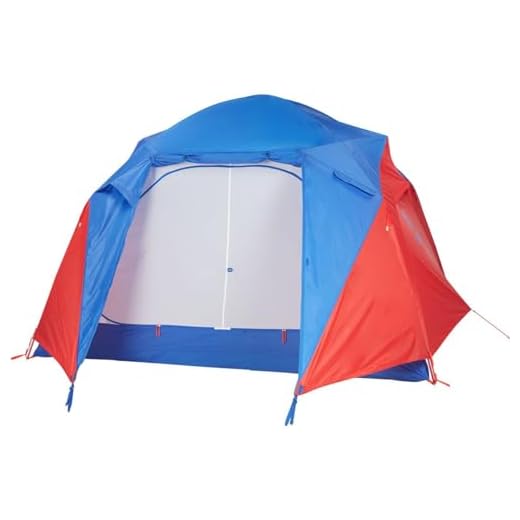
2. Mountain Hardwear Mineral King 3 — Best for Couples and Small Groups
Best for: Couples, two friends with extra gear, or three campers who want a compact and versatile shelter.
The Mineral King 3 sits between a standard campground tent and a backpacking tent.
Its 42.5-square-foot floor is modest, but two full-size vestibules add useful covered storage. The tent also includes a footprint, which saves a separate purchase and can help protect the floor from rough campground surfaces.
It Is Easy to Pitch
The symmetrical pole architecture and hubbed design simplify setup. Independent testing has found the Mineral King quick to pitch and especially versatile.
The mesh-heavy canopy also provides excellent airflow when the weather is dry, while the fly can be deployed for rain protection.
The Main Limitation Is Headroom
Interior height is only 48 inches.
That is acceptable for sleeping, sitting, and changing while seated. It is not a tent for campers who want to stand inside.
Pros
✅ Two doors and two vestibules
✅ Included footprint
✅ Easy pitching system
✅ Strong ventilation
✅ Lighter than most full-size campground tents
Cons
❌ Only 48 inches tall
❌ Tight for three people plus lots of gear
❌ Still heavier than a true ultralight backpacking tent
Skip it if: You expect to spend long periods inside during bad weather and want more living room.
Alternative: Marmot Limestone 4 gives you more floor area and stronger campground livability.
3. Gazelle T4 Hub Tent — Best for Fast Setup
Best for: Road trips, frequent campsite changes, overlanding, and campers who dislike assembling conventional poles.
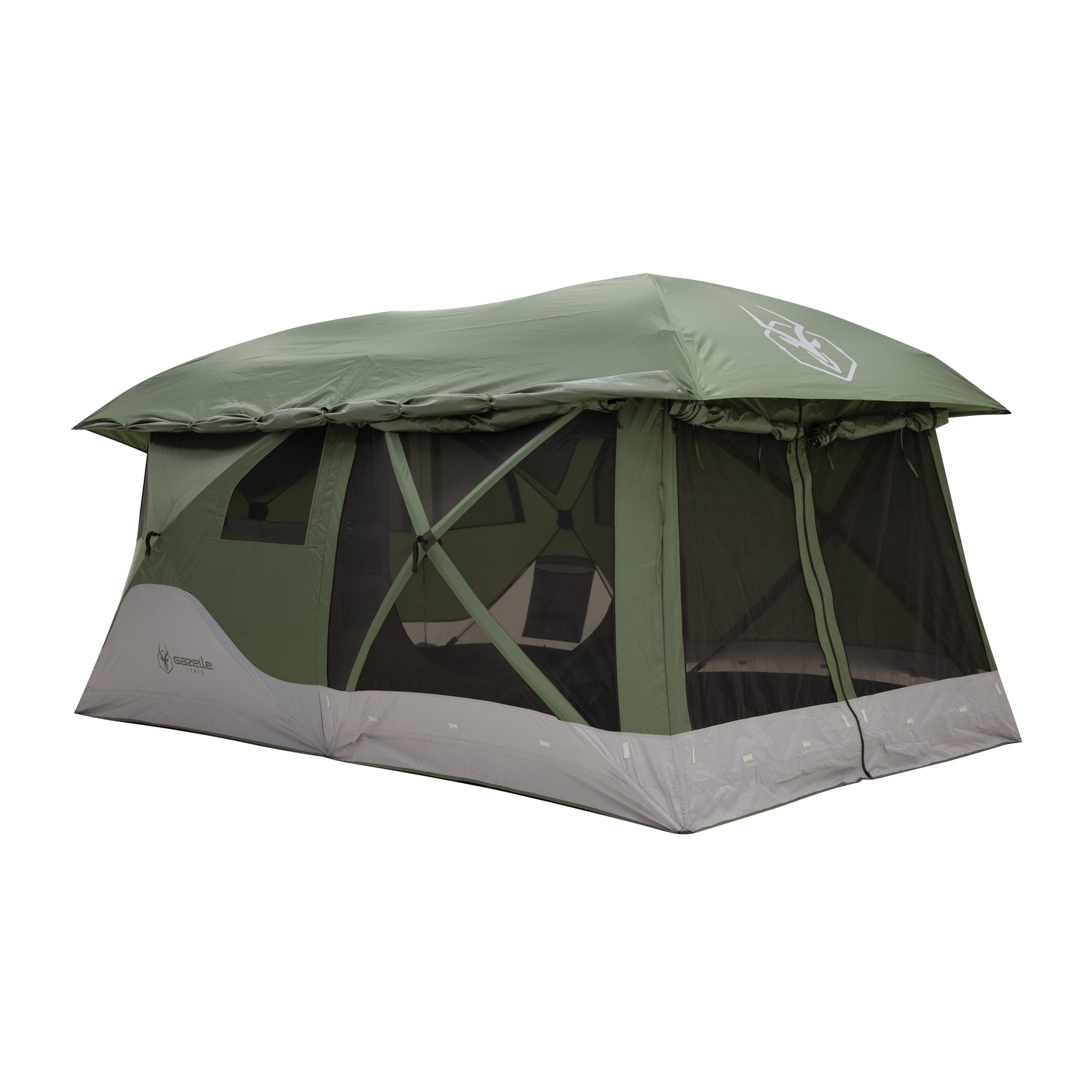
The Gazelle T4 is built around its hub system. Rather than threading separate poles through sleeves, the frame is already integrated into the tent.
Gazelle markets setup at around 90 seconds, while independent testing has also found the tent exceptionally quick to deploy.
It Has Excellent Standing Room
The T4 provides 61 square feet of floor space and a 78-inch peak height.
That is enough standing room for most adults. Large windows and a mesh roof also improve ventilation.
The Packed Size Is the Trade-Off
The tent weighs around 30 pounds and packs to about 66.5 inches long.
That makes it poor for hiking and potentially awkward in a compact car. Measure your cargo area before buying.
Pros
✅ Very fast hub-style setup
✅ 78-inch standing height
✅ Excellent ventilation
✅ Removable floor simplifies cleanup
Cons
❌ About 30 pounds
❌ Very long packed package
❌ No conventional vestibule for muddy gear
Skip it if: Cargo space is limited or you need to carry the tent far from the vehicle.
Alternative: Coleman Sundome 4 packs much smaller and costs substantially less.
4. Coleman Sundome 4 — Best Budget Camping Tent
Best for: First-time campers, festivals, occasional campground trips, and buyers trying to keep initial gear costs low.
The Coleman Sundome 4 is a simple 9 × 7-foot dome tent with room for a queen-size air mattress.
Coleman’s WeatherTec construction uses a tub-style floor, welded corners, protected seams, and an included rainfly. Two windows and a ground vent help with airflow.
Setup Is Beginner-Friendly
Coleman rates setup at around 10 minutes.
The pole architecture is conventional and uncomplicated, making this a reasonable first tent for campers who do not need premium materials.
The Low Price Comes With Compromises
The Sundome has one door and lacks the large vestibules found on the Marmot and Mountain Hardwear tents.
It also uses simpler construction than the premium picks. Independent testing treats it as a value-oriented starter tent rather than a shelter for frequent severe-weather camping.
Pros
✅ Low entry price
✅ 9 × 7-foot floor
✅ Straightforward setup
✅ Good ventilation for a budget tent
Cons
❌ One door
❌ No large protected vestibule
❌ Less refined materials than premium tents
Skip it if: You expect repeated spring trips in wetter or windier conditions.
Alternative: Mineral King 3 costs more but adds aluminum DAC poles, two doors, two vestibules, and an included footprint.

5. Big Agnes Copper Spur UL3 — Best for Backpacking Spring Break
Best for: Two backpackers who want extra interior room or three hikers splitting a lightweight shelter.
The Copper Spur UL3 weighs only 3 lb. 6 oz. at minimum trail weight yet still provides 41 square feet of interior floor area.
That is dramatically lighter than the car-camping tents above.
Low Weight Does Not Mean Bare-Bones Livability
The Copper Spur has two doors and dual vestibules, which are valuable when multiple backpackers share the shelter.
Independent 2026 testing ranked it at the top of its backpacking-tent comparison, especially for the balance of livability, weight, and packed size.
Ultralight Materials Require More Care
Lightweight fabric helps reduce pack weight, but it also deserves more thoughtful campsite selection.
Clear sharp sticks and abrasive debris before pitching. A footprint can also help protect the floor when campsites are rough.
Pros
✅ Only 3 lb. 6 oz. minimum weight
✅ 41 sq. ft. of floor space
✅ Two doors and vestibules
✅ Excellent weight-to-space balance
Cons
❌ Expensive
❌ Lightweight fabrics need more care
❌ Less comfortable than a standing-height car-camping tent
Skip it if: You will camp beside the car and do not need to carry the shelter.
Alternative: Mineral King 3 provides a more durable, cheaper crossover between car camping and occasional backpacking.
6. NEMO Aurora Highrise 4P — Best for Standing Room and Comfort
Best for: Couples or small groups who prioritize interior comfort, changing space, and a more open campground setup.
The Aurora Highrise 4P provides 62.5 square feet of floor area and a 75-inch peak height.
That extra vertical space changes how the tent feels. Campers can stand while changing clothes, and steep walls make more of the floor area useful.
Two Doors and Vestibules Help in Wet Weather
Separate entrances reduce traffic inside the shelter.
Vestibules give shoes, packs, and wet equipment somewhere to stay without occupying the sleeping area.
Tall Tents Need Care in Wind
The trade-off for standing room is a larger wind profile.
Pitch the tent carefully, stake it fully, and use guylines when conditions call for them. A more sheltered campsite is also preferable when strong wind is forecast.
Pros
✅ 75-inch standing height
✅ 62.5 sq. ft. floor
✅ Two doors and vestibules
✅ Excellent campground livability
Cons
❌ Heavier than low-profile tents
❌ Tall shape catches more wind
❌ Not suitable for backpacking
Skip it if: Your priority is compact packing or stronger low-profile storm geometry.
Alternative: Marmot Limestone 4 trades standing room for a lower profile and stronger weather-oriented design.
What Size Tent Do You Need for Spring Break?
Tent capacity is best treated as a sleeping count, not a comfort rating.
A two-person tent generally fits two sleeping pads. It does not automatically leave much room for bags, clothing, shoes, or bad-weather downtime.
For car camping, sizing up by one or two people often makes sense.
- 1 camper: 2-person tent provides useful extra space.
- 2 campers: 3- or 4-person tent is comfortable for car camping.
- 3 campers: 4-person tent usually provides a better balance.
- 4 campers with substantial gear: consider a larger family tent.
Backpacking is different because every extra square foot adds weight. In that case, choosing closer to the rated capacity is more reasonable.
Is a 3-Season Tent Enough for Spring?
For most normal low-elevation spring campground trips, yes.
Three-season tents are designed for spring, summer, and fall conditions. Properly pitched models can handle rain and some light snow.
However, they are not built for sustained severe storms, powerful winds, or heavy snow loads.
When Should You Consider a Stronger Tent?
Extended-season or 4-season shelters become more appropriate when your trip involves exposed high elevation, significant snow potential, or genuinely severe weather.
Spring conditions differ dramatically by location. A warm coastal campground and a high mountain pass should not use the same shelter assumptions.
Why a Full-Coverage Rainfly Matters
A rainfly is the waterproof outer layer that protects the inner tent.
Full-coverage flies extend farther down the shelter and usually perform better when rain is driven sideways by wind.
This is one reason the Limestone and Mineral King are stronger spring-weather choices than a very basic partial-fly campground tent.
Why Vestibules Matter in Spring
Spring camping often means muddy shoes and damp gear.
A vestibule creates covered storage outside the sleeping compartment.
That allows boots, packs, jackets, and other equipment to stay protected from rain without bringing water and dirt into the tent.
Two vestibules are especially useful when several adults share the shelter.
Car-Camping Tent or Backpacking Tent?
If the vehicle is beside the campsite, prioritize comfort.
Extra floor space, standing height, larger vestibules, thicker fabrics, and easier setup usually matter more than shaving several pounds.
If you are hiking miles to camp, weight and packed size become much more important.
This is why a 30-pound Gazelle can be excellent for road trips but completely wrong for backpacking.
Instant Tent or Traditional Pole Tent?
Instant and hub tents reduce setup time because much of the frame is preassembled.
They can be especially useful on road trips where the tent goes up and down every day.
The trade-off is usually packed size and weight.
Traditional pole tents often pack much smaller and can be easier to fit into compact vehicles.
Do You Need a Tent Footprint?
A footprint is a protective layer placed under the tent floor.
It can reduce abrasion from rough ground and help keep the underside cleaner.
Not every tent requires one. Mineral King includes a footprint, while many premium tents sell one separately.
If you use a footprint, keep it fully under the tent floor. Material extending beyond the tent can collect rainwater and direct it underneath the shelter.
How to Reduce Condensation Inside a Tent
Condensation forms when humid air inside the tent meets a cooler surface.
Spring’s cool nights can make this more noticeable.
Use roof vents, mesh panels, and fly vents whenever conditions allow. Avoid blocking airflow with gear.
A well-ventilated double-wall tent can still collect some moisture. Condensation does not automatically mean the rainfly is leaking.
Practice Setting Up the Tent Before Your Trip
Do not make a dark or rainy campground your first attempt at pitching a new tent.
Set it up once at home. Confirm that all poles, stakes, guylines, rainfly pieces, and accessories are present.
Practice also helps you understand which way the doors and vestibules should face.
Spring Camping Safety
A Tent Is Not Lightning Protection
A tent protects against rain and insects. It does not provide safe shelter from lightning.
If you hear thunder, move to a substantial building or an enclosed hard-topped vehicle when one is available.
Thunderstorm warning: Do not remain in a tent during a lightning storm when safer shelter is available. Know where the nearest substantial building or enclosed hard-topped vehicle is before bad weather arrives.
Be Careful With Fuel-Burning Camping Equipment
Fuel-burning heaters, lanterns, stoves, and charcoal can produce carbon monoxide.
Follow the equipment manufacturer’s instructions and never use portable fuel-burning heaters or lanterns while sleeping in an enclosed tent, camper, or vehicle.
Do not improvise with charcoal grills, camp stoves, or other fuel-burning devices as a source of tent heat.
Keep Open Flames Away From the Tent
If your campground permits fires, follow local restrictions and required clearances.
Our best outdoor fire pits guide covers portable options, but campsite rules and fire bans always take priority over product convenience.
Frequently Asked Questions
What is the best tent for spring camping?
Our overall choice is the Marmot Limestone 4 because it combines a full rainfly, two vestibules, strong weather resistance, aluminum poles, and useful room for a small group.
Is a 3-season tent enough for spring break?
Usually, yes, for normal low-elevation campground conditions. A stronger extended-season or 4-season tent is more appropriate when substantial snow, high winds, or exposed high-elevation conditions are expected.
What size tent should two people buy?
Two people can sleep in a 2-person tent, but a 3- or 4-person model is usually more comfortable for car camping because it leaves room for gear and movement.
Are instant tents worth buying?
They can be excellent for road trips and frequent campsite changes. The main trade-offs are usually higher weight and a larger packed package.
Do I need a tent footprint?
Not always, but a footprint can reduce floor abrasion and help keep the tent cleaner. Some tents include one, while others offer it as an accessory.
Is a tent safe during a thunderstorm?
No. A tent does not provide safe lightning protection. Move to a substantial building or enclosed hard-topped vehicle when available.
Can I use a heater inside a camping tent?
Fuel-burning equipment can produce carbon monoxide. Follow manufacturer instructions carefully and never sleep with a portable fuel-burning heater or lantern operating in an enclosed tent.
Which tent is best for backpacking?
Big Agnes Copper Spur UL3 is our backpacking choice because it weighs only 3 lb. 6 oz. minimum while still providing 41 square feet of floor area and two vestibules.
Final Verdict: Which Spring Break Tent Should You Buy?
The Marmot Limestone 4 is the strongest all-around spring-break tent for most small car-camping groups. It offers a useful balance of weather protection, floor space, vestibule storage, and manageable weight.
Choose Mountain Hardwear Mineral King 3 if you want a lighter tent for a couple or small group. Gazelle T4 is the better choice when setup speed and standing room matter more than packed size.
Coleman Sundome 4 keeps the initial cost low for occasional campers. Big Agnes Copper Spur UL3 is the clear option when the tent has to travel in a backpack, while NEMO Aurora Highrise 4P gives campground campers much more standing comfort.
Quick decision: Choose Limestone for overall spring weather protection, Mineral King for couples, Gazelle for speed, Sundome for budget camping, Copper Spur for backpacking, and Aurora Highrise for maximum campground comfort.
Sources
- Marmot — Limestone 4 specifications
- Mountain Hardwear — Mineral King 3 specifications
- Gazelle Tents — T4 Hub Tent specifications
- Coleman — Sundome 4 specifications
- REI / Big Agnes — Copper Spur UL3 specifications
- REI / NEMO — Aurora Highrise 4P specifications
- REI Expert Advice — Camping and Backpacking Tent Seasonality
- National Weather Service — Lightning Safety
- U.S. Consumer Product Safety Commission — Camping Equipment and Carbon Monoxide Safety
How we research: Discompare reviews current manufacturer specifications, retailer data, independent outdoor-gear testing, and relevant public-safety guidance. We do not conduct original hands-on testing unless explicitly stated. Tent capacity, weather performance, and setup experience can vary with campsite conditions, pitching technique, wind exposure, and maintenance. Prices and availability can change. Discompare may earn a commission from eligible retailer or price-comparison links.
Product Groups: Marmot Limestone 4-Person Tent, Mountain Hardwear Mineral King 3 Tent, Gazelle T4 Hub Tent, Coleman Sundome 4-Person Tent, Big Agnes Copper Spur UL3 Tent, NEMO Aurora Highrise 4P Tent