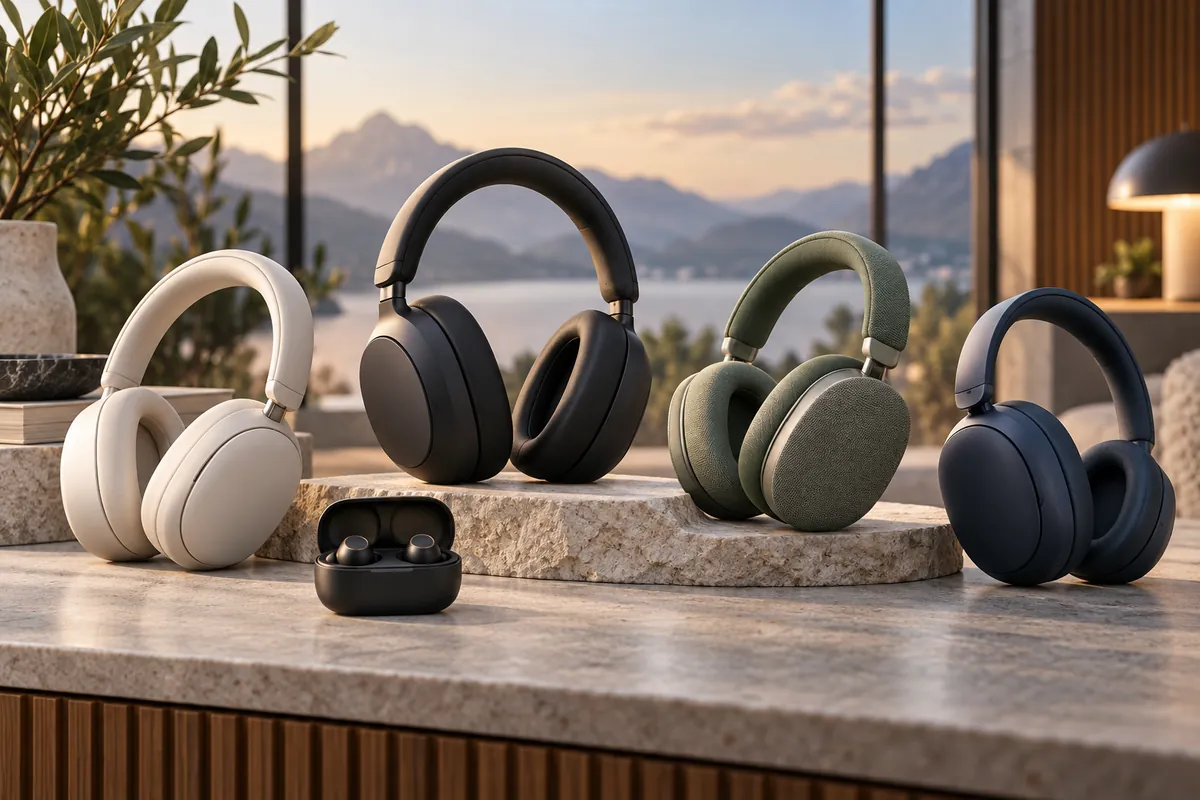
Best Headphones 2026 | Top Picks & Buying Guide
The best headphones are not automatically the newest, most expensive, or most heavily advertised pair. The right choice depends on what you actually care about: stronger noise cancellation for flights, better sound for music, comfort for an eight-hour workday, long battery life, wired listening at home, or simply getting the most performance for your budget.
For this updated guide, we narrowed the field to ten current headphones that solve clearly different problems. We focused on over-ear and wired headphones rather than true-wireless earbuds, comparing official specifications, current availability, independent expert testing, feature sets, and price positioning. Discompare’s live price-comparison cards can then help you check whether the technical winner is also the best value at today’s price.
The result is a more focused guide than our previous version: current models, clearer categories, better product-to-product trade-offs, and recommendations based on who should actually buy each pair.
Quick Answer: The Best Headphones
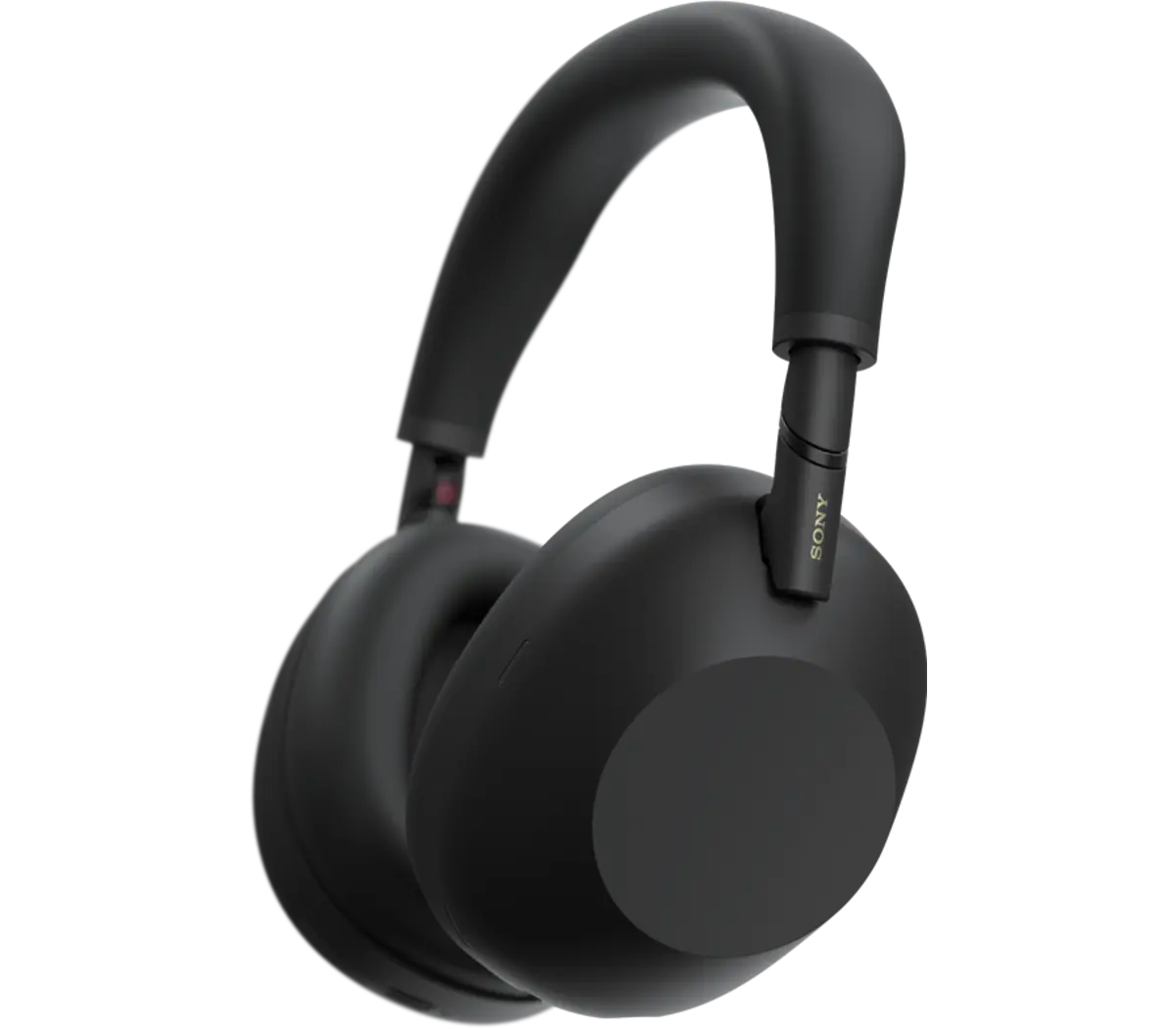
Best Overall: Sony WH-1000XM6 — outstanding noise cancellation, strong sound customization, clear call quality, a foldable design, and up to 30 hours of battery life make it the most complete choice for most people.
Best Budget: Soundcore Space Q45 — adaptive ANC, LDAC support, and up to 50 hours of playback with noise cancellation deliver unusually strong features for its price class.
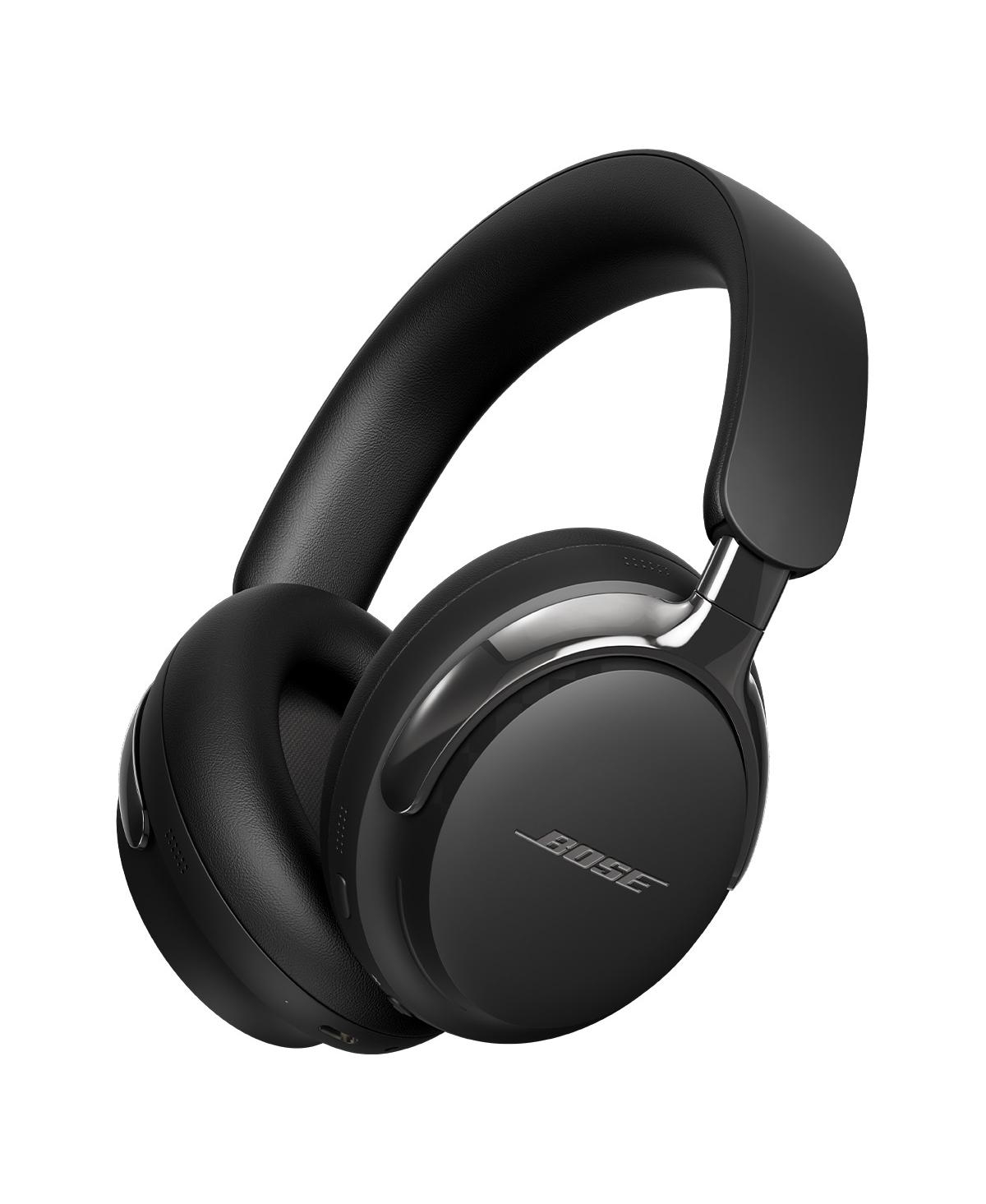
Best for Comfort & ANC: Bose QuietComfort Ultra Headphones (2nd Gen) — excellent noise reduction and a comfort-focused fit make Bose especially appealing for long flights and extended listening sessions.
Best Sounding Wireless: Sennheiser HDB 630 — neutral tuning, advanced EQ controls, high-resolution connectivity, and up to 60 hours of battery life make it the sound-first wireless pick.
Best Wired: Sennheiser HD 600 — its open-back design and analytical, balanced presentation remain a reference point for serious home listening.
How We Selected the Best Headphones
Discompare does not operate a headphone measurement laboratory, so we do not claim to have independently measured frequency response, isolation, or distortion for every model in this list. Instead, this guide combines current manufacturer specifications, multi-retailer availability, independent expert testing, feature comparisons, current-generation relevance, and price positioning.
We looked for headphones that earned a recommendation for a specific reason rather than filling the list with ten similar premium wireless models. Our selection criteria included sound quality, active noise cancellation, comfort, battery life, microphone usefulness, connectivity, portability, build quality, wired-listening capability, and overall value.
Price also matters. A technically superior flagship is not automatically the smartest purchase if an older model or lower-priced competitor delivers nearly the same experience for substantially less. That is where checking current prices and price history becomes especially useful.
Headphones vs. Earbuds: What This Guide Covers
This guide focuses on traditional headphones, including wireless over-ear models and wired/open-back headphones. We have intentionally excluded true-wireless earbuds from the Top 10 because the two categories solve different problems.
Headphones generally offer larger earcups, longer battery life, more physical space for drivers, and greater comfort for many long listening sessions. Earbuds are smaller, easier to carry, and often better for exercise or situations where a full-size headset feels inconvenient.
If portability is your priority and you specifically want an in-ear design, see our Best Wireless Earbuds in 2026: Top 10 Picks guide instead.
What to Look for When Buying Headphones
Sound Quality
Good sound is not simply about having more bass. Look for a presentation that suits the music you enjoy and the way you listen. Some headphones emphasize low frequencies for a warmer, more energetic sound, while others target a more neutral balance where vocals, instruments, and treble detail are easier to distinguish.
Wireless models increasingly offer app-based EQ controls, while products such as the Sennheiser HDB 630 go further with advanced equalization features. Wired audiophile headphones often rely less on digital processing and more on the acoustic design of the driver and earcup.
Active Noise Cancellation
Active noise cancellation, or ANC, is most useful against predictable background noise such as aircraft engines, trains, air conditioning, and office hum. Flagship models from Sony and Bose remain especially relevant for people who travel frequently or work in distracting environments.
If ANC is your main priority, also explore our Best Bose Headphones 2026: Noise Cancelling Guide.
Comfort
Comfort becomes more important the longer you wear headphones. Weight, headband pressure, earcup depth, earpad material, and clamping force all influence whether a pair remains pleasant after several hours.
People who wear glasses should pay particular attention to pressure around the sides of the head because the headphone seal and frame interaction can affect both comfort and perceived noise isolation.
Battery Life
Modern wireless headphones range from roughly a working day of heavy use to several days between charges. For most people, anything around 25 to 30 hours is already sufficient for routine commuting and travel, while products such as the Cambridge Audio Melomania P100 SE push battery endurance dramatically further.
Fast charging can be just as useful as total runtime. A headphone that recovers several hours of playback from a few minutes of charging may be more convenient than a model with a slightly larger maximum battery figure.
Bluetooth, Codecs & Wired Connections
Bluetooth codec support can influence available audio quality, latency, and device compatibility. AAC is particularly relevant across Apple devices, while LDAC and aptX variants appear on many Android and high-resolution audio products.
Do not assume that wireless headphones cannot also work well over a cable. Some models support analog listening, USB-C audio, or both. If you switch frequently between a laptop, phone, audio interface, and entertainment system, connectivity flexibility can matter as much as headline sound quality.
Open-Back vs. Closed-Back
Most wireless ANC headphones use a closed-back design that helps isolate you from the environment. Open-back headphones such as the Sennheiser HD 600 and Beyerdynamic DT 900 Pro X deliberately allow sound and air to pass through the earcups.
The result can be a more spacious presentation for home listening, but open-back headphones leak sound and provide very little isolation. They are usually a poor choice for public transport, shared offices, or flights.
Related Headphone Guides
If you have already decided that cables are not for you, Best Wireless Headphones 2026 for Every Budget goes deeper into Bluetooth models and different price tiers.
For the biggest premium ANC rivalry, see Bose QuietComfort Ultra 2 vs Sony WH-1000XM6: Which Is Better? Readers considering Bose specifically can also move from this broad guide to our Bose QuietComfort Ultra Headphones (2nd Gen) Review.
Frequent flyers should also check Foldable Travel Headphones: Best Value, while shoppers interested in another brand-focused angle can explore Popular Beats Headphones for Audiophiles.
Top 10 Headphones: Quick Comparison
Headphone prices change frequently, especially when previous-generation flagships go on sale. Use the live comparison below to check current offers before assuming the newest model is automatically the best value.




10 Best Headphones in 2026
1. Sony WH-1000XM6 — Best Overall
The Sony WH-1000XM6 is our best overall pick because it performs at a high level across almost every category that matters to a mainstream headphone buyer. Sony combines advanced active noise cancellation with customizable sound, clear call performance, a foldable travel-friendly design, and up to 30 hours of battery life.
Its biggest strength is balance. There are headphones in this guide that can beat it in a specific area: Bose may suit some listeners better for comfort, Sennheiser places greater emphasis on sound-focused tuning, and Cambridge Audio offers dramatically longer battery life. But the Sony makes fewer compromises when you need one pair for commuting, flights, work, calls, and everyday music.
The Sound Connect app also gives users meaningful control over EQ and listening features, making the XM6 adaptable for listeners who do not love the default tuning.
Best for: travelers, commuters, office users, and anyone who wants one premium wireless headphone to handle almost everything.
Pros
✅ Excellent active noise cancellation
✅ Up to 30 hours of battery life
✅ Strong app-based sound customization
✅ Clear call performance
✅ Foldable design is useful for travel
Cons
❌ Premium pricing
❌ Some listeners may prefer a more neutral sound out of the box
❌ Previous-generation Sony models may offer better value during sales
Alternative: Choose the Bose QuietComfort Ultra Headphones (2nd Gen) if long-session comfort matters more to you, or consider the previous-generation WH-1000XM5 when its price is substantially lower. For a deeper comparison, see Bose QuietComfort Ultra 2 vs Sony WH-1000XM6: Which Is Better?
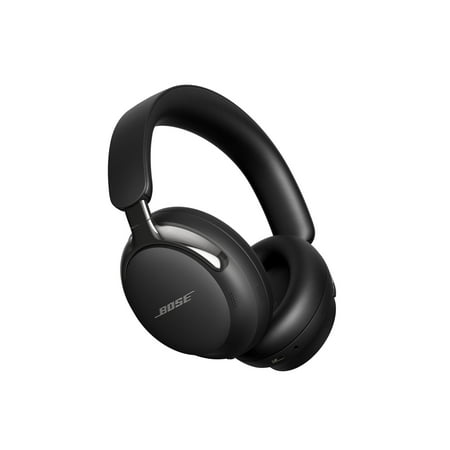
2. Bose QuietComfort Ultra Headphones (2nd Gen) — Best for Comfort & ANC
The Bose QuietComfort Ultra Headphones (2nd Gen) make the strongest case for buyers who prioritize comfort and noise cancellation above everything else. Bose continues to build the QuietComfort line around long listening sessions, soft ear cushions, and strong isolation from the environment.
The current second-generation Ultra also adds features such as lossless USB-C audio while retaining Bose’s Immersive Audio system and premium ANC positioning. That combination makes it especially attractive for flights, noisy offices, and people who regularly keep their headphones on for hours at a time.
Sony offers a more feature-dense all-round package, but choosing between the two does not need to be about declaring one universally superior. Bose is the better fit when physical comfort and a relaxed premium experience are the deciding factors.
Best for: frequent flyers, long listening sessions, office focus, and shoppers who prioritize comfort alongside premium ANC.
Pros
✅ Excellent noise cancellation
✅ Comfort-focused over-ear fit
✅ USB-C lossless audio support
✅ Immersive Audio features
✅ Well suited to long flights and work sessions
Cons
❌ High flagship price
❌ Sony offers stronger customization for some users
❌ Sound-first buyers have more audiophile-focused choices
Alternative: Choose the Sony WH-1000XM6 for a more feature-heavy all-rounder. Bose shoppers can also read our Bose QuietComfort Ultra Headphones (2nd Gen) Review.
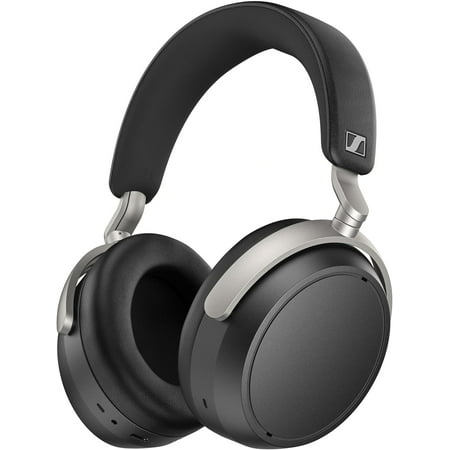
3. Sennheiser HDB 630 — Best Sounding Wireless
The Sennheiser HDB 630 is the wireless choice for listeners who put sound quality ahead of lifestyle extras. Sennheiser uses a 42mm transducer with tuning designed around balanced bass, lifelike mids, controlled treble, and a spacious presentation.
Connectivity is unusually flexible. The HDB 630 supports aptX HD and aptX Adaptive, includes Sennheiser’s BTD 700 USB-C Bluetooth dongle, and supports wired listening through USB-C or analog input. USB-C listening can deliver lossless playback up to 24-bit/96kHz with compatible sources.
The Smart Control Plus app also includes parametric EQ and crossfeed controls, giving more technically inclined listeners far more control than a basic bass/mid/treble slider. Battery life reaches up to 60 hours, so its sound-focused positioning does not come at the expense of endurance.
Best for: listeners who want audiophile-influenced wireless sound without giving up ANC, Bluetooth convenience, or long battery life.
Pros
✅ Neutral, sound-focused tuning
✅ aptX HD and aptX Adaptive support
✅ USB-C and analog wired listening
✅ Advanced parametric EQ
✅ Up to 60 hours of battery life
Cons
❌ More specialized than Sony or Bose
❌ Advanced EQ features may overwhelm casual users
❌ Not the first choice if maximum ANC is your priority
Alternative: Choose the Sony WH-1000XM6 if ANC, calls, and travel convenience matter more than sound-first tuning.
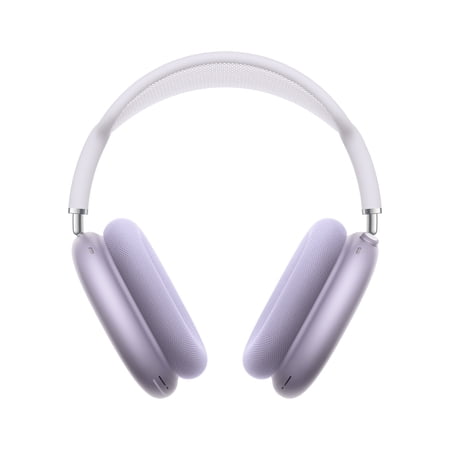
4. Apple AirPods Max 2 — Best for Apple Users
The AirPods Max 2 are the easiest recommendation in this guide for shoppers deeply invested in Apple’s ecosystem. The second-generation model uses Apple’s H2 chip and adds stronger active noise cancellation, Adaptive Audio, Transparency mode, Voice Isolation, Personalized Spatial Audio, and intelligent features that integrate closely with iPhone, iPad, and Mac.
USB-C can also handle lossless audio and ultra-low-latency audio on compatible devices. For Apple users, the appeal extends beyond raw specifications: automatic ecosystem behavior, Spatial Audio, device integration, and Apple-specific features create an experience competing headphones cannot fully duplicate.
The problem is value. AirPods Max 2 remain expensive, so buyers who use several platforms or simply want the best ANC-per-dollar will often find Sony, Bose, or Soundcore more practical.
Best for: iPhone, iPad, and Mac users who value Apple integration and Spatial Audio as much as conventional headphone performance.
Pros
✅ Excellent Apple ecosystem integration
✅ Improved ANC with H2 processing
✅ Adaptive Audio and Transparency mode
✅ Personalized Spatial Audio
✅ Lossless USB-C audio support
Cons
❌ Very expensive
❌ Best features are tied to Apple devices
❌ Better-value options exist for platform-agnostic buyers
Alternative: Choose the Sony WH-1000XM6 if you regularly switch between Apple, Android, and Windows devices.
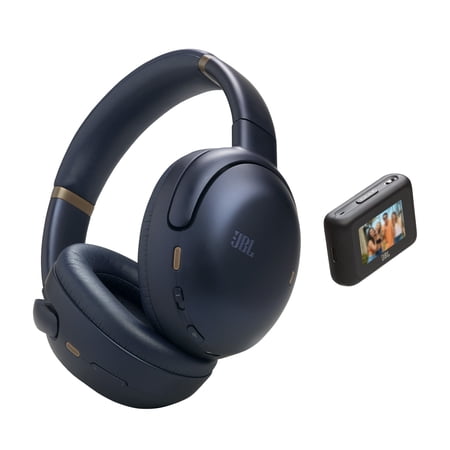
5. JBL Tour One M3 Smart Tx — Best for Travel & Features
The JBL Tour One M3 Smart Tx stands out because the Smart Tx transmitter expands what a Bluetooth headphone can connect to. Instead of relying only on your phone or laptop, the transmitter can connect the headphones to compatible non-Bluetooth audio sources—particularly useful for in-flight entertainment.
JBL also includes True Adaptive Noise Cancelling 2.0, Spatial 360 with head tracking, Bluetooth 5.3 LE, a built-in high-resolution DAC, and up to 70 hours of music playback. Multiple microphones handle both adaptive noise cancellation and calls.
This makes the Tour One M3 particularly useful for people who travel frequently and want a headphone that can adapt to aircraft entertainment systems, phones, laptops, and wired sources without carrying multiple specialist adapters.
Best for: frequent flyers, entertainment-heavy travel, and tech enthusiasts who value connectivity flexibility.
Pros
✅ Smart Tx adds unusual connection flexibility
✅ True Adaptive Noise Cancelling 2.0
✅ Spatial 360 with head tracking
✅ Up to 70 hours of playback
✅ Useful for in-flight entertainment
Cons
❌ More complex than a conventional Bluetooth headphone
❌ Smart Tx may be unnecessary for basic phone listening
❌ Sony and Bose remain stronger default choices for many buyers
Alternative: Choose the Sony WH-1000XM6 if you prefer a simpler all-round travel headphone. See Best Foldable Travel Headphones 2026: Value Picks for more travel-focused options.
6. Bowers & Wilkins Px7 S3 — Best Premium Design
The Bowers & Wilkins Px7 S3 is aimed at shoppers who care about the physical and sonic experience of a premium headphone, not just its feature checklist. Bowers & Wilkins refined the Px7 platform with a slimmer design, updated sound, improved call quality, and stronger noise cancellation than the earlier Px7 S2e.
The Px7 S3 makes the most sense for buyers who find mainstream flagship styling too utilitarian and want something that feels more intentionally premium. Sound quality is a major part of the appeal, while ANC is useful without necessarily being the single reason to choose it.
This is therefore less of a Sony killer than a different proposition: premium materials, elegant design, and sound-focused character for listeners willing to pay more for the overall experience.
Best for: style-conscious premium buyers who prioritize design, build quality, and engaging sound.
Pros
✅ Premium, refined design
✅ Strong sound-focused positioning
✅ Improved call quality over the previous generation
✅ Active noise cancellation
✅ Good alternative to mainstream flagship styling
Cons
❌ Premium price
❌ ANC is not the primary reason to choose it
❌ Value-focused shoppers have much cheaper alternatives

Alternative: Choose the Sennheiser HDB 630 if advanced sound controls matter more than luxury styling.
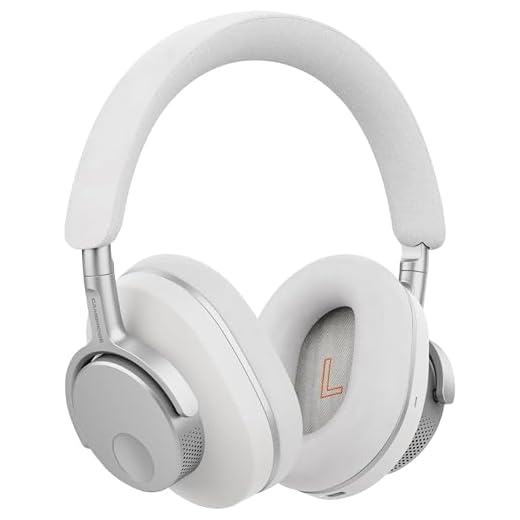
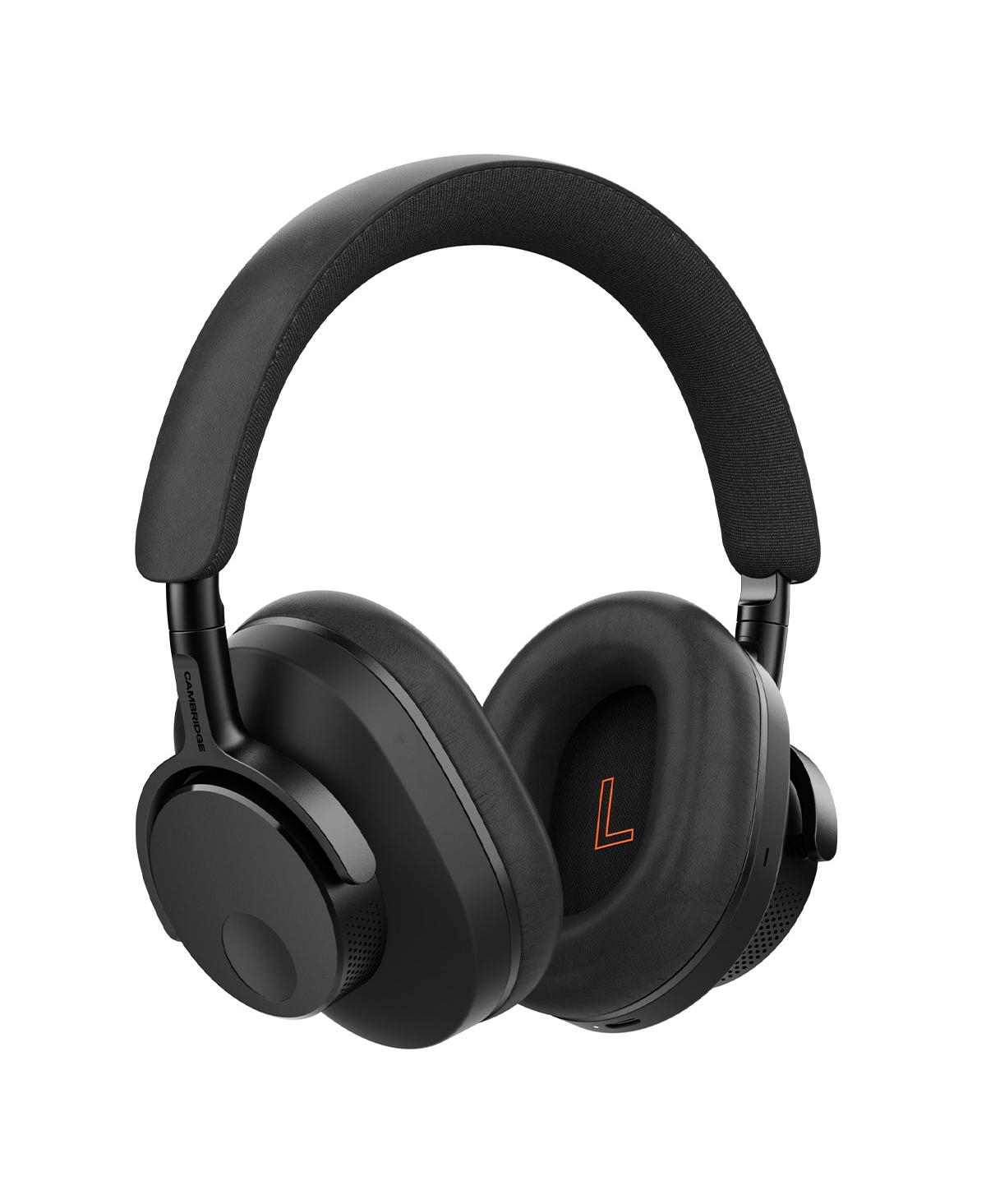
7. Cambridge Audio Melomania P100 SE — Best Battery Life
The Cambridge Audio Melomania P100 SE makes a compelling argument for buyers tired of treating headphones like disposable electronics. Cambridge Audio combines adaptive hybrid ANC with 40mm drivers, Class A/B amplification, and battery life rated up to 100 hours.
More unusually, the battery is user-replaceable. That matters because battery degradation is one of the main reasons otherwise functional wireless headphones eventually become inconvenient or unusable. Replaceable parts give the P100 SE a longevity advantage over many sealed competitors.
The Special Edition also improves comfort and tuning over the original P100, making it more than a simple battery-life specialist. Its biggest appeal is still endurance, though: frequent travelers and heavy listeners can go dramatically longer between charges than with typical flagship ANC headphones.
Best for: long trips, heavy daily listening, buyers who dislike frequent charging, and shoppers who value repairability.
Pros
✅ Up to 100 hours of battery life
✅ User-replaceable battery
✅ Adaptive hybrid ANC
✅ Class A/B amplification
✅ Improved comfort over the original P100
Cons
❌ ANC is not the class-leading reason to buy it
❌ Less mainstream availability than Sony or Bose
❌ Maximum battery life may be unnecessary for casual users
Alternative: Choose the JBL Tour One M3 Smart Tx if travel connectivity matters more than maximum battery endurance.
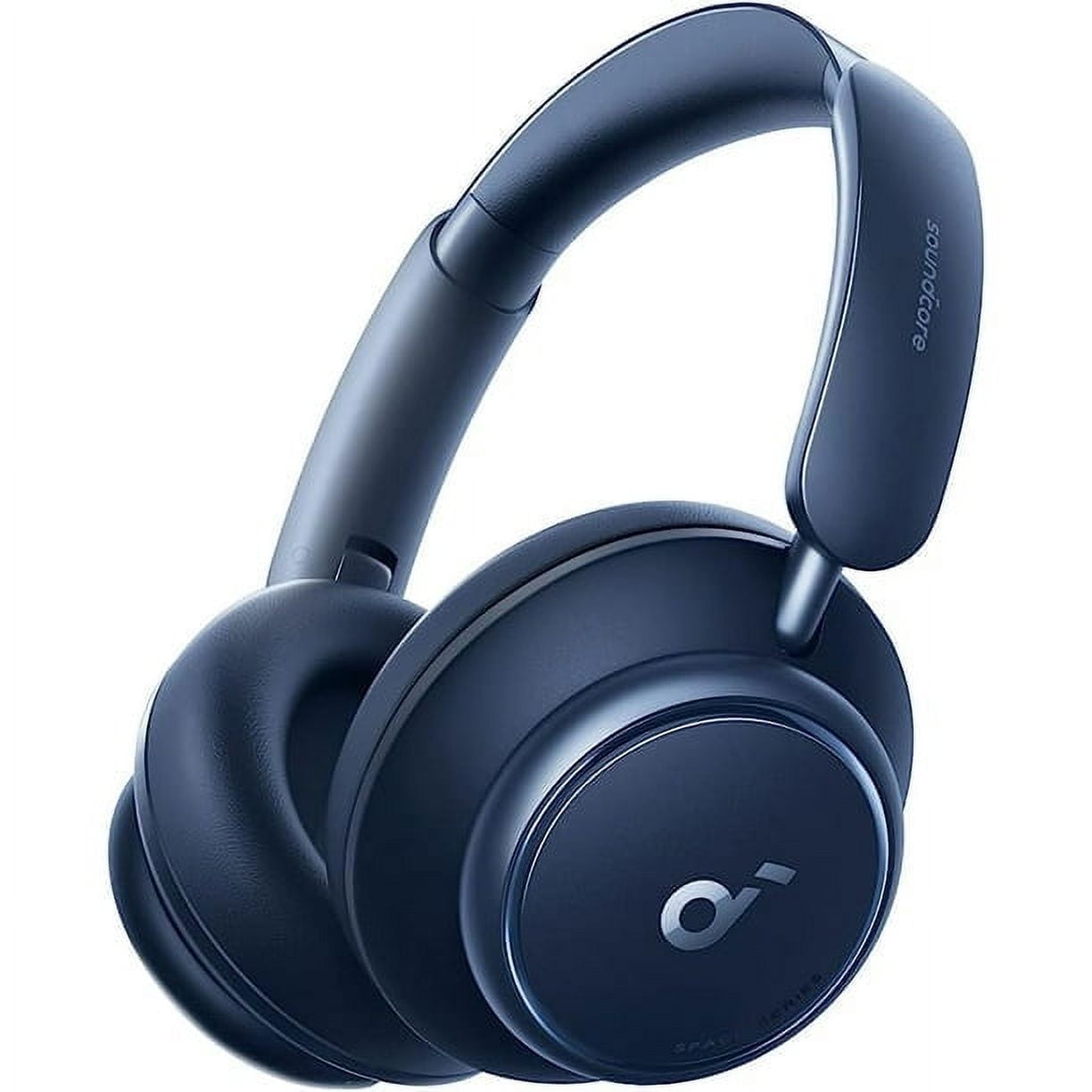
8. Soundcore Space Q45 — Best Budget ANC
The Soundcore Space Q45 is the value pick for shoppers who want the practical benefits of premium wireless headphones without paying flagship prices. Soundcore includes adaptive active noise cancellation, LDAC support, app-based EQ, and long battery life in a product positioned well below Sony, Bose, and Apple.
Battery life reaches up to 50 hours with ANC active and up to 65 hours in standard mode. A short fast charge can also recover several additional hours of playback, which is particularly useful for commuting and travel.
You should not expect the refinement, microphone performance, or overall polish of the most expensive headphones in this guide. But the Space Q45 demonstrates why price needs to be part of any buying decision: many users can get the features they actually need without spending premium money.
Best for: value-focused buyers who want ANC, long battery life, and higher-quality Bluetooth audio at a more accessible price.
Pros
✅ Strong value for the feature set
✅ Adaptive noise cancellation
✅ LDAC support
✅ Up to 50 hours with ANC
✅ Up to 65 hours without ANC
Cons
❌ Less premium build than flagship models
❌ Sony and Bose provide more refined ANC experiences
❌ Sound may benefit from EQ adjustment
Alternative: Wait for a discount on an older flagship such as the Sony WH-1000XM5 if the price moves close enough to the Space Q45.
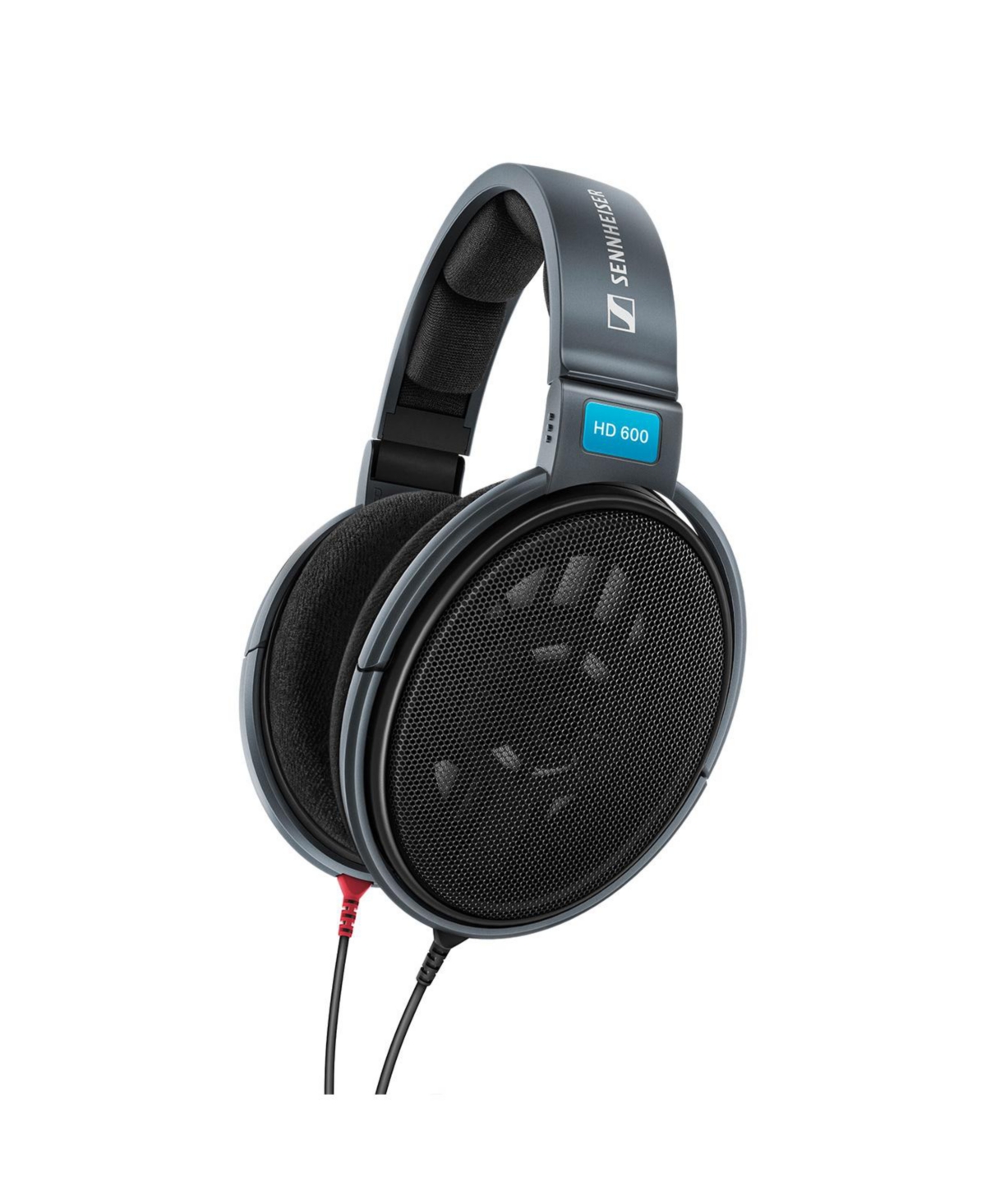
9. Sennheiser HD 600 — Best Wired Audiophile Headphones
The Sennheiser HD 600 proves that a headphone does not need Bluetooth, ANC, an app, or annual product refreshes to remain relevant. Its open-back design has been used for decades as a reference point for analytical, high-fidelity listening.
The HD 600 is designed around tonal balance, clarity, and home listening rather than portability. There is no attempt to isolate you from your surroundings, and anyone nearby will hear some of what you are listening to. That makes it unsuitable for commuting but excellent for quiet rooms where sound quality matters more than convenience.
It also illustrates an important point about headphone value: newer is not always better. A well-established wired design can remain competitive for many years because it does not depend on battery longevity, wireless standards, or software features.
Best for: critical home listening, audiophile systems, and buyers who prioritize natural wired sound over wireless convenience.
Pros
✅ Long-established reference headphone
✅ Balanced, analytical presentation
✅ Open-back design creates a spacious listening experience
✅ No battery or Bluetooth obsolescence
✅ Replacement accessories remain available
Cons
❌ No wireless connectivity
❌ No noise isolation
❌ Open-back sound leakage makes it unsuitable for shared public spaces
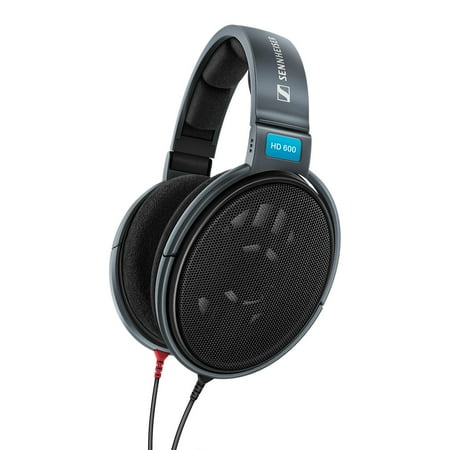
Alternative: Choose the Sennheiser HDB 630 if you want a more convenient wireless interpretation of sound-focused listening.
10. Beyerdynamic DT 900 Pro X — Best Open-Back / Studio Pick
The Beyerdynamic DT 900 Pro X is another wired open-back option, but its role differs from the HD 600. Beyerdynamic positions it directly for critical listening, mixing, and mastering, using the company’s STELLAR.45 driver with a 48-ohm impedance that makes it practical with a broader range of devices.
The DT 900 Pro X aims for detailed, spacious, transparent sound and uses replaceable components such as detachable cables and ear pads. That repair-friendly approach is particularly appealing for professional and long-term use.
For normal commuting it makes little sense, but in a home studio or quiet listening room it provides a more work-oriented alternative to mainstream wireless headphones.
Best for: home studios, editing, mixing, critical listening, and buyers who want a durable open-back headphone with replaceable parts.
Pros
✅ Detailed, spacious open-back sound
✅ Designed for critical listening and mixing
✅ 48-ohm design works with a wide range of equipment
✅ Detachable cables
✅ Replaceable components improve long-term usability
Cons
❌ No Bluetooth or ANC
❌ Open design leaks sound
❌ Studio-oriented presentation is less convenient for everyday travel
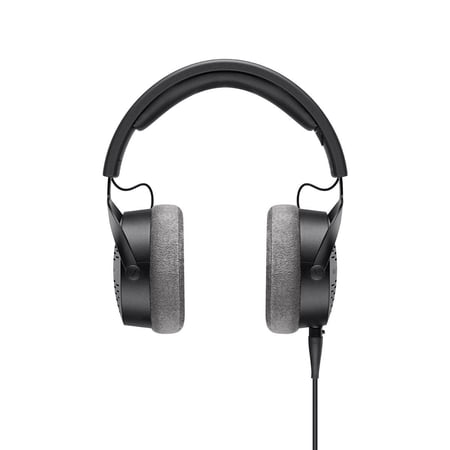
Alternative: Choose the Sennheiser HD 600 for a classic audiophile reference headphone, or a closed-back model if isolation is necessary.
Best Headphones by Use Case
For most people: Sony WH-1000XM6 offers the best balance of ANC, portability, calls, battery life, and customization.
For long flights: Bose QuietComfort Ultra Headphones (2nd Gen) are especially appealing when comfort and noise cancellation are your first priorities.
For sound quality over Bluetooth: Sennheiser HDB 630 provides a more sound-focused tuning philosophy and unusually advanced EQ and connectivity options.
For Apple users: AirPods Max 2 make the most sense when you already use iPhone, Mac, and other Apple devices.
For budget buyers: Soundcore Space Q45 delivers the key features most shoppers want without flagship pricing.
For serious home listening: Sennheiser HD 600 remains the better fit if wireless features and isolation do not matter.
For home studios: Beyerdynamic DT 900 Pro X combines an open-back design with practical studio-oriented durability and replaceable parts.
Are Last-Generation Headphones Still Worth Buying?
Yes—when the price difference is large enough.
A new generation usually brings incremental improvements in areas such as ANC processing, call quality, comfort, software features, or connectivity. That does not instantly make the previous model bad. In fact, previous-generation premium headphones can become some of the best value purchases once retailers begin clearing inventory.
Sony is a good example. The WH-1000XM6 is the stronger overall headphone, but a heavily discounted WH-1000XM5 may still be the smarter purchase for someone who values price more than the final step in performance.
The key is comparing the actual price gap. Saving $20 on an older flagship may not justify giving up newer features, while saving $100 or more can change the calculation completely. Check current prices rather than relying on launch MSRP.
How Much Should You Spend on Headphones?
Under $150: expect solid everyday wireless performance, useful ANC, and long battery life, but usually less refined microphones, materials, and noise cancellation. Soundcore Space Q45 represents this type of value-focused purchase well.
$200–$350: this range often contains excellent previous-generation flagships and strong upper-midrange competitors. It can be the sweet spot when premium models go on sale.
$350–$500: flagship wireless headphones dominate this range, including products focused on advanced ANC, better microphones, premium materials, stronger apps, and ecosystem features.
Above $500: price increasingly reflects specialization, luxury construction, ecosystem integration, or audiophile performance rather than universally better everyday usability. Spend this much only when you know which specific advantage you are paying for.
Wireless vs. Wired Headphones
Wireless headphones are the better choice for commuting, travel, work calls, and general convenience. ANC, microphones, multipoint Bluetooth, apps, and portable folding designs make them dramatically easier to use away from a dedicated listening space.
Wired headphones remain compelling for home listeners who value simplicity, longevity, and sound quality without worrying about batteries or changing Bluetooth standards. Open-back wired headphones can also create a sense of space that closed ANC models are not designed to replicate.
Neither format is automatically superior. The better choice depends on whether you value mobility or a dedicated listening experience.
Best Headphones FAQ
What are the best headphones overall?
The Sony WH-1000XM6 is our best overall recommendation because it combines excellent active noise cancellation, strong sound customization, good call performance, travel-friendly portability, and up to 30 hours of battery life without having a major weakness for everyday users.
Are Sony or Bose headphones better?
Sony is the stronger all-round recommendation for most shoppers, while Bose is especially attractive for listeners who prioritize comfort and premium noise cancellation. The better choice depends on fit, preferred sound, price, and which features matter most.
What headphones have the best sound quality?
For wireless listening, the Sennheiser HDB 630 is our sound-focused recommendation thanks to its neutral tuning, advanced EQ, high-resolution connectivity, and flexible wired options. For dedicated wired home listening, the Sennheiser HD 600 remains an excellent reference choice.
What are the best budget noise cancelling headphones?
The Soundcore Space Q45 is our budget ANC choice because it combines adaptive noise cancellation, LDAC support, long battery life, and app-based customization at a much lower price than premium Sony and Bose models.
Are expensive headphones worth it?
Premium headphones can be worth the extra cost when you value class-leading ANC, better comfort, premium construction, advanced sound controls, or specific ecosystem features. They are not automatically better value, however. A discounted previous-generation flagship or good midrange model may provide most of the experience for much less.
Are wired headphones better than wireless headphones?
Wired headphones are often better suited to dedicated home listening because they do not depend on batteries, wireless codecs, or Bluetooth processing. Wireless headphones are far more convenient for travel, commuting, calls, and everyday movement. The best format depends on how and where you listen.
Are open-back headphones good for everyday use?
Open-back headphones can sound spacious and natural, but they leak audio and provide almost no isolation from surrounding noise. They are excellent for quiet home listening and studio work but usually poor choices for offices, public transport, flights, or shared rooms.
How can I get the best price on headphones?
Compare the exact model across several retailers and pay particular attention when a new generation launches. Previous-generation flagship headphones often receive substantial discounts while remaining very capable. Use the Discompare price cards above to compare current offers rather than relying only on manufacturer launch prices.
Final Verdict
The Sony WH-1000XM6 is the best headphone for most buyers because it performs well across the areas that affect everyday use: noise cancellation, sound, portability, calls, battery life, and customization. It is not automatically the best in every individual category, and that distinction matters.
Choose Bose QuietComfort Ultra Headphones (2nd Gen) when comfort and ANC dominate your decision. Pick Sennheiser HDB 630 when wireless sound quality and advanced tuning matter more. Apple users who want the deepest ecosystem integration should consider AirPods Max 2, while the Soundcore Space Q45 demonstrates how much of the premium feature set is now available for considerably less money.
For home listening, do not overlook wired options. The Sennheiser HD 600 and Beyerdynamic DT 900 Pro X serve a completely different purpose from travel-oriented ANC headphones and can remain useful long after wireless batteries and standards change.
Most importantly, compare prices before buying. The technically best headphone is not always the smartest deal, and a large discount on the right alternative can matter more than a small difference in performance.
Sources
- Sony — official WH-1000XM6 product information and specifications.
- Bose — official QuietComfort Ultra Headphones (2nd Gen) product information.
- Sennheiser — official HDB 630 and HD 600 specifications.
- Apple — official AirPods Max 2 product information and technical specifications.
- JBL — official Tour One M3 Smart Tx specifications.
- Bowers & Wilkins — official Px7 S3 product information.
- Cambridge Audio — official Melomania P100 SE specifications.
- Soundcore — official Space Q45 specifications.
- Beyerdynamic — official DT 900 Pro X product information.
- RTINGS — independent headphone measurements and comparative testing.
- SoundGuys — independent lab testing and headphone comparisons.
- What Hi-Fi? — editorial headphone testing and current-generation comparisons.
- WIRED — real-world wireless headphone testing and head-to-head comparisons.
Product Groups: Sony WH-1000XM6, Bose QuietComfort Ultra Headphones 2nd Gen, Sennheiser HDB 630, Apple AirPods Max 2, JBL Tour One M3 Smart Tx, Bowers & Wilkins Px7 S3, Cambridge Audio Melomania P100 SE, Soundcore Space Q45, Sennheiser HD 600, Beyerdynamic DT 900 Pro X