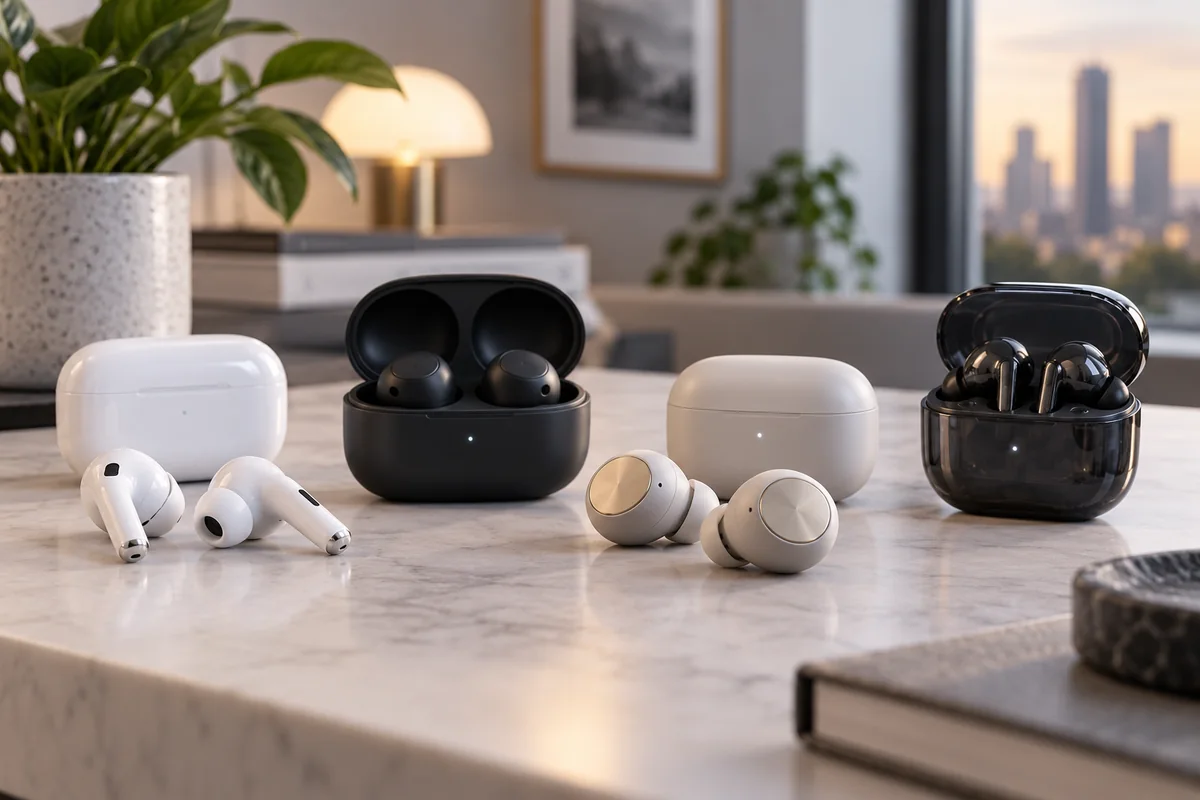
Best Wireless Earbuds in 2026: Top 10 Picks
The best wireless earbuds need to do much more than play music well. A great pair should fit securely, stay comfortable for long listening sessions, handle phone calls clearly, provide useful battery life, and work well with the phone or laptop you already own. For commuters and travelers, active noise cancellation can matter just as much as sound quality, while runners may care more about stability and water resistance.
That is why there is no single pair of best wireless earbuds for every buyer. AirPods make the most sense inside Apple’s ecosystem, Samsung and Google offer features designed around their own phones, while Sony, Bose, Technics, Soundcore, Nothing, JBL, and Beats compete on noise cancellation, sound, calls, sport performance, and value.
For this guide, we selected ten true wireless earbuds with clearly different strengths instead of filling the list with similar premium models. We compared current specifications, platform compatibility, fit options, noise cancellation, charging systems, call features, retailer availability, and value. Discompare’s live price cards can then help you see whether the technical winner is also the smartest purchase at today’s price.
Quick Answer: The Best Wireless Earbuds
Best Overall: Sony WF-1000XM6 — Sony combines flagship adaptive noise cancellation, LDAC support, improved call processing, and a redesigned secure fit in one platform-flexible pair.
Best for iPhone: Apple AirPods Pro 3 — up to 8 hours with ANC, IP57 resistance, five ear-tip sizes, and deep Apple ecosystem integration make them the strongest choice for most iPhone owners.
Best Sound Quality: Technics EAH-AZ100 — a Magnetic Fluid Driver, LDAC, adaptive ANC, and three-device multipoint make it unusually strong for serious listening without giving up wireless convenience.
Best Noise Cancelling: Bose QuietComfort Ultra Earbuds (2nd Gen) — Bose combines its strongest in-ear ANC with CustomTune, stability bands, improved call processing, and a wireless charging case.
Best Budget: Nothing Ear (a) — LDAC, 45 dB ANC, dual-device connection, and up to 42.5 hours with the case give it a strong feature-to-price ratio.
How We Selected These Wireless Earbuds
Discompare does not operate an acoustic measurement laboratory, so we do not claim to have independently measured every earbud in this guide. Instead, we compared current manufacturer specifications, platform compatibility, retailer availability, independent expert evaluations, pricing position, and the features that matter most in real-world use.
Each product also needed a clear reason to make the Top 10. We considered sound quality, active noise cancellation, transparency modes, microphone performance, battery life, charging case functionality, Bluetooth connectivity, water resistance, fit options, workout stability, ecosystem-specific features, and overall value. We deliberately avoided awarding the same strength to multiple products when another model offered a more distinctive use case.
Wireless Earbuds Buying Guide: What Actually Matters?
Fit and Ear-Tip Seal
Fit is one of the most important differences between true wireless earbuds. A poor seal can reduce bass, weaken noise isolation, and make active noise cancellation less effective. Look for several ear-tip sizes and do not assume the preinstalled medium tips are automatically correct for your ears.
Noise Cancellation and Transparency
Noise cancelling earbuds are especially useful on aircraft, trains, busy streets, and shared offices. ANC performance matters, but transparency mode matters too: good earbuds should let you hear announcements or conversations without removing them.
Phone Ecosystem
The phone you own can change which earbuds offer the best value. AirPods Pro 3 unlock their strongest integration with Apple devices, Galaxy Buds4 Pro are most capable with recent Galaxy hardware, and Pixel Buds Pro 2 offer their deepest software integration on Android and Pixel phones. Cross-platform models such as Sony and Technics can be better choices if you switch between different brands.
Calls and Microphones
If you regularly take meetings outdoors or in noisy rooms, microphone processing deserves as much attention as music quality. Wind handling, voice isolation, multiple microphones, and AI-based noise suppression can make a much larger difference than another small improvement in bass response.
Battery Life and the Charging Case
An earbud’s single-charge figure tells only part of the story. The charging case determines how long you can travel before finding an outlet, whether wireless charging is available, and in products such as JBL Tour Pro 3, whether the case can do much more than simply recharge the earbuds.
Water Resistance and Sport Use
For sport earbuds, secure fit and sweat resistance matter more than premium materials. An IP rating does not make earbuds indestructible, but it helps identify models designed to tolerate sweat, rain, and everyday exercise.
Earbuds or Full-Size Wireless Headphones?
Wireless earbuds win on portability. They fit into a pocket, work well for commuting and exercise, and can provide impressive ANC without the bulk of an over-ear design. Full-size headphones generally offer more physical room for batteries and drivers and may be more comfortable for people who dislike having anything inserted into the ear canal.
If you prefer over-ear models, see our Best Headphones 2026: Top Picks & Buying Guide. Shoppers specifically interested in cable-free over-ear options should also explore Best Wireless Headphones for Every Budget 2026.
Related Audio Guides
Earbuds are only one way to build a portable audio setup. If you want music without wearing anything in your ears, our Portable Bluetooth Speakers: Top Picks guide covers wireless speakers designed for rooms, travel, and outdoor use. Buyers comparing two popular portable-speaker ecosystems can go deeper with JBL Flip 7 vs UE BOOM 4.
Listeners who prioritize branded headphone sound and styling can also explore Popular Beats Headphones for Audiophiles. For larger-screen entertainment, our Best Soundbars for Home Theaters 2026 guide is a better starting point for improving TV audio than buying another pair of personal headphones.
Top 10 Wireless Earbuds: Quick Comparison
Earbud prices change frequently, and flagship models often receive substantial discounts when a newer generation appears. Use the live comparison below to check current retailer offers before assuming MSRP reflects the price you actually need to pay.


![Samsung Galaxy Buds 4 Pro (2026) Live Translation, Black [US Version]](https://i.ebayimg.com/images/g/HmsAAeSwqP5pwrnq/s-l1600.jpg)

10 Best Wireless Earbuds in 2026
1. Sony WF-1000XM6 — Best Overall
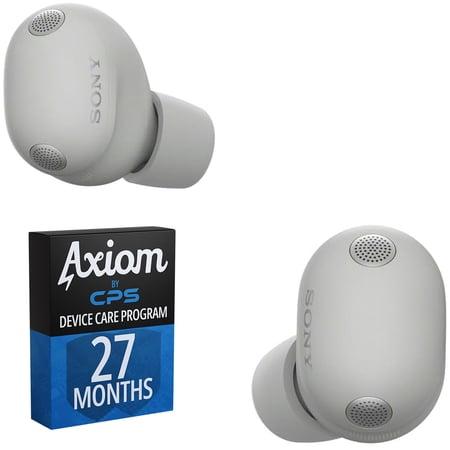
The Sony WF-1000XM6 is our best overall choice because it brings together the features most mainstream buyers want without locking the experience to one phone brand. Sony focuses the XM6 on adaptive noise cancellation, detailed sound, clearer calls, and a revised ergonomic design intended to improve everyday fit.
The strongest reason to choose Sony is balance. Bose is a stronger specialist if maximum ANC is your only priority, Technics is especially compelling for sound-focused buyers, and AirPods provide deeper integration with iPhone. The WF-1000XM6 sits between those extremes and makes sense for someone who wants one premium pair for commuting, work, travel, music, and calls.
Sony also supports LDAC on compatible devices and uses its Sound Connect software for EQ and other listening features. That makes the XM6 more flexible for Android users than ecosystem-specific earbuds while still working with iPhones and computers. Sony itself positions this generation around its strongest noise cancellation and call quality in the WF line.
Key specs: Adaptive ANC, LDAC support, Sound Connect app, secure in-ear design.
Best for: buyers who want one premium true wireless earbud that works well across different phones and everyday use cases.
Pros
✅ Excellent all-round feature set
✅ Strong adaptive noise cancellation
✅ LDAC support for compatible devices
✅ Improved focus on call clarity
✅ More platform-flexible than ecosystem-specific rivals
Cons
❌ Premium pricing
❌ Ear-tip fit will still vary from person to person
❌ Apple and Samsung users may prefer deeper ecosystem integration elsewhere

Alternative: Choose the Bose QuietComfort Ultra Earbuds (2nd Gen) if reducing outside noise is more important than platform flexibility.
2. Apple AirPods Pro 3 — Best for iPhone
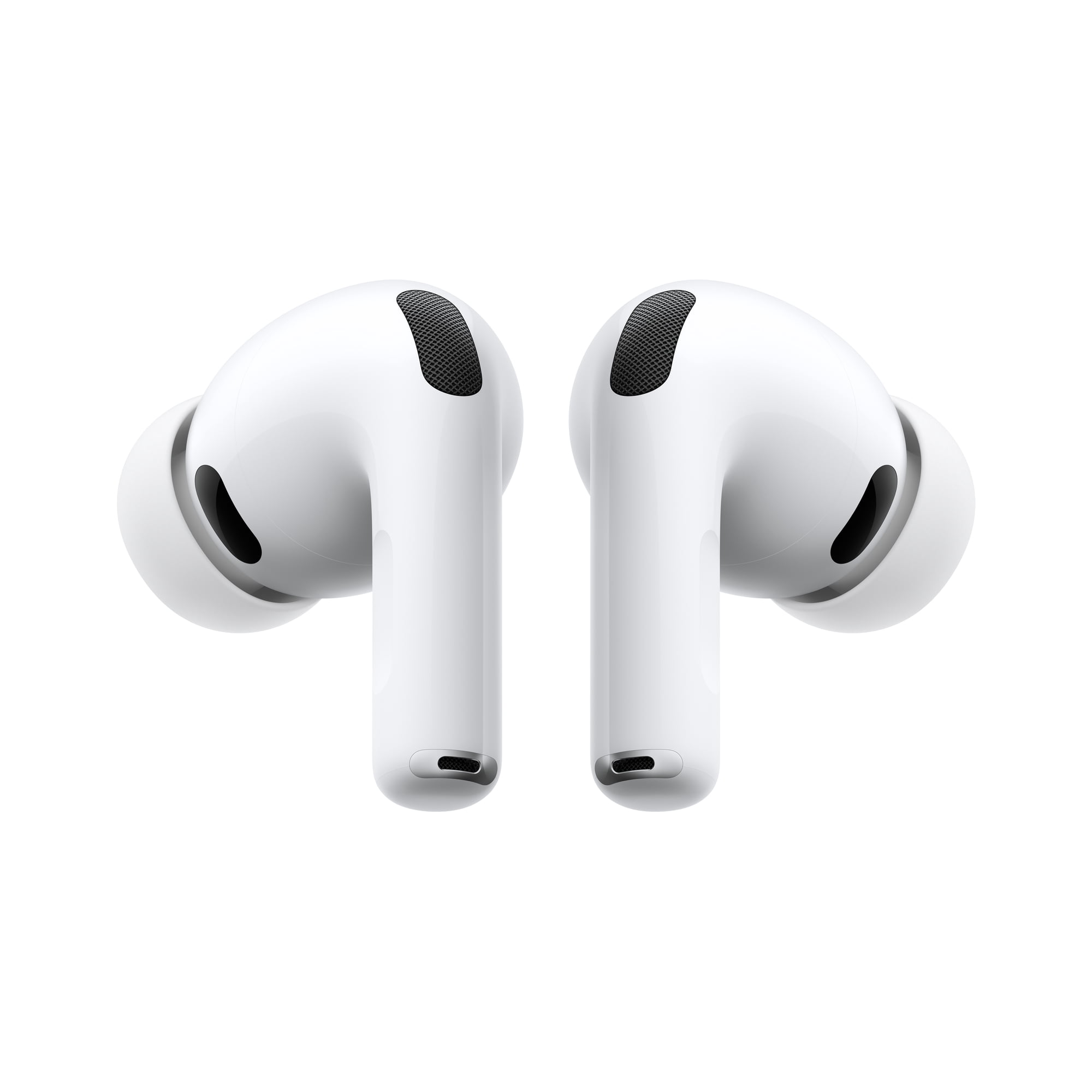
The Apple AirPods Pro 3 are the most natural recommendation for iPhone owners because much of their value comes from how seamlessly they work with Apple’s wider ecosystem. The H2-based platform supports active noise cancellation, Transparency mode, Personalized Spatial Audio, automatic behavior across Apple devices, and features tightly integrated with iOS.
Apple also improved the physical side of the product. AirPods Pro 3 include five ear-tip sizes and carry an IP57 dust, sweat, and water-resistance rating. Battery life reaches up to eight hours of listening with active noise cancellation enabled, which makes the buds more practical for longer travel days.
The trade-off is straightforward: Android users can still use AirPods as Bluetooth earbuds, but they do not receive the full Apple-specific experience. That makes Sony or Technics a better value when you regularly switch between different operating systems.
Key specs: H2 platform, up to 8 hours with ANC, IP57, five ear-tip sizes, Spatial Audio.
Best for: iPhone, iPad, and Mac users who want the smoothest Apple ecosystem experience.
Pros
✅ Excellent integration with Apple devices
✅ Up to 8 hours with ANC enabled
✅ Five ear-tip sizes improve fit options
✅ IP57 resistance
✅ Strong transparency and spatial-audio feature set
Cons
❌ Best features depend on Apple hardware
❌ Premium price compared with budget true wireless earbuds
❌ Android users have more flexible alternatives

Alternative: Choose Sony WF-1000XM6 if you use both Apple and non-Apple devices and want fewer ecosystem limitations.
3. Technics EAH-AZ100 — Best Sound Quality
The Technics EAH-AZ100 is our sound-focused choice for buyers who still want all the convenience of premium Bluetooth earbuds. Its Magnetic Fluid Driver is designed to reduce distortion and improve bass accuracy and detail, while LDAC support enables higher-data-rate wireless audio with compatible devices.
Technics does not treat audio quality as an excuse to ignore practical features. The AZ100 also includes adaptive noise cancellation, Voice Focus AI, IPX4 resistance, spatial-audio support, and one of the most useful multipoint implementations in this guide: simultaneous connection to up to three devices. That can be especially valuable if you switch between a work laptop, personal phone, and tablet.
The main reason not to choose Technics is simplicity. Buyers who mainly want seamless iPhone integration may prefer AirPods, while people who prioritize the strongest possible ANC may prefer Bose. The AZ100 is for someone who is willing to care about sound quality and connectivity details.
Key specs: Magnetic Fluid Driver, LDAC, adaptive ANC, three-device multipoint, IPX4.
Best for: music-focused listeners and multi-device users who want premium sound without switching to wired headphones.
Pros
✅ Magnetic Fluid Driver
✅ LDAC high-resolution wireless support
✅ Multipoint connection to three devices
✅ Adaptive noise cancellation
✅ Strong balance of sound and practical features
Cons
❌ Premium pricing
❌ Less ecosystem-specific convenience than AirPods or Galaxy Buds
❌ Advanced features may be unnecessary for casual listeners
Alternative: Choose Sony WF-1000XM6 if you want a more conventional all-round flagship with a stronger emphasis on ANC and everyday usability.
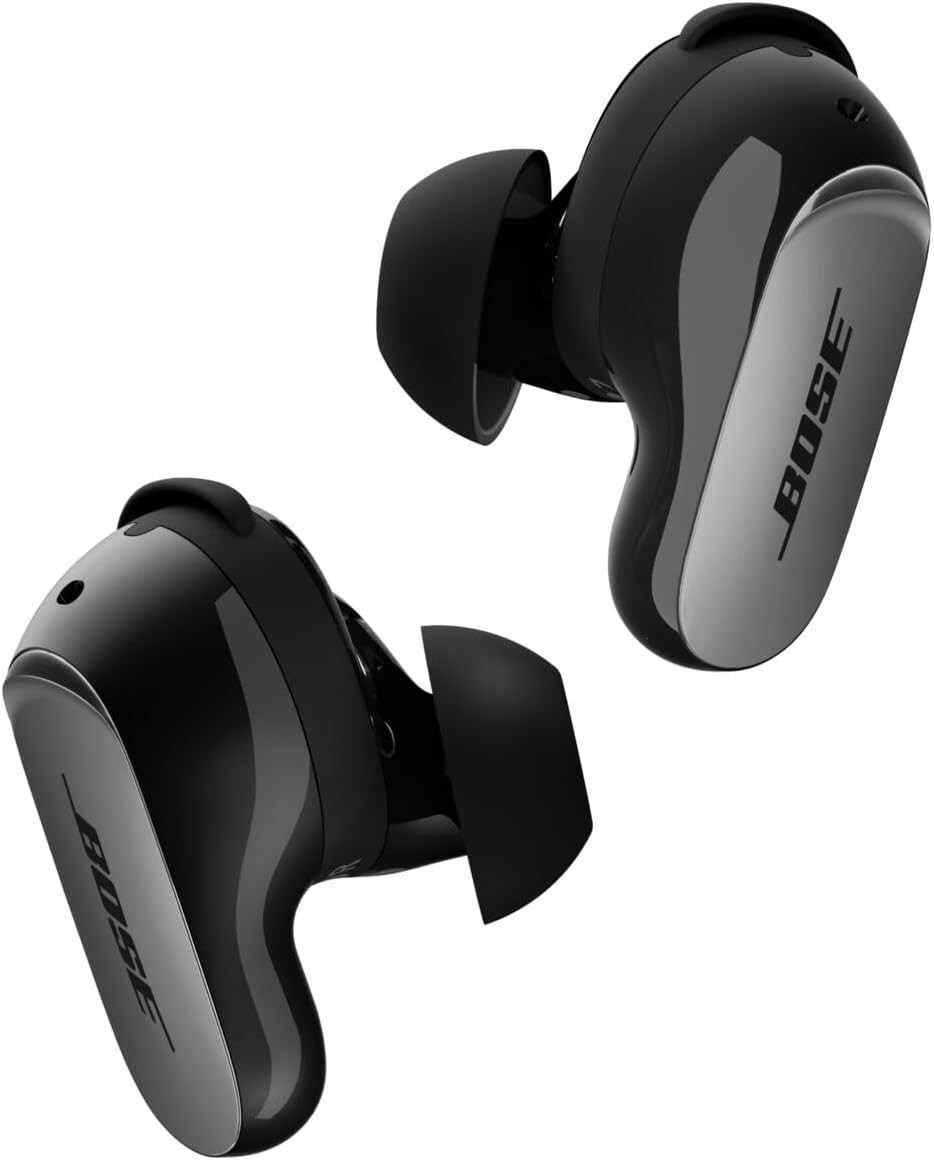
4. Bose QuietComfort Ultra Earbuds (2nd Gen) — Best Noise Cancelling
The Bose QuietComfort Ultra Earbuds (2nd Gen) are for buyers who treat outside noise as the main problem their earbuds need to solve. Bose combines active and passive isolation with CustomTune calibration, Quiet and Aware listening modes, and its Immersive Audio system.
The second generation also addresses practical weaknesses from the earlier version. Bose adds wireless charging, improved AI-based background-noise suppression for calls, updated ActiveSense technology, and case battery reporting in the Bose app. The included Fit Kit provides three ear-tip sizes and three stability-band sizes, giving users more ways to adjust seal and security. Bose rates the earbuds at up to six hours of battery life and IPX4 water resistance.
Six hours is not class-leading, and buyers who care more about codecs or battery endurance have stronger options elsewhere. Bose earns its place because ANC and fit are the priority rather than because it wins every specification category.
Key specs: Bose ANC, CustomTune, wireless charging, up to 6 hours, IPX4, stability bands.
Best for: air travel, commuting, noisy offices, and buyers whose first priority is blocking external noise.
Pros
✅ Excellent noise-cancelling focus
✅ Ear tips plus stability bands
✅ Wireless charging case
✅ Improved call-noise suppression
✅ CustomTune personalizes playback to the ear
Cons
❌ Battery life is shorter than several rivals
❌ Premium pricing
❌ Sound-focused buyers may prefer Technics
Alternative: Choose Sony WF-1000XM6 if you want excellent ANC with broader emphasis on sound customization and cross-platform use.
5. Samsung Galaxy Buds4 Pro — Best for Samsung Phones
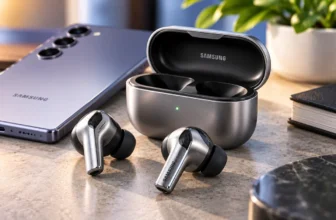
The Samsung Galaxy Buds4 Pro make the most sense when paired with a recent Galaxy device. Samsung’s ecosystem enables features that generic Bluetooth earbuds cannot fully reproduce, including its higher-resolution Samsung Seamless Codec implementation and closer integration with Galaxy software.
The Buds4 Pro use a two-way speaker configuration with a dedicated woofer and tweeter. With compatible Galaxy hardware, Samsung supports up to 24-bit/96kHz audio through its codec. Six microphones support voice-call processing, and the earbuds include 360 Audio with head tracking. Three ear-tip sizes are supplied for fit adjustment.
That platform dependence is both the strength and weakness. Galaxy owners receive a highly integrated experience, but users with another Android phone or an iPhone can get more value from platform-neutral options such as Sony or Technics.
Key specs: two-way speaker, 24-bit/96kHz Samsung codec on compatible devices, six microphones, 360 Audio.
Best for: Samsung Galaxy users who want earbuds designed around the same device ecosystem.
Pros
✅ Strong Galaxy ecosystem integration
✅ Two-way speaker system
✅ High-resolution Samsung codec support
✅ Six microphones for call processing
✅ 360 Audio with head tracking
Cons
❌ Best features require compatible Galaxy devices
❌ Less compelling for iPhone owners
❌ Cross-platform shoppers have more flexible alternatives

Alternative: Choose Technics EAH-AZ100 if you want premium Android-friendly earbuds without tying the purchase to Samsung’s ecosystem.
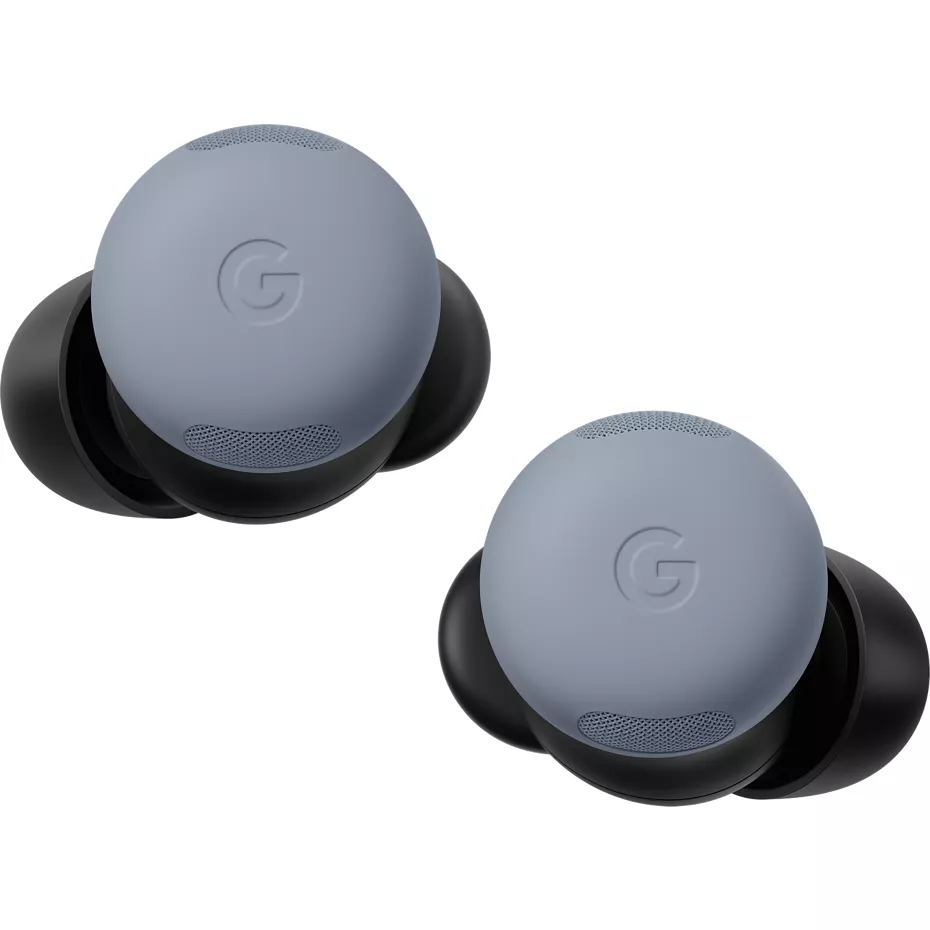
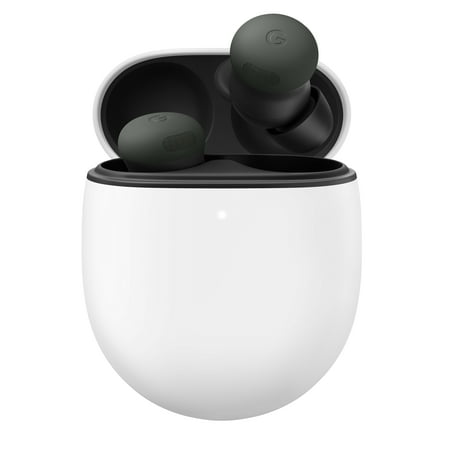
6. Google Pixel Buds Pro 2 — Best for Pixel Users & Everyday Comfort
The Google Pixel Buds Pro 2 are a strong choice for Android users who prioritize compact design, Google integration, ANC, and practical daily features. They use Google’s Tensor A1 processor and Silent Seal 2.0 active noise cancellation, along with Transparency mode and Conversation Detection.
Battery life is a major strength. Google rates the earbuds for up to eight hours with ANC enabled and up to 30 hours total with the charging case. With ANC off, those figures increase to as much as 12 hours and 48 hours total. The case supports Qi wireless charging, and the earbuds themselves are rated IP54.
The Pixel Buds Pro 2 pair with standard Bluetooth devices, including iOS, but full functionality requires Android. That makes them most compelling for Pixel owners or Android users who plan to use Google’s software features.
Key specs: Tensor A1, Silent Seal 2.0 ANC, up to 8 hours with ANC, up to 30 hours with case, Qi charging, IP54.
Best for: Pixel and Android users who want compact premium earbuds with strong battery life and Google software integration.
Pros
✅ Up to 8 hours with ANC
✅ Up to 30 hours total with ANC and case
✅ Qi wireless charging
✅ Conversation Detection and Transparency mode
✅ Four supplied ear-tip sizes
Cons
❌ Full features favor Android users
❌ Less useful for an Apple-only setup
❌ Sony and Bose remain stronger specialist choices in other categories
Alternative: Choose Sony WF-1000XM6 if you want a premium pair that is less dependent on Google’s ecosystem.
7. Powerbeats Pro 2 — Best Sport Earbuds
The Powerbeats Pro 2 are built around a problem that normal stem-style earbuds cannot always solve: staying securely in place during running, gym sessions, and fast movement. Beats uses nickel-titanium reinforced ear hooks rather than relying only on pressure from an ear tip.
Five ear-tip sizes give users additional control over seal, while IPX4 sweat and water resistance makes the design suitable for normal exercise conditions. The earbuds also support active noise cancellation and Transparency mode. A heart-rate sensor can provide real-time workout data through compatible fitness apps, and the Apple H2 chip enables especially deep Apple integration while Beats continues to support Android through its app.
The obvious trade-off is size. Ear hooks are more secure but less discreet than compact true wireless earbuds. If you are not exercising regularly, a smaller model may make more sense.
Key specs: reinforced ear hooks, five ear-tip sizes, IPX4, ANC, Transparency mode, workout heart-rate monitoring.
Best for: runners, gym users, cyclists in appropriate environments, and anyone who struggles to keep conventional earbuds securely fitted.
Pros
✅ Secure reinforced ear-hook design
✅ Five ear-tip sizes
✅ IPX4 sweat and water resistance
✅ Heart-rate monitoring for workouts
✅ Compatible with both Apple and Android
Cons
❌ Larger than standard true wireless earbuds
❌ Ear hooks are unnecessary for casual listening
❌ IPX4 is useful for sweat but is not designed for swimming
Alternative: Choose AirPods Pro 3 if you want Apple integration and workout capability in a smaller conventional earbud design.
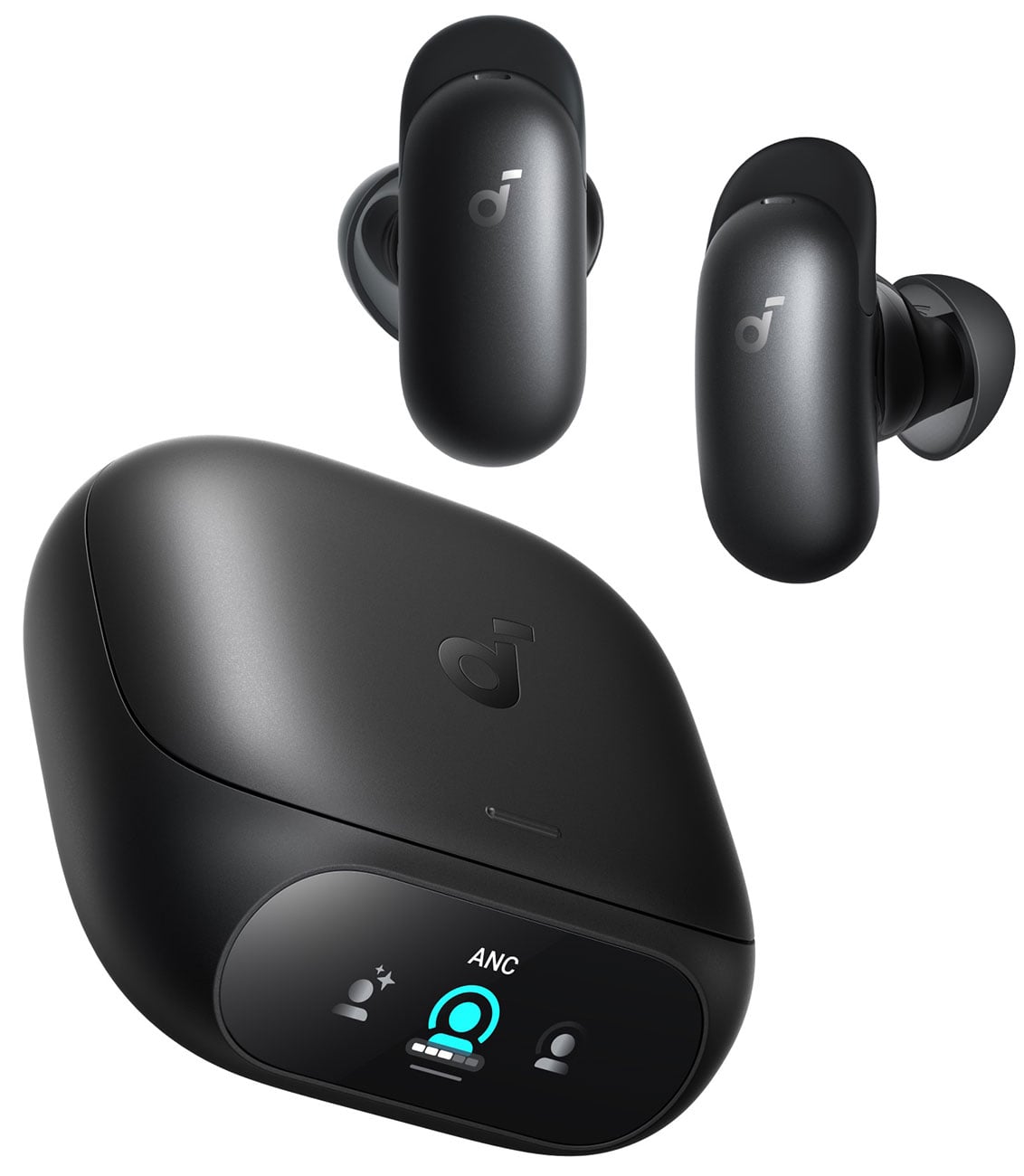
8. Soundcore Liberty 5 Pro — Best Wireless Earbuds for Calls
The Soundcore Liberty 5 Pro earns its place because voice quality is its central design goal rather than an afterthought. Soundcore uses eight microphones, two voice pickup units, and its Thus AI processing platform to separate the user’s voice from background noise.
The earbuds also include Adaptive ANC 4.0, multipoint connectivity, HearID customization, and exceptionally fast charging: Soundcore states that five minutes of charging can provide up to four hours of playback. Each earbud weighs approximately 5.5 grams.
This is particularly relevant for hybrid workers who regularly take calls from trains, cafés, airports, or shared spaces. Sony and AirPods are stronger all-round consumer recommendations, but buyers who repeatedly complain that other people cannot hear them clearly should put microphone performance much higher on the priority list.
Key specs: eight microphones, two VPUs, AI call processing, Adaptive ANC 4.0, multipoint, 5-minute fast charge.
Best for: remote workers, frequent phone callers, and people who regularly take meetings in noisy environments.
Pros
✅ Strong emphasis on microphone clarity
✅ Eight microphones plus two VPUs
✅ Adaptive ANC 4.0
✅ Multipoint connectivity
✅ Very fast top-up charging
Cons
❌ Call-focused features may be unnecessary for music-only users
❌ Less established premium positioning than Sony or Bose
❌ Buyers deep in Apple or Samsung ecosystems may prefer first-party options
Alternative: Choose Sony WF-1000XM6 if you want strong calls combined with a more complete premium all-round feature set.
9. Nothing Ear (a) — Best Affordable Earbuds
The Nothing Ear (a) demonstrates why the newest model is not always the best-value purchase. Although it is not the newest earbud in Nothing’s lineup, it remains available directly from the manufacturer at a reduced price and still offers specifications that compare well with many affordable competitors.
Nothing rates Ear (a) for up to 42.5 hours of total playback with the case, 45 dB active noise cancellation, dual-device connection, and LDAC high-resolution Bluetooth support. Each earbud weighs approximately 4.8 grams. The earbuds also carry an IP54 rating for water and dust resistance.
That combination makes Ear (a) particularly interesting for Discompare shoppers: it is a case where current street price can matter more than launch date. If retailers heavily discount a capable older model, it can become a smarter purchase than a technically newer alternative.
Key specs: 45 dB ANC, LDAC, dual connection, up to 42.5 hours total, IP54.
Best for: shoppers looking for affordable earbuds with ANC and high-resolution Bluetooth support.
Pros
✅ Excellent value when discounted
✅ LDAC support
✅ 45 dB ANC rating
✅ Dual-device connection
✅ Up to 42.5 hours with charging case
Cons
❌ It is no longer Nothing’s newest generation
❌ Premium rivals offer more advanced ANC and call processing
❌ Value depends heavily on the current sale price
Alternative: Move up to Sony WF-1000XM6 if you want flagship ANC and call performance instead of maximizing value.
10. JBL Tour Pro 3 — Best Charging Case & Travel Features
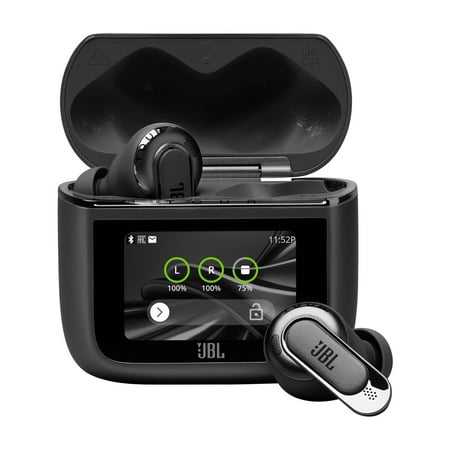
The JBL Tour Pro 3 has the most unusual charging case in this guide. JBL’s Smart Charging Case uses a 1.57-inch touchscreen that lets users control settings, see information, and manage playback without opening the phone app.
More importantly, the case doubles as a wireless audio transmitter. Connect it to an AUX or USB-C source and it can send that audio wirelessly to the earbuds. That is particularly useful on aircraft entertainment systems, gym equipment, televisions, and other devices that do not offer convenient Bluetooth headphone pairing.
The earbuds themselves use a hybrid dual-driver design, LDAC, True Adaptive Noise Cancelling 2.0, and JBL Spatial 360 with head tracking. The Tour Pro 3 therefore makes sense not because a screen on a charging case looks futuristic, but because the case solves a genuine connectivity problem for travelers.
Key specs: 1.57-inch Smart Charging Case, AUX/USB-C audio transmitter, dual drivers, LDAC, adaptive ANC.
Best for: frequent travelers and buyers specifically looking for earbuds with a charging case that does more than recharge batteries.
Pros
✅ Smart Charging Case has a touchscreen
✅ Case doubles as an AUX/USB-C audio transmitter
✅ Useful for aircraft entertainment systems
✅ Hybrid dual-driver design
✅ LDAC and adaptive ANC
Cons
❌ Larger and more complex case than normal earbuds
❌ Smart-case functions are unnecessary for many buyers
❌ Simpler earbuds may offer better value if travel connectivity is not important

Alternative: Choose Sony WF-1000XM6 if you want a simpler premium earbud and do not need the JBL case’s transmitter functions.
Best Wireless Earbuds by Use Case
For most people: Sony WF-1000XM6 offers the strongest balance of ANC, sound, calls, fit, and cross-platform flexibility.
For iPhone: AirPods Pro 3 provide the deepest Apple integration and remain the logical default for most iPhone-first buyers.
For Android sound quality: Technics EAH-AZ100 combines LDAC, three-device multipoint, premium drivers, and platform flexibility.
For Samsung phones: Galaxy Buds4 Pro unlock their strongest audio and software features when used with compatible Galaxy devices.
For Pixel phones: Pixel Buds Pro 2 combine Google integration with long battery life, wireless charging, and a compact design.
For maximum noise cancellation: Bose QuietComfort Ultra Earbuds (2nd Gen) are the specialist choice.
For workouts: Powerbeats Pro 2 provide a more secure ear-hook design than conventional true wireless earbuds.
For calls: Soundcore Liberty 5 Pro put unusual emphasis on voice pickup and background-noise suppression.
For budget buyers: Nothing Ear (a) can become an excellent deal when its discounted price is substantially below newer flagship models.
For travel: JBL Tour Pro 3 can connect its Smart Charging Case directly to compatible AUX and USB-C audio sources.
How Much Should You Spend on Wireless Earbuds?
Under $100: affordable wireless earbuds can now provide ANC, app-based EQ, long case battery life, and premium Bluetooth codecs. The main compromises are usually microphone refinement, ANC strength, materials, and ecosystem features.
$100–$200: this is often the strongest value range. Discounted premium earbuds and upper-midrange models can deliver most of the features buyers actually use without flagship pricing.
$200–$300: expect premium ANC, improved microphones, better transparency modes, wireless charging, more sophisticated apps, and stronger integration with phone ecosystems.
Above $300: buyers should be able to identify the specific advantage they are paying for. Higher price does not guarantee better fit, and fit can matter more to real-world sound quality than a small specification advantage.
Are Previous-Generation Earbuds Still Worth Buying?
Yes, but only when the price difference makes sense.
Wireless earbuds age differently from wired headphones because their batteries are built in and their strongest software features can depend on current phone platforms. That means an older pair should usually be discounted more aggressively before it becomes the better buy.
Nothing Ear (a) is a good example of the value opportunity. It is no longer the newest Nothing model, but its combination of ANC, LDAC, dual connection, and current discounted pricing can still make it attractive. The same principle can apply whenever a Sony, Bose, Samsung, Google, or Apple generation is replaced.
Compare the real retailer price, not only launch MSRP. A small discount rarely justifies giving up meaningful improvements in battery life, fit, microphones, or ANC, while a much larger discount can completely change the recommendation.
How to Get a Better Fit from Wireless Earbuds
Start by trying more than one ear-tip size. Your left and right ears do not necessarily require the same tip. A proper seal should feel secure without excessive pressure and should improve bass and external-noise isolation.
If an earbud sounds thin or ANC seems surprisingly weak, fit should be one of the first things you troubleshoot. Sport users should also check whether the model uses stability wings or ear hooks rather than assuming a conventional in-ear design will stay secure during running.
Foam and silicone tips can also behave differently. Foam may improve passive isolation for some ears, while silicone can feel easier to insert and clean. The best choice is the one that creates a reliable seal without becoming uncomfortable during longer sessions.
Best Wireless Earbuds FAQ
What are the best wireless earbuds overall?
The Sony WF-1000XM6 is our best overall choice because it combines premium ANC, strong sound customization, improved call processing, and broad device compatibility without depending heavily on one phone ecosystem.
What are the best wireless earbuds for iPhone?
AirPods Pro 3 are the strongest choice for most iPhone owners because their Apple-specific integration adds value beyond standard Bluetooth audio, while five ear-tip sizes and an IP57 rating improve everyday usability.
Which wireless earbuds have the best noise cancellation?
We recommend Bose QuietComfort Ultra Earbuds (2nd Gen) when noise reduction is the top priority. Sony WF-1000XM6 is the stronger all-round alternative for buyers who want excellent ANC plus broader emphasis on sound, calls, and cross-platform use.
Which earbuds are best for phone calls?
Soundcore Liberty 5 Pro is our call-focused pick because its microphone array, voice pickup units, and AI processing are specifically designed to separate speech from noisy backgrounds.
What are the best sport earbuds?
Powerbeats Pro 2 are our sport recommendation because reinforced ear hooks create additional physical stability, while five ear-tip sizes help users create a more secure seal during movement.
Are expensive wireless earbuds worth it?
They can be, but only when you benefit from the premium feature. Flagship earbuds typically justify their price through stronger ANC, better microphone processing, advanced transparency modes, better phone integration, or specialized sound features. If those advantages do not matter to you, a discounted midrange model can be the smarter purchase.
How long should wireless earbuds last on one charge?
There is no universal target, but six to eight hours with ANC is enough for many daily routines. Consider the charging case as well: total battery life can be more important than the single-charge figure if you travel frequently.
How do I get the best price on wireless earbuds?
Compare the exact model across multiple retailers and check whether a previous generation has been discounted after a new release. Use the Discompare price cards above to compare current offers rather than relying only on manufacturer MSRP.
Final Verdict
The Sony WF-1000XM6 is the best wireless earbud for most shoppers because it offers the strongest overall balance rather than winning only one narrow category. Its combination of ANC, sound customization, call improvements, and platform flexibility makes it a practical flagship for people who want one pair to handle commuting, travel, work, and everyday listening.
That does not make Sony the right purchase for everyone. AirPods Pro 3 are more compelling for iPhone-first users, while Samsung Galaxy Buds4 Pro and Google Pixel Buds Pro 2 offer stronger integration within their own Android ecosystems. Technics EAH-AZ100 is our sound-focused recommendation, and Bose QuietComfort Ultra Earbuds (2nd Gen) remain the choice when ANC is the deciding factor.
Specialized needs deserve specialized products too. Powerbeats Pro 2 are better suited to hard workouts, Soundcore Liberty 5 Pro prioritize call clarity, and the JBL Tour Pro 3 Smart Charging Case is unusually useful for travel. Budget buyers should pay particular attention to real street prices: a discounted Nothing Ear (a) can be a smarter purchase than a newer model that costs substantially more.
The right earbud is ultimately the one that fits your ears, your devices, your daily routine, and your budget. Compare current prices before buying—the product with the highest launch price is not automatically the one offering the best value today.
Sources
- Sony — official WF-1000XM6 product information and specifications.
- Apple — official AirPods Pro 3 product information and technical specifications.
- Technics — official EAH-AZ100 product information and specifications.
- Bose — official QuietComfort Ultra Earbuds (2nd Gen) product details.
- Samsung — official Galaxy Buds4 Pro product information.
- Google — official Pixel Buds Pro 2 specifications.
- Beats — official Powerbeats Pro 2 specifications and fit guidance.
- Soundcore — official Liberty 5 Pro specifications.
- Nothing — official Ear (a) product information and support documentation.
- JBL — official Tour Pro 3 product information.
Product Groups: Sony WF-1000XM6, Apple AirPods Pro 3, Technics EAH-AZ100, Bose QuietComfort Ultra Earbuds 2nd Gen, Samsung Galaxy Buds4 Pro, Google Pixel Buds Pro 2, Powerbeats Pro 2, Soundcore Liberty 5 Pro, Nothing Ear (a), JBL Tour Pro 3