Spring Health & Fitness Trends 2026
Spring fitness does not require a complete reset. The fundamentals still matter: regular aerobic activity, strength work, enough recovery, and a routine you can maintain.
What changes in spring is opportunity. Longer days and milder weather can make walking, running, cycling, recreational sports, and outdoor training easier to fit into the week.
For this guide, we used the American College of Sports Medicine’s 2026 Worldwide Fitness Trends survey as our main trend benchmark. Then, we looked at which trends translate especially well into a spring routine.
The result is a mix of technology, social exercise, Pilates and mobility, traditional strength training, workout apps, recovery data, and functional fitness. You do not need to follow all seven. Choose the trends that solve an actual problem in your routine.
Quick Answer: 7 Spring Fitness Trends to Watch
1. Wearable technology: Fitness trackers and smartwatches remain the #1 ACSM fitness trend for 2026, but the useful part is turning their data into better habits.
2. Social fitness: Running clubs, cycling groups, pickleball, and recreational leagues bring exercise and social connection together.
3. Pilates, yoga, and core work: Balance, flow, and core training ranks #5 in ACSM’s 2026 survey after strong participation growth.
4. Strength training: Traditional resistance training remains one of the industry’s leading trends and an important part of current activity guidelines.
5. Mobile exercise apps: On-demand workouts make it easier to take structured training outside, to a hotel, or into a short home session.
6. Data-driven training: Sleep, heart rate, HRV, and recovery metrics are increasingly used to adjust workouts rather than simply record them.
7. Functional fitness: Squats, lunges, carries, mobility work, and mixed training translate naturally to outdoor activity and everyday movement.
How We Chose These Spring Fitness Trends
Our main source is ACSM’s 2026 Worldwide Fitness Trends survey. Around 2,000 clinicians, researchers, and exercise professionals contributed to the report.
ACSM also makes an important distinction between a trend and a fad. A trend reflects sustained participation, professional practice, or market adoption rather than a short burst of attention.
The ACSM list is year-round. It is not specifically a spring forecast. The spring recommendations in this guide are our practical application of those established 2026 trends as outdoor activity becomes easier.
We also excluded detox programs, miracle recovery claims, rapid-results marketing, and products that do not add a clear function.
Spring Fitness Trends at a Glance
| Trend | 2026 Signal | Why It Fits Spring | Equipment Needed? | Main Caution |
|---|---|---|---|---|
| Wearable Technology | ACSM #1 | Tracks changing outdoor activity | Optional wearable | Not every metric is equally useful |
| Social Fitness | Adult Recreation & Sport Clubs #9 | Running, cycling, pickleball, leagues | Usually minimal | Increase workload gradually |
| Pilates, Yoga & Core | Balance, Flow & Core #5 | Easy indoor/outdoor crossover | Usually mat only | Do not treat it as a replacement for every training type |
| Strength Training | ACSM #7 | Bands, weights, or bodyweight work anywhere | No | Progress load and volume gradually |
| Exercise Apps | ACSM #4 | Portable programming for outdoor or travel use | Smartphone | Quality and engagement vary |
| Data-Driven Training | ACSM #8 | Helps interpret changing training load | Usually wearable/app | Consumer scores are not medical diagnoses |
| Functional Fitness | ACSM #10 | Works well in parks and mixed workouts | Optional | “Functional” does not automatically mean superior |
1. Wearable Technology Becomes More Useful, Not Just More Complex
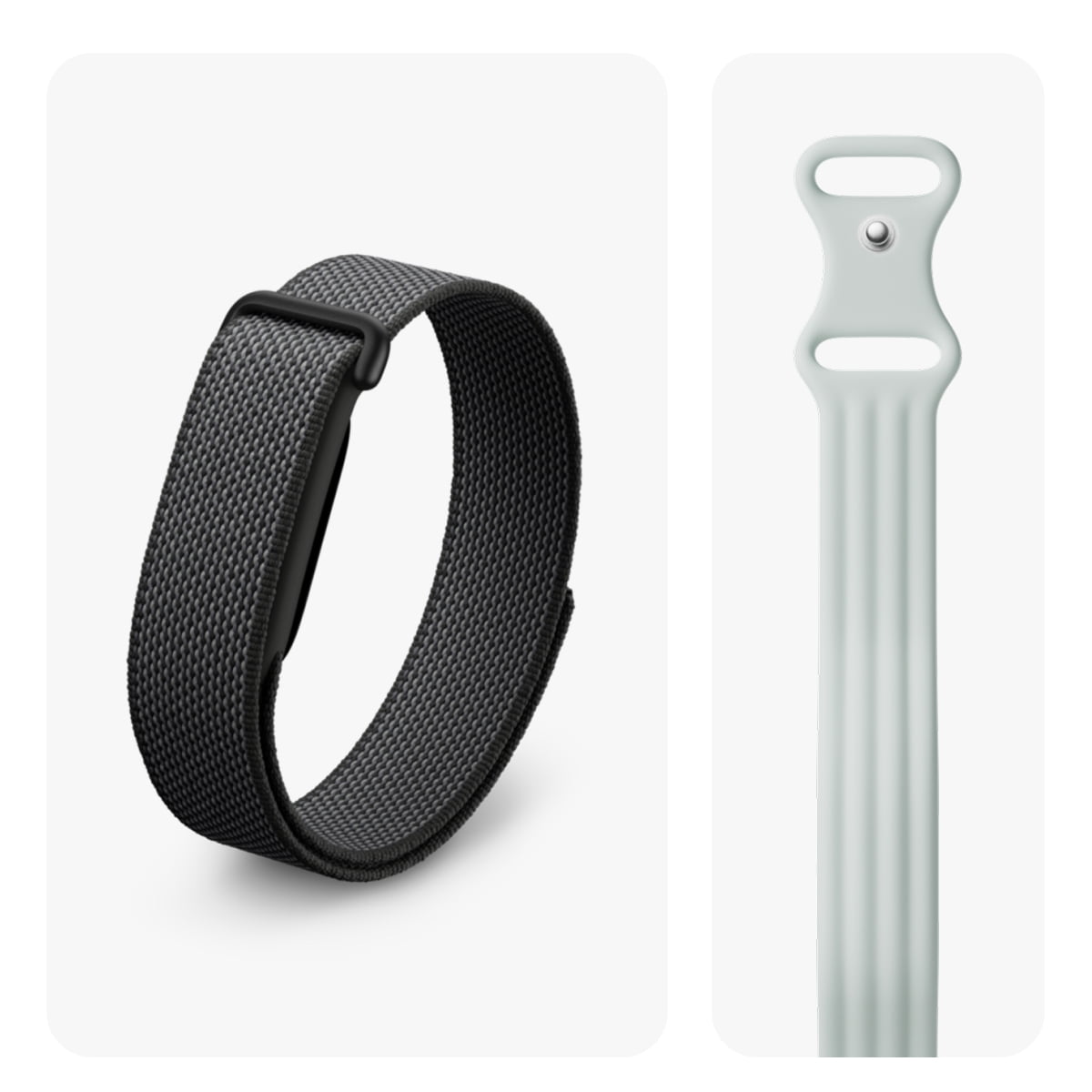
Wearable technology is ACSM’s top fitness trend for 2026. That category includes fitness trackers, smartwatches, connected sensors, and increasingly detailed health and activity metrics.
The important shift is not simply that watches can collect more information. ACSM emphasizes how people use the data for self-monitoring, accountability, and behavior change.
This fits spring particularly well. Walking, running, cycling, hiking, and outdoor sports can change weekly activity quickly after a quieter winter.
A wearable can make that change visible. For example, you may notice that your daily steps rise substantially even before starting a formal workout program.
Track Patterns Instead of Chasing Every Number
More data does not always mean better decisions. ACSM notes that wearable innovation can move faster than independent validation.
Therefore, treat many consumer metrics as trends and estimates rather than absolute measurements. Step count, workout frequency, resting heart rate, sleep duration, and training consistency may be more useful than reacting to every daily score.
If you are shopping for a tracker, our best fitness trackers guide compares current options across different budgets.
2. Running Clubs and Social Fitness Move Exercise Outdoors
Adult Recreation and Sport Clubs is new to ACSM’s top trends for 2026, entering at #9.
This category includes running clubs, cycling groups, pickleball, community leagues, and other activities that combine movement with social participation.
That makes it one of the most natural spring trends. Better weather removes some of the practical barriers that make outdoor group activity harder in winter.
Running Clubs Are About More Than Running
A running club adds a fixed time, shared route, and social commitment. For some people, that structure makes consistency easier than repeatedly deciding when to train alone.
However, joining a group can also create pressure to match someone else’s pace. New runners should choose a group that accommodates different speeds and distances.
Recreational Sports Count Too
Social fitness does not have to mean running. Pickleball, cycling, tennis, recreational soccer, and other adult leagues can also provide regular activity.
CivicScience’s 2026 consumer data points in the same direction. It found growing interest in competitive sports, classes, and socially motivated exercise, particularly among younger adults.
If running is your spring activity, our adidas running shoes guide covers road shoes for easy miles, daily training, faster sessions, and racing.

3. Pilates, Yoga, Mobility, and Core Training Keep Growing
ACSM groups Pilates, yoga, barre, mobility, balance, and related formats under Balance, Flow, and Core Strength. The category ranks #5 for 2026.
Participation in yoga, Pilates, and mobility-focused classes increased by 27% between 2022 and 2024, according to ACSM’s trend research.
CivicScience’s 2026 consumer survey also found yoga and Pilates participation rising compared with 2024.
Why It Works as a Spring Addition
These activities need little equipment and can fit between harder training days. A mat-sized space is enough for many home sessions.
They can also move outside when conditions are comfortable. A short mobility or Pilates session can pair well with walking, running, cycling, or strength work.
However, do not assume one exercise style must replace everything else. A Pilates class can provide useful core and movement work without replacing all aerobic or progressive strength training.
If you need a dedicated practice surface, our best yoga mats for home practice guide compares options for cushioning, grip, sweat, and alignment.

4. Strength Training Is Still One of the Fundamentals
Traditional Strength Training ranks #7 in ACSM’s 2026 survey. Despite changing fitness fashions, basic resistance training remains firmly in the top ten.
CDC guidance also recommends muscle-strengthening activity on at least two days each week for adults, alongside aerobic activity.
Spring Does Not Require Moving Every Workout Outside
You can keep gym-based strength training and simply add more outdoor activity around it.
Alternatively, strength work can move outside with resistance bands, dumbbells, bodyweight exercises, or public workout stations.
Squats, split squats, rows, presses, hinges, carries, and push-up variations do not require a complicated seasonal program.
More Cardio Does Not Mean Dropping Strength
One common spring mistake is replacing all winter strength work with walking or running as soon as the weather improves.
A more balanced approach is to keep a couple of regular strength sessions while adding outdoor aerobic activity gradually.
For broader clothing, footwear, and training accessories, see our workout essentials guide.
5. Mobile Exercise Apps Make Training More Portable
Mobile Exercise Apps rank #4 in ACSM’s 2026 trend list.
ACSM reports that more than 345 million people used fitness apps in 2024. The category includes live classes, recorded workouts, training plans, activity tracking, reminders, and social features.
Spring gives these apps a different role. An indoor workout platform can become a guide for outdoor running, walking, mobility, or short strength sessions.
Use Apps to Remove Friction
An app can be valuable when it answers a recurring question: What should I do today?
A structured running plan can organize mileage. A workout library can provide a 20-minute strength session when time is limited. A mobility app can guide an easier recovery day.
However, downloading an app does not guarantee consistency. ACSM notes that effectiveness depends on engagement and the quality of the program.
A Subscription Is Not Automatically Better
Before paying monthly, check what the free version already provides. Then decide whether coaching, classes, programming, or data history would actually change how you train.
If the subscription becomes another unused recurring charge, a simpler routine may be better.
6. Data-Driven Training and Recovery Become More Personalized
Data-Driven Technology ranks #8 in ACSM’s 2026 survey.
This trend overlaps with wearables but focuses on what happens after the information is collected. Sleep patterns, heart rate, HRV, training load, and recovery estimates can be used to adjust exercise.
Collection and Decision-Making Are Different
A smartwatch collecting sleep and heart-rate data is wearable technology. Reducing or changing a workout because several indicators suggest poor recovery is data-driven training.
That distinction matters. Information only becomes useful when it supports a sensible decision.
Spring Can Change Training Load Quickly
Someone who adds running, cycling, long walks, and weekend sports can increase total activity faster than expected.
Tracking patterns may help show that change. However, a consumer readiness score should not be treated as a diagnosis or an instruction that overrides symptoms or professional medical advice.
Also, avoid adjusting an entire program because of one unusual reading. Longer-term patterns usually provide more context than a single morning score.
7. Functional Fitness Fits the Move Outdoors
Functional Fitness Training rounds out ACSM’s top ten for 2026.
ACSM describes the category around strength, power, mobility, and endurance movements that support real-world physical performance. Common examples include squats, lunges, and carries.
The format adapts easily to spring because it does not depend on one machine or location.
Simple Movements Can Build a Complete Session
A park workout might combine split squats, step-ups, carries, push-ups, rows, and short walking or jogging intervals.
At home, the same idea can use dumbbells, resistance bands, or bodyweight movements.
You do not need equipment labeled “functional” to perform functional training.
Match the Shoe to the Activity
Mixed strength and conditioning sessions often benefit from a stable training shoe rather than a highly cushioned distance-running shoe.
Meanwhile, dedicated running calls for running-specific footwear. One pair does not have to be ideal for every activity.

What About Outdoor Walking and Running?
Walking does not need to appear on a trend list to remain one of the simplest ways to increase activity.
CDC uses brisk walking as an example of moderate-intensity aerobic exercise. Current guidance recommends that adults aim for at least 150 minutes of moderate-intensity aerobic activity each week, or an equivalent amount of vigorous activity, plus muscle-strengthening activity on at least two days.
You do not need to complete all 150 minutes at once. Activity can be spread across the week and divided into smaller sessions.
Running can provide vigorous activity, but beginners do not need to start there. Walking consistently is a valid way to build a more active spring routine.
How to Refresh Your Fitness Routine for Spring
Keep One Habit From Winter
Do not discard a routine that already works simply because the season changed.
If you consistently strength trained twice each week through winter, keep those sessions and build around them.
Add One Outdoor Activity
Choose something easy to repeat. That could be a brisk walk, bike ride, short run, recreational sport, or weekend hike.
One sustainable addition is usually more useful than starting five new activities at once.
Try One Social Activity
A weekly run club, walking group, class, or recreational league can add structure without taking over the whole schedule.
Add Mobility or Core Work Where It Fits
A short yoga, Pilates, or mobility session can work well on a lighter day.
It does not need to become a full hour-long class every time.
Track Only What Helps You Decide
Steps, workout frequency, sleep, or running distance may be useful. If a metric never changes your behavior, you may not need to watch it every day.
A Simple Spring Fitness Week
The schedule below is only a general example. Adjust activities, intensity, and volume for your abilities, health, and current fitness level.
| Day | Example Activity | Trend Connection |
|---|---|---|
| Monday | Strength session | Traditional strength |
| Tuesday | Brisk walk or easy run | Outdoor activity / wearable tracking |
| Wednesday | Pilates, yoga, or mobility | Balance, flow, and core |
| Thursday | Walk, cycling, or easy aerobic session | Flexible cardio |
| Friday | Strength session | Traditional / functional strength |
| Saturday | Run club, pickleball, hike, or recreational sport | Social fitness |
| Sunday | Rest, easy walk, or light mobility | Recovery |
Health note: Moderate activity is appropriate for most adults, but individual needs vary. If you have a chronic condition, disability, concerning symptoms, or have been inactive and plan to begin vigorous exercise, seek appropriate professional guidance.
Do You Need New Fitness Gear for Spring?
Usually, no.
A walking routine needs little beyond suitable footwear and weather-appropriate clothing. Bodyweight strength work can be done with no dedicated equipment.
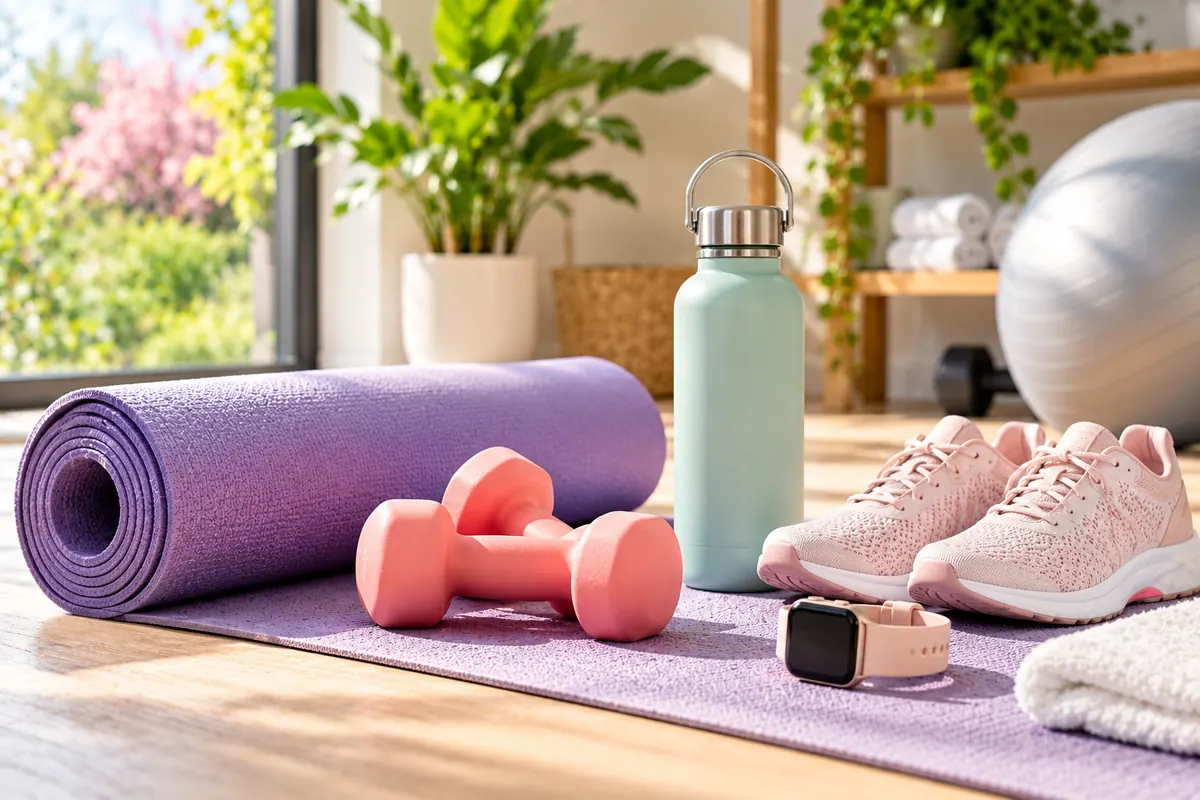
A wearable makes sense when tracking improves consistency or helps you understand your activity. A yoga mat can make floor work more comfortable. Running shoes are worth choosing around your running needs.
However, a new product should solve a real problem. Buying equipment before establishing a routine often reverses the useful order.
If colder weather previously pushed your routine indoors, our winter health and fitness products guide covers equipment designed around maintaining activity when outdoor options are less convenient.
Common Spring Fitness Mistakes
Increasing Training Too Quickly
It is easy to add running, cycling, long walks, and weekend sports at the same time when the weather improves.
Increase volume progressively instead of trying to make up for an inactive winter in two weeks.
Dropping Strength Training Completely
Outdoor cardio can increase without replacing every resistance session.
Keeping regular strength work creates a more balanced weekly routine.
Treating Wearable Scores as Diagnoses
Consumer wearables can provide useful patterns. They are not a replacement for medical evaluation.
A single sleep, HRV, or readiness score should not create unnecessary anxiety.
Buying Equipment Before Choosing an Activity
Choose the activity first. Then buy equipment only when it removes a real barrier.
Using Lifestyle Sneakers for Running
A shoe that looks athletic is not necessarily designed for regular running. Match footwear to the activity you actually perform.
Following “Detox” or Rapid-Results Programs
Spring does not create a biological need for a cleanse. Be skeptical of programs that promise dramatic results from detox products, severe restriction, or very short timelines.
Frequently Asked Questions
What are the biggest fitness trends in 2026?
ACSM’s 2026 top trends include wearable technology, programs for older adults, exercise for weight management, mobile apps, balance and core training, mental-health-focused exercise, traditional strength, data-driven training, recreation clubs, and functional fitness.
What is the number-one fitness trend in 2026?
Wearable technology ranks first in ACSM’s 2026 Worldwide Fitness Trends survey. The category includes fitness trackers, smartwatches, and connected sensors used for activity and health-related tracking.
Is Pilates still trending?
Yes. ACSM ranks Balance, Flow, and Core Strength fifth for 2026, and its research reports substantial recent participation growth in yoga, Pilates, and mobility-focused formats.
Are running clubs becoming more popular?
Social recreation is receiving more attention. Adult Recreation and Sport Clubs entered ACSM’s top 20 in 2026, with running clubs, pickleball, cycling groups, and adult leagues among the examples.
Is strength training still a fitness trend?
Yes. Traditional Strength Training ranks seventh in ACSM’s 2026 survey. CDC also recommends muscle-strengthening activity on at least two days per week for adults.
Do I need a fitness tracker?
No. A wearable is useful when its information improves accountability or helps you make decisions. Walking, running, strength training, and other exercise do not require one.
What is functional fitness?
Functional fitness combines strength, mobility, power, and endurance work around movement patterns that transfer to daily activity or sport. Squats, lunges, carries, and step-ups are common examples.
How can I restart exercise in spring?
Start with a manageable activity you can repeat, such as brisk walking. Keep or add regular strength work, then increase duration or intensity gradually instead of changing everything at once.
Final Takeaway: Which Spring Fitness Trends Are Worth Trying?
The most useful spring fitness trend is the one that makes your routine easier to continue.
Wearables and apps can provide structure, but they are optional. Running clubs and recreational sports add social accountability. Pilates and mobility offer low-equipment variety, while traditional strength training remains a foundation rather than an outdated trend.
Data can help you understand workload and recovery when interpreted sensibly. Functional fitness can also make outdoor and mixed-modal training easier to organize.
Spring is therefore a good time to expand a routine, not replace the basics. Keep what already works, add one or two useful changes, and build from there.
Quick approach: Keep strength training, add more outdoor movement, try one social or mind-body activity, and use technology only when it helps you make better decisions.
Sources
- American College of Sports Medicine — The Future of Fitness: ACSM Announces Top Trends for 2026
- American College of Sports Medicine — 2026 Fitness Trends resources and infographic
- Centers for Disease Control and Prevention — Adult Physical Activity Guidelines
- CivicScience — Fitness Trends of 2026
How we research: Discompare reviews current industry research, public-health guidance, consumer trend data, manufacturer information, and relevant product availability. The ACSM survey provides the main evidence for the 2026 trends in this article, while the spring framing is our practical seasonal interpretation. This guide provides general fitness information, not individualized medical or exercise advice. Discompare may earn a commission from eligible retailer or price-comparison links.
Product Groups: Google Fitbit Air, adidas Adizero EVO SL, Liforme Classic Yoga Mat, Reebok Nano Gym 2.0 Training Shoes