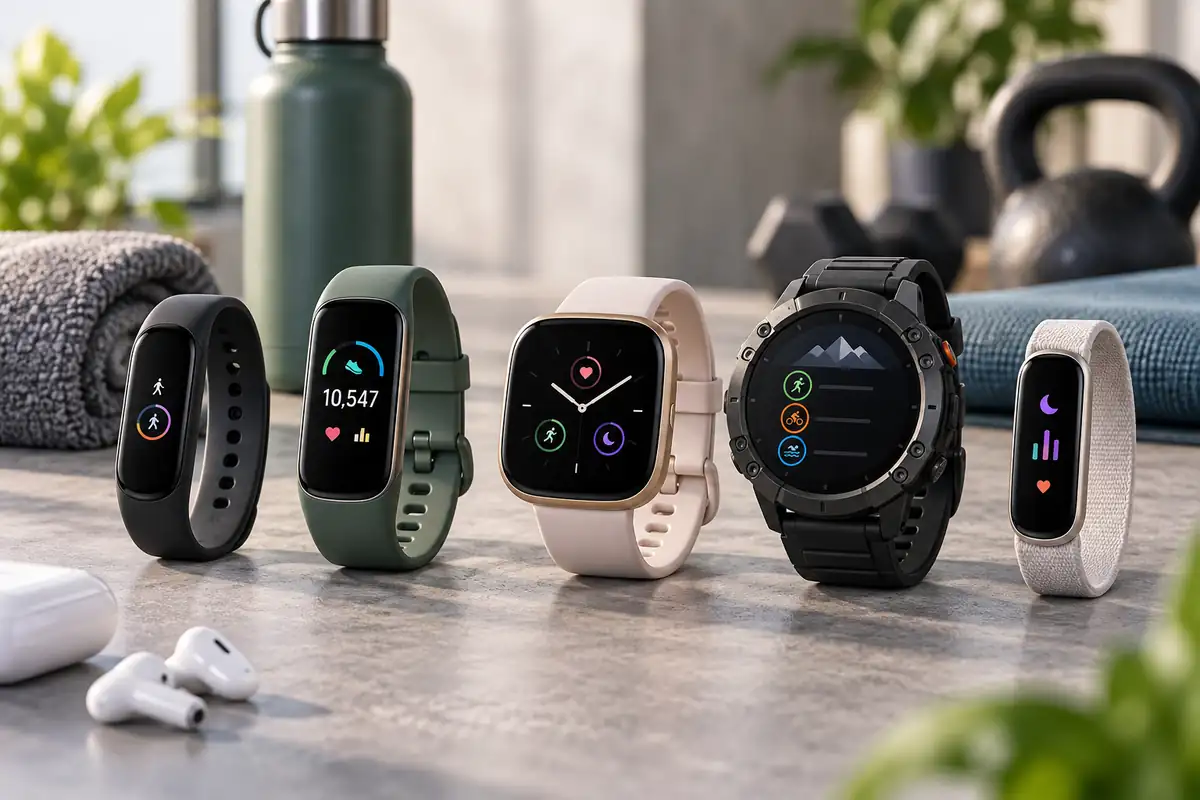
Best Fitness Trackers for Every Budget 2026
The Google Fitbit Air is the best fitness tracker for most people because it delivers comfortable 24/7 activity, heart-rate, sleep, and recovery tracking for $99.99 without requiring a paid subscription for its core features. It is lightweight enough to forget you are wearing it, works with both iPhone and Android, and lasts up to seven days between charges.
That does not make it the right tracker for everyone. The Samsung Galaxy Fit3 is the better budget choice if you want a screen, while the Fitbit Charge 6 adds built-in GPS and more workout interaction. At the premium end, Garmin CIRQA provides deeper screenless training and recovery metrics without a required subscription, WHOOP 5.0 targets athletes willing to pay annually for coaching, and Oura Ring 5 is the strongest fit for discreet sleep and wellness tracking.
The key is understanding what each additional price tier actually buys. Spending more can add GPS, recovery analysis, better training tools, or a more discreet form factor, but it does not automatically make a device better at the basics.
Quick Answer: Best Fitness Trackers for Every Budget
Best Overall: Google Fitbit Air — the best balance of price, comfort, sleep tracking, wellness insights, battery life, and cross-platform support.
Best Budget With a Screen: Samsung Galaxy Fit3 — a low-cost AMOLED fitness band with long battery life and more than 100 workout modes for Android users.
Best Traditional Fitness Band: Google Fitbit Charge 6 — choose it if you want a display, built-in GPS, Google Wallet, and more direct workout interaction.
Best Premium Screenless Tracker: Garmin CIRQA — deeper Garmin training and recovery tools with no required subscription.
Best for Serious Training and Recovery: WHOOP 5.0 — built around Strain, Recovery, Sleep, and coaching rather than on-wrist apps.
Best Premium Smart Ring: Oura Ring 5 — a discreet choice for sleep, recovery, stress, and wellness tracking.
Fitness Trackers by Budget
The biggest difference between budget tiers is not simply sensor count. Paying more can change how you interact with your data, whether GPS works without a phone, how deeply recovery is analyzed, and whether you are signing up for recurring fees.
| Budget | Our Pick | What You Gain |
|---|---|---|
| Around $60 | Samsung Galaxy Fit3 | AMOLED screen, steps, heart rate, sleep, workouts, long battery life |
| Around $100 | Google Fitbit Air | Comfortable screenless tracking, sleep and recovery insights, cross-platform support |
| Around $160 | Fitbit Charge 6 | Built-in GPS, AMOLED display, Google Wallet, Maps, ECG capability where supported |
| Around $200 | Garmin CIRQA | Training Readiness, recovery, HRV, VO2 max and deeper Garmin analytics |
| $199/year and up | WHOOP 5.0 | Athlete-focused Strain, Recovery, Sleep and coaching ecosystem |
| $399 + membership | Oura Ring 5 | Premium ring form factor with sleep, stress, recovery and wellness insights |
How We Chose the Best Fitness Trackers
We compared current fitness trackers using manufacturer specifications, U.S. pricing and availability, subscription costs, phone compatibility, battery claims, GPS support, water resistance, and reputable independent testing.
We focused on dedicated tracking devices rather than filling the list with full smartwatches. Apple Watch, Pixel Watch, Galaxy Watch, and Garmin’s larger GPS watches can all be excellent fitness devices, but they serve buyers who also want apps, notifications, calls, payments, and other smartwatch functions.
For this guide, we prioritized activity and heart-rate tracking, sleep, recovery information, workout usefulness, comfort, battery life, GPS, app experience, recurring ownership cost, and how clearly each product improves on a cheaper option.
Discompare did not conduct its own physical or laboratory testing of these trackers. Accuracy observations are based on official documentation and independent testing rather than claimed first-hand measurements.
Best Fitness Trackers Compared
| Tracker | Best For | Price Reference | Display | GPS | Battery | Compatibility | Required Subscription |
|---|---|---|---|---|---|---|---|
| Google Fitbit Air | Best overall | $99.99 | No | Connected phone GPS | Up to 7 days | iOS + Android | No |
| Samsung Galaxy Fit3 | Budget with screen | $59.99 U.S. launch price | 1.6-inch AMOLED | Phone-based | Up to 13 days | Android only | No |
| Google Fitbit Charge 6 | Traditional fitness band | $159.95 | AMOLED | Built-in | Up to 7 days | iOS + Android | No |
| Garmin CIRQA | Premium screenless | $199.99 | No | Connected phone GPS | Up to 10 days | iOS + Android | No |
| WHOOP 5.0 | Training and recovery | From $199/year in U.S. | No | Phone-assisted | Up to 14+ days | iOS + Android | Yes |
| Oura Ring 5 | Sleep and wellness | From $399 | No | No onboard GPS | 6–9 days | iOS + Android | Membership needed for full experience |
Current Prices for Our Fitness Tracker Picks
Wearable pricing can change during sales and bundles, so compare current U.S. offers below. For WHOOP and Oura, remember that the lowest retailer price does not necessarily represent the full ownership cost because memberships can continue after the initial purchase.
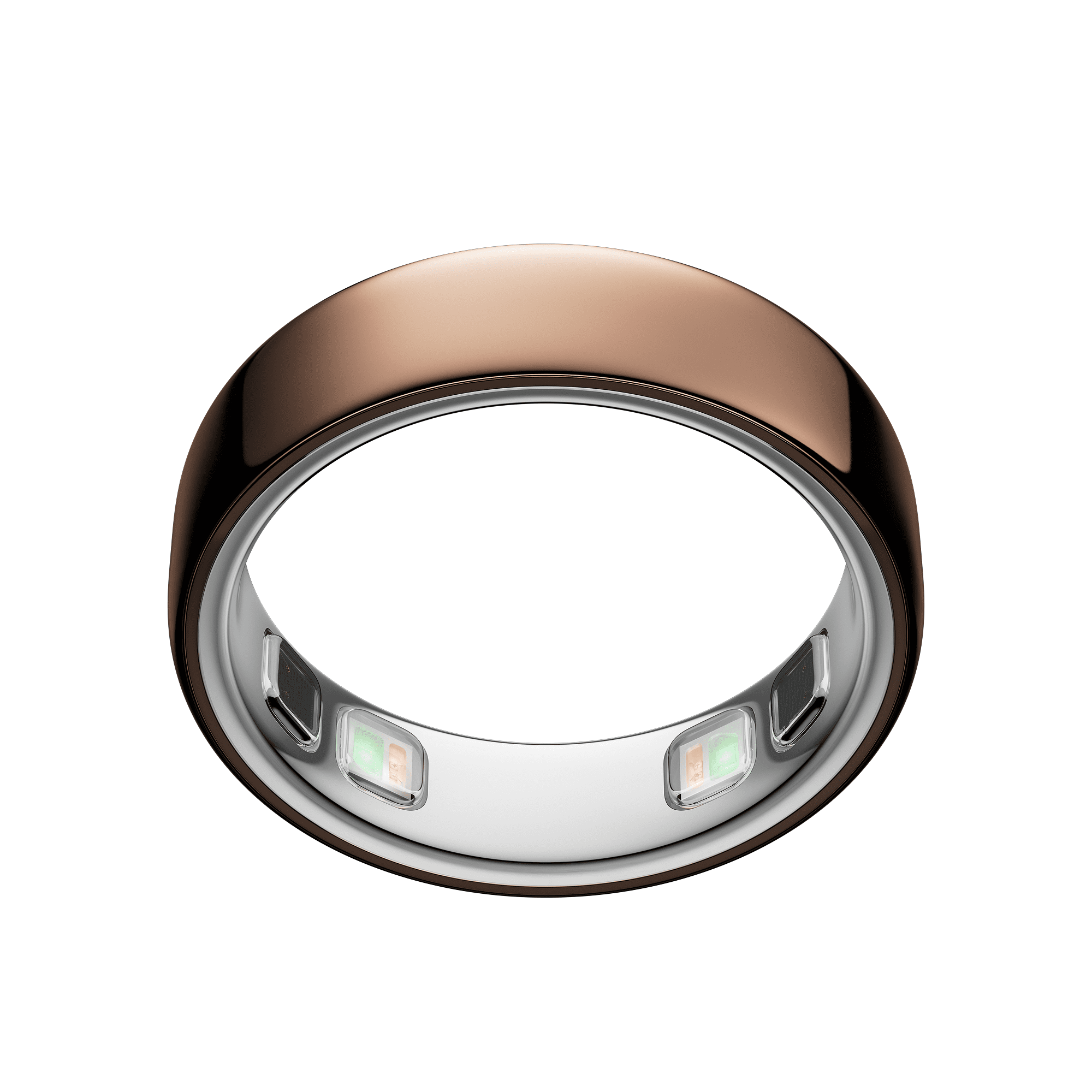
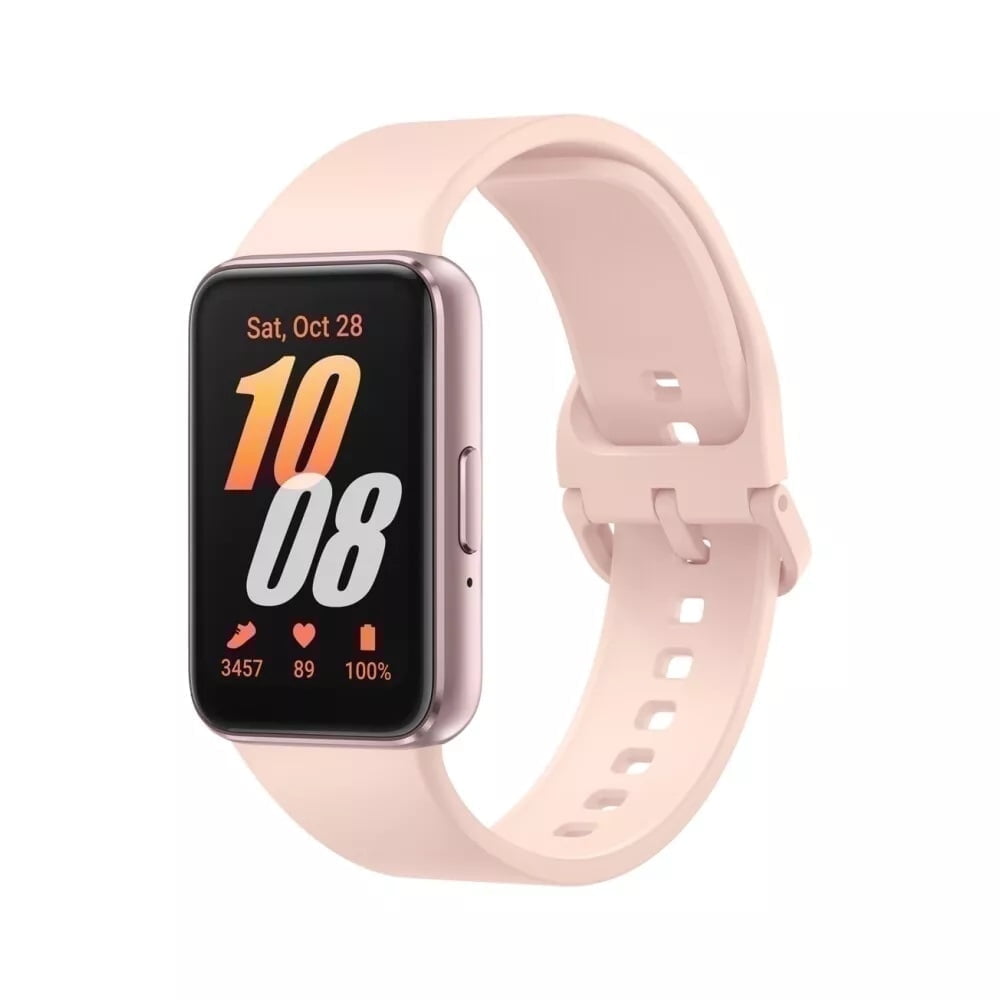
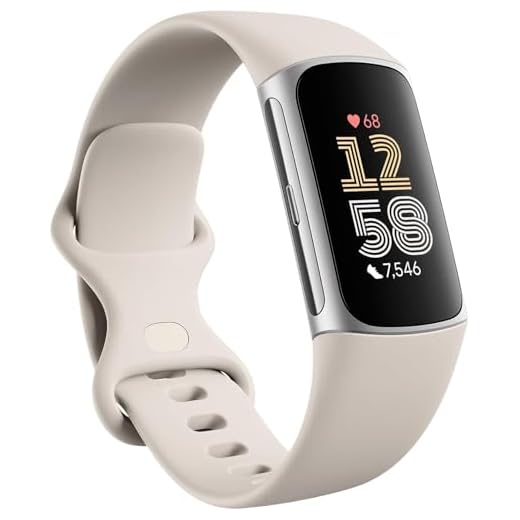
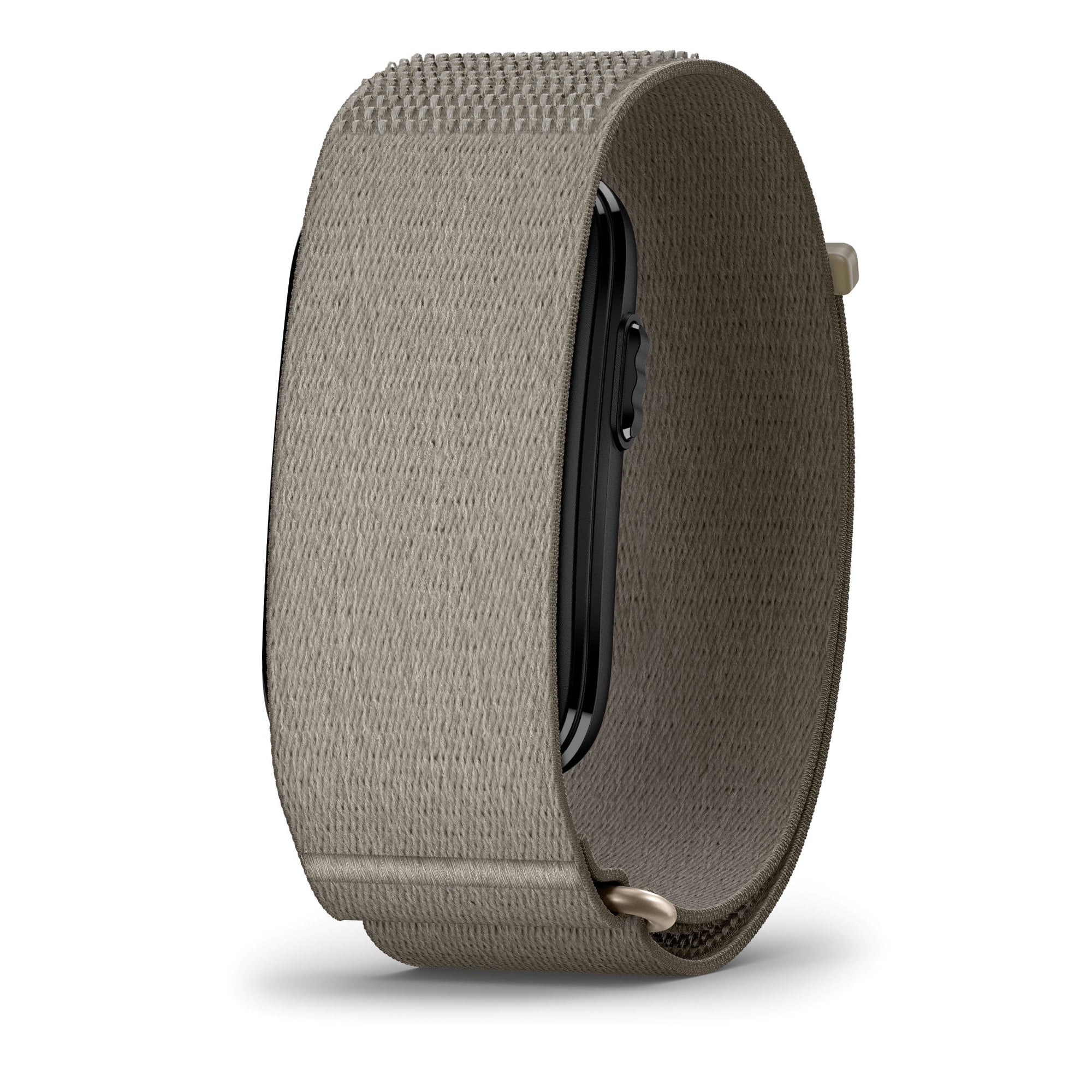
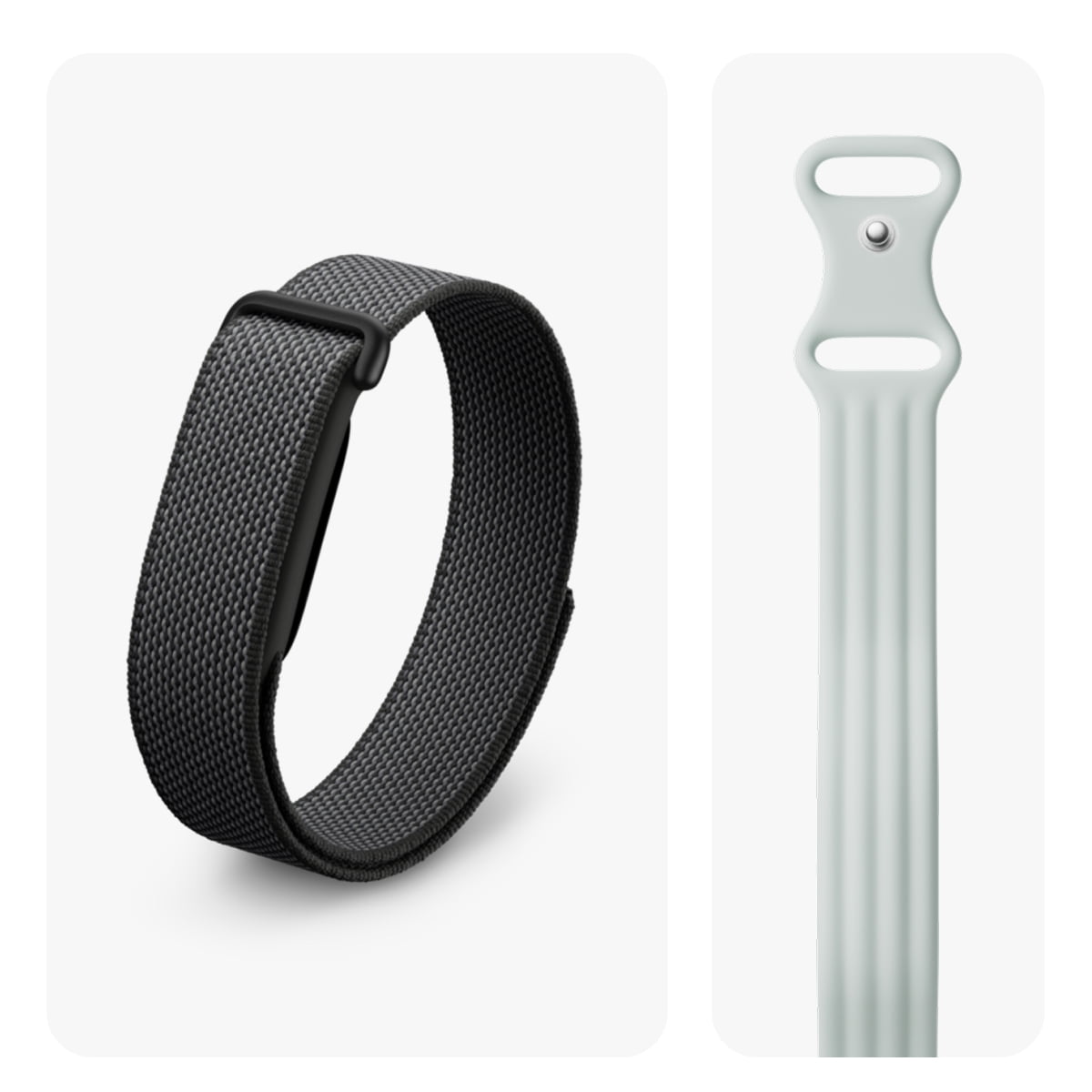
1. Google Fitbit Air — Best Overall Fitness Tracker
Best for: most people who want activity, heart-rate, sleep, and recovery tracking without a screen or mandatory subscription.
Fitbit Air occupies the most useful price point in the current fitness-tracker market. At $99.99, it costs little more than basic fitness bands but gives users access to Google’s broader Fitbit and Google Health ecosystem.
The tracker itself is tiny. Google lists the sensor at 5.2 grams without the band and roughly 12 grams with the standard band. That low weight is particularly useful for sleep tracking because a device provides no value overnight if it is uncomfortable enough to remove before bed.
Fitbit Air tracks heart rate, movement, skin-temperature variation, SpO2-related data, workouts, sleep, Cardio Load, Readiness, HRV, breathing rate, and other wellness trends. Battery life is rated at up to seven days, with a full charge taking about 90 minutes and a five-minute quick charge providing roughly one additional day under Google’s stated conditions.
Core fitness and wellness tracking does not require Google Health Premium. The optional subscription adds deeper personalized coaching and Gemini-powered features, but the Air remains functional without it.
Its two limitations define whether it is right for you: there is no screen and no built-in GPS. Outdoor route tracking relies on a paired smartphone, and you cannot glance at pace or workout data from your wrist while exercising.
That makes Air excellent for passive tracking but less compelling for runners who want phone-free GPS or real-time workout metrics. For a deeper look at its accuracy, sleep features, Google Health experience, and GPS limitations, read our Fitbit Air review.
Pros
✅ Excellent $99.99 value
✅ Extremely lightweight and comfortable
✅ Strong sleep and general wellness tracking
✅ Up to seven days of battery life
✅ Core tracking does not require Premium
Cons
❌ No display
❌ No built-in GPS
❌ Advanced coaching requires optional Google Health Premium
Who should skip it: runners and cyclists who want pace, distance, route, or heart-rate data directly on the wrist.
Alternative: Fitbit Charge 6 if a display and onboard GPS matter.
2. Samsung Galaxy Fit3 — Best Budget Fitness Tracker With a Screen
Best for: Android users who want an inexpensive fitness band with an actual display.
Samsung Galaxy Fit3 proves that spending around $60 can still buy a useful everyday fitness tracker. Its 1.6-inch AMOLED screen lets you check steps, workouts, heart rate, sleep data, notifications, timers, media controls, and other information directly from your wrist.
Samsung rates battery life at up to 13 days under its specified test conditions. Even if your real usage is shorter because of workouts, notifications, or display settings, that gives Fit3 a substantial endurance advantage over many full smartwatches.
It supports tracking for more than 100 types of workouts and can automatically recognize several common activities. Sleep tracking, heart rate, stress information, blood-oxygen monitoring, Fall Detection, Emergency SOS, and Samsung Health integration add considerable functionality for the price.
It also carries 5ATM and IP68 ratings, making it suitable for normal exercise, rain, and supported swimming use within Samsung’s published limitations.
The biggest restriction is ecosystem compatibility: Galaxy Fit3 works with Android phones, not iPhone. Samsung also relies on the paired phone for GPS rather than putting a GPS receiver in the band.
That means Fit3 is excellent for steps, gym sessions, sleep, and general activity but a weaker fit for someone who wants phone-free route tracking.
Pros
✅ Excellent budget pricing
✅ Large 1.6-inch AMOLED display
✅ Up to 13-day battery claim
✅ More than 100 workout modes
✅ 5ATM and IP68 ratings
Cons
❌ Android only
❌ No built-in GPS
❌ Recovery and training analysis is less advanced than premium trackers
Who should skip it: iPhone owners or anyone who needs phone-free GPS.
Alternative: Fitbit Air for cross-platform use or Charge 6 for built-in GPS.
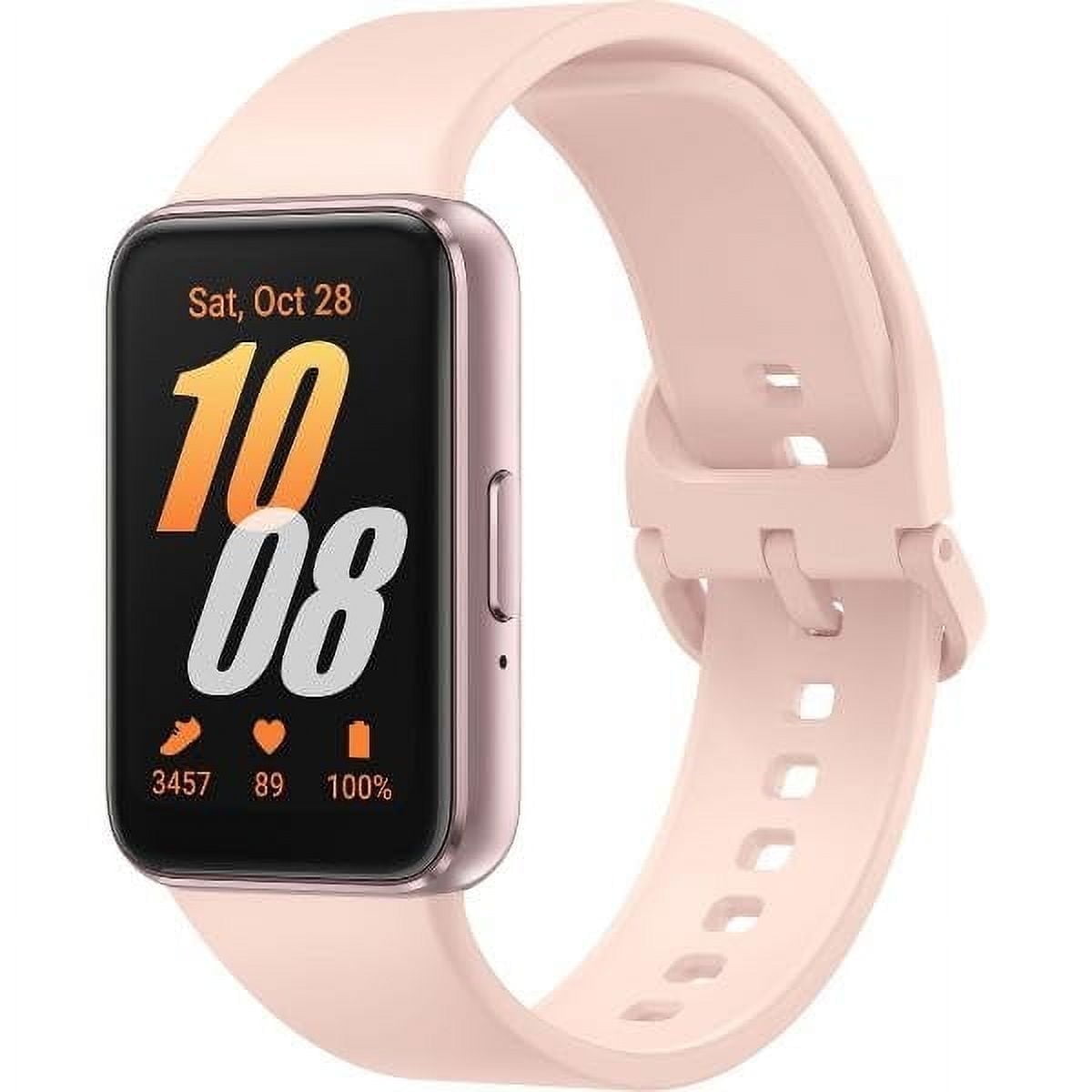
3. Google Fitbit Charge 6 — Best Traditional Fitness Band
Best for: buyers who still want the classic fitness-band format with a display and built-in GPS.
Fitbit Charge 6 remains relevant because Fitbit Air does not replace what it does. Charge 6 gives you an AMOLED touchscreen, built-in GPS and GLONASS, more than 40 exercise modes, Google Wallet, Google Maps functionality, and ECG-capable electrical sensors where the feature is supported.
Google currently sells Charge 6 for $159.95, making it substantially more expensive than Fitbit Air but still far less expensive than many premium smartwatches.
The display changes how the tracker feels during exercise. Instead of recording everything silently and reviewing it later in an app, Charge 6 lets you interact with workouts and see information directly on your wrist.
Built-in GPS is the larger practical advantage. You can track an outdoor route without relying entirely on the phone’s location sensor, which makes Charge 6 much more appropriate for walking, running, and cycling than screenless Air for users who want to leave their phone behind.
Battery life remains rated at up to seven days, although Google notes that features such as always-on display and SpO2 tracking can reduce real endurance.
The compromise is age. Charge 6 is older hardware than Fitbit Air, and buyers paying $160 should decide whether GPS and the display are genuinely worth the premium rather than simply assuming the more expensive Fitbit is automatically better.
Pros
✅ Built-in GPS
✅ AMOLED touchscreen
✅ Google Wallet and Maps integration
✅ ECG capability where supported
✅ Works with iPhone and Android
Cons
❌ Costs considerably more than Fitbit Air
❌ Older hardware generation
❌ Small display compared with a smartwatch
Who should skip it: buyers who prefer screenless tracking or serious runners who need a more advanced training platform.
Alternative: Fitbit Air for value or a dedicated running watch for deeper training.

- Enduring Battery Life: Keep moving with a 7-day battery life and water resistance for all your activities, rain or shine.
4. Garmin CIRQA — Best Premium Screenless Fitness Tracker
Best for: Garmin users and fitness-focused buyers who want deeper training and recovery information without wearing a screen or paying a required subscription.
Garmin CIRQA is one of the most important additions to the fitness-tracker market because it brings many Garmin training concepts into a screenless $199.99 band.
Garmin includes 24/7 heart-rate monitoring, HRV Status, Body Battery, Sleep Score and coaching, Training Readiness, Training Status, VO2 max, recovery time, and more than 80 manually trackable activities.
That creates a clear step up from Fitbit Air for someone who cares about how training load and recovery interact. CIRQA is not just trying to count activity; it is designed to help active users decide whether today’s workload fits their recent recovery.
The tracker uses a single physical side button for starting favorite activities, which is a useful compromise between a completely passive tracker and a touchscreen watch.
Independent testing has also been encouraging. TechRadar compared CIRQA heart-rate readings with a Polar H10 chest strap and generally found close agreement during its workout testing, although no consumer wrist or band sensor should be treated as perfect under every movement or exercise type.
Battery life is rated at up to 10 days. Like Fitbit Air, CIRQA uses connected GPS through a compatible smartphone rather than onboard GPS.
The major value advantage over WHOOP is ownership structure: Garmin does not require a subscription for CIRQA’s core fitness and health functionality. Garmin Connect+ exists as an optional service, but the device does not stop delivering its main tracking experience if you decline it.
Pros
✅ Deep Garmin training and recovery metrics
✅ No required subscription
✅ Up to 10-day battery claim
✅ More than 80 trackable activities
✅ Physical workout button despite screenless design
Cons
❌ Twice the price of Fitbit Air
❌ No built-in GPS
❌ No screen for live workout data
Who should skip it: casual users who only need steps, sleep and general activity tracking.
Alternative: Fitbit Air for value or WHOOP 5.0 for a more coaching-intensive subscription model.
5. WHOOP 5.0 — Best for Serious Training and Recovery
Best for: athletes who will consistently use Strain, Recovery, Sleep, and coaching information to change how they train.
WHOOP is fundamentally different from a normal fitness tracker because you are buying a membership rather than purchasing the hardware once and owning the full experience indefinitely.
In the U.S., WHOOP One currently costs $199 per year and includes WHOOP 5.0 hardware. Higher tiers add additional features and increase the recurring annual cost.
That distinction matters in an every-budget comparison. A $199 Garmin CIRQA and a $199 WHOOP membership can look equivalent during year one, but the Garmin remains useful without another mandatory annual payment. WHOOP requires an active membership for its service-based experience.
What you get in return is one of the most training-focused wearable platforms available. WHOOP organizes data around Strain, Recovery, and Sleep, then combines those signals with trends, behavior tracking, Strength Trainer, VO2 max information, and AI coaching.
Battery life for WHOOP 5.0 is rated for more than two weeks under current manufacturer guidance, and its screenless form keeps the focus on collecting data rather than checking notifications.
That model works well for athletes who repeatedly adjust training and recovery based on the app. It is poor value for someone who mainly wants steps, heart rate, sleep duration, and occasional workout logging.
Pros
✅ Excellent recovery-focused ecosystem
✅ Screenless, distraction-free design
✅ Long battery life
✅ Strength Trainer and training-focused coaching
✅ Designed around long-term trends rather than smartwatch features
Cons
❌ Membership is a recurring expense
❌ No display
❌ Poor value if you do not actively use its recovery and coaching insights
Who should skip it: anyone who dislikes subscriptions or only wants basic fitness tracking.
Alternative: Garmin CIRQA for deeper training metrics without a required annual membership.
6. Oura Ring 5 — Best Premium Smart Ring for Sleep and Wellness
Best for: buyers who prioritize sleep, recovery, stress, wellness trends, and discreet all-day wear over live workout interaction.
Oura Ring 5 is the most expensive entry point in this list. The Silver and Black versions start at $399, while premium finishes cost more. Full access to Oura’s membership experience currently costs $5.99 per month or $69.99 per year in the U.S. after the included membership period for eligible new purchases.
The value is in form factor and passive tracking rather than sports-watch functionality. Ring 5 is substantially smaller than its predecessor and can track heart rate, HRV, respiratory rate, movement, temperature trends, sleep, stress, readiness, and other wellness metrics from a device that looks more like jewelry than exercise equipment.
Battery life is rated at roughly six to nine days depending on ring size, configuration and use, while a full charge takes around 80 minutes under Oura’s current specification.
Independent testing has found the Ring 5 especially compelling for comfort, sleep tracking and wellness trends. It is less suitable for serious workout interaction because there is no display, no onboard GPS, and no way to glance down at pace or heart-rate zones during an interval session.
Sleep data also needs context. Oura can be useful for spotting long-term patterns in sleep timing, duration, resting heart rate and recovery, but no consumer ring should be treated as equivalent to clinical polysomnography for diagnosing sleep disorders.
Pros
✅ Excellent discreet form factor
✅ Strong sleep and recovery focus
✅ Six-to-nine-day battery range
✅ Works with iPhone and Android
Cons
❌ Starts at $399
❌ Membership adds recurring cost
❌ No onboard GPS
❌ Poor choice for viewing live workout data
Who should skip it: athletes who want a screen, GPS, structured workout interaction or the lowest ownership cost.
Alternative: Fitbit Air for a much cheaper sleep-and-wellness tracker.
How Much Should You Spend on a Fitness Tracker?
Under $75: Enough for the Basics
A tracker such as Galaxy Fit3 can already cover steps, heart rate, sleep, common workouts, notifications, and everyday activity. Spending more is unnecessary if those are the only features you expect to use.
Around $100: The Sweet Spot for Most People
This is where Fitbit Air becomes difficult to beat. You gain a stronger wellness ecosystem and comfortable 24/7 tracking without paying premium-wearable prices.
$150–$200: Pay for a Specific Upgrade
At this level, make sure the extra money buys something you actually need. Charge 6 adds onboard GPS and a display. CIRQA adds deeper training and recovery information.
$200+ or Subscription-Based: Insights Need to Justify the Cost
WHOOP can be worth considerably more than a cheap fitness band for an athlete who regularly changes workouts based on recovery and training load. If you do not use those insights, the recurring fee becomes difficult to justify.
$400+: You Are Paying for Form Factor and Ecosystem Too
Oura Ring 5 is not four times better at counting activity than a $100 tracker. Its premium comes from its ring design, sleep/wellness ecosystem, discreet wearability and specialized experience.
Fitness Tracker vs Smartwatch
A fitness tracker is usually the better choice if you care more about health and activity data than apps and phone functions.
| Priority | Fitness Tracker | Smartwatch |
|---|---|---|
| Weight and comfort | Usually better | Usually larger/heavier |
| Battery life | Usually longer | Often shorter |
| Apps and communication | Limited | Much stronger |
| Sleep comfort | Often better | Depends on size |
| Price | Often lower | Can be substantially higher |
If calls, messaging, third-party apps, payments, navigation, and phone integration are central to your decision, compare our best smartwatches instead.
Screen vs Screenless Fitness Trackers
A screen is not automatically an upgrade. It changes how you interact with the tracker.
Choose a tracker with a screen if you want to check steps, heart rate, timers, workout duration, pace, notifications, or other information without reaching for your phone. Galaxy Fit3 and Charge 6 are the strongest examples in this guide.
Choose screenless if you want fewer distractions, less temptation to check another display, and a device focused on continuous data collection. Fitbit Air, Garmin CIRQA, and WHOOP all follow this philosophy.
Screenless trackers are especially compelling for sleep and recovery tracking because their value comes from wearing them continuously rather than interacting with them frequently.
Do You Need Built-In GPS?
Built-in GPS matters when you want outdoor pace, distance and route data without carrying your phone.
Among the conventional band-style products in this guide, Fitbit Charge 6 is the clear choice for onboard GPS. Fitbit Air, Galaxy Fit3 and Garmin CIRQA use the connected phone for route/location information.
If GPS becomes one of your most important requirements, a general fitness tracker may no longer be the right category. Dedicated GPS watches provide richer pace data, navigation, structured workouts, recovery tools and better support for endurance training.
Our best running watches guide is a better starting point for that buyer. Serious athletes comparing a training-first Garmin with a full smartwatch can also see our Garmin Forerunner 970 vs Apple Watch Ultra 3 comparison.
Fitness Tracker Subscriptions Explained
Subscription cost can completely change which tracker is the best value after two or three years.
| Tracker | Core Use Without Paid Subscription? | Subscription Position |
|---|---|---|
| Galaxy Fit3 | Yes | No required fitness subscription |
| Fitbit Air | Yes | Google Health Premium optional |
| Fitbit Charge 6 | Yes | Google Health Premium optional |
| Garmin CIRQA | Yes | Garmin Connect+ optional |
| WHOOP 5.0 | No | WHOOP membership required; U.S. One tier is $199/year |
| Oura Ring 5 | Limited experience without membership | $5.99/month or $69.99/year in U.S. |
A useful way to compare these products is to calculate at least three years of ownership. The upfront price can make WHOOP look competitive with Garmin, but recurring payments fundamentally change the long-term value calculation.
Which Fitness Tracker Is Best for Your Goal?
| Goal | Best Pick | Why |
|---|---|---|
| Basic steps + screen | Galaxy Fit3 | Low price, AMOLED display and long battery life |
| General health and wellness | Fitbit Air | Comfortable, balanced and affordable |
| Outdoor workouts without phone GPS | Fitbit Charge 6 | Built-in GPS plus display |
| Screenless recovery without required subscription | Garmin CIRQA | Deep Garmin training metrics and long-term ownership value |
| Serious training decisions | WHOOP 5.0 | Strain, Recovery and coaching are central to the platform |
| Sleep and discreet wellness | Oura Ring 5 | Small ring format and sleep/recovery-focused ecosystem |
| Serious running or marathon training | Buy a running watch instead | Better GPS, live pace, structured training and endurance features |
What to Check Before Buying a Fitness Tracker
Phone Compatibility
Do not assume every fitness tracker works with both major phone platforms. Fitbit Air, Charge 6, CIRQA, WHOOP and Oura support both iPhone and Android under their current requirements, while Galaxy Fit3 is Android-only.
Built-In vs Connected GPS
A connected-GPS tracker can still record routes when paired with a phone. The difference is that you must carry the phone. If phone-free outdoor tracking matters, buy a device with onboard GPS.
Battery Life
Manufacturer maximum battery estimates are useful for comparison but are not promises. GPS, continuous health measurements, displays, notifications and workout frequency can all shorten real endurance.
Water Resistance
Use the manufacturer’s actual water-resistance rating rather than assuming every tracker marketed for exercise is waterproof in every situation. Depth rating, moving water, heat, soap, diving and long-term seal wear can all change what use is appropriate.
Subscription Cost
Calculate long-term ownership. A $199 device with no mandatory subscription and a $199-per-year membership product have very different costs after three years.
Comfort
Comfort matters most for sleep and recovery tracking. A feature-rich wearable you regularly remove overnight will produce less complete trend data than a simpler tracker you can comfortably wear around the clock.
Live Workout Data
Screenless trackers are designed primarily to collect data. If you need live pace, heart rate, timers or navigation while exercising, choose a display-equipped tracker or sports watch.
Health Metrics
Use consumer wearable data for trends and wellness unless a specific feature has appropriate regulatory authorization for a defined medical purpose. Heart rate, sleep stages, oxygen saturation, stress and recovery scores should not be treated as substitutes for professional diagnosis.
Frequently Asked Questions
What is the best fitness tracker overall?
Google Fitbit Air is our best overall fitness tracker because it costs $99.99, is extremely lightweight, lasts up to seven days, works with iPhone and Android, and provides useful activity, sleep, heart-rate and recovery tracking without requiring a paid subscription for core features.
What is the best cheap fitness tracker?
Samsung Galaxy Fit3 is our budget pick for Android users. It launched in the U.S. at $59.99 and includes a 1.6-inch AMOLED display, heart-rate and sleep tracking, more than 100 workouts and up to 13 days of battery life.
Is Fitbit Air better than Charge 6?
Fitbit Air is better for buyers who want a cheaper, lighter, screenless tracker for passive health and sleep monitoring. Charge 6 is better when you want a display, built-in GPS, Google Wallet, Maps and more direct workout interaction.
Which fitness tracker has built-in GPS?
Fitbit Charge 6 includes onboard GPS. Fitbit Air, Galaxy Fit3 and Garmin CIRQA rely on a paired phone for outdoor location data.
Is WHOOP worth the subscription?
WHOOP can be worth the annual cost for athletes who consistently use Strain, Recovery, Sleep and coaching data to change their training. It is difficult to justify for someone who mainly wants steps, sleep duration and basic activity tracking.
Is Garmin CIRQA better than WHOOP?
Garmin CIRQA offers better long-term value because its core features do not require a subscription. WHOOP provides a more membership-driven recovery and coaching experience. The better choice depends on whether that ongoing coaching is worth recurring annual payments to you.
Is Oura Ring 5 worth it?
Oura Ring 5 is worth considering if discreet sleep, recovery and wellness tracking are priorities and you are comfortable with its $399 starting price plus membership cost. It is not the best value for live workout tracking.
Can a fitness tracker work without a phone?
Most trackers can record at least some activity away from the phone and sync later, but phone-dependent features vary. Connected GPS requires the phone to be present, while onboard GPS devices such as Charge 6 can record location independently.
Are fitness trackers waterproof?
Many are water resistant, but the exact rating differs by model. Check the manufacturer’s current water-resistance guidance before swimming, showering, diving or exposing a tracker to high-pressure or hot water.
Is a smartwatch better than a fitness tracker?
A smartwatch is better if apps, calls, messages, navigation and phone integration matter. A dedicated fitness tracker is often lighter, cheaper, less distracting and able to run longer between charges.
Final Verdict: Which Fitness Tracker Should You Buy?
Google Fitbit Air is the best fitness tracker for most people. At $99.99, it provides the right combination of comfort, battery life, sleep tracking, general fitness data and recovery insights without making a subscription mandatory.
Galaxy Fit3 is the smarter budget purchase if you use Android and want an on-wrist display. Charge 6 justifies its higher price when built-in GPS and direct workout interaction matter. Garmin CIRQA is the strongest premium screenless option for users who want deeper training data without recurring fees.
WHOOP 5.0 makes sense only when its recovery-focused coaching is valuable enough to justify paying every year. Oura Ring 5 belongs at the opposite end of the spectrum: it is a premium wellness and sleep tracker for buyers who value a discreet ring more than live sports data.
Best Overall: Google Fitbit Air
Best Budget With a Screen: Samsung Galaxy Fit3
Best Traditional Fitness Band: Google Fitbit Charge 6
Best Premium Screenless: Garmin CIRQA
Best for Training & Recovery: WHOOP 5.0
Best Smart Ring: Oura Ring 5
Sources
- Google Store — Fitbit Air and Fitbit Charge 6 official U.S. product specifications, compatibility, battery and pricing
- Samsung — Galaxy Fit3 U.S. specifications, compatibility, battery, workouts and launch pricing
- Garmin — CIRQA Smart Band official product information, training features, battery and pricing
- WHOOP — WHOOP 5.0 features and current U.S. membership pricing
- Oura — Oura Ring 5 specifications, pricing, battery and U.S. membership information
Product Groups: Google Fitbit Air, Samsung Galaxy Fit3, Google Fitbit Charge 6, Garmin CIRQA Smart Band, WHOOP 5.0, Oura Ring 5