Choosing from the top 10 smartphones is no longer as simple as buying the phone with the fastest processor or the biggest camera sensor. The strongest models now compete across camera quality, battery endurance, display technology, software support, AI features, productivity, charging speed and long-term value.
For most buyers, Apple iPhone 17 Pro Max is our best overall choice because it combines excellent performance, strong battery life, one of the most capable photo and video systems available, and a mature ecosystem. Android buyers should start with the Samsung Galaxy S26 Ultra, particularly if camera versatility, zoom and productivity matter. The OnePlus 15 is the standout battery-life flagship, while the Google Pixel 10a provides much of the modern smartphone experience at a substantially lower price.
This guide goes beyond launch prices. A flagship that was expensive at release can become a much stronger buy after retailer discounts, while a cheaper phone can become less compelling if a better model falls into the same price range. That is why the live price-comparison cards in this guide matter alongside our editorial recommendations.
We selected ten current phones covering mainstream flagships, camera-focused models, battery specialists, affordable devices, foldables, compact phones and gaming hardware. The goal is not to declare that everyone needs the same device, but to identify which of the best smartphones makes the most sense for each type of buyer.
Quick Answer: Best Smartphones by Need
Best Overall: Apple iPhone 17 Pro Max — the strongest all-round choice for performance, cameras, video, battery endurance and long-term ecosystem value.
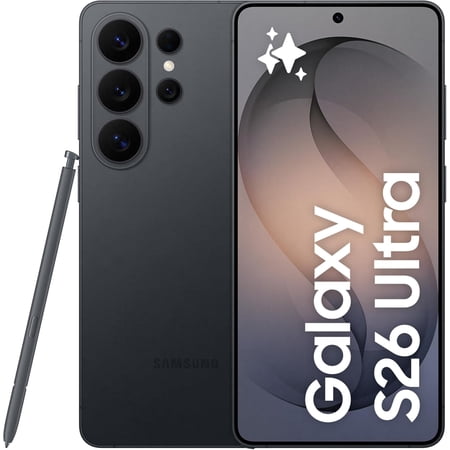
Best Android & Camera Phone: Samsung Galaxy S26 Ultra — a large premium Android flagship with a 200MP main camera, separate telephoto cameras, S Pen functionality and strong productivity features.
Best Battery-Life Flagship: OnePlus 15 — a 7,300mAh battery, flagship Snapdragon performance and very fast wired and wireless charging make battery life one of its defining strengths.
Best Under $500: Google Pixel 10a — a strong combination of Google camera processing, a 120Hz display, useful software features and affordable positioning.
Best for Work & Productivity: Samsung Galaxy Z Fold8 Ultra — its 8-inch folding display gives multitaskers substantially more workspace than a conventional smartphone.
How We Chose the Top 10 Smartphones
We evaluated current smartphones across the factors that matter most after the novelty of a new launch wears off: real-world performance, camera flexibility, battery endurance, display quality, software support, charging, design, portability, productivity features and current value.
Official specifications were used for hardware details such as display size, camera configuration, battery capacity and charging support. Independent testing and established editorial comparisons were used to add context where a specification alone cannot tell the full story. Battery capacity, for example, is not the same thing as battery life, and a 200MP camera does not automatically produce better photographs than a lower-resolution sensor.
We also considered whether each phone fills a distinct buying need. Instead of filling the list with ten similar expensive flagships, the final selection includes conventional premium phones, a sub-$500 option, a foldable productivity device, a flip phone, a gaming specialist and a compact Android flagship.
Important: Discompare does not claim hands-on laboratory testing of these smartphones. Recommendations combine current manufacturer information, independent testing, editorial research, intended use, retailer availability and value at current market prices.
Top 10 Smartphones Compared
| Smartphone | Best For | Platform | Camera Strength | Battery Strength | Main Consideration |
|---|---|---|---|---|---|
| iPhone 17 Pro Max | Best Overall | iOS | Photo/video consistency | Excellent flagship endurance | Large and expensive |
| Galaxy S26 Ultra | Best Android & Camera | Android | Zoom and lens versatility | Strong | Premium price and size |
| OnePlus 15 | Battery-Life Flagship | Android | Versatile triple camera | Exceptional | Check local retailer availability |
| Pixel 10 Pro XL | AI & Computational Photography | Android | Computational photography | Good | Not our first gaming pick |
| iPhone 17 | Mainstream iPhone | iOS | Reliable everyday camera | Strong | No dedicated Pro telephoto system |
| Pixel 10a | Best Under $500 | Android | Google image processing | Strong for the class | Midrange performance |
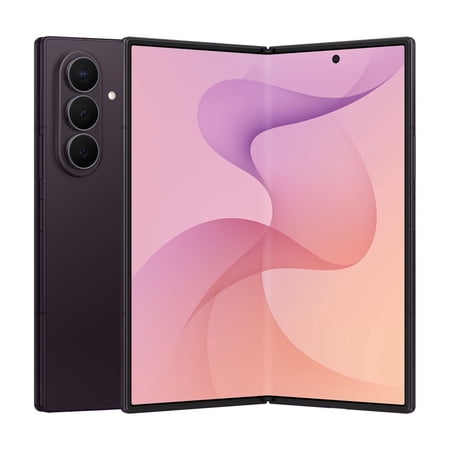
| Galaxy Z Fold8 Ultra | Work & Productivity | Android | 200MP main camera | 5,000mAh | Very expensive foldable |
| Motorola Razr Ultra 2026 | Best Flip Phone | Android | Dual 50MP rear cameras | 5,000mAh + fast charging | Foldable price premium |
| ROG Phone 9 Pro | Gaming | Android | Secondary priority | Excellent | Specialized gaming design |
| Galaxy S26 | Compact Android Flagship | Android | Balanced everyday system | 4,300mAh | Smaller battery than larger flagships |
The live product list below helps compare current retailer prices. Pricing can materially change which smartphone provides the strongest value on the day you buy.
![Straight Talk Apple iPhone 17, 5G, 256GB, Black - Prepaid Smartphone [Locked to Straight Talk]](https://i5.walmartimages.com/asr/9db214f1-9ab9-4780-90c4-4be74cfd3deb.71a6b5e84f899fa5c52961fd1646ec10.jpeg?odnHeight=450&odnWidth=450&odnBg=ffffff)
![Straight Talk Apple iPhone 17 Pro Max, 5G, 256GB, Cosmic Orange - Prepaid Smartphone [Locked to Straight Talk]](https://i5.walmartimages.com/asr/c3caed64-e138-42e5-8ecf-6d983c00b484.c17f319d00b601c9b3367df1a05118a6.jpeg?odnHeight=450&odnWidth=450&odnBg=ffffff)


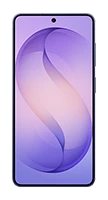
1. Apple iPhone 17 Pro Max — Best Overall Smartphone
Apple iPhone 17 Pro Max is our best overall smartphone because few phones combine performance, camera quality, video capability, battery endurance, software integration and accessory support as consistently.
The A19 Pro chip gives the phone enough performance headroom for demanding games, photo and video editing, productivity and years of normal use. The camera system uses 48MP sensors across the main, ultrawide and telephoto cameras, with the telephoto providing a 4x optical view. Apple also continues to emphasize professional video features such as ProRes, ProRes RAW and Apple Log 2.
Battery life is another reason to choose the Pro Max rather than simply buying it for the larger display. Apple rates the iPhone 17 Pro Max for up to 37 hours of local video playback. That is a manufacturer figure rather than a universal real-world runtime, but independent battery comparisons also place the model among the strongest premium flagships.
The main question is whether you actually need the Pro Max. It is large, expensive and more phone than many users require. The standard iPhone 17 now covers the mainstream experience much more effectively, particularly for buyers who do not need the Pro camera system or the largest possible display.
For someone who wants one flagship with very few major compromises, however, the Pro Max remains the easiest recommendation in this list.
Best For
Buyers who want a premium all-round smartphone with excellent performance, photo and video capability, strong battery endurance and deep integration with Apple’s ecosystem.
Pros
✅ Excellent overall performance
✅ Three 48MP rear cameras
✅ Particularly strong video capabilities
✅ Strong battery endurance
✅ Mature app, accessory and ecosystem support
Cons
❌ Premium price
❌ Large form factor is not ideal for everyone
❌ Many buyers can save money with the standard iPhone 17
Alternative: Choose Samsung Galaxy S26 Ultra if you prefer Android, want more zoom flexibility or value S Pen functionality.
For a deeper Apple-specific breakdown, see our Apple iPhone 17 Pro Max Review & Price Comparison.
2. Samsung Galaxy S26 Ultra — Best Android & Camera Phone
Samsung Galaxy S26 Ultra is our top Android recommendation and one of the strongest best camera phones because its advantage comes from versatility rather than a single headline specification.
The rear system combines a 200MP main camera with a 50MP ultrawide, a 3x telephoto and a separate 5x telephoto. That gives the S26 Ultra more native framing options than phones relying heavily on digital cropping from one main sensor.
The 6.9-inch Dynamic AMOLED 2X display, flagship Snapdragon platform and integrated S Pen also make the Ultra unusually capable for productivity. Buyers who annotate documents, take handwritten notes or regularly multitask on a phone have reasons to choose it beyond photography.
Samsung equips the Ultra with a 5,000mAh battery and supports wired charging up to 60W. The battery is not unusually large compared with newer high-capacity rivals such as OnePlus 15, but the overall package remains competitive.
The main disadvantages are predictable: price, size and complexity. If you do not need telephoto flexibility, S Pen features or a huge display, the regular Galaxy S26 can cover many of the same everyday tasks in a much smaller body.
Best For
Android power users, mobile photographers and productivity-focused buyers who want a large display, versatile camera system and S Pen support.
Pros
✅ 200MP main camera
✅ Separate 3x and 5x telephoto cameras
✅ Large QHD-class AMOLED display
✅ Integrated S Pen
✅ Strong productivity potential
Cons
❌ Very expensive
❌ Large design is awkward for small hands
❌ Most casual users do not need its full feature set
Alternative: Choose iPhone 17 Pro Max if video, Apple’s ecosystem and iOS are higher priorities than S Pen and long-range zoom.
3. OnePlus 15 — Best Battery-Life Flagship
OnePlus 15 is the standout choice for buyers who put battery endurance near the top of their smartphone buying checklist.
The phone combines a 7,300mAh dual-cell battery with Snapdragon 8 Elite Gen 5 performance. That capacity alone is impressive, but independent testing is what makes the recommendation stronger: Tom’s Guide recorded more than 25 hours in its standardized battery test, placing the OnePlus 15 ahead of many expensive flagship rivals.
Charging is another major advantage. OnePlus supports up to 120W wired SUPERVOOC charging and up to 50W AIRVOOC wireless charging. That combination means the phone not only lasts a long time but can recover battery quickly when it eventually needs power.
The 6.78-inch display operates adaptively up to 120Hz and can reach 165Hz in supported gaming scenarios. Combined with the flagship Snapdragon platform, it is also a serious performance phone rather than simply a giant-battery device.
The trade-off is that camera quality is not the primary reason we rank it this highly. Its triple 50MP system is capable, but buyers who prioritize zoom versatility or computational photography should compare the Galaxy S26 Ultra and Pixel 10 Pro XL before deciding.
Best For
Heavy users who want exceptional battery endurance, extremely fast charging and flagship Android performance without automatically paying Ultra-tier pricing.
Pros
✅ 7,300mAh battery
✅ Exceptional independent battery-test performance
✅ 120W wired charging
✅ 50W wireless charging
✅ Flagship Snapdragon performance
Cons
❌ Camera system is not its biggest competitive advantage
❌ Retail availability can vary by market
❌ Large battery also means this is not a compact phone
Alternative: Choose iPhone 17 Pro Max if you want excellent endurance but put camera/video quality and Apple’s ecosystem ahead of maximum battery capacity and charging speed.
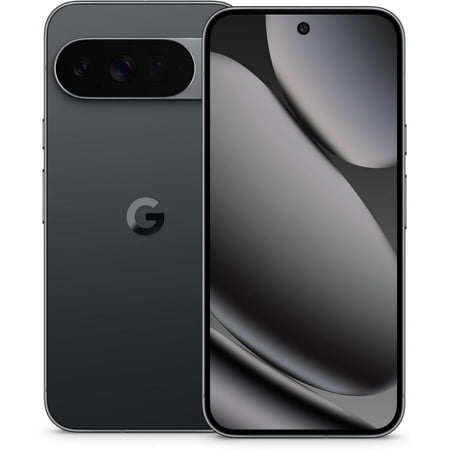
4. Google Pixel 10 Pro XL — Best for AI & Computational Photography
Google Pixel 10 Pro XL is the phone in this list for buyers who care as much about image processing and software intelligence as traditional camera hardware.
The camera system combines a 50MP main camera with 48MP ultrawide and 48MP telephoto cameras. The telephoto provides 5x optical reach, while Google’s computational photography pipeline handles much of what makes Pixel photography distinctive.
The large 6.8-inch LTPO display supports a variable refresh rate up to 120Hz, and the phone includes 16GB of RAM. Google’s software and AI integration are central to the experience, particularly for users already invested in Google Photos, Gemini and other Google services.
The Pixel is not our first recommendation for maximum raw gaming performance or ultra-fast charging. Buyers whose priorities are frame rates, sustained gaming or the fastest possible recharge should look toward OnePlus or ROG.
For photography-focused users, though, Pixel remains one of the most important alternatives to the traditional Apple-versus-Samsung decision.
Best For
Android users who prioritize computational photography, Google software, AI-assisted features and a clean Pixel experience.
Pros
✅ Strong computational photography
✅ 5x telephoto camera
✅ 16GB RAM
✅ Bright LTPO display
✅ Deep Google AI integration
Cons
❌ Not our first choice for serious mobile gaming
❌ Charging is less aggressive than OnePlus
❌ Premium XL size will not suit compact-phone buyers
Alternative: Choose Galaxy S26 Ultra if you want more hardware-driven zoom flexibility and a productivity-oriented Android experience.
For a wider camera-focused comparison, see our Best Smartphones for Photography: 2026 Top Picks.
5. Apple iPhone 17 — Best Mainstream iPhone
Apple iPhone 17 is the iPhone we would recommend to buyers who want the current Apple experience without automatically paying for the largest Pro model.
The standard iPhone now includes a 6.3-inch OLED display with ProMotion up to 120Hz, removing one of the most obvious historical compromises between mainstream and Pro iPhones. The A19 chip also provides more performance than most everyday users are likely to exhaust.
The rear camera system does not match the Pro Max’s telephoto flexibility, but the 48MP main and ultrawide cameras cover everyday photography well. For people who mostly shoot family photos, travel, social content and casual video, the standard model can be a much more rational purchase.
Storage also starts from a more practical position than older base models, reducing the pressure to upgrade purely because the cheapest configuration is too restrictive.
The main reason to move up to Pro is still photography and video flexibility rather than ordinary performance. If you know you need a dedicated telephoto system, professional video features or the longest battery life in Apple’s lineup, the Pro Max remains the better fit.
Best For
Most iPhone buyers who want current performance and display technology without paying for the Pro Max camera system and larger body.
Pros
✅ 120Hz ProMotion display
✅ Strong A19 performance
✅ More manageable size than Pro Max
✅ Strong everyday camera system
✅ Better value for mainstream Apple users
Cons
❌ No dedicated Pro telephoto system
❌ Fewer professional camera/video features
❌ Still relatively expensive compared with value-oriented Android phones
Alternative: Choose iPhone 17 Pro Max if cameras, video and maximum battery life are worth the higher price and larger body.
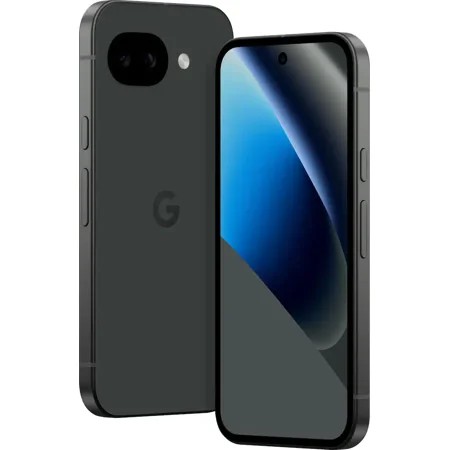
6. Google Pixel 10a — Best Smartphone Under $500
Google Pixel 10a is our value pick because it brings several premium-feeling smartphone features into a price category where compromises normally become much more obvious.
The phone uses a 6.3-inch 120Hz pOLED display, a 5,100mAh battery and Google’s Tensor G4 platform. Its rear camera system pairs a 48MP main camera with a 13MP ultrawide.
The hardware is not designed to beat premium flagships in raw performance. Instead, Pixel 10a’s value comes from Google’s software, camera processing and a generally complete everyday experience at a substantially lower entry price.
That makes it particularly attractive to buyers who care about photography and software but do not need a dedicated telephoto lens, extreme gaming performance or premium materials.
Wireless charging is another useful inclusion at this level, where manufacturers often remove convenience features to hit a lower price.
Best For
Budget-conscious buyers who want a strong camera experience, 120Hz display and modern Android software without moving into flagship pricing.
Pros
✅ Strong value positioning
✅ 120Hz OLED display
✅ Useful Google camera processing
✅ 5,100mAh battery
✅ Wireless charging
Cons
❌ No telephoto camera
❌ Not designed for flagship-level gaming performance
❌ Charging is not especially fast
Alternative: Check current prices on older premium phones before buying. A discounted previous-generation flagship can sometimes fall into the same price range and offer better hardware.
7. Samsung Galaxy Z Fold8 Ultra — Best for Work & Productivity
Samsung Galaxy Z Fold8 Ultra is the most specialized productivity phone in this ranking because its defining feature is not a faster chip or an additional camera—it is an 8-inch internal display that changes how much information can fit on screen.
The Fold8 Ultra pairs that large internal panel with a 6.5-inch cover screen, Snapdragon 8 Elite Gen 5 for Galaxy, up to 16GB of RAM and storage configurations reaching 1TB. It weighs 215g and measures only 4.1mm thick when unfolded.
For work, that larger canvas can make split-screen multitasking, documents, calendars, spreadsheets and communication apps substantially easier to manage than on a conventional phone. It will not replace a laptop, but some users may find that it reduces how often they need to carry a small tablet.
The camera system is more serious than older productivity-first foldables, with a 200MP main camera, 50MP ultrawide and 3x telephoto. The 5,000mAh battery is also larger than the previous Fold generation.
One important limitation needs to be clear: the Fold8 Ultra does not support S Pen input. Buyers specifically wanting Samsung’s stylus experience should look at Galaxy S26 Ultra instead.
Best For
Business users and multitaskers who genuinely benefit from a tablet-like screen that still folds into a smartphone-sized device.
Pros
✅ Large 8-inch internal display
✅ Flagship Snapdragon performance
✅ Up to 16GB RAM and 1TB storage
✅ 200MP main camera
✅ Excellent multitasking potential
Cons
❌ Very high price
❌ Foldable construction is more complex than a conventional phone
❌ No S Pen support
❌ Unnecessary if you rarely multitask
Alternative: Choose Galaxy S26 Ultra if you want Samsung productivity features and S Pen support without paying for a folding display.
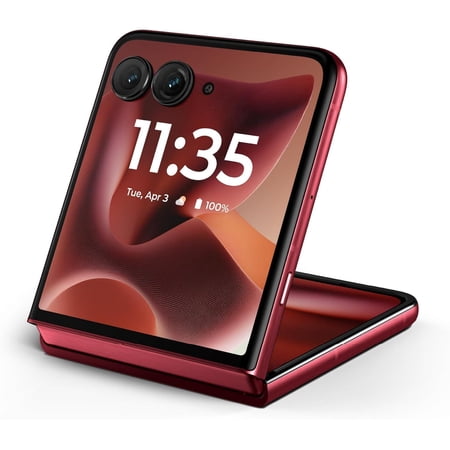
8. Motorola Razr Ultra 2026 — Best Flip Phone
Motorola Razr Ultra 2026 is our preferred flip-style foldable because it combines a compact folded form with a genuinely useful external display and unusually strong battery specifications for this category.
The phone has a 7-inch internal display and a 4-inch external display, with refresh rates reaching 165Hz. The external panel can run full apps, making it useful for messages, maps, music and quick tasks without opening the phone every time.
Motorola equips the Razr Ultra with a 5,000mAh silicon-carbon battery, 68W wired charging and up to 30W wireless charging. Those are meaningful strengths in a segment where compact folding hardware can make battery capacity difficult.
The camera system uses dual 50MP rear cameras and a 50MP front camera. Camera quality is not the central reason to choose the Razr over the strongest slab flagships, but the hardware is serious enough that the phone does not have to be treated purely as a fashion device.
The real buying question is whether compactness is worth the foldable price premium. If you rarely use the external screen and do not particularly care about folding the phone in half, a conventional flagship will usually provide better value.
Best For
Buyers who specifically want a compact flip phone with a large usable cover display, strong battery capacity and fast charging.
Pros
✅ Large 4-inch external display
✅ 5,000mAh battery
✅ 68W wired charging
✅ 30W wireless charging
✅ Compact when folded
Cons
❌ Foldable price premium
❌ Camera system is not the main reason to buy it
❌ Conventional phones remain simpler and potentially better value
Alternative: Compare current Galaxy Z Flip pricing if you want another compact foldable ecosystem before deciding.
9. ASUS ROG Phone 9 Pro — Best Gaming Phone
ASUS ROG Phone 9 Pro remains one of the clearest choices for buyers who treat gaming as a primary smartphone use rather than an occasional activity.
The phone uses Snapdragon 8 Elite hardware, up to 24GB of RAM and up to 1TB of storage. Its AMOLED display can reach 185Hz in supported Game Genie scenarios, making refresh rate one of its most distinctive specifications.
Gaming-specific features matter more than benchmark numbers here. AirTriggers add touch-sensitive controls, while bypass charging can power the phone without continuously cycling the battery during plugged-in gaming sessions.
The 5,800mAh battery also delivers excellent endurance. Independent testing has kept the ROG Phone 9 Pro among the longest-lasting premium phones even as newer battery specialists have moved ahead.
The compromise is specialization. Camera quality, understated design and mainstream software experience are not the reasons to buy it. If gaming is only a minor part of your phone use, an iPhone, Galaxy, Pixel or OnePlus will usually be more balanced.
Best For
Serious mobile gamers who value sustained performance, gaming controls, high refresh rates and battery endurance more than camera leadership.
Pros
✅ Snapdragon 8 Elite performance
✅ Up to 185Hz gaming refresh rate
✅ AirTrigger controls
✅ Bypass charging
✅ Excellent battery endurance
Cons
❌ Camera is not class-leading
❌ Gaming-focused design is unnecessary for many buyers
❌ More specialized than mainstream flagships
Alternative: Choose OnePlus 15 if you want excellent gaming performance and outstanding battery life in a more conventional flagship design.
10. Samsung Galaxy S26 — Best Compact Android Flagship
Samsung Galaxy S26 earns the final place because premium smartphones have become increasingly large, leaving fewer choices for buyers who want flagship features without carrying a 6.8- or 6.9-inch device.
The Galaxy S26 uses a 6.3-inch Dynamic AMOLED 2X display with a refresh rate up to 120Hz while weighing approximately 167g. That combination makes it dramatically easier to handle than the S26 Ultra.
The smaller body naturally introduces trade-offs. Samsung lists a 4,300mAh battery and wired charging up to 25W, substantially below the battery capacity and charging speed of OnePlus 15.
The camera system is also less ambitious than the Ultra model. That is acceptable because the purpose of the regular S26 is not to replace the Ultra—it is to provide the core Galaxy flagship experience in a genuinely more manageable form.
Chip configuration can vary by market, so buyers should check the exact regional model when comparing specifications and retailer listings.
Best For
Android buyers who value portability and one-handed comfort but still want a premium Samsung display, software experience and flagship-class phone.
Pros
✅ Compact 6.3-inch design
✅ Lightweight at around 167g
✅ 120Hz AMOLED display
✅ Wireless charging
✅ Full Samsung ecosystem experience
Cons
❌ 4,300mAh battery is modest by current flagship standards
❌ 25W wired charging is comparatively slow
❌ Camera hardware is less versatile than S26 Ultra
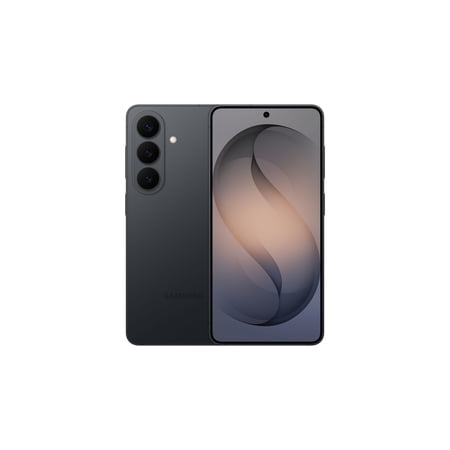
Alternative: Choose Galaxy S26 Ultra if size is not a concern and you want substantially greater camera flexibility, battery capacity and S Pen functionality.
iPhone 17 Pro Max vs Galaxy S26 Ultra: Which Flagship Is Better?
The highest-profile flagship decision in this guide is between iPhone 17 Pro Max and Galaxy S26 Ultra. Neither is universally better; they emphasize different strengths.
| Category | iPhone 17 Pro Max | Galaxy S26 Ultra |
|---|---|---|
| Platform | iOS | Android |
| Main Camera Approach | Three 48MP rear cameras | 200MP main + multiple telephotos |
| Zoom Flexibility | Strong | Stronger hardware range |
| Video | Major strength | Strong |
| Stylus | No | Integrated S Pen |
| Best For | Apple ecosystem, video, all-round use | Android, zoom, productivity |
| Our Verdict | Best Overall | Best Android |
Choose iPhone 17 Pro Max if you already prefer iOS, care heavily about video, use other Apple devices or want the most consistent all-round recommendation.
Choose Galaxy S26 Ultra if you want Android customization, greater telephoto flexibility, S Pen functionality and a productivity-oriented feature set.
For a deeper head-to-head comparison, see our Apple iPhone 17 Pro Max vs Samsung Galaxy S26 Ultra.
Which Smartphone Has the Best Camera?
There is no single best camera phone for every photographer because different systems prioritize different tasks.
Galaxy S26 Ultra is our choice for camera versatility. Its 200MP main sensor is only part of the story; the real advantage is having ultrawide, 3x telephoto and 5x telephoto options available without relying entirely on digital zoom.
iPhone 17 Pro Max is the strongest all-round choice for users who move frequently between photography and video. Apple’s professional video support and consistent processing make it particularly attractive to creators.
Pixel 10 Pro XL is the computational-photography choice. Google’s value comes from what its software does with the camera hardware, particularly for users who prefer Pixel’s approach to processing and AI-assisted editing.
If photography is your main purchase criterion, our Best Smartphones for Photography: 2026 Top Picks goes deeper into this category.
Which Phone Has the Best Battery Life?
OnePlus 15 is the battery-life winner in this comparison. Its 7,300mAh battery is unusually large for a mainstream flagship, and independent standardized testing has supported the hardware advantage rather than leaving it as a capacity claim alone.
ROG Phone 9 Pro also remains an excellent endurance option, especially for gaming. iPhone 17 Pro Max provides strong battery life without using an unusually large published capacity as its primary selling point.
The important rule when comparing the best phones for battery life is not to rank phones by milliamp-hours alone. Display efficiency, modem behavior, processor efficiency, software and usage patterns can dramatically change real-world runtime.
Charging also matters. A phone that lasts slightly less time but recovers several hours of use in a short charge may be more convenient than one with a bigger battery and slow charging.
Best Smartphones for Work
The best smartphones for work depend on what “work” actually means. Email and messaging place very different demands on a phone than spreadsheets, document review, handwritten notes or multi-app workflows.
Galaxy Z Fold8 Ultra is our productivity winner because the 8-inch internal display creates substantially more usable workspace. Split-screen apps, documents and calendars simply have more room.
Galaxy S26 Ultra is the better conventional work phone. It retains a normal slab design while adding a large display and integrated S Pen, making it particularly useful for notes and annotations.
iPhone 17 Pro Max makes the most sense for businesses and professionals already embedded in Apple’s ecosystem. Integration with Macs, iPads, AirPods and Apple services can matter more than any single phone specification.
For corporate use, software-support policy, device-management compatibility, security requirements and repairability should be evaluated alongside camera and battery specifications.
Smartphone Buying Guide
iPhone or Android?
Start with ecosystem rather than specifications. If your household and work setup already uses Macs, Apple Watches, AirPods and iCloud, switching away from iPhone may introduce friction that a specification sheet does not show.
Android offers greater hardware diversity. You can choose compact phones, gaming devices, foldables, stylus-equipped flagships and extremely fast-charging models from multiple manufacturers.
Camera Quality
Do not buy a camera phone by megapixel count alone. Lens selection, sensor size, stabilization, autofocus, image processing, telephoto reach and video quality all matter.
A dedicated telephoto lens can be more useful than a very high-resolution main camera if you regularly photograph distant subjects. Conversely, users who mostly take family and travel photos may value consistency more than extreme zoom.
Battery Life
Battery capacity is useful context but not a complete performance metric. Independent endurance tests are valuable because two phones with similar capacities can produce very different runtimes.
Also consider how quickly the phone charges and whether wireless charging matters to your routine.
Performance and RAM
Most current premium phones are fast enough for messaging, browsing, streaming and social apps. Paying for the fastest processor makes more sense if you game heavily, edit video, keep phones for many years or run demanding multitasking workflows.
RAM is similarly contextual. More memory can help multitasking, but software optimization matters as much as the number printed on a specification sheet.
Display Size and Refresh Rate
A large display improves movies, games and productivity but makes a phone harder to carry and operate one-handed. Compact models such as Galaxy S26 remain important because not everyone wants a 6.8- or 6.9-inch device.
A 120Hz refresh rate makes scrolling and animation feel smoother, and it has become increasingly common outside the most expensive Pro models.
Storage
Think about storage before buying because most premium phones no longer make internal storage easily expandable. Large photo libraries, offline media and 4K video can consume space quickly.
Cloud storage helps, but it introduces recurring cost and does not replace local capacity in every situation.
Software Support
A phone’s useful life depends partly on how long the manufacturer provides operating-system and security updates. Long support can make a more expensive phone better value if you intend to keep it for five years or longer.
Do not upgrade annually simply because a new model exists. If your current phone remains secure, responsive and capable of meeting your needs, extending its life is often the better financial decision.
Charging
Charging standards vary dramatically. OnePlus emphasizes very high wired and wireless wattages, while other manufacturers prioritize different balances between battery size, heat management and ecosystem compatibility.
Check whether the required high-speed charger is included or needs to be purchased separately.
Foldable vs Traditional Phone
Foldables solve specific problems rather than automatically improving every smartphone task.
Choose a book-style foldable like Galaxy Z Fold8 Ultra when a larger workspace is genuinely useful. Choose a flip phone like Razr Ultra when compact folded size is the main attraction.
If neither advantage matters to you, a conventional smartphone is usually simpler and less expensive.
Live Price vs Launch Price
Current price matters more than launch price. Smartphone value changes throughout the product cycle as retailers discount older models, bundle accessories or clear inventory.
A $700 previous-generation flagship can be a stronger purchase than a brand-new $700 midrange phone. That is why this guide uses live price-comparison cards rather than treating MSRP as a permanent measure of value.
Other Smartphones Worth Considering
The ten phones above give us the most balanced main shortlist, but they are not the only capable smartphones available.
Xiaomi’s Ultra-class flagships are particularly relevant for buyers focused on camera hardware and charging technology, although availability and warranty support can vary significantly by market.
Oppo Find-series flagships also compete strongly on cameras, displays and battery technology in markets where they are officially distributed.
Honor Magic-series phones can be compelling alternatives for buyers who want premium Android hardware outside Samsung and Google.
Samsung’s Galaxy Z Flip family remains the obvious comparison point for Motorola Razr buyers. The better purchase can change based on retailer discounts, ecosystem preference and how much you use the external display.
We keep these models outside the main Top 10 because availability and live retailer coverage matter to a Discompare recommendation, not because the hardware is necessarily inferior.
Smartphone FAQ
What is the best smartphone overall?
Apple iPhone 17 Pro Max is our best overall smartphone because it combines excellent performance, strong battery endurance, a versatile three-camera system, particularly strong video capabilities and a mature hardware/software ecosystem.
What is the best Android phone?
Samsung Galaxy S26 Ultra is our top Android choice. Its combination of a large premium display, versatile camera system, separate telephoto cameras, S Pen and productivity features gives it one of the most complete Android feature sets.
Which smartphone has the best camera?
Galaxy S26 Ultra is our choice for overall camera versatility, iPhone 17 Pro Max is especially strong for consistent photo and video performance, and Pixel 10 Pro XL is our preferred computational-photography option. The right choice depends on whether you prioritize zoom, video or software processing.
Which phone has the best battery life?
OnePlus 15 is our battery-life winner. Its 7,300mAh battery combines with excellent independent endurance-test results and very fast wired and wireless charging.
What is the best smartphone under $500?
Google Pixel 10a is our current choice under $500 because it combines a 120Hz OLED display, a large battery, Google’s camera processing and modern Android software without flagship pricing.
Is iPhone better than Samsung?
Neither brand is universally better. iPhone is especially attractive for Apple’s ecosystem and video-focused users, while Samsung offers greater hardware variety, stronger zoom flexibility on the Ultra model, Android customization and S Pen functionality. Choose based on ecosystem and use case rather than brand reputation alone.
Are foldable phones worth buying?
Foldables can be worth buying when the folding design solves a real problem. Galaxy Z Fold8 Ultra is useful for multitasking on a larger screen, while Razr Ultra becomes much smaller when folded. If neither benefit matters to you, a conventional smartphone usually provides better value and simpler hardware.
How often should you upgrade your smartphone?
Upgrade when your current phone no longer meets a real need—for example, battery degradation, insufficient performance, broken hardware, inadequate camera capability or the end of security support. A yearly upgrade is unnecessary for most users.
Final Verdict: Which Smartphone Should You Buy?
The top 10 smartphones in this guide are deliberately different because there is no single hardware formula that fits every buyer.
iPhone 17 Pro Max is our best overall recommendation for buyers who want one premium phone that performs consistently across cameras, video, battery, performance and ecosystem integration.
Galaxy S26 Ultra is the Android flagship we would choose for camera versatility and productivity. OnePlus 15 is the battery-life specialist, while Pixel 10 Pro XL is particularly compelling for computational photography and Google’s AI-focused software.
Not everyone needs a flagship. Pixel 10a demonstrates how much of the modern smartphone experience is available below $500, and the standard iPhone 17 is a more rational Apple purchase than Pro Max for many users.
More specialized buyers have clear options too: Galaxy Z Fold8 Ultra for multitasking, Motorola Razr Ultra 2026 for a compact flip design, ROG Phone 9 Pro for gaming and Galaxy S26 for buyers who still want a compact Android flagship.
Best Overall: Apple iPhone 17 Pro Max
Best Android & Camera Phone: Samsung Galaxy S26 Ultra
Best Battery-Life Flagship: OnePlus 15
Best Under $500: Google Pixel 10a
Best for Work & Productivity: Samsung Galaxy Z Fold8 Ultra
The final step is to compare the current retailer prices rather than assuming the ranking alone determines value. A discount can move two closely matched phones into completely different buying positions.
Sources
- Apple — current iPhone 17 and iPhone 17 Pro / Pro Max specifications and product information.
- Samsung — current Galaxy S26, Galaxy S26 Ultra and Galaxy Z Fold8 Ultra specifications and support documentation.
- Google Store — current Pixel 10 Pro XL and Pixel 10a product specifications.
- OnePlus — OnePlus 15 specifications and product information.
- Motorola — Razr Ultra 2026 specifications and product information.
- ASUS ROG — ROG Phone 9 Pro specifications.
- Tom’s Guide — current smartphone recommendations and standardized battery-life testing.
- TechRadar — current smartphone buying-guide and flagship coverage.
- Notebookcheck — smartphone benchmark and hardware testing.
- GSMArena — smartphone specifications and device comparisons.
- PhoneArena — current flagship comparisons and smartphone testing.
- PCMag — smartphone buying-guide and review coverage.
Product Groups: Apple iPhone 17 Pro Max, Samsung Galaxy S26 Ultra, OnePlus 15, Google Pixel 10 Pro XL, Apple iPhone 17, Google Pixel 10a, Samsung Galaxy Z Fold8 Ultra, Motorola Razr Ultra, ASUS ROG Phone 9 Pro, Samsung Galaxy S26