Choosing the best smartphones for photography is no longer as simple as finding the phone with the highest megapixel count. Modern camera phones take very different approaches to image quality: some rely on large sensors and ambitious telephoto hardware, others prioritize computational photography, and a few focus heavily on professional video and creator workflows.
That means the best camera phone for one photographer may not be the best for another. A travel photographer may care about long-range zoom. Portrait shooters may prefer natural focal lengths and reliable subject separation. Content creators may place video stabilization, front-camera quality and editing workflow above absolute still-image resolution. Low-light photographers may care more about sensor size, stabilization and computational processing than daytime detail.
For this guide, we compared current flagship and value-oriented camera phones based on their main, ultrawide and telephoto systems, portrait performance, low-light capabilities, video features, manual controls, camera accessories, software processing and current market positioning. We also considered retailer availability, because a technically impressive phone is less practical if warranty coverage or local support is difficult to obtain.
The result is a photography-first shortlist rather than another generic smartphone ranking. These are the top smartphones for photos based on what and how you actually shoot.
Quick Answer: Best Camera Phones by Photography Style
Best Overall for Photography & Video: Apple iPhone 17 Pro Max — the strongest balance of consistent still photography, professional video tools, reliable autofocus and creator-friendly workflow.
Best for Zoom & Camera Versatility: Samsung Galaxy S26 Ultra — dedicated 3x and 5x telephoto cameras provide more mainstream focal-length flexibility than most flagship phones.
Best for Enthusiast Photography: Xiaomi 17 Ultra — a 1-inch main sensor, Leica tuning and mechanical 75–100mm optical zoom make it one of the most camera-focused phones available.
Best Computational & Low-Light Pick: Google Pixel 10 Pro XL — especially strong for Night Sight, point-and-shoot processing, portraits and computational photography.
Best Camera Phone Under $500: Google Pixel 10a — delivers Google’s image processing and a capable main camera without flagship-level pricing.
How We Chose the Best Smartphones for Photography
We did not rank these phones by megapixel count alone. High resolution can be useful for cropping and detail, but best picture quality smartphones are determined by a much broader set of factors.
We considered main-camera quality, sensor size, lens focal length, telephoto implementation, ultrawide usefulness, autofocus, stabilization, dynamic range, skin-tone rendering, low-light performance, portrait behavior, front-camera quality and video capabilities.
For more advanced photographers, we also considered RAW support, manual controls, Log recording, camera accessories and how easily files can move into a larger editing workflow.
Independent hands-on reviews and photography-focused comparisons were used alongside manufacturer specifications. Discompare does not claim to have personally laboratory-tested every phone in this guide.
Best Smartphones for Photography Compared
| Smartphone | Best For | Camera Approach | Telephoto | Video Strength | Main Trade-Off |
|---|---|---|---|---|---|
| Apple iPhone 17 Pro Max | Overall photo + video | Three 48MP rear cameras | 4x native; 8x optical-quality crop | Excellent | Expensive; 17 Pro shares camera system |
| Samsung Galaxy S26 Ultra | Zoom & versatility | 200MP main + multiple telephotos | 3x + 5x native | Very strong | Large; processing style can be subjective |
| Xiaomi 17 Ultra | Enthusiast photography | 1-inch main sensor + Leica | 75–100mm mechanical optical zoom | Strong | Limited U.S. availability |
| Google Pixel 10 Pro XL | Computational & low light | Google processing + triple camera | 5x native | Good | Newer Pixel generation now exists |
| vivo X300 Ultra | Portrait & telephoto | 200MP 35mm + 200MP 85mm | 85mm + optional extenders | Very strong | Regional availability |
| OPPO Find X9 Ultra | Pro-style mobile system | Dual 200MP + specialist telephotos | 10x native optical | Excellent | Limited distribution and accessories |
| Google Pixel 10a | Budget photography | 48MP main + Google processing | No dedicated telephoto | Good for the price | Limited zoom and pro controls |

![Straight Talk Apple iPhone 17 Pro Max, 5G, 256GB, Cosmic Orange - Prepaid Smartphone [Locked to Straight Talk]](https://i5.walmartimages.com/asr/c3caed64-e138-42e5-8ecf-6d983c00b484.c17f319d00b601c9b3367df1a05118a6.jpeg?odnHeight=450&odnWidth=450&odnBg=ffffff)
1. Apple iPhone 17 Pro Max — Best Overall for Photography & Video
The iPhone 17 Pro Max is our best overall recommendation because it combines strong still photography with one of the most complete mobile video systems available. It is not the phone with the most extreme telephoto hardware, nor does it have the largest main sensor in this guide. Its strength is consistency across photography, video and creator workflow.
All three rear cameras use 48MP sensors. The main camera uses a 24mm-equivalent lens, the ultrawide covers 13mm, and the telephoto provides a native 4x position at approximately 100mm equivalent. Apple also offers an 8x optical-quality mode by cropping the higher-resolution telephoto sensor. That 8x setting should not be confused with a native 8x optical lens.
The 18MP Center Stage front camera is also relevant for creators, video calls and social media. For professional video, Apple offers ProRes RAW, Apple Log 2, Dolby Vision and advanced workflow features that make the phone easier to integrate into serious production environments.
This is why we rate the iPhone highly even though Xiaomi, vivo and OPPO use more adventurous camera hardware. For many users, predictable autofocus, exposure, color and video behavior matter more than having the most aggressive specification sheet.
Best For
Photographers who want one phone for reliable everyday photos and serious video, social-media creators, mobile filmmakers and Apple ecosystem users who value a polished end-to-end workflow.
Pros
✅ Three 48MP rear cameras
✅ Excellent video and creator workflow
✅ Strong camera-to-camera consistency
✅ ProRAW and professional video formats
✅ Strong front-camera experience
Cons
❌ Expensive
❌ 4x native telephoto is less ambitious than some rivals
❌ 8x mode is a sensor crop, not native 8x optical
❌ Smaller iPhone 17 Pro shares the core rear-camera system
Alternative: Choose the iPhone 17 Pro if you want essentially the same Pro camera system in a smaller and lighter body. For a deeper look at performance, battery life, storage and upgrade value, see our Apple iPhone 17 Pro Max Review & Price Comparison.
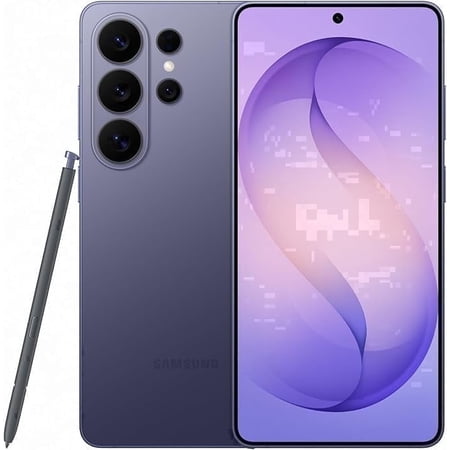
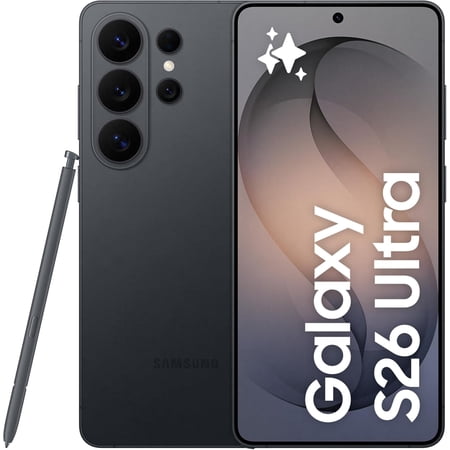
2. Samsung Galaxy S26 Ultra — Best for Zoom & Camera Versatility
The Galaxy S26 Ultra remains one of the most versatile mainstream camera phones because Samsung gives photographers several dedicated focal lengths instead of relying heavily on digital cropping.
The system combines a 200MP main camera, 50MP ultrawide, 10MP 3x telephoto and 50MP 5x telephoto. That means you can move from wide scenes to portrait-friendly focal lengths and then into longer zoom without depending on a single telephoto camera for every job.
This flexibility is especially useful for travel, architecture, events and distant subjects. Samsung also widened the aperture of the main camera to f/1.4 and says the change allows substantially more light than the previous generation. That is a manufacturer claim, but the larger aperture is directionally useful for low-light shooting.
The important limitation is that extreme zoom numbers should be interpreted carefully. The dedicated telephoto lenses are 3x and 5x. Higher settings such as 10x optical-quality and very long Space Zoom ranges depend increasingly on sensor cropping and computational processing.
Best For
Travel photographers, event shooters and anyone who values having multiple useful focal lengths available without carrying separate equipment.
Pros
✅ Dedicated 3x and 5x telephoto cameras
✅ 200MP main camera
✅ Excellent focal-length versatility
✅ Strong choice for travel and events
Cons
❌ Large and expensive
❌ High zoom numbers are not all native optical
❌ Samsung’s processing style may not suit every photographer
Alternative: If video consistency and Apple ecosystem integration matter more than maximum focal-length flexibility, the iPhone 17 Pro Max is the stronger alternative.
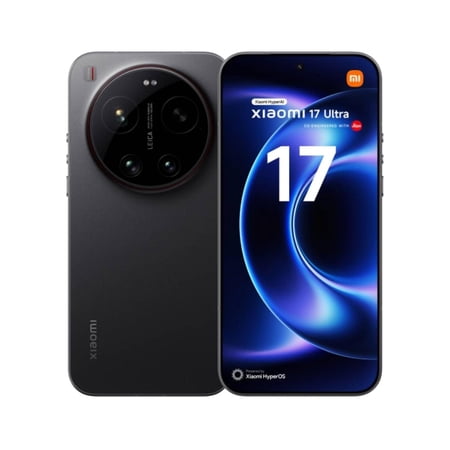
3. Xiaomi 17 Ultra — Best for Enthusiast Photography
The Xiaomi 17 Ultra is one of the clearest examples of a smartphone designed around photography rather than simply adding a premium camera to a flagship phone.
Its 50MP main camera uses a large 1-inch sensor with a 23mm-equivalent lens, while the 200MP telephoto uses a mechanical optical system covering approximately 75–100mm. Unlike a fixed telephoto that relies on cropping between focal lengths, the Xiaomi physically adjusts the optics across that range.
That makes it particularly appealing to photographers accustomed to thinking in focal lengths rather than arbitrary zoom numbers. The Leica collaboration, RAW capabilities and optional Photography Kit further reinforce that enthusiast positioning.
The Xiaomi does come with practical complications. U.S. availability and warranty coverage may be limited depending on how it is purchased, and imported models require more careful checking of network compatibility and after-sales support.
Best For
Experienced photographers who want large sensors, manual control, more camera-like ergonomics and an optical system that behaves more like a dedicated lens setup.
Pros
✅ 1-inch main sensor
✅ 75–100mm mechanical optical zoom
✅ 200MP telephoto sensor
✅ Leica-oriented photography experience
✅ Optional Photography Kit
Cons
❌ Limited U.S. availability
❌ Import and warranty considerations
❌ More specialized than most mainstream buyers need
Alternative: The Xiaomi 15 Ultra remains worth considering if it is available at a substantial discount, especially for photographers who value its established camera system and do not need the newest model simply because it is newer.
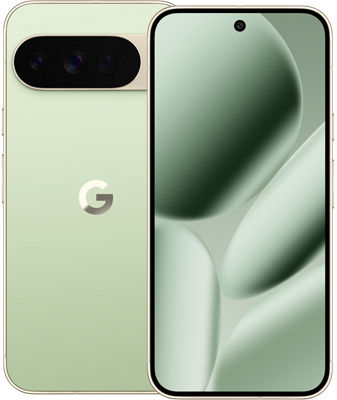
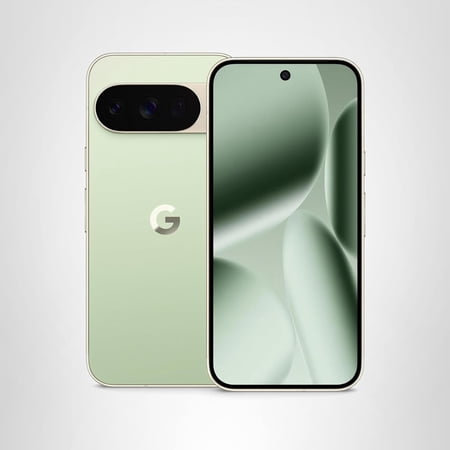
4. Google Pixel 10 Pro XL — Best for Computational & Low-Light Photography
The Pixel 10 Pro XL takes a different route. Its hardware is strong, but the main reason to choose it is Google’s computational photography.
The rear system combines a 50MP main camera, 48MP ultrawide and 48MP 5x telephoto. Google then layers Night Sight, astrophotography, Real Tone, portrait processing, Zoom Enhance and other computational tools on top of that hardware.
This makes the Pixel especially good for photographers who want strong results without manually adjusting camera settings. Low-light scenes, portraits and difficult dynamic-range situations are precisely where computational photography can make a meaningful difference.
Its 5x telephoto provides a useful native long focal length, while higher zoom levels increasingly depend on Google’s computational pipeline. As with other phones, a large advertised maximum zoom should not be confused with optical reach.
Best For
Point-and-shoot photographers, low-light users, portrait shooters and anyone who prefers Google’s computational style over more manual camera-oriented systems.
Pros
✅ Excellent computational photography
✅ Strong low-light and Night Sight performance
✅ 5x native telephoto
✅ Excellent point-and-shoot workflow
Cons
❌ Less camera-centric hardware than Xiaomi, vivo or OPPO
❌ Extreme zoom relies heavily on computation
❌ A newer Pixel generation is now entering the market
Alternative: The newer Pixel 11 Pro generation deserves attention, but the Pixel 10 Pro XL currently has a broader body of established cross-device testing behind its camera recommendation.
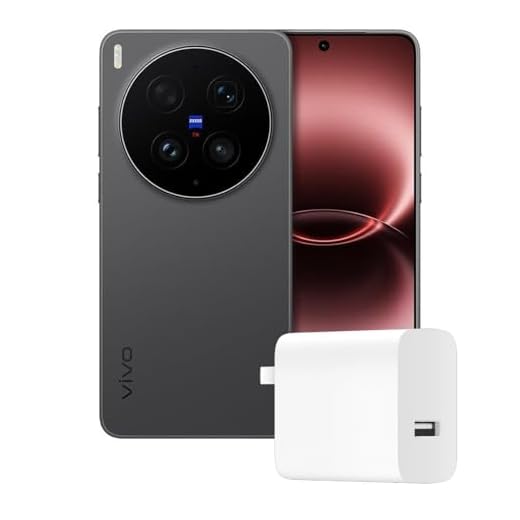
5. vivo X300 Ultra — Best for Portrait & Telephoto Photography
The vivo X300 Ultra has one of the most photographer-oriented focal-length strategies in this guide. Instead of relying entirely on conventional smartphone focal lengths, it combines a 200MP 35mm-equivalent main camera with a 200MP 85mm-equivalent telephoto.
Those focal lengths are particularly useful for portraits. A 35mm perspective works well for environmental portraits where the background remains part of the story, while 85mm is a classic choice for tighter portraits with more flattering facial perspective and stronger subject isolation.
The telephoto includes substantial stabilization, and vivo also supports optional physical extenders that can reach much longer equivalent focal lengths. That expands the phone beyond portraits into more specialist telephoto use such as distant subjects, outdoor events and some wildlife scenarios.
ZEISS tuning and the large sensor approach make the X300 Ultra one of the more interesting options for photographers who care about optical character rather than just social-media-ready processing.
Best For
Portrait photographers, telephoto users and enthusiasts who appreciate traditional focal lengths such as 35mm and 85mm.
Pros
✅ 200MP 35mm main camera
✅ 200MP 85mm telephoto
✅ Strong portrait-oriented focal lengths
✅ ZEISS collaboration
✅ Optional telephoto extenders
Cons
❌ Regional availability is limited
❌ Accessories may be difficult to source in some markets
❌ Specialized setup may be unnecessary for casual photographers
Alternative: The Galaxy S26 Ultra is easier to buy in many markets and offers a more mainstream multi-telephoto system, although vivo’s 35mm/85mm photography approach is more distinctive.
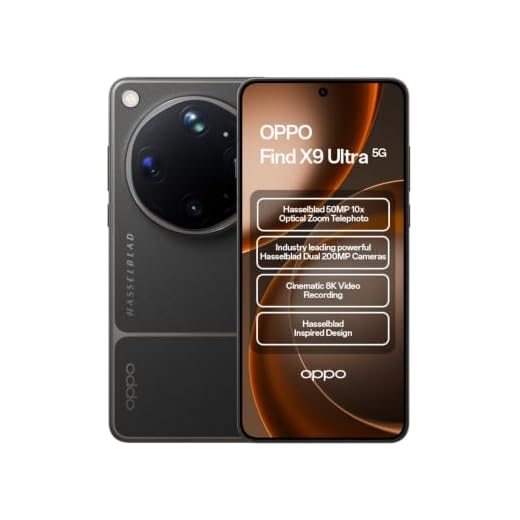
6. OPPO Find X9 Ultra — Best Pro-Style Mobile Camera System
The OPPO Find X9 Ultra is one of the most ambitious attempts to turn a smartphone into a modular photography system.
Its camera setup combines multiple high-resolution sensors, including dual 200MP cameras and a dedicated 50MP long-range telephoto that provides true 10x optical reach. OPPO also offers a Hasselblad 300mm Explorer Teleconverter for users who want an even more specialized physical long-lens setup.
That gives the Find X9 Ultra an unusual advantage in this list: its 10x position is native optical rather than merely an optical-quality crop. Higher positions still depend on cropping and computational techniques, so the distinction remains important.
The phone also supports RAW MAX, Hasselblad Master Mode, manual exposure controls, Log workflows and advanced video recording. It is therefore particularly interesting for experienced photographers and creators who want to treat the phone as part of a larger production system.
Best For
Advanced mobile photographers, long-range shooters and users who want the closest thing to a modular camera system in a smartphone.
Pros
✅ True 10x optical telephoto
✅ Dual 200MP camera approach
✅ Hasselblad manual and color tools
✅ RAW and advanced video workflows
✅ Optional physical teleconverter
Cons
❌ Limited U.S. distribution
❌ Specialist accessories increase total cost
❌ More complex than most casual users need
Alternative: Xiaomi 17 Ultra offers a similarly enthusiast-focused approach with a 1-inch main sensor and mechanical mid-telephoto zoom.
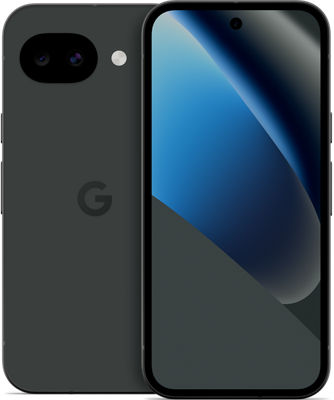
7. Google Pixel 10a — Best Camera Phone Under $500
Good smartphone photography does not require spending flagship money. The Pixel 10a earns its place because Google’s computational photography remains useful even with more modest camera hardware.
The rear system includes a 48MP main camera with optical stabilization and a 13MP ultrawide. There is no dedicated telephoto lens, so long-range photography is a clear limitation. Google’s Super Zoom processing can extend reach digitally, but it should not be confused with optical telephoto hardware.
For everyday photos, family shots, travel, pets, food and social content, however, the Pixel’s processing does much of the difficult work automatically. That makes it a particularly strong recommendation for buyers who want good pictures without learning manual camera controls.
The value argument becomes even stronger if retailer discounts push the phone below its regular price.
Best For
Budget-conscious photographers, casual users and anyone who wants strong point-and-shoot results without paying for a flagship telephoto system.
Pros
✅ Strong Google computational photography
✅ Good main camera for the price
✅ Optical stabilization on the main camera
✅ Mainstream availability
Cons
❌ No dedicated telephoto camera
❌ Smaller sensors than flagship models
❌ Limited professional camera and video tools
Alternative: Look for discounted previous-generation flagship camera phones if you want optical telephoto capability without paying current flagship prices.
Which Smartphone Has the Best Portrait Mode?
A good smartphone portrait mode requires more than artificial background blur. Focal length, perspective, edge detection, hair separation, skin rendering and the transition from sharp subject to blurred background all affect whether a portrait looks convincing.
The vivo X300 Ultra is particularly interesting because its hardware naturally supports portrait-friendly focal lengths. Its 35mm main camera works well for environmental portraits, while the 85mm telephoto is much closer to the classic focal length used by dedicated portrait photographers.
The iPhone 17 Pro Max remains strong for consistent skin tones and predictable results, while the Pixel 10 Pro XL uses computational processing effectively for subject separation and difficult lighting. Samsung’s 3x and 5x telephotos provide useful portrait flexibility, particularly when you want tighter framing.
If portrait photography is your main priority, do not judge phones only by whether they have a Portrait Mode button. Look at the actual focal lengths available and how natural the final image appears.
Best Smartphones for Low-Light Photography
The best low light camera phones combine hardware and software. A large sensor can collect more light, but stabilization, processing, subject motion and noise reduction matter just as much.
The Pixel 10 Pro XL remains one of the easiest choices for low-light point-and-shoot photography because Night Sight and Google’s computational processing handle difficult scenes with minimal user input.
The Xiaomi 17 Ultra takes the hardware-heavy route with a 1-inch main sensor, which gives the camera a strong physical foundation in dim conditions.
The Galaxy S26 Ultra uses a brighter f/1.4 main camera than the previous generation, while Samsung also improved the light-gathering potential of its telephoto system. Manufacturer claims about exact percentage improvements should be treated as controlled specifications rather than guaranteed real-world gains.
The vivo X300 Ultra also deserves attention thanks to its large sensors and extensive stabilization.
No phone wins every night scene. A static cityscape, moving subject, dark portrait and astrophotography shot place very different demands on a camera.
Which Camera Phone Has the Best Zoom?
Smartphone zoom specifications are among the easiest camera claims to misunderstand. Four different technologies can all be marketed using similar language.
Native Optical Zoom
This uses the physical lens itself. The Galaxy S26 Ultra has dedicated 3x and 5x cameras, the iPhone 17 Pro Max has a native 4x telephoto, the Pixel 10 Pro XL has a native 5x telephoto, and the OPPO Find X9 Ultra goes as far as a true 10x optical telephoto.
Variable Mechanical Optical Zoom
Xiaomi takes a different approach. The Xiaomi 17 Ultra mechanically changes its telephoto optics across approximately 75–100mm, giving photographers multiple optical focal lengths without relying entirely on sensor cropping.
Optical-Quality Cropping
This uses extra sensor resolution to crop into the image while attempting to maintain high quality. Apple’s 8x mode and Samsung’s 10x optical-quality mode are examples. They can look very good, but they are not equivalent to native lenses at those focal lengths.
Computational or Digital Zoom
Very high zoom figures increasingly rely on cropping, sharpening, image reconstruction and AI-assisted processing. Google’s 100x Pro Zoom and Samsung’s extreme Space Zoom ranges fall into this category.
Physical Teleconverters
vivo and OPPO go a step further by offering optional physical lens accessories. These can extend the effective focal length optically, although they add cost, bulk and setup time.
Best native long-range option: OPPO Find X9 Ultra.
Best mainstream focal-length versatility: Galaxy S26 Ultra.
Best mechanical variable optical system: Xiaomi 17 Ultra.
Best accessory-based approach: vivo X300 Ultra and OPPO Find X9 Ultra.
Best Smartphone for Video & Content Creators
For smartphones for content creators, still photography is only part of the decision. Video stabilization, autofocus, microphones, front-camera quality, storage, transfer speed and editing workflow become equally important.
The iPhone 17 Pro Max is our strongest overall recommendation here. ProRes RAW, Apple Log 2, Dolby Vision, USB 3 transfers and Apple’s mature creator-app ecosystem give it a workflow advantage that extends beyond the camera sensor itself.
The Galaxy S26 Ultra is a strong Android alternative with flexible cameras and advanced video modes, while Xiaomi, vivo and OPPO increasingly offer serious Log and manual video workflows of their own.
For creators who regularly publish to multiple platforms, reliability often matters more than maximum resolution. A camera that exposes consistently, focuses predictably and moves footage easily into an editing app can be more useful than a technically superior sensor that complicates the workflow.
Best Smartphones for Social Media
The best smartphones for social media need to work quickly. Most users are not transferring RAW files into Lightroom before posting a Story or short video.
The iPhone 17 Pro Max remains particularly strong because its stills and video are consistent, the front camera is capable, stabilization is reliable and social apps are well optimized for the platform.
The Pixel 10 Pro XL is excellent when you want attractive automatic photo processing with minimal editing, while the Galaxy S26 Ultra gives creators more focal-length options and Android flexibility.
For social-media work, a good front camera, stable exposure, dependable autofocus and smooth editing workflow often matter more than having a 200MP sensor.
Smartphone Photography Features That Actually Matter
Sensor Size
Larger sensors generally have more physical area available to collect light, which can help with dynamic range, noise and low-light performance. But sensor size alone does not determine final image quality because lens design and computational processing remain important.
Lens Focal Length
Focal length affects composition and perspective. Ultrawide lenses suit landscapes and architecture. Main cameras around 23–35mm work well for everyday scenes. Longer telephotos are useful for portraits, events and distant subjects.
Optical vs Digital Zoom
Native optical, optical-quality crop and digital zoom are different technologies. When comparing smartphones with best camera claims, always identify which method produces each advertised zoom level.
Computational Photography
Modern phones combine multiple frames, adjust exposure, reduce noise, recognize subjects and reconstruct detail automatically. Google Pixel phones are particularly associated with this approach, but every major smartphone manufacturer now uses computational photography extensively.
RAW & Manual Controls
RAW files retain more image information and give advanced photographers greater flexibility during editing. Manual controls for ISO, shutter speed, focus and white balance are also valuable if you prefer deliberate capture rather than automatic processing.
Stabilization
Optical stabilization matters for both stills and video. It can help reduce blur at slower shutter speeds and produce smoother footage when walking or shooting handheld.
Video Formats
Creators should look beyond resolution and frame rate. Log recording, RAW video, color-management workflows and external-storage support can be more important than simply having 8K recording.
Front Camera
For creators, vloggers and social users, the front camera may be used as frequently as the rear system. Autofocus, stabilization and exposure consistency are worth checking.
Camera Accessories
Photography grips, filter adapters and physical teleconverters can make a camera-centric phone easier to handle. Xiaomi, vivo and OPPO have pushed particularly hard into this area.
Is a Higher Megapixel Camera Always Better?
No. More megapixels do not automatically produce better smartphone photos.
A 200MP sensor can capture substantial detail under suitable conditions, but final image quality also depends on the size of the sensor, lens quality, stabilization, autofocus, dynamic range and image processing.
Many high-resolution smartphone cameras also use pixel binning, combining information from multiple physical pixels into a lower-resolution final image. That can improve light gathering and noise performance.
Megapixel count is therefore one specification to consider, not a ranking system. A well-tuned 48MP camera can easily produce more pleasing images than a poorly implemented 200MP one.
Is Xiaomi 15 Ultra Still Worth Buying?
Yes—if the price is right.
The arrival of Xiaomi 17 Ultra does not suddenly make Xiaomi 15 Ultra a poor camera phone. Previous-generation flagships often retain excellent optics and sensors long after the next model arrives.
That matters because retailer pricing can change the value equation. If Xiaomi 15 Ultra is significantly cheaper than Xiaomi 17 Ultra, photographers who do not need the newer model’s mechanical zoom system may find the older phone a better deal.
This is one reason we recommend comparing live prices rather than assuming the newest device always offers the best value.
What About Google Pixel 11 Pro?
Google’s newer Pixel 11 Pro generation has already entered the market, and early camera reviews are promising. Initial reporting points to improvements in areas including portraits, selfies, texture and low-light processing.
We are keeping Pixel 10 Pro XL as the established main pick in this edition because it currently has a broader body of standardized and cross-device camera testing behind it.
That position can change as more independent Pixel 11 Pro comparisons become available. Buyers considering a Pixel today should therefore compare the live price difference between generations rather than treating the older model as automatically preferable.
Smartphone vs Action Camera: Which Should Travelers Buy?
For normal travel photography, a good smartphone is often the more useful device. It handles landscapes, portraits, food, low-light scenes and social sharing without requiring extra equipment.
An action camera serves a different purpose. It is usually easier to mount, better suited to rough environments and designed for activities such as cycling, skiing, diving and first-person video.
Choose a smartphone if your priority is flexible everyday travel photography and instant editing. Choose an action camera if waterproofing, mounting and action stabilization are central to what you shoot.
For dedicated rugged options, see our Most Popular Action Cameras for Travelers 2026.
Smartphone vs Mirrorless Camera: When Is a Real Camera Better?
Modern camera phones are good enough that many people no longer need a dedicated camera for everyday photography. Computational processing can produce excellent results immediately, and smartphones are far easier to carry and share from.
A mirrorless camera still has important advantages.
Interchangeable lenses let you choose optics specifically for portraits, wildlife, macro, sports or landscapes. Larger sensors provide greater image-quality potential, especially when you want shallow depth of field or demanding low-light performance. Dedicated cameras also offer better ergonomics, physical controls and broader support for flashes and professional accessories.
A smartphone can replace a camera for many travel, family and social-media uses. It does not fully replace a mirrorless system when photography itself is the primary activity.
If you are considering moving beyond smartphones, see our Best Sony Mirrorless Cameras 2026.
Camera Phone Buying Guide
What Do You Photograph Most?
Start with subject matter rather than specifications. Portraits, landscapes, concerts, children, pets, sports and social video place very different demands on a camera system.
Do You Need Telephoto?
If you frequently photograph distant subjects, a dedicated telephoto should be high on your priority list. Pixel 10a may take excellent everyday photos, but it cannot replace the optical reach of Samsung, Xiaomi, vivo or OPPO.
Portrait Photography
Look for useful mid-telephoto focal lengths rather than only software Portrait Mode. Around 70–90mm equivalent can provide more flattering perspective for tighter portraits.
Low-Light Photography
Look at sensor size, lens aperture, stabilization and computational processing together. Avoid assuming that one larger number guarantees better night photos.
Video vs Still Photography
If video is as important as stills, iPhone becomes particularly compelling. If still photography is overwhelmingly your priority, Xiaomi, vivo and OPPO may offer more specialized camera hardware.
RAW and Manual Controls
Advanced shooters should check whether the phone provides true RAW capture and useful manual exposure controls rather than assuming every flagship offers the same level of control.
Storage
High-resolution photos, RAW files and professional video consume storage quickly. Creators should consider storage capacity before buying rather than treating it as an afterthought.
Battery Life
Photography can be demanding on battery life, especially when using the display outdoors, recording video or navigating during travel. A technically better camera system is less useful if your phone regularly runs out of power before the day ends.
Availability & Warranty
This matters particularly for Xiaomi, vivo and OPPO in markets where official distribution is limited. Check network compatibility, warranty support and return options before importing a camera-centric phone.
Live Price vs Launch Price
Launch MSRP is only a reference point. A discounted previous-generation flagship can sometimes deliver better photography value than a newer model at full price.
How These Camera Phones Compare as Everyday Smartphones
A phone can be an extraordinary camera and still not be the best overall smartphone for your needs.
Xiaomi, vivo and OPPO push further into specialist photography hardware, but Apple, Samsung and Google generally offer broader mainstream distribution, easier warranty support and deeply established software ecosystems in the U.S.
Battery life, performance, display quality, software support and general usability should therefore remain part of the purchase decision even when photography is your main priority.
For a broader ranking beyond cameras, see our Top 10 Smartphones of 2026: Best Phones & Live Prices.
Smartphone Photography FAQ
What is the best smartphone for photography?
The iPhone 17 Pro Max is our best overall pick because it combines consistent still photography with an excellent video and creator workflow. Samsung is stronger for mainstream zoom flexibility, while Xiaomi, vivo and OPPO offer more specialized camera hardware.
Which smartphone has the best picture quality?
There is no universal winner. Picture quality depends on lighting, focal length, subject and processing preference. iPhone is strong for consistency, Pixel for computational photography, Xiaomi for enthusiast hardware, vivo for portraits and Samsung for focal-length versatility.
Which phone is best for low-light photography?
Google Pixel 10 Pro XL is one of the easiest low-light recommendations because of Night Sight and computational processing. Xiaomi 17 Ultra is also particularly interesting because of its large 1-inch main sensor.
Which smartphone has the best zoom camera?
OPPO Find X9 Ultra offers unusually long native optical reach with its 10x telephoto, while Galaxy S26 Ultra provides the most useful mainstream combination of dedicated 3x and 5x cameras. Xiaomi 17 Ultra is notable for its mechanical 75–100mm optical zoom system.
Is iPhone or Samsung better for photography?
iPhone is generally the stronger choice if you prioritize consistent photo and video behavior, professional video tools and Apple’s creator ecosystem. Samsung is more attractive if zoom flexibility and multiple dedicated telephoto focal lengths are higher priorities.
Are Xiaomi camera phones better than iPhone?
Xiaomi can offer more ambitious camera hardware, including larger sensors and mechanical optical zoom. iPhone generally offers a more consistent photo/video experience and stronger mainstream creator workflow. Which is better depends on whether you prioritize enthusiast hardware or overall consistency.
Can a smartphone replace a mirrorless camera?
For everyday, travel and social-media photography, a good smartphone can replace a dedicated camera for many people. Mirrorless cameras still provide larger sensors, interchangeable lenses, better ergonomics and a higher creative ceiling for demanding photography.
How many megapixels do you need in a smartphone camera?
There is no minimum megapixel number that guarantees excellent photos. Sensor size, lens quality, stabilization, autofocus and image processing matter just as much. A well-designed 48MP camera can outperform a poorly implemented 200MP camera.
Final Verdict: Which Smartphone Is Best for Photography?
The strongest conclusion from comparing current camera phones is that there is no single camera architecture that wins every category.
The Apple iPhone 17 Pro Max is our best overall choice because it combines reliable still photography, consistent cameras, excellent video and one of the strongest creator workflows available on a phone.
The Samsung Galaxy S26 Ultra is the better choice if focal-length versatility and zoom are central to how you shoot. Its dedicated 3x and 5x telephotos make it unusually flexible without requiring specialist accessories.
The Xiaomi 17 Ultra is the most compelling choice for many enthusiast photographers thanks to its 1-inch main sensor, mechanical 75–100mm optical zoom and Leica-oriented camera experience.
The Google Pixel 10 Pro XL remains particularly strong when you want computational photography to do the difficult work automatically, especially in low light.
The vivo X300 Ultra stands out for portrait and telephoto photographers with its deliberate 35mm and 85mm approach, while the OPPO Find X9 Ultra pushes furthest toward a modular camera system with true 10x optical reach and optional physical accessories.
For buyers who do not want to spend flagship money, the Google Pixel 10a proves that sophisticated image processing can still produce excellent everyday photography without a premium multi-camera system.
Ultimately, the best choice is not the phone with the biggest sensor, highest megapixel count or longest advertised zoom. It is the camera system that best matches the subjects you photograph, the amount of control you want and the price you are prepared to pay.
Best Overall: Apple iPhone 17 Pro Max
Best Zoom & Versatility: Samsung Galaxy S26 Ultra
Best for Enthusiasts: Xiaomi 17 Ultra
Best Computational / Low-Light: Google Pixel 10 Pro XL
Best Budget Pick: Google Pixel 10a
Sources
- Apple — iPhone 17 Pro and Pro Max camera specifications and professional video features.
- Samsung — Galaxy S26 Ultra camera specifications and imaging features.
- Xiaomi — Xiaomi 17 Ultra camera system, Leica features and mechanical optical zoom specifications.
- Google — Pixel 10 Pro XL and Pixel 10a camera specifications and photography features.
- vivo — X300 Ultra camera specifications, ZEISS imaging features and telephoto accessories.
- OPPO — Find X9 Ultra camera system, Hasselblad features and teleconverter information.
- TechRadar — current camera-phone reviews and comparative recommendations.
- Digital Camera World — photography-focused camera-phone buying guidance.
- Amateur Photographer — camera-phone photography analysis and comparisons.
- PhoneArena — comparative smartphone camera testing.
- Tom’s Guide — camera comparisons and flagship testing.
- PhotoBohemian — photographer-oriented smartphone recommendations.
Product Groups: Apple iPhone 17 Pro Max, Samsung Galaxy S26 Ultra, Xiaomi 17 Ultra, Google Pixel 10 Pro XL, vivo X300 Ultra, OPPO Find X9 Ultra, Google Pixel 10a