Summer Adventure Kits: Family Fun 2026
The best summer adventure kits make family outings easier, more enjoyable, and less stressful. You don’t need expensive equipment or a complicated collection of outdoor gadgets. Start with essentials such as water, sun protection, snacks, and basic first aid. Then add a few activity-specific items for nature exploration, hiking, beach trips, camping, or park games.
For younger explorers, a nature discovery kit can turn an ordinary backyard into an outdoor classroom. Families who enjoy walking trails will benefit more from a comfortable daypack, while beach days call for shade, towels, and appropriate water-safety equipment.
Camping requires more preparation, especially when children are sleeping outdoors for the first time. However, a simple park adventure can be just as memorable with little more than a flying disc, picnic supplies, and a few creative games.
In this guide, we’ll help you build five practical summer adventure kits for family fun. Each kit includes an activity plan, packing essentials, a recommended product, and straightforward advice about what you can skip. We’ll also explain how to keep equipment costs manageable and protect children from common outdoor hazards.
The goal is to create reusable kits that encourage family activities throughout the summer, not to buy a different collection of gear for every trip.
Summer Adventure Kits: What Does Your Family Need?
The right summer adventure kit depends on where you’re going, how old your children are, and how long you plan to stay outside. A backyard nature hunt needs very different equipment from an overnight camping trip.
Quick Answer: 5 Summer Adventure Kits for Families
Best for Nature Discovery — Backyard Nature Explorer Kit: Use binoculars, an observation journal, and simple scavenger hunts to help children discover the outdoors. Featured product: Carson AdventurePak.
Best for Active Families — Family Trail Kit: Pack water, snacks, navigation supplies, and a comfortable children’s backpack for short, manageable hikes. Featured product: Osprey Daylite Jr.
Best for Hot-Weather Outings — Beach Adventure Kit: Combine a shaded rest area, sun protection, water, and supervised shoreline activities. Featured product: Kelty Cabana.
Best for First-Time Campers — Beginner Camping Kit: Start with a manageable tent, sleeping gear, lighting, and a simple overnight activity plan. Featured product: Coleman Sundome 4-Person.
Best Budget Family Activity — Park Games Kit: Pack a soft flying disc, drinking water, and a few simple game ideas for spontaneous outdoor fun. Featured product: Waboba Wingman.
These kits work best when you build them around activities rather than products. Before buying anything, check your existing outdoor supplies. Our family outdoor essentials guide covers reusable equipment that can support several different outings.
How We Chose These Family Adventure Essentials
We selected five products that serve different types of family adventures rather than ranking five similar outdoor toys. The recommendations focus on equipment that can make a particular outing easier, more engaging, or better organized.
We reviewed manufacturer specifications, U.S. retailer listings, product dimensions, portability, practical limitations, and relevant independent outdoor-gear research.
We also considered family safety and preparation. Guidance from the National Park Service, Centers for Disease Control and Prevention, and National Weather Service helped shape the hiking, water, sun, and weather-safety recommendations.
Each featured item is only one part of a complete activity kit. For example, children’s binoculars do not replace adult navigation equipment, and a beach shelter does not replace sunscreen or close supervision near water.
Discompare did not conduct original hands-on testing of these products. Recommendations are based on verified published information and their suitability for particular family activities.
Five Summer Adventure Kits Compared
The table below provides a quick overview of the five activities, their most important supplies, and the featured equipment.
| Adventure Kit | Best Activity | Featured Product | Essential Supplies | Budget Approach |
|---|---|---|---|---|
| Nature Explorer | Backyard discovery and nature walks | Carson AdventurePak | Binoculars, notebook, flashlight, compass | Affordable starter equipment |
| Family Trail | Short hikes and trail scavenger hunts | Osprey Daylite Jr. | Water, snacks, navigation, first aid | Reuse an existing backpack |
| Beach Adventure | Beach and lakeside activities | Kelty Cabana | Shade, sun protection, water, towels | Prioritize shade and safety gear |
| Beginner Camping | Backyard or campground sleepover | Coleman Sundome 4 | Tent, sleeping gear, lights, first aid | Borrow equipment before upgrading |
| Park Games | Casual games and family picnics | Waboba Wingman | Flying disc, water, snacks, picnic mat | Low-cost activity kit |
Age suitability depends on the specific equipment, the child’s abilities, and adult supervision. A suggested activity is not automatically suitable for every child in the same age group.
The 5 Best Summer Adventure Kits for Family Fun


1. Backyard Nature Explorer Kit — Best for Curious Kids
Best For: Families who want to turn backyard play, nature walks, or campground exploration into educational activities.
A nature exploration kit encourages children to observe their surroundings instead of simply walking past them. Birds, leaves, insects, clouds, and animal tracks can become part of a simple discovery game.
Start with a notebook, pencil, reusable water bottle, and an age-appropriate field guide. Add binoculars or a magnifying glass if your child enjoys examining details.
Featured Product: Carson AdventurePak HU-401
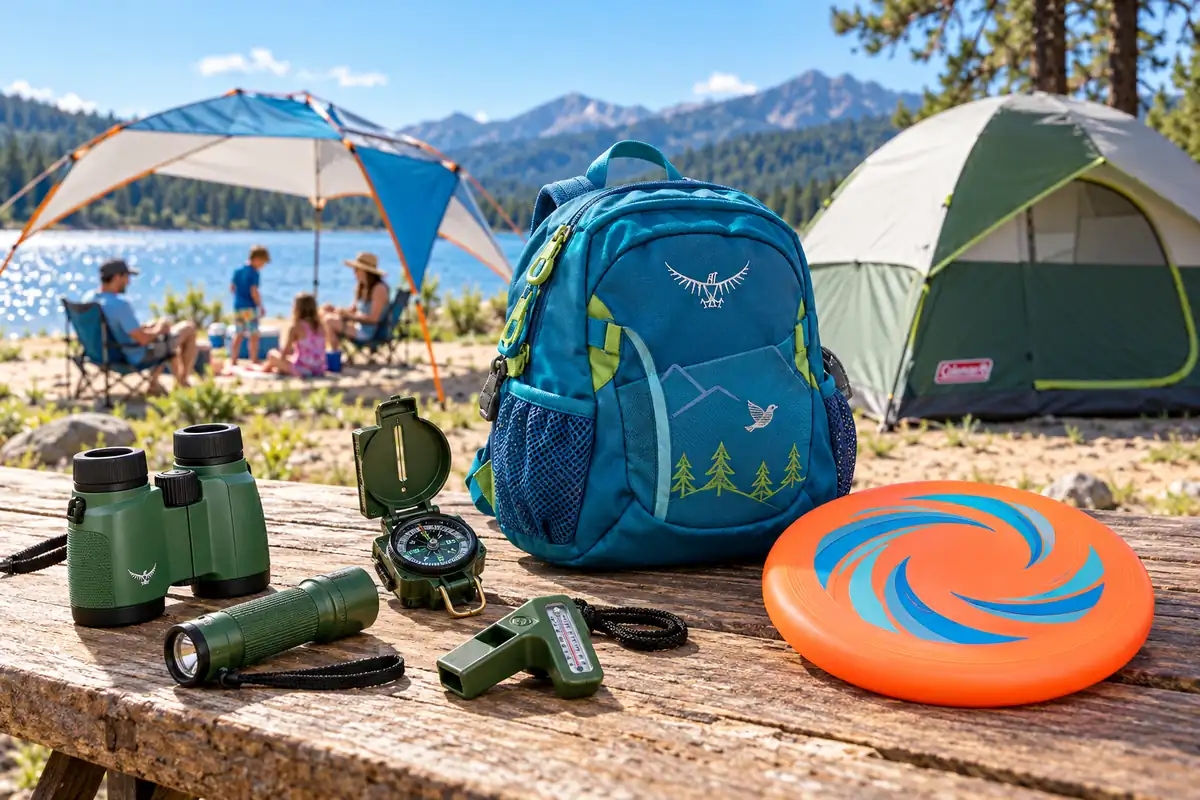
The Carson AdventurePak combines several basic exploration tools in one carrying case. The current HU-401 listing includes binoculars, a flashlight, a lensatic compass, and a signal whistle with a built-in thermometer.
The binoculars use 5× magnification with 30mm objective lenses. They are designed for simple observation rather than high-performance birdwatching.
The compass creates opportunities for introductory direction games, while the flashlight can be useful for supervised evening exploration.
However, these are recreational learning tools. The compass should not replace an adult's navigation system, and the whistle does not replace an emergency communication plan.
The product is better suited to children who can handle the included components safely. Check the selected retailer's age guidance before purchasing.
What to Pack:
- Binoculars or magnifying glass
- Notebook and colored pencils
- Age-appropriate nature identification guide
- Reusable water bottle and snacks
- Sun protection and suitable footwear
- Adult-carried first-aid essentials
Try This Activity: Create a nature scavenger hunt with five things to observe: a bird, a smooth stone, three different leaf shapes, an interesting cloud, and evidence of an animal's presence.
Ask children to draw or describe their discoveries rather than collecting living creatures or damaging plants. Follow local rules regarding wildlife and protected areas.
Pros
✅ Several exploration tools in one set.
✅ 5×30 binoculars for introductory observation.
✅ Encourages outdoor curiosity and learning.
✅ Useful for supervised nature activities.
Cons
❌ Basic optics compared with dedicated binoculars.
❌ Flashlight requires batteries.
❌ Does not replace essential outdoor safety equipment.
Who Should Skip It: Families who already own binoculars and other exploration supplies may only need a notebook and a simple nature activity plan.
Alternative: A structured backyard science activity kit or a homemade explorer bag using existing equipment.
2. Family Trail and Hiking Kit — Best for Active Adventures
Best For: Families planning short hikes, nature trails, and outdoor walks with children who can comfortably carry some of their own supplies.
A family hiking kit should prioritize safety and comfort before recreational equipment. Water, navigation, suitable clothing, snacks, and first aid matter more than collecting extra gadgets.
For a first outing, choose a well-marked trail that matches the youngest child's abilities. Check the route length, elevation, weather, and available facilities before leaving.
Featured Product: Osprey Daylite Jr.
The Osprey Daylite Jr. is a child-sized backpack designed for everyday adventures and light outdoor use.
The current manufacturer listing specifies a 9-liter capacity, adjustable sternum strap with a built-in whistle, dual bottle pockets, and an interior sleeve compatible with a hydration reservoir.
Its ventilated back panel and compact dimensions help make it suitable for smaller users. An internal name tag and carrying handle provide additional everyday convenience.
However, the pack does not include a hydration reservoir, water bottles, or a rain cover. Older versions may also have different capacity specifications, so verify the exact model.
Children can use their backpacks for lightweight items such as a jacket, snacks, and a small notebook. Adults should carry essential navigation, medical supplies, and other safety equipment.
What to Pack:
- Appropriately sized backpack
- Enough drinking water for the conditions
- Snacks and a little extra food
- Weather-appropriate layers and rain protection
- Map, navigation tools, and charged phone
- First-aid kit and emergency contact information
- Sun protection and suitable footwear
Try This Activity: Turn a short trail into a color scavenger hunt. Ask children to find examples of five natural colors or identify different sounds without leaving the marked route.
The National Park Service recommends carrying essential equipment that includes navigation, hydration, food, illumination, weather protection, and first aid. A short family hike should still reflect these priorities.
Pros
✅ Child-sized 9-liter backpack.
✅ Two exterior bottle pockets.
✅ Ventilated back panel and sternum strap.
✅ Built-in whistle and hydration-compatible sleeve.
Cons
❌ Limited space for bulky equipment.
❌ Hydration reservoir not included.
❌ No included rain cover.
Who Should Skip It: Very young children who cannot comfortably carry a backpack or families who already own a suitable child-sized pack.
Alternative: A well-fitting backpack already available at home. Adults can carry the supplies if the child is too young.
For longer outings, compare bottle capacity, weight, and carrying convenience in our reusable water bottles guide.
3. Beach and Lakeside Adventure Kit — Best for Summer Water Outings
Best For: Families planning beach days, supervised shoreline exploration, and relaxing afternoons near lakes or coastal areas.
A beach adventure kit should combine comfort, sun protection, hydration, and water safety.
Start with towels, hats, suitable sunscreen, drinking water, spare clothes, and a designated place to rest away from direct sunlight.
For younger children, simple sand toys and supervised observation activities may provide plenty of entertainment without complicated equipment.
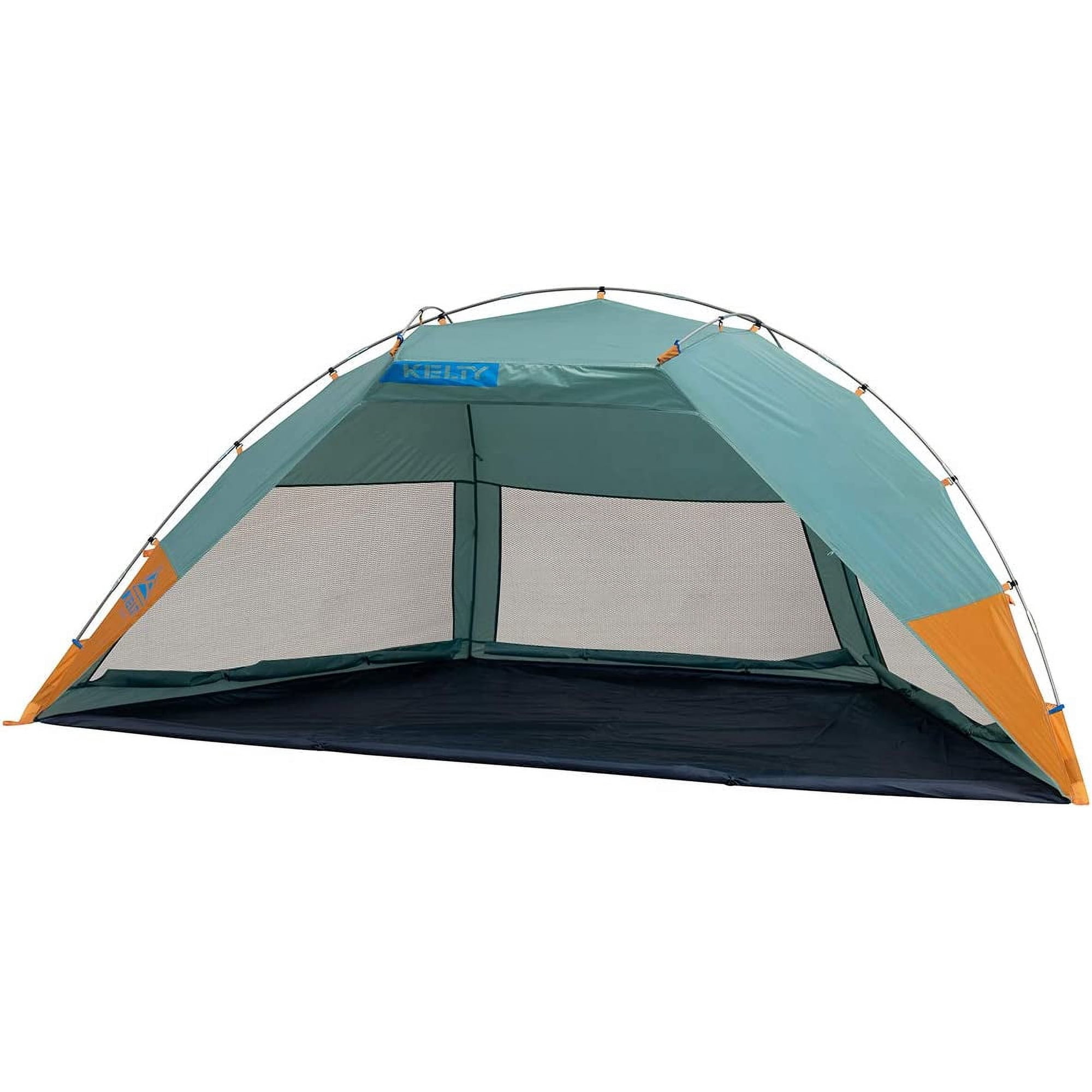
Featured Product: Kelty Cabana Shelter
The Kelty Cabana is a compact outdoor shelter designed for beach and recreational use.
Its manufacturer specifies a 45.5-square-foot floor area and a 53-inch peak height. The shelter uses fiberglass poles, polyester fabric, and a front panel that can close for privacy.
Its enclosed-style design creates a defined resting space for changing clothes, relaxing, or organizing beach supplies.
However, it is not a substitute for appropriate sun protection. Shade moves throughout the day, and sunlight reflected from sand and water can still reach exposed skin.
The Cabana also requires proper anchoring. Strong winds can make setup difficult, and the shelter should never be treated as safe protection from thunderstorms.
Independent beach-shelter testing by Travel + Leisure identified the Cabana as a family-friendly option while noting setup limitations in windy conditions.
What to Pack:
- Beach shelter or appropriate shade
- Broad-spectrum sunscreen suitable for each family member
- Wide-brimmed hats and protective clothing
- Water bottles and appropriate snacks
- Towels and dry changes of clothes
- Age-appropriate sand or shoreline toys
- Properly fitted life jackets where appropriate
Try This Activity: Create a shoreline observation game. Children can look for different shell shapes, interesting sand patterns, or signs of small marine animals without disturbing wildlife or entering unsafe water.
Always check local rules before collecting shells or other natural materials.
Pros
✅ 45.5-square-foot floor area.
✅ Closable front privacy panel.
✅ Provides a designated shaded rest space.
✅ Useful for beach and casual outdoor outings.
Cons
❌ Requires secure setup and anchoring.
❌ Wind can complicate pitching.
❌ Not suitable as storm or lightning protection.
Who Should Skip It: Families visiting beaches with reliable permanent shade or those who need a smaller shelter for a long walk from parking.
Alternative: Neso 1 beach canopy for a different lightweight shade format, depending on current retailer availability.
For outdoor sun protection, see our best sunscreens guide, which includes family-oriented options.
4. Beginner Family Camping Kit — Best for a First Overnight Adventure
Best For: Families introducing children to camping through a backyard sleepover or a short car-camping trip.
Camping can be one of the most memorable summer family activities, but preparation matters more than buying the most expensive tent.
For a first experience, consider spending a night in the backyard. Children can practice setting up sleeping bags, using flashlights, and becoming comfortable with nighttime outdoor sounds while remaining close to home.
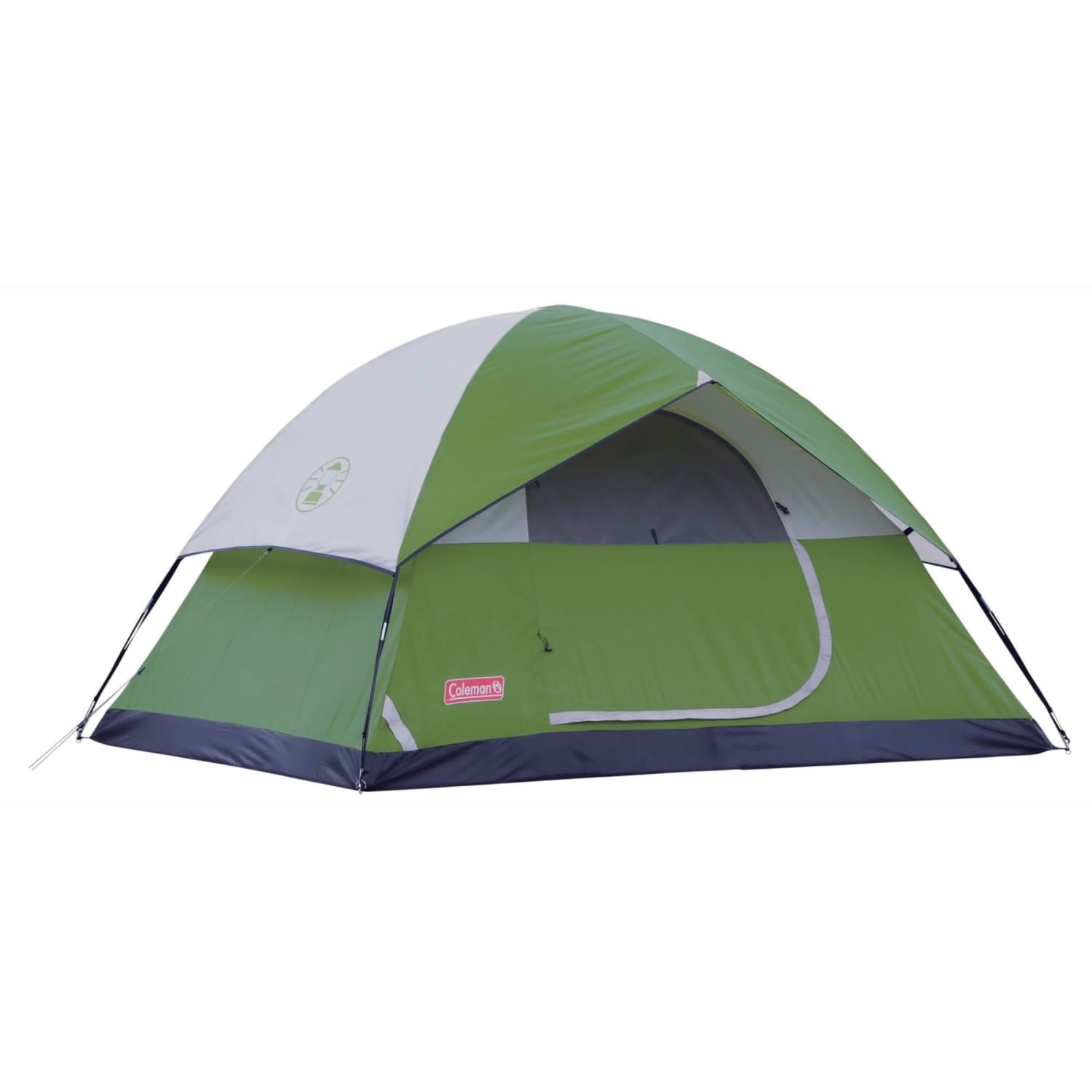
Featured Product: Coleman Sundome 4-Person Camping Tent
The Coleman Sundome 4-Person is an entry-level dome tent designed for straightforward warm-weather camping.
Its floor measures 9 by 7 feet. It includes a rainfly, windows, a ground vent, and an electrical access port.
Coleman advertises setup in approximately 10 minutes under suitable conditions. However, first-time users should practice before arriving at a campground.
The four-person capacity refers to sleeping space. It does not guarantee comfortable room for four people plus bulky bags, large mattresses, and equipment.
For families planning frequent or longer camping trips, a larger tent may provide significantly more usable space.
The Sundome is most appealing for occasional camping and simple overnight experiences. It is less suitable when families require standing room, extensive gear storage, or more demanding weather protection.
What to Pack:
- Tent, rainfly, stakes, and appropriate ground protection
- Sleeping bags and comfortable sleeping pads
- Flashlights or headlamps with working batteries
- Weather-appropriate clothing and spare socks
- Drinking water, meals, and safely stored food
- First-aid kit and personal medications
- Navigation and emergency communication supplies
Try This Activity: Organize a backyard stargazing evening. Ask children to identify a few visible constellations or observe the moon before settling into their sleeping bags.
Choose a clear, safe night and keep the activity age-appropriate. If thunderstorms are possible, postpone the campout or move indoors.
Pros
✅ Affordable entry-level camping concept.
✅ 9 × 7-foot floor.
✅ Included rainfly and ventilation features.
✅ Straightforward setup for occasional camping.
Cons
❌ Limited headroom.
❌ Four-person rating can feel cramped with equipment.
❌ Basic design compared with premium family tents.
Who Should Skip It: Larger families, frequent campers, and buyers who need generous standing room or separate gear-storage areas.
Alternative: Kelty Wireless 6 or The North Face Wawona 6 for more spacious family car camping.
For a more detailed tent comparison, explore our best family camping tents guide. Our camping tent comparison also includes the Sundome alongside several other shelter designs.
5. Park Games and Picnic Kit — Best Low-Cost Family Fun
Best For: Families who want inexpensive, spontaneous outdoor activities without carrying a large collection of toys.
Some of the most enjoyable summer adventures require very little equipment. A nearby park, a comfortable place to sit, and a simple game can provide an entire afternoon of entertainment.
For this kit, focus on portable equipment that is easy to use, share, and pack away.
Featured Product: Waboba Wingman Disc
The Waboba Wingman is a small flying disc made from flexible silicone.
Its approximately 6-inch diameter and foldable construction make it easy to fit inside a backpack or picnic bag.
The soft material is designed to make catching more comfortable than using a rigid plastic disc. Waboba also describes it as suitable for simple outdoor and indoor games.
However, the original Wingman is not a water toy. It does not float and should not be used for games in a lake or swimming pool.
It also requires a suitable open area. Avoid throwing near roads, crowded walkways, parked vehicles, or people who are not participating.
What to Pack:
- Soft flying disc or age-appropriate ball
- Reusable water bottles
- Snacks and suitable food storage
- Picnic blanket or ground mat
- Sun protection
- Optional game cards or a small notebook
Try This Activity: Set up a simple throwing challenge using safe targets marked on the ground. Children can practice accuracy, take turns, and create different games based on their abilities.
For a relaxed picnic, combine the game with a short outdoor meal. Our picnic backpacks guide compares equipped dining sets and lighter insulated backpacks.
Pros
✅ Compact, flexible silicone construction.
✅ Easy to fold and pack.
✅ Softer to catch than a rigid flying disc.
✅ Suitable for simple family games.
Cons
❌ Does not float.
❌ Requires sufficient open playing space.
❌ Less useful for children who prefer quieter activities.
Who Should Skip It: Families needing water-play equipment or those who already own suitable outdoor games.
Alternative: A soft ball, simple scavenger hunt, or existing outdoor game.
How to Build One Reusable Family Adventure Bag
You can simplify outdoor preparation by creating one reusable bag containing everyday essentials. Add activity-specific equipment only when needed.
This approach reduces forgotten items, duplicate purchases, and unnecessary carrying weight.
Start with these universal essentials:
- Drinking water appropriate for the family and activity
- Weather-appropriate clothing and spare layers
- Sun protection, including hats and sunscreen where appropriate
- Compact first-aid supplies and personal medications
- Snacks and basic hand-cleaning supplies
- Charged phone, emergency contacts, and navigation information
- Small bags for wet clothing and litter
Then choose one activity module.
Nature module: Binoculars, field guide, notebook, and pencils.
Hiking module: Map, additional water, trail snacks, and appropriate emergency supplies.
Beach module: Shade equipment, towels, dry clothes, and water-safety supplies.
Camping module: Tent, sleeping system, lighting, and overnight equipment.
Park module: Soft flying disc, picnic mat, and simple games.
For longer vacations, add travel documents, chargers, and destination-specific supplies. Our family vacation packing checklist provides a broader travel-planning framework.
Summer Adventure Ideas by Age
Toddlers and Preschoolers
Keep activities short, closely supervised, and focused on simple discovery.
Good options include identifying colors, watching birds from a safe distance, playing with sand under supervision, and exploring a familiar park.
Use equipment appropriate to the child's developmental abilities. Avoid small detachable parts, sharp tools, and complicated navigation equipment.
Young children may also need more frequent rest, shade, snacks, and changes of clothing.
Children Ages 5–8
Children in this age range may enjoy basic scavenger hunts, simple field observation, easy trails, and cooperative outdoor games.
Give them manageable responsibilities such as carrying a lightweight bottle, checking items off a packing list, or recording things they observe.
However, adults should remain responsible for navigation, route decisions, weather monitoring, and safety equipment.
Older Children and Preteens
Older children may enjoy longer walks, more detailed nature identification, beginner photography, map-reading practice, and planning parts of the family outing.
Encourage independence through supervised responsibilities. For example, they can help compare trail routes or prepare a packing checklist.
Choose activities that match their interests and abilities rather than assuming older children automatically want more difficult adventures.
How to Keep Summer Adventure Kits Affordable
The easiest way to save money is to avoid buying a separate equipment collection for every outing.
Start with what your family already owns. A school backpack may work for short walks, and a basic blanket may be sufficient for a dry park picnic.
Consider borrowing or renting larger camping equipment before purchasing. This is particularly useful if your family has never spent a full night outdoors.
Choose reusable supplies over disposable activity kits when possible. A notebook, field guide, water bottle, and simple game can support many different outings.
Also check local libraries, parks, and community organizations for outdoor activity programs or equipment-lending opportunities. Availability varies by location.
Finally, buy equipment only after identifying a genuine need. A compact daypack may be useful every week, while an expensive camping tent may see little use if your family prefers day trips.
Summer Outdoor Safety for Families
Outdoor adventures are most enjoyable when families understand the risks associated with heat, water, weather, and unfamiliar environments.
Sun, Heat and Hydration
Provide drinking water, regular shade breaks, and suitable clothing. The CDC recommends protecting children with shade, hats, sunglasses, and appropriate sunscreen.
For infants younger than six months, prioritize shade and protective clothing, and follow pediatric guidance concerning sun exposure and sunscreen.
Reduce strenuous activities during extreme heat. Young children may not recognize or communicate overheating symptoms as clearly as adults.
Watch for unusual fatigue, dizziness, nausea, confusion, or other signs of heat-related illness. Move affected children to a cooler location and seek appropriate medical care.
Water Supervision and Life Jackets
Water safety is essential around beaches, lakes, rivers, pools, and other swimming areas.
The CDC recommends close, constant adult supervision whenever children are in or near water. Swimming lessons do not eliminate the need for supervision.
Use properly fitted, U.S. Coast Guard-approved life jackets for activities where they are appropriate, especially around natural water.
Inflatable arm bands, floating toys, and similar recreational products are not substitutes for life jackets.
Water safety reminder: An adult should actively supervise children near water without distractions. A beach shelter, life jacket, or nearby lifeguard does not replace attentive supervision.
Hiking and Campsite Preparedness
Check the weather, trail conditions, and local regulations before leaving home. Tell someone where your family plans to go and when you expect to return.
Bring suitable navigation supplies and know how to use them. Downloaded maps can be useful, but they should not be your only preparation.
For camping, practice tent setup before the trip and choose campsites suited to your equipment and experience.
Remember that tents and open-sided shelters do not protect occupants from lightning. The National Weather Service recommends moving to a substantial building or appropriate enclosed vehicle when thunderstorms threaten.
Picnic Food Safety and Wildlife Protection
Keep perishable foods at or below 40°F using refrigeration or coolers with sufficient ice or frozen packs.
According to USDA guidance, perishable foods should not remain in unsafe temperatures for more than two hours. When outdoor temperatures exceed 90°F, the limit is one hour.
Separate raw foods from ready-to-eat items, wash hands before handling food, and avoid depending on untreated natural water for drinking.
Do not feed wildlife. Store food according to local park or campground instructions, and teach children to observe animals without approaching or touching them.
Quick Packing Checklist for Every Adventure
Use this checklist before your family leaves home.
Universal Essentials
- Drinking water and snacks
- Appropriate clothing and footwear
- Sun protection
- First-aid supplies and medications
- Navigation and emergency information
- Weather forecast and backup plan
- Hand-cleaning supplies and waste bags
Activity-Specific Additions
- Nature exploration: Binoculars, journal, pencils, and field guide.
- Hiking: Extra water, trail map, layers, and route-specific safety equipment.
- Beach: Shade, towels, dry clothes, and suitable water-safety equipment.
- Camping: Tent, sleeping gear, lighting, and overnight supplies.
- Park games: Flying disc or ball, picnic mat, and simple activity ideas.
Before departure, check that every family member has the supplies needed for the activity. Remove unnecessary items to keep bags comfortable and manageable.
Frequently Asked Questions
What should be in a summer adventure kit for kids?
Start with water, weather-appropriate clothing, sun protection, snacks, and activity supplies. For nature exploration, add binoculars and a notebook. For hiking, include navigation and first-aid equipment managed by an adult. The contents should match the destination, weather, and child's age.
Are ready-made adventure kits worth buying?
Ready-made kits can be useful when they combine equipment your family will actually use. The Carson AdventurePak, for example, includes introductory observation tools. However, homemade kits using existing equipment may cost less and provide greater flexibility.
What is the best summer adventure kit for younger children?
A simple nature observation or park-play kit is a practical starting point. Include age-appropriate activities such as identifying colors, watching birds, drawing leaves, or playing with a soft ball. Avoid equipment with unsuitable small parts or complicated tools, and supervise activities closely.
What should families pack for a short summer hike?
Bring water, snacks, suitable footwear, sun protection, weather layers, navigation supplies, first aid, and a charged communication device. The National Park Service recommends adapting its Ten Essentials to the specific trail, conditions, and activity. Adults should manage essential safety equipment.
What should a family bring for a beach adventure?
Pack suitable shade, towels, drinking water, sun-protective clothing, sunscreen where appropriate, snacks, and dry clothes. Add properly fitted life jackets for activities where needed. Children must remain under close, constant adult supervision around water.
How can you build an inexpensive outdoor activity kit?
Reuse backpacks, bottles, blankets, and games you already own. Add inexpensive notebooks, scavenger hunt lists, or basic observation tools. Borrow larger equipment for occasional camping trips, and purchase specialized products only when they solve a recurring need.
How do you keep children safe during summer outdoor activities?
Plan activities around weather and ability, provide water and sun protection, carry suitable emergency supplies, and maintain appropriate adult supervision. Near water, follow CDC guidance on constant supervision and properly fitted life jackets. During thunderstorms, move into a safe building or enclosed vehicle.
Final Verdict: Which Summer Adventure Kit Should You Build?
The best summer adventure kit is the one your family will use regularly. You don't need a large collection of equipment to create memorable outdoor experiences.
Choose the Nature Explorer Kit if your children enjoy observing wildlife and discovering new things. The Carson AdventurePak provides an accessible starting point for introductory exploration.
For active families, the Trail Kit is more practical. A comfortable daypack such as the Osprey Daylite Jr. can help children carry a modest amount of equipment while adults manage the essential supplies.
For hot-weather outings, prioritize shade, hydration, and water safety. The Kelty Cabana offers a designated rest area for beach days.
For first-time overnight adventures, the Coleman Sundome provides an accessible camping introduction. Meanwhile, the Waboba Wingman keeps casual park activities simple and affordable.
Whenever possible, reuse your existing equipment and add only what the next adventure requires.
Bottom line: Build one dependable family adventure bag and add small activity-specific kits. Choose nature exploration for learning, hiking for active outings, beach gear for sunny days, camping equipment for overnight experiences, and simple park games for spontaneous fun. Prioritize safety, comfort, and shared experiences over unnecessary purchases.
Sources
- National Park Service — Ten Essentials — Outdoor Preparedness Guidance
- B&H Photo Video — Carson AdventurePak HU-401 — Authorized Retailer Product Specifications
- Kelty — Cabana Shelter — Official Product Specifications
- Centers for Disease Control and Prevention — Summer Swim Safety
- Centers for Disease Control and Prevention — Outdoor Play and Safety for Children
Product Groups: Carson AdventurePak HU-401, Osprey Daylite Jr Kids Backpack, Kelty Cabana Beach Shelter, Coleman Sundome 4 Person Camping Tent, Waboba Wingman Silicone Flying Disc