A good spring break packing list for families starts with the items that are difficult to replace: travel documents, regular medications, chargers, weather protection, water, and a complete change of clothes for younger kids.
After that, pack for the trip you are actually taking. A beach vacation needs swimwear, sun protection, and somewhere to separate wet clothes. A city break needs comfortable shoes and a light day bag. Flying adds TSA rules, while road trips make snacks, car organization, and easy-access layers more important.
The goal is not to bring everything your family might possibly use. Pack a dependable core first, then add a small destination-specific module. That keeps luggage manageable while covering the problems that can disrupt a family trip.
Quick Answer: What Should Families Pack for Spring Break?
Pack first: IDs or passports, reservations, regular medications, payment methods, emergency contacts, and anything your family would struggle to replace at the destination.
Best organization tool: Packing cubes keep children’s clothing, underwear, swimwear, and sleepwear separated without adding much complexity.
Outdoor essentials: Bring water, weather-appropriate layers, sunscreen when relevant, hats, sunglasses, and destination-specific insect protection if needed.
Travel tech: Pack the phones you rely on for maps and tickets, charging cables, a wall charger, and a power bank in your carry-on when flying.
Kid backup: Keep at least one accessible spare outfit for younger children and a wet/dry bag for spills, swimsuits, or dirty clothing.
The Core Spring Break Packing List for Families
Start with the same basic categories regardless of whether you are heading to a beach, theme park, city, resort, or relative’s home.
Travel Documents and Money
- Driver’s licenses or other required IDs
- Passports and required travel documents for international trips
- Boarding passes or tickets
- Hotel, rental-car, and activity reservations
- Travel-insurance information where applicable
- Payment cards plus a backup payment method
- Emergency contact information
- Copies or secure digital access to important documents
Save key reservations somewhere you can access offline. A phone with no signal should not prevent you from finding your hotel address or confirmation number.
Medications and Health Basics
- Regular prescription medications
- Necessary medical devices
- Basic first-aid supplies
- Hand sanitizer or wipes
- Any destination-specific health items
- Health-insurance information
Do not depend on a generic first-aid kit to contain every medicine your family needs. Pack regular medications separately and follow the instructions provided for the individual medication and traveler.
Clothing
- Everyday outfits
- Underwear and socks
- Sleepwear
- Comfortable walking shoes
- One lightweight warm layer
- A rain layer when the forecast justifies it
- Swimwear for beach, pool, or resort trips
- One easily accessible spare outfit for younger children
Spring weather can change quickly. Layers usually work better than packing several heavy outfits for every possible temperature.
Travel Tech
- Phones
- Charging cables
- Wall charger
- Power bank
- Headphones
- Camera equipment if genuinely needed
- Downloaded movies, books, games, or music
Download entertainment and important travel information before leaving home. Airport Wi-Fi and mobile coverage are not always dependable when you need them most.
6 Useful Spring Break Essentials
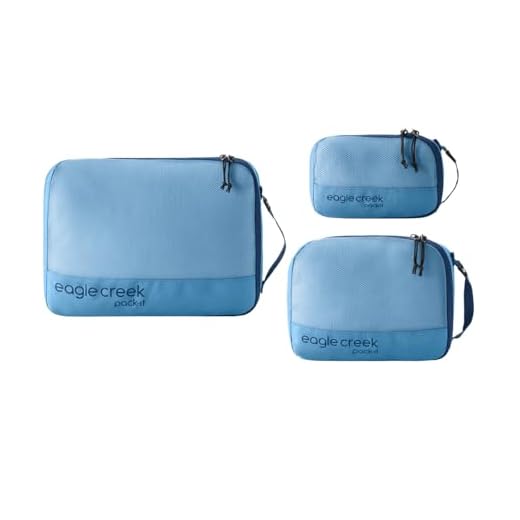
1. Eagle Creek Pack-It Reveal Cube Set — Best for Family Organization
Best for: Separating clothing by person, category, or day.
The Eagle Creek Pack-It Reveal Cube Set is a simple way to stop one suitcase from turning into a pile of mixed children’s clothes.
The current set includes three sizes: an X-Small 1-liter cube, Small 3-liter cube, and Medium 7-liter cube. Mesh panels make the contents easier to identify without opening every bag.
One approach is to give each child a cube. Another is to separate underwear and socks, swimwear, and sleepwear.
Pros
✅ Three useful sizes
✅ Mesh makes contents easy to identify
✅ Useful for separating children’s clothing
✅ Easy to move between suitcase and hotel drawers
Cons
❌ Adds cost compared with simple reusable pouches
❌ Does not reduce how much clothing you actually bring
Skip it if: Each family member already packs in a separate small suitcase or organized bag.
2. Thinkbaby Mineral Sunscreen SPF 50 — Family Sun-Protection Pick
Best for: Outdoor, beach, pool, and sightseeing days where sunscreen is appropriate.
Thinkbaby’s mineral SPF 50 is a useful travel-size family option, especially when you want a water-resistant sunscreen for active outdoor days.
However, sunscreen is only part of sun protection. Shade, hats, sunglasses, and protective clothing can reduce exposure as well.
For infants: Very young babies need extra protection from direct sun. Follow pediatric guidance for your child’s age and prioritize shade and protective clothing rather than treating sunscreen as the only solution.
If your family already has a sunscreen that works well for everyone’s skin, there is no reason to switch simply for the trip.
For more formula choices, see our guide to the best sunscreens.

3. Owala FreeSip 24 oz — Best Everyday Water Bottle
Best for: Airports, road trips, theme parks, walks, and beach days.
The Owala FreeSip 24 oz combines an insulated stainless-steel body with a locking lid and two drinking methods: a built-in straw or a larger opening for drinking normally.
The 24-ounce size is large enough for everyday use without becoming as cumbersome as some oversized bottles.
For flights, take the bottle through security empty and refill it afterward where facilities allow.
Owala is also our overall pick in the dedicated guide to the best reusable water bottles.

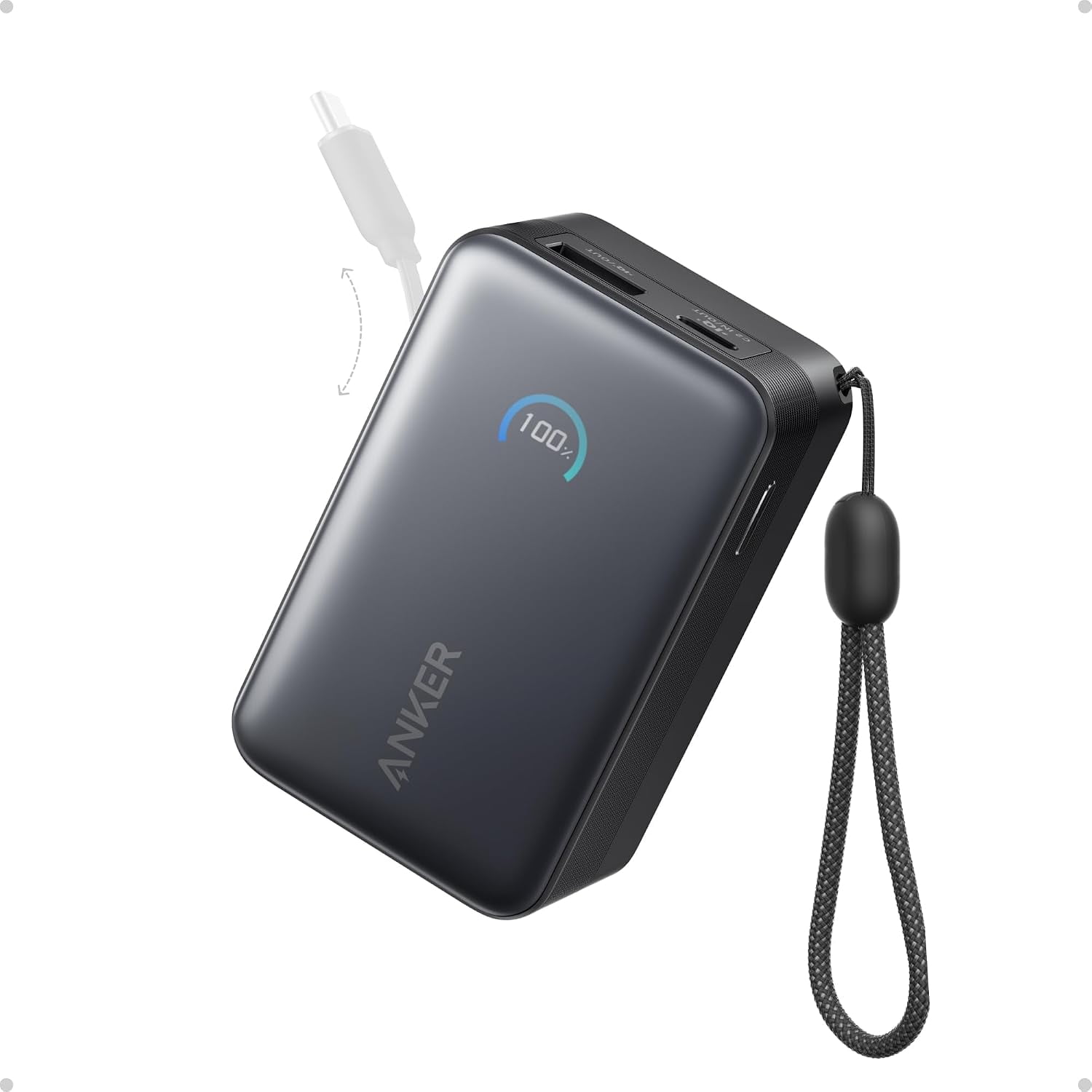
4. Anker Nano Power Bank 10K 45W — Best Travel Tech Essential
Best for: Phones used for maps, tickets, photos, ride apps, messaging, and entertainment.
A dead phone can create more trouble on a family trip than forgetting another T-shirt.
The Anker Nano A1638 has a 10,000mAh stated capacity, up to 45W USB-C output, and a built-in retractable USB-C cable. That reduces the number of loose cables needed in a day bag.
It also includes separate USB-C and USB-A connections for other devices.
Flying with a power bank: Spare lithium batteries and power banks must remain in carry-on baggage. If your carry-on is checked at the gate, remove the power bank and keep it with you in the cabin.
See our guide to the best power banks for smartphones if you need a larger or lighter alternative.
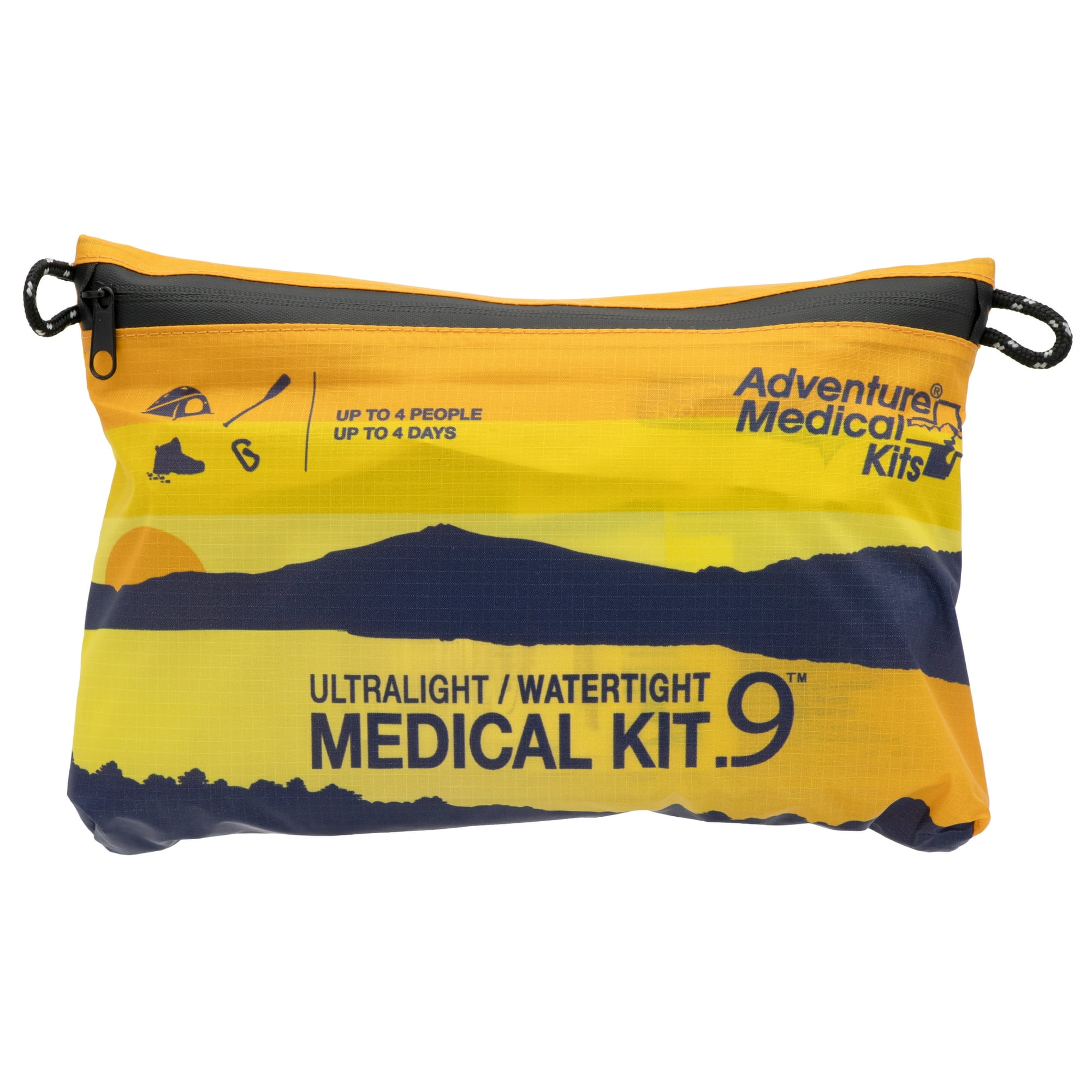
5. Adventure Medical Kits Ultralight/Watertight .9 — Best Compact First-Aid Kit
Best for: Families that want an organized set of basic first-aid supplies without carrying a large medical bag.
The Ultralight/Watertight .9 is a compact kit with two layers of water protection and supplies intended for common outdoor injuries such as minor wounds, sprains, and similar first-aid situations.
A preassembled kit is useful because the supplies stay together instead of being scattered across several bags.
Still, it should be treated as a starting point.
Add any personal prescriptions, medically necessary items, and age-appropriate supplies your family actually uses. Do not assume every medication or treatment inside a commercial first-aid kit is suitable for every child.
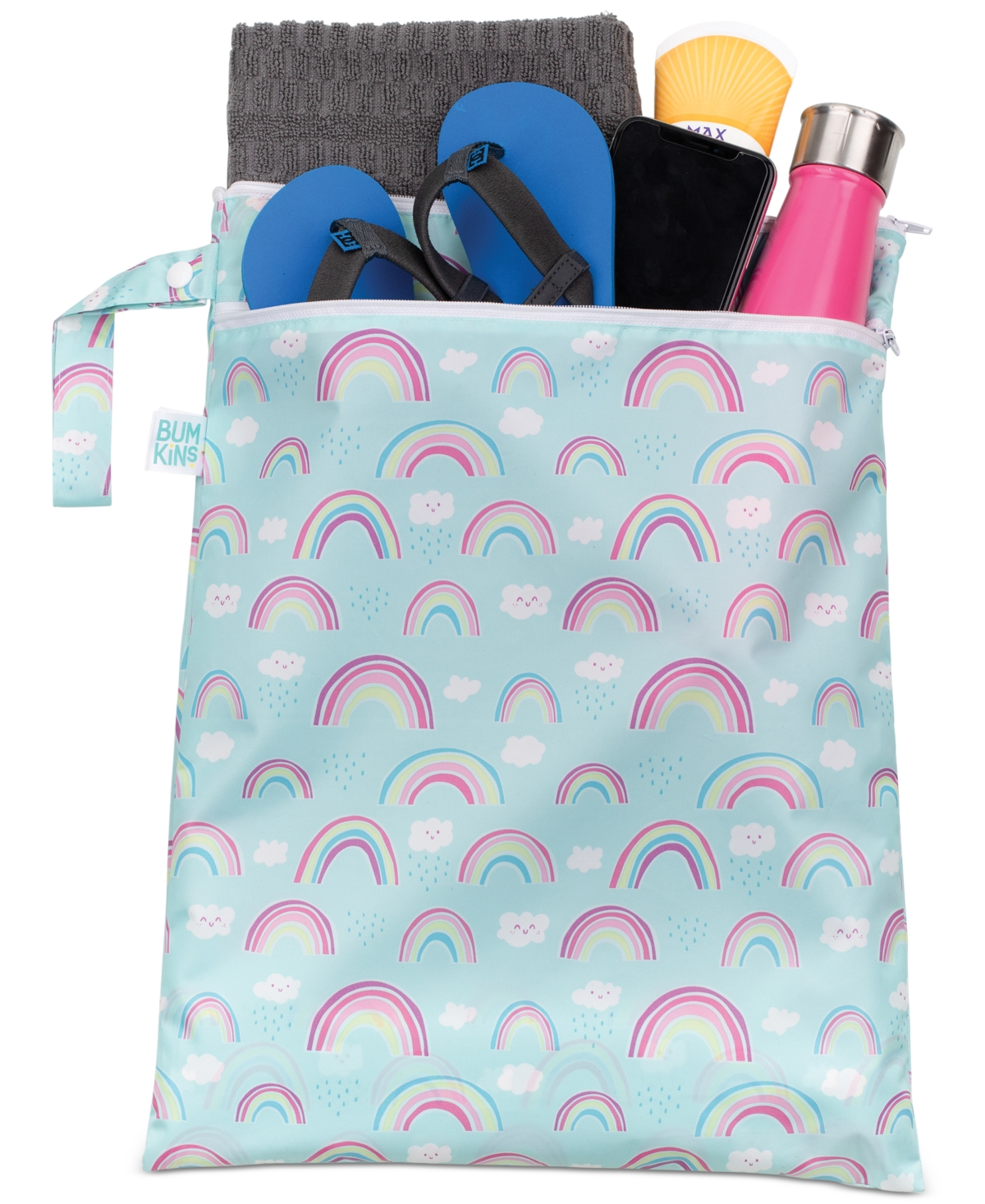
6. Bumkins Wet/Dry Bag — Best for Wet and Messy Clothing
Best for: Wet swimsuits, beach clothes, spills, dirty kid outfits, and diapering supplies.
A reusable wet/dry bag is one of the simplest family travel upgrades.
Bumkins uses two zippered compartments to separate wet and dry items. The current design also uses waterproof fabric, heat-sealed seams, and a snap handle that can attach to luggage or a stroller.
This is especially useful on checkout day when swimsuits are still damp but the rest of the suitcase is already packed.
Pros
✅ Separate wet and dry compartments
✅ Waterproof construction
✅ Machine washable
✅ Useful beyond beach trips
Cons
❌ Not insulated
❌ A simple reusable waterproof pouch may be enough for occasional travel
Beach and Pool Spring Break Packing List
A beach trip adds several items that a city or family-visit vacation may not need.
Pack:
- Swimsuits
- Rash guards or swim shirts if your family uses them
- Sun hats
- Sunglasses
- Broad-spectrum sunscreen appropriate for each traveler
- Water bottles
- Sandals or water-friendly shoes
- Wet/dry bag
- Optional quick-dry towels if the accommodation does not supply them
- Portable shade where practical and appropriate
Check what the hotel or rental already provides before packing bulky beach towels, chairs, coolers, or toys.
If the destination rents beach equipment cheaply, paying a small rental fee can be easier than checking oversized luggage.
What to Pack When Flying With Kids
Your carry-on should contain the things your family needs if checked luggage is delayed.
Keep in the Carry-On
- Travel documents
- Regular medications
- One spare outfit for younger children
- Essential toiletries within current security rules
- Snacks
- Empty refillable water bottle
- Charging cables
- Power bank
- Headphones
- Downloaded entertainment
- Essential child-feeding supplies
Remember the TSA Liquids Rule
For ordinary carry-on liquids, gels, creams, aerosols, and pastes, TSA’s standard 3-1-1 rule generally limits containers to 3.4 ounces or 100 milliliters, with the containers fitting into one quart-sized clear bag per traveler.
Medically necessary liquids can follow separate procedures.
Formula, breast milk, toddler drinks, and baby or toddler foods can also qualify for special screening rules and may exceed the normal 3.4-ounce limit.
Check TSA guidance again shortly before departure because security procedures can change.
Flying With a Young Child Restraint
The FAA strongly encourages approved child restraint systems for young children rather than relying on lap travel.
If you plan to use a car seat on the aircraft, confirm that it is approved for aircraft use and that it fits the airline’s requirements.
The CARES restraint is another FAA-approved option for children within the manufacturer’s specified height and weight range. It is for aircraft use, not a replacement for a car seat in a vehicle.
Road Trip Packing List for Families
Road trips allow more luggage, but that can quickly become an excuse to overpack.
Keep Within Easy Reach
- Water
- Simple snacks
- Trash bags
- Wet/dry bag
- Tissues and wipes
- First-aid kit
- Charging cables
- Power bank
- Light blankets or layers
- Kid entertainment
Do not bury everything useful underneath suitcases in the trunk.
A small accessible road-trip bag is much easier than unpacking the car every time somebody spills a drink or needs another layer.
Theme Park and City Spring Break Essentials
A city or theme-park day often involves more walking than families expect.
Bring:
- Comfortable shoes
- Small day bag
- Water bottle
- Sunscreen when needed
- Light rain layer or compact umbrella where permitted
- Portable charger
- Simple snacks where allowed
- One lightweight clothing layer
For younger children, agree on a simple family plan in case somebody becomes separated. Make sure children who can communicate know the parent’s name and phone number or have that information securely available.
International Spring Break Packing
International travel needs more planning than a domestic resort trip.
Check passport validity, entry requirements, destination health information, and any required vaccines or medications early.
CDC recommends checking destination-specific health guidance before international travel. When travel vaccines or preventive medicines may be needed, planning several weeks ahead gives families more time to prepare.
Consider Packing:
- Passports and required visas
- Copies of important documents
- Travel-insurance information
- Regular medications in appropriate packaging
- Destination-specific health supplies
- Suitable insect protection when relevant
- Plug adapters where required
- Offline maps and key addresses
The right health kit depends on destination, duration, planned activities, and access to medical care. There is no single universal international travel kit for every family.
What to Pack for Changing Spring Weather
Spring break does not always mean hot weather.
A destination may be warm in the afternoon but cool in the morning or after sunset.
A Simple Layer System
- Light base shirt
- Sweatshirt, fleece, cardigan, or light jacket
- Compact rain shell where appropriate
- Comfortable pants or shorts based on forecast
Check the weather shortly before departure rather than packing based only on what the destination is usually like.
How Many Outfits Should Kids Pack?
There is no perfect number because trip length, laundry access, age, and activities all matter.
For older children who rarely need a clothing change, one main outfit per day plus a small buffer may be enough.
Younger children are more likely to need replacements after spills, swimming, or accidents.
Instead of doubling the entire wardrobe, pack a few strategic backups and plan laundry for longer trips.
How to Avoid Overpacking
Pack by Activity, Not by Possibility
If the itinerary contains one nicer dinner, you probably need one dressier outfit, not four.
If the hotel has a pool, pack swimwear. If it does not, leave the pool bag at home.
Check What the Destination Provides
Hotels and rentals may already provide:
- Hair dryers
- Towels
- Shampoo and soap
- Cribs or travel beds
- Beach towels
- Laundry facilities
- Pool equipment
Confirm before packing, because amenities vary.
Limit Duplicate Tech
A family does not always need a separate wall charger for every phone and tablet.
A suitable multi-port charger can reduce cable clutter, provided its output meets the devices’ charging needs.
What Not to Pack
Leave unnecessary weight at home.
- Too many “just in case” outfits
- Large toiletries when smaller quantities will last the trip
- Duplicate electronics
- Bulky beach equipment available at the destination
- Large collections of toys
- Unnecessary valuables
- Heavy footwear that does not match the itinerary
When flying, do not put power banks or loose spare lithium batteries in checked luggage.
Night-Before Spring Break Checklist
- Charge phones, tablets, headphones, and power banks.
- Download boarding passes, maps, and entertainment.
- Check weather at the destination.
- Confirm flight, hotel, rental-car, and activity times.
- Put IDs or passports in the correct bag.
- Confirm regular medications are packed.
- Empty reusable water bottles before airport security.
- Check airline baggage limits.
- Review current TSA rules if flying.
- Make sure power banks are in carry-on baggage.
- Place one spare kid outfit somewhere easy to reach.
- Leave enough room for wet or dirty clothes on the return trip.
Frequently Asked Questions
What should a family pack for spring break?
Start with IDs or passports, medications, payment methods, chargers, comfortable clothing, weather layers, water, basic first aid, and one accessible spare outfit for younger children. Then add beach, flight, road-trip, or city-specific gear.
How many outfits should kids bring?
It depends on age, trip length, activities, and laundry access. One main outfit per day plus a small backup supply is often more practical than packing an entire second wardrobe.
What should go in a family carry-on?
Keep travel documents, regular medications, essential child-feeding items, a spare kid outfit, chargers, power bank, headphones, snacks, valuables, and anything you would need if checked luggage were delayed.
Can sunscreen go through TSA security?
Yes. Standard sunscreen in carry-on luggage generally follows the TSA liquids rule, so normal liquid or cream containers should be 3.4 ounces or less unless another applicable exception applies. Larger containers can usually travel in checked baggage.
Can a power bank go in checked luggage?
No. FAA guidance requires power banks and other spare lithium batteries to remain in carry-on baggage. Larger-capacity batteries can have additional airline restrictions.
What should we pack for a beach spring break?
Add swimsuits, hats, sunglasses, sunscreen appropriate for each traveler, water bottles, sandals or water shoes, a wet/dry bag, and any shade or towel items not supplied by the destination.
What should I pack for changing spring weather?
Use light layers instead of several bulky outfits. A base shirt, lightweight warm layer, and compact rain protection cover many spring conditions without taking over the suitcase.
Do children need a car seat on an airplane?
U.S. rules do not require every child to use a child restraint on a commercial flight, but the FAA strongly recommends an approved child restraint system or approved device for young children. Check the exact seat, child-size limits, and airline rules before travel.
Final Spring Break Packing Checklist
The most useful spring break packing list for families is not the longest one. It is the list that covers difficult-to-replace essentials first and adapts to the actual destination.
Start with documents, medications, payment methods, chargers, and clothing. Add weather protection, water, and first-aid basics. Then choose only the gear that matches the trip.
Beach families may need swimsuits, sun protection, and a wet bag. Flying families need a carefully packed carry-on and current TSA awareness. Road trips benefit from easy-access snacks, wipes, chargers, and spare clothing.
Finally, leave some empty space. A less crowded suitcase is easier to organize, easier to move, and much easier to repack when half the family’s clothing is no longer clean and neatly folded.
Bottom line: Pack the essentials your family cannot easily replace, then add one destination-specific layer. Packing cubes, water, sun protection, a power bank, basic first aid, and a wet/dry bag solve common travel problems without turning spring break into a gear-shopping exercise.
Sources
- CDC — Spring Break Travel
- CDC Yellow Book — Traveling Safely With Infants and Children
- TSA — Travel Tips and current 3-1-1 liquid guidance
- FAA — Airline Passengers and Batteries
- FAA — Flying With Children and Child Restraint Guidance
How we research: Discompare reviews current government travel guidance, manufacturer specifications, practical family travel needs, and existing Discompare buying guides. We do not provide individualized medical advice. Airline, TSA, battery, destination-entry, and health requirements can change, so families should recheck official guidance before travel. Product prices and availability can also change. Discompare may earn a commission from eligible retailer or price-comparison links.
Product Groups: Eagle Creek Pack-It Reveal Cube Set, Thinkbaby Mineral Sunscreen SPF 50 3 oz, Owala FreeSip 24 oz Stainless Steel, Anker Nano Power Bank 10K 45W A1638, Adventure Medical Kits Ultralight Watertight .9, Bumkins Wet Dry Bag