Samsung QLED vs LG OLED TVs
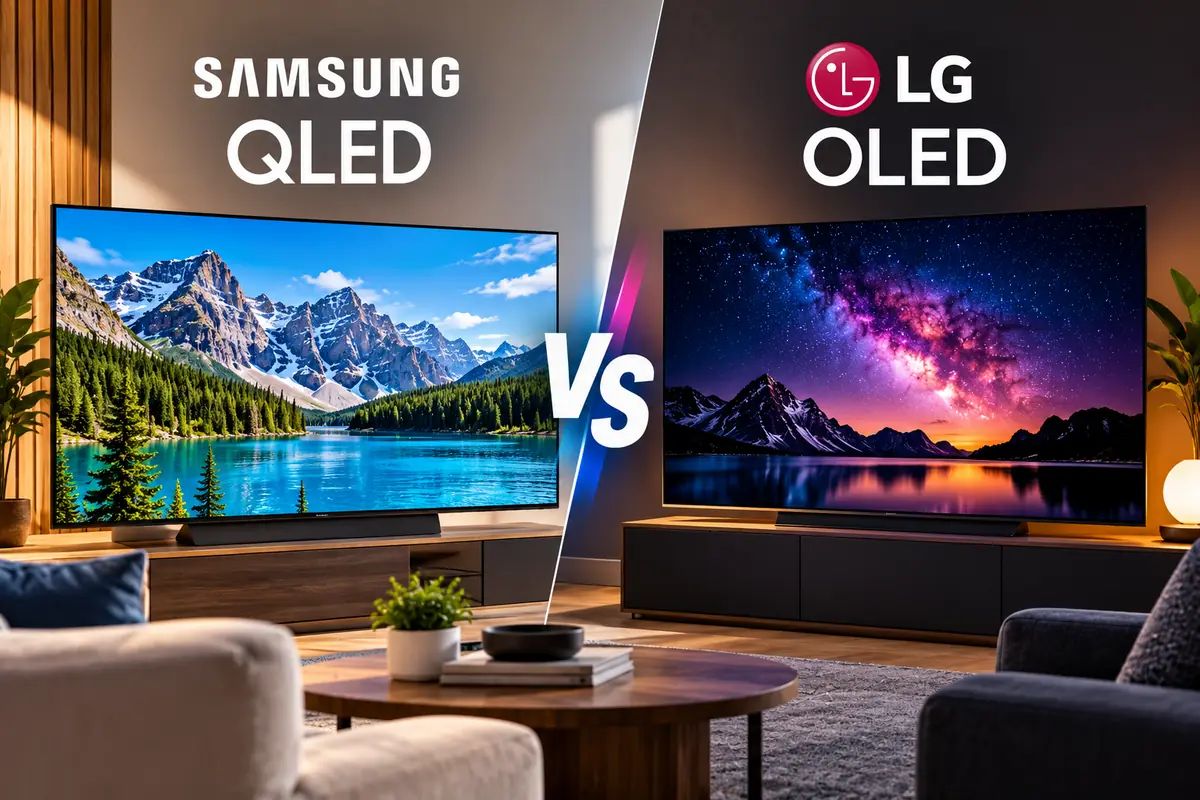
Samsung QLED vs LG OLED TVs: which is better? LG OLED is our overall winner for picture quality, movies, and gaming. Its self-emissive pixels produce perfect blacks, excellent contrast, and wide viewing angles. However, Samsung QLED remains a strong alternative for buyers who want an LCD-based television, lower pricing, and less concern about OLED burn-in.
The difference becomes clearer when comparing current models. The LG C6 OLED evo delivers exceptional dark-room performance, clear motion, and gaming support up to 4K at 165Hz. Meanwhile, the Samsung QN80H Neo QLED combines full-array Mini LED backlighting, quantum-dot color, and gaming support up to 4K at 144Hz.
Neither television is perfect. The LG C6 carries a higher launch price and requires sensible precautions against permanent image retention. The Samsung QN80H avoids OLED-specific burn-in but has narrower viewing angles, some backlight blooming, and less effective reflection handling than its brightness might suggest.
We’ll compare these two 65-inch TVs across picture quality, brightness, gaming, HDR formats, sports, software, and long-term ownership. We’ll also examine the more affordable Samsung QN70H and LG B6 to help you choose the right technology for your budget.
If you’re still exploring screen sizes and brands, you can compare television prices across a wider selection before deciding.
Quick Verdict: Samsung QLED vs LG OLED
Best Overall Picture Quality: LG C6 OLED — perfect blacks, precise pixel-level contrast, wide viewing angles, and no backlight blooming.
Best Lower-Cost Mini LED: Samsung QN80H — strong brightness, full-array local dimming, and advanced gaming features at a lower regular reference price.
Best for Movies: LG C6 OLED — outstanding dark-room contrast, excellent HDR detail, and Dolby Vision support.
Best for Gaming: LG C6 OLED — nearly instantaneous pixel response, four HDMI 2.1 ports, VRR, and up to 165Hz PC gaming.
Best Affordable OLED Alternative: LG B6 — OLED black levels and modern gaming support at a lower regular price than the C6.
How We Compared Samsung QLED and LG OLED TVs
We compared current U.S. television models using manufacturer specifications and independent picture-quality testing. Our main reference models are the 65-inch Samsung QN80H Neo QLED and LG C6 OLED.
We evaluated contrast, HDR brightness, reflections, color reproduction, viewing angles, motion clarity, gaming features, software, and long-term display concerns.
We also reviewed the Samsung QN70H and LG B6 to show how performance changes at lower price tiers. This matters because not every QLED uses the same backlighting technology, and not every OLED delivers identical brightness.
Our independent performance evidence comes primarily from RTINGS, including its 2026 television reviews and accelerated longevity research.
Testing transparency: Discompare did not conduct original laboratory measurements or hands-on television testing for this article. Our conclusions combine verified specifications with published independent findings. Prices and retailer availability may change after publication.
Samsung QLED vs LG OLED: Specifications Compared
The Samsung QN80H and LG C6 both support 4K resolution and advanced gaming features, but their display technologies deliver different results.
| Feature | Samsung QN80H 65-Inch | LG C6 65-Inch |
|---|---|---|
| Display technology | Neo QLED / Mini LED LCD | OLED evo |
| Resolution | 3840 × 2160 | 3840 × 2160 |
| Light control | Full-array Mini LED local dimming | Self-emissive pixels |
| Maximum 4K gaming refresh | 144Hz | 165Hz |
| HDMI 2.1 inputs | 4 | 4 |
| Variable refresh rate | Yes | Yes |
| HDR formats | HDR10, HDR10+, HLG | HDR10, Dolby Vision, HLG |
| Smart TV platform | Samsung Tizen | LG webOS 26 |
| OLED-specific burn-in risk | No | Yes |
| 65-inch launch MSRP | $1,599.99 | $2,699.99 |
The launch MSRPs reflect the original 2026 pricing announcements, not current sale prices. Retailer discounts may reduce or even substantially change the price difference.
Important: A 165Hz refresh rate does not automatically make the LG C6 better for every gaming situation. Pixel response, input lag, VRR behavior, and motion artifacts also influence the experience.
What Is the Difference Between QLED and OLED?
The fundamental difference is how each television produces light.
Samsung QLED TVs use LCD panels with LED-based backlighting and quantum-dot technology. Quantum dots help produce a broad range of colors, while the LCD layer regulates the light reaching the viewer.
More advanced Samsung Neo QLED models use Mini LED technology. Smaller LEDs allow manufacturers to create more controlled backlighting zones, improving contrast compared with simpler backlight designs.
However, local dimming cannot control every LCD pixel independently. Bright objects can sometimes create a visible glow against dark backgrounds. This effect is called blooming.
LG OLED TVs work differently. Each pixel generates its own light and can switch off independently. This allows OLED televisions to display genuinely black areas without needing to dim a separate backlight.
That pixel-level control creates exceptionally high contrast and prevents the backlight blooming associated with LCD televisions.
OLED also delivers very fast pixel transitions, which help maintain clarity during fast-moving action. However, its organic light-emitting materials can experience permanent image retention under certain long-term usage patterns.
Key distinction: QLED describes quantum-dot-enhanced LCD technology, while OLED describes self-emissive pixels. Mini LED improves LCD backlighting, but it does not turn an LCD television into an OLED.
Samsung also manufactures OLED televisions, so this comparison concerns its QLED and Neo QLED families rather than every Samsung TV. Our guide to the best Samsung TVs covers its OLED and Mini LED models separately.
Samsung QN80H vs LG C6: Head-to-Head
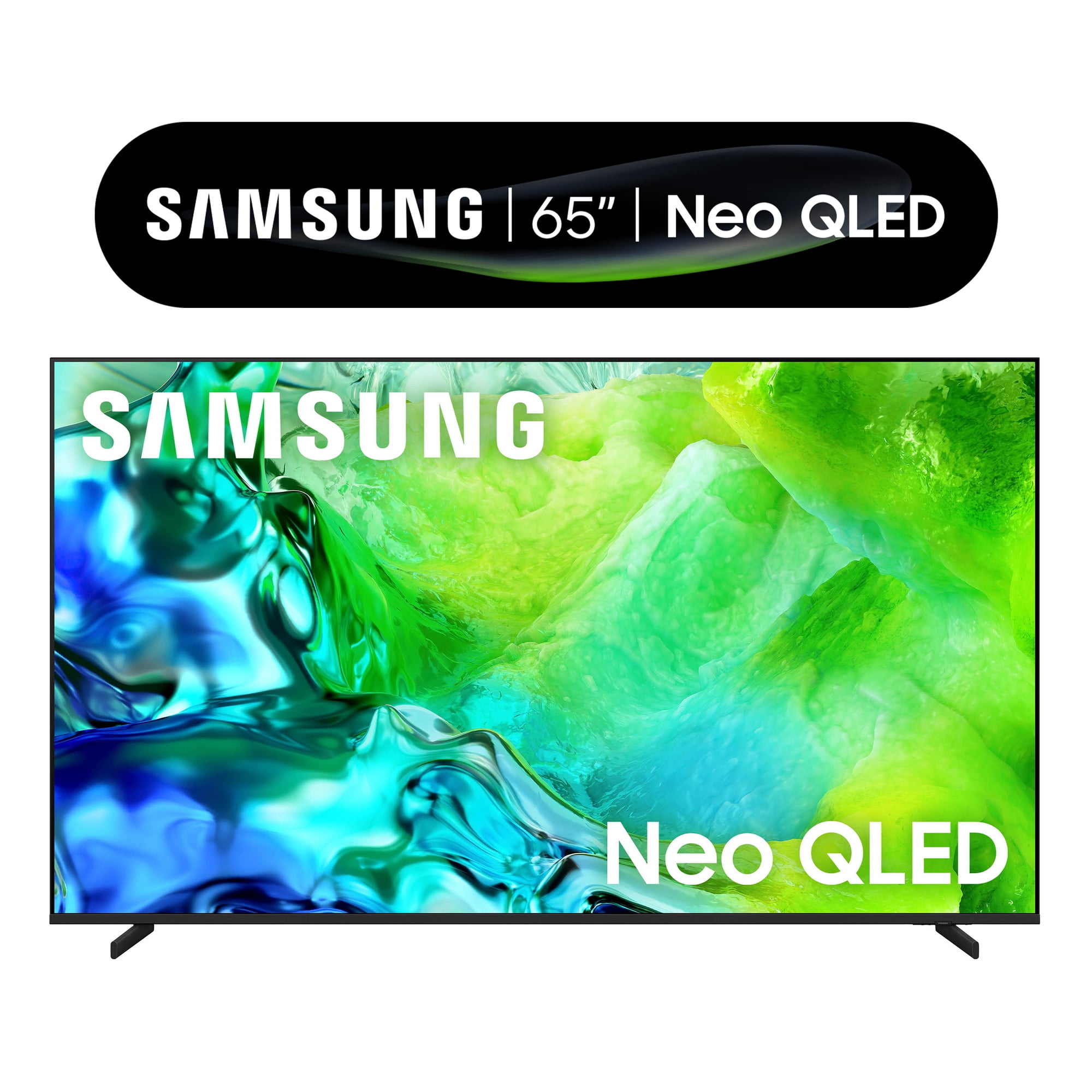
Samsung QN80H Neo QLED — Best Lower-Cost Mini LED
Best For: Buyers who want a capable 65-inch LCD television for gaming, streaming, and everyday use without paying the original premium associated with LG’s C6 OLED.
The Samsung QN80H is our preferred QLED example because it combines full-array Mini LED backlighting with modern gaming connectivity.
Samsung uses Quantum Mini LED Full Array technology and its NQ4 AI Gen2 processor. Together, these technologies support local dimming, 4K image processing, and quantum-dot color reproduction.
Independent testing from RTINGS found that the QN80H offers good contrast, strong peak brightness, and accurate colors. Its black uniformity is also impressive for an LCD television.
However, its local dimming cannot match OLED’s pixel-level control. Small bright objects in dark scenes may appear less distinct, and some blooming can remain visible.
The QN80H also has narrow viewing angles. People sitting significantly off-center may notice reduced contrast and altered colors.
For bright rooms, its strong SDR brightness is helpful. Yet its screen coating provides only moderate reflection control. Direct sunlight or bright windows facing the panel can still produce distracting glare.
Gaming is another strength. The QN80H supports four HDMI 2.1 inputs, VRR, and up to 4K at 144Hz. That makes it suitable for modern consoles and high-refresh PC gaming.
However, independent tests also found slow pixel transitions in some demanding gaming scenes. Higher refresh rates do not eliminate that motion blur.
The QN80H avoids OLED-specific permanent burn-in, making it attractive for prolonged static-content use. Still, LCD backlights and other components can degrade or fail over time.
Pros
✅ Full-array Mini LED local dimming
✅ Strong SDR brightness and good contrast
✅ Four HDMI 2.1 ports and 144Hz support
✅ No OLED-specific burn-in risk
Cons
❌ Narrow viewing angles
❌ Blooming and limitations in small HDR highlights
❌ Only moderate direct-reflection handling
❌ Some blur during fast gaming motion
Who should buy it: Buyers who want good Mini LED performance, advanced gaming connectivity, and a lower regular price than the C6.
Who should skip it: Movie enthusiasts who prioritize perfect blacks, households with very wide seating, or gamers who want the clearest possible fast motion.
Alternative: LG C6 OLED for stronger contrast, wider viewing angles, and cleaner pixel response.
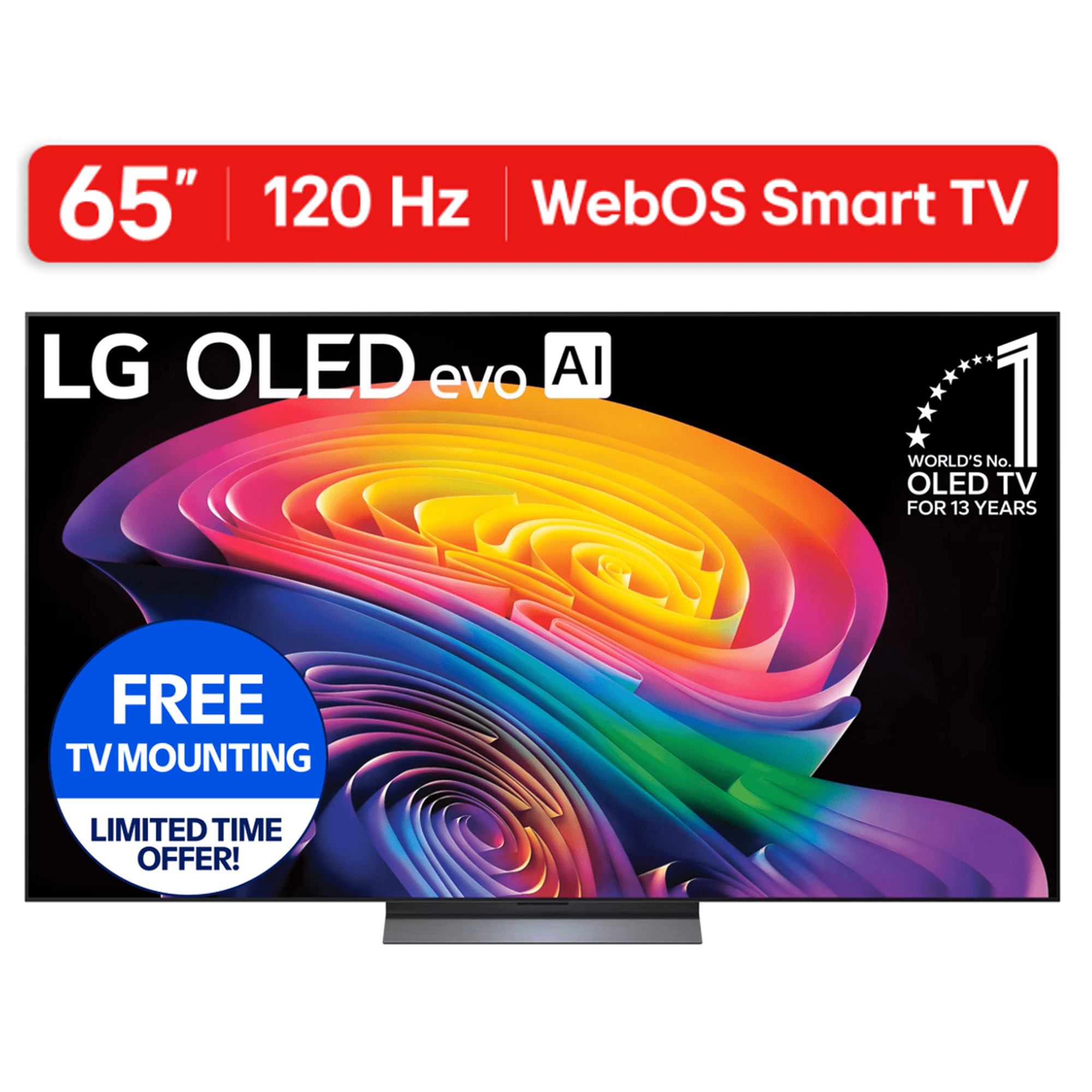
LG C6 OLED evo — Best Overall Picture Quality
Best For: Home-theater enthusiasts, movie lovers, sports viewers with wide seating arrangements, and gamers who prioritize exceptional motion clarity.
The LG C6 OLED evo is our overall winner because its self-emissive panel delivers picture-quality advantages that traditional LCD backlighting cannot fully reproduce.
Each OLED pixel can switch off independently. This creates perfect black levels, precise contrast, and dark scenes without the backlight blooming commonly found on Mini LED televisions.
The C6 uses LG’s Alpha 11 AI Processor Gen3 and Brightness Booster technology. The combination supports image processing, upscaling, and HDR presentation.
Independent RTINGS testing found excellent dark-room performance, strong colors, and clearly defined HDR highlights. The television also performs well in moderately lit rooms.
However, the glossy screen can still show distracting reflections from bright windows or direct lighting. Its excellent black levels do not automatically make it suitable for every sunlit living room.
Viewing angles are another major advantage. Colors and contrast remain consistent when viewers move away from the center of the screen.
For gaming, LG provides four HDMI 2.1 inputs, variable refresh rate, and up to 4K at 165Hz with a compatible PC. Console gamers can also use standard 4K/120Hz modes.
OLED’s nearly instantaneous pixel response gives the C6 extremely clear fast-moving images. Still, its quick response can make low-frame-rate movies appear to stutter during slow camera pans.
LG also supports Dolby Vision for compatible films and streaming content, along with Dolby Atmos and FILMMAKER MODE.
The main disadvantages are cost and burn-in considerations. Extended display of repetitive static elements can eventually cause permanent image retention.
Finally, the 65-inch C6 should not be confused with the larger 77- and 83-inch C6H versions, which use a different, more advanced OLED panel.
Pros
✅ Perfect black levels and no backlight blooming
✅ Excellent viewing angles
✅ Exceptional gaming motion clarity
✅ Dolby Vision and 165Hz PC gaming support
Cons
❌ OLED burn-in remains possible
❌ Glossy reflections can be distracting
❌ Stutter may be noticeable in slow movie pans
❌ Higher original launch price than QN80H
Who should buy it: Viewers who prioritize movies, OLED contrast, accurate motion, premium gaming, and consistent image quality across wide seating arrangements.
Who should skip it: Buyers who regularly display the same static content for extended periods or do not want to manage OLED panel-care considerations.
Alternative: Samsung QN80H for LCD-based viewing and a lower regular-price starting point.
Head-to-head winner: LG C6 for overall picture quality and gaming motion. Samsung QN80H remains the stronger fit when lower pricing and avoiding OLED-specific burn-in are the main priorities.
More Affordable Options: Samsung QN70H vs LG B6
The Samsung QN70H and LG B6 offer lower-tier alternatives, but they make very different compromises. Neither should be treated as identical to its more expensive sibling.
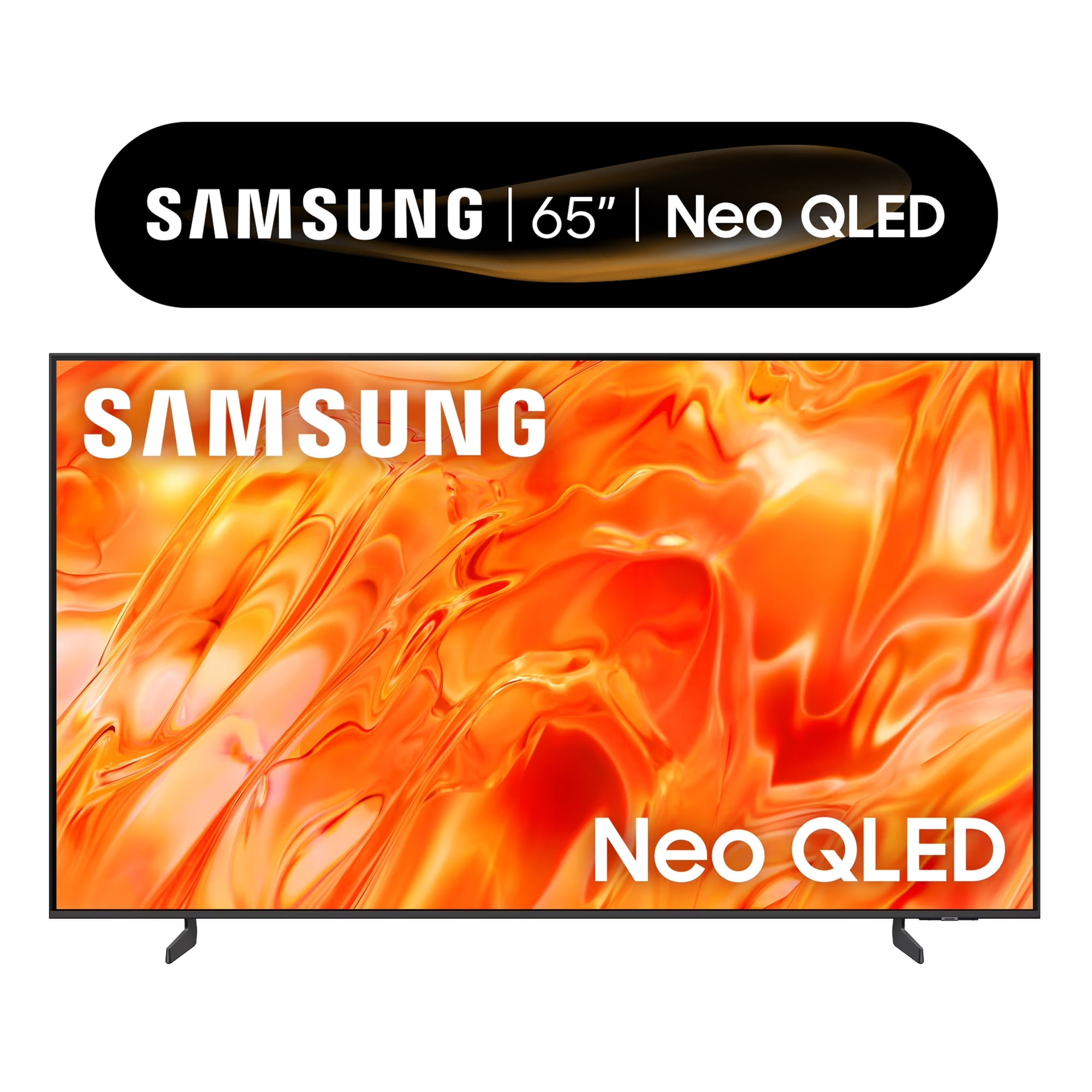
Samsung QN70H: Lower-Cost Neo QLED With Major Trade-Offs
The Samsung QN70H is a less expensive entry into Samsung’s 2026 Neo QLED lineup. However, its Mini LED branding does not mean it delivers the same performance as QN80H.
Independent testing identifies QN70H as an edge-lit LCD television. Its local dimming is limited, resulting in weaker contrast and more visible blooming during dark scenes.
The QN70H also has a native 60Hz panel and lacks HDMI 2.1 bandwidth and variable refresh rate support.
Samsung’s Dual Line Gate feature can enable 1080p at 120Hz, but this is not equivalent to 4K/120Hz gaming.
RTINGS found that the television struggles with demanding HDR scenes, fast motion, and wide viewing angles. Its reflection handling also limits use in very bright rooms.
For straightforward streaming in a moderately lit room, the QN70H may still suit buyers seeking a lower-cost Samsung television.
However, it is not our preferred choice for enthusiasts, serious gamers, or anyone expecting impressive Mini LED contrast.
Best For: Casual streaming at a clearly discounted price.
Main drawback: Its edge-lit construction and gaming limitations represent a substantial step down from QN80H.
Alternative: Samsung QN80H if the price difference is manageable.
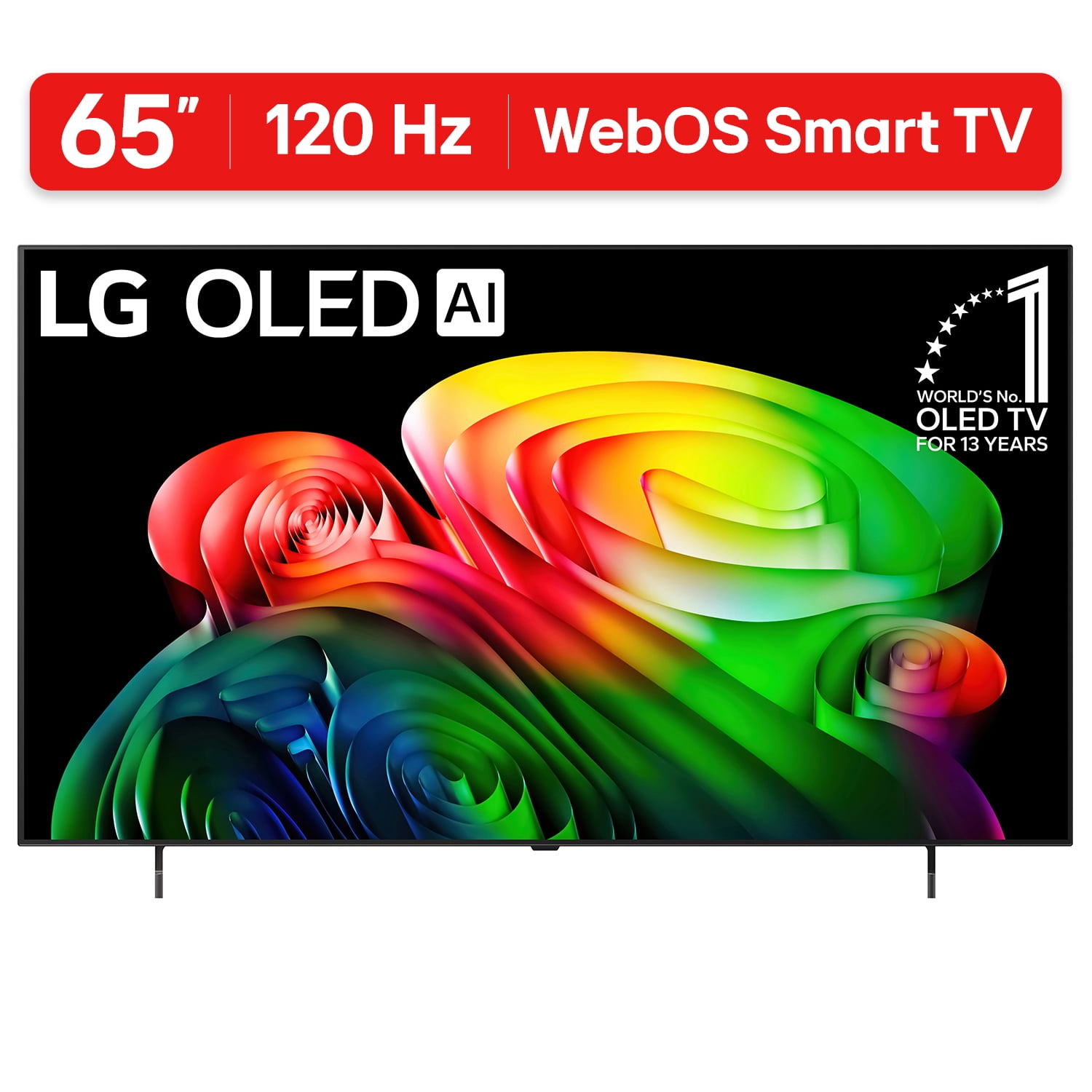
LG B6: More Affordable OLED Picture Quality
The LG B6 OLED is a compelling lower-priced alternative for buyers who want OLED’s core advantages without paying for the C6.
It uses a self-emissive OLED panel, delivering perfect black levels, excellent contrast, and wide viewing angles.
Independent testing found strong dark-room performance, accurate colors, and clean motion. These advantages make the B6 especially appealing for movies, streaming, and gaming in rooms with controlled lighting.
The television includes LG’s Alpha 8 AI Processor Gen3, webOS 26, Dolby Vision, and four HDMI 2.1 inputs.
Gaming support includes 4K/120Hz, VRR, and low input lag. Although it cannot match the C6’s maximum 165Hz PC refresh rate, its features remain suitable for modern consoles.
The biggest compromise is brightness. The B6 is less capable than the C6 in demanding bright-room conditions, and very bright HDR scenes can look less impactful.
Its glossy screen can also reflect windows and lamps, so room lighting remains important.
Best For: Buyers who want OLED contrast and gaming features at a lower regular price than the C6.
Main drawback: Reduced brightness compared with higher-tier OLED televisions.
Alternative: LG C6 if better HDR performance and higher-refresh PC gaming justify the price difference.
Value-tier verdict: LG B6 is the stronger picture-quality choice, while Samsung QN70H is relevant primarily when its actual purchase price is substantially lower. These models do not offer equivalent performance, so compare their current offers before choosing.
Samsung QLED vs LG OLED: Category Winners
Black Levels, Contrast, and Blooming
Winner: LG OLED. Self-emissive pixels give OLED a fundamental advantage in dark-room contrast.
On the LG C6, a black pixel produces no light. Bright stars, subtitles, and highlights can appear against a black background without requiring nearby pixels to remain illuminated.
The Samsung QN80H uses Mini LED local dimming to reduce backlight output in darker regions. This works well for an LCD, but it cannot reproduce OLED’s independent pixel control.
As a result, bright objects may create a soft glow around their edges. The effect is particularly visible when subtitles appear against a dark scene.
For movies and home-theater viewing, LG C6 provides the more precise presentation.
Brightness and Reflections in Real Rooms
Winner: Depends on the room. Samsung QN80H has strong SDR brightness, but LG C6 also performs well in moderately lit spaces.
LCD televisions are often recommended for bright rooms because many can sustain substantial screen brightness. However, brightness is only part of the equation.
Reflection handling matters just as much. Independent tests found the Samsung QN80H’s direct-reflection performance merely adequate. Its brightness can overcome moderate ambient light, but windows opposite the screen may still cause problems.
The LG C6 also struggles with some direct reflections, despite its strong brightness for an OLED.
Neither is an unconditional winner in a heavily sunlit room. If your TV faces large windows, prioritize independent reflection testing and room placement rather than choosing based on display technology alone.
Colors, HDR10+, and Dolby Vision
Winner: LG C6 for Dolby Vision and premium movie viewing. However, Samsung QN80H also offers strong color reproduction.
Samsung’s quantum-dot technology supports vivid color, while its HDR10+ compatibility allows dynamic metadata for supported content.
LG C6 supports Dolby Vision, a widely used dynamic HDR format available through compatible streaming services and physical media.
Samsung QN80H does not support Dolby Vision. LG C6 does not support HDR10+.
Both televisions can display standard HDR10 content, so the absence of one premium format does not prevent HDR playback entirely.
Actual HDR performance also depends on brightness, contrast, tone mapping, and content mastering. For the selected models, LG’s pixel-level control gives the C6 a clear advantage in dark scenes.
Sports, Motion, and Viewing Angles
Winner: LG C6. Its wide viewing angles and fast pixel response make it particularly suitable for sports and shared viewing.
When several people watch from a couch or multiple seats, picture consistency becomes important.
The LG C6 maintains its contrast and color when viewed from the sides. Samsung QN80H loses more picture quality as the viewing angle increases.
OLED’s fast response also helps moving players, balls, and on-screen details remain clear.
However, both technologies have motion trade-offs. The C6 can show noticeable stutter during slow camera pans in low-frame-rate movies. The QN80H can display more blur in demanding high-refresh gaming scenes.
For group sports viewing, LG C6 provides the stronger overall balance.
Gaming: HDMI 2.1, VRR, and Input Lag
Winner: LG C6. Both televisions provide advanced gaming features, but OLED response times give the LG a visible clarity advantage.
Samsung QN80H supports four HDMI 2.1 ports, 4K/144Hz input, VRR, and low input lag.
LG C6 also includes four HDMI 2.1 ports, VRR, and low input lag. It supports refresh rates up to 165Hz at 4K with a compatible gaming PC.
Modern consoles generally top out at 4K/120Hz output. Therefore, the C6’s 165Hz maximum matters more to compatible PC gamers than ordinary console users.
The biggest practical difference is pixel response. LG C6 produces cleaner motion with less trailing behind moving objects.
Samsung QN80H remains a capable gaming television, especially when the price difference is substantial. However, its pixel transitions can create visible blur in fast scenes.
Gamers who frequently display static HUD elements for very long periods should also consider OLED burn-in risk.
OLED Burn-In, LCD Longevity, and Care
Winner for avoiding OLED-specific burn-in: Samsung QLED. However, LCD technology is not immune to long-term deterioration.
OLED burn-in refers to permanent image retention caused by uneven aging of light-emitting pixels.
Persistent news tickers, logos, desktop toolbars, and static gaming interfaces can create additional risk when displayed for extended periods.
LG provides OLED Care features to help reduce this risk, including protective screen-management processes. These can reduce the likelihood of permanent retention, but they cannot guarantee it will never occur.
RTINGS’ accelerated longevity research found that OLED televisions can develop visible permanent image retention under demanding repetitive-content conditions.
However, the same project also documented substantial failures among LCD televisions, especially some thin edge-lit models.
Therefore, it is inaccurate to claim that all QLED televisions last longer than all OLED televisions.
For mixed movies, series, and games, OLED remains a reasonable choice. For heavy daily use involving the same static elements, LCD-based QLED avoids the specific risk of OLED pixel burn-in.
Longevity tip: Vary the content you watch, avoid unnecessary maximum brightness, enable available panel-protection features, and follow the manufacturer’s maintenance instructions. Long-term test results should not be interpreted as a guaranteed lifespan for any individual TV.
Tizen vs webOS and Long-Term Software
Winner: Personal preference. Both platforms offer extensive streaming-app support and modern smart TV features.
Samsung QN80H runs Tizen, with access to major streaming services, gaming features, voice assistance, and Samsung’s connected-device ecosystem.
LG C6 runs webOS 26, providing streaming apps, gaming controls, home-screen features, and the Magic Remote interface.
LG promotes its webOS Re:New program, which provides eligible software upgrades over five years. Feature availability and the exact upgrade schedule depend on the model and region.
The better interface is partly a matter of personal preference. Some buyers prefer Samsung’s ecosystem integration, while others favor LG’s pointer-based remote navigation.
Neither operating system should determine the purchase if picture quality or gaming performance is your main priority.
If you prefer an independent streaming platform, our best streaming sticks comparison covers Roku and Fire TV alternatives.
Price, Screen Size, and Overall Value
Winner: Samsung QN80H for lower regular pricing; LG C6 for premium picture quality.
At launch, the 65-inch Samsung QN80H carried a $1,599.99 MSRP, compared with $2,699.99 for the 65-inch LG C6.
That was a substantial difference. However, manufacturer promotions and retailer discounts can narrow the gap considerably.
A discounted LG C6 may offer better overall value than a Samsung QN80H sold near its original list price.
Conversely, a significant discount on the QN80H can make it attractive for someone who does not require OLED contrast.
Size also matters. A larger TV may offer a more immersive experience from a suitable viewing distance, even when its panel technology is less advanced.
If you’re considering a smaller television, our guide to choosing a Samsung 55-inch smart TV covers practical screen-size considerations.
Compare equivalent screen sizes, then decide whether improved picture quality justifies the current price difference.
Which TV Should You Buy?
Use your room, viewing habits, and budget to make the final decision.
| Viewing Scenario | Recommended TV | Main Reason |
|---|---|---|
| Dark-room movies | LG C6 OLED | Perfect blacks and precise contrast |
| Lower-cost Mini LED | Samsung QN80H | Balanced performance and lower starting price |
| Competitive gaming | LG C6 OLED | Very fast response and 165Hz PC support |
| Sports with wide seating | LG C6 OLED | Wide viewing angles and clear motion |
| Prolonged static content | Samsung QN80H | No OLED-specific pixel burn-in |
| More affordable OLED | LG B6 OLED | OLED contrast with a lower regular price |
| Heavily sunlit living room | Compare alternatives | Neither main model excels at strong direct reflections |
If you’re building a complete entertainment setup, audio deserves attention too. Both televisions can benefit from an external system for clearer dialogue and more immersive sound.
Our guide to the best soundbars for home theaters compares complete surround systems and smaller soundbar solutions.
Other TVs Worth Considering
Several alternatives may offer better value or fit more specialized needs.
Samsung QN90F: This previous-generation premium Mini LED model remains worth comparing when discounted. Its higher-tier design can be more appealing than an entry-level current-year QLED.
LG C5 OLED: The C6 is a relatively modest upgrade over its predecessor. A substantially discounted C5 can provide excellent OLED performance for less money.
LG G6 OLED: A more premium OLED option for shoppers prioritizing brighter HDR presentation and flagship-level picture quality.
Samsung S90H OLED: An important alternative if you like Samsung’s software and gaming features but also want OLED technology. Samsung is not limited to QLED televisions.
Samsung R95H Micro RGB: A different premium LCD technology that should not be confused with the conventional QLED and Neo QLED models discussed here.
Finally, Sony offers additional high-end LCD and OLED choices. Our guide to the best Sony 4K TVs for home theaters covers models that emphasize cinematic processing, HDR formats, and home-theater integration.
Frequently Asked Questions
Is Samsung QLED better than LG OLED?
LG OLED generally provides better black levels, pixel-level contrast, and viewing angles. In our comparison, LG C6 is the overall picture-quality winner. Samsung QN80H is attractive for buyers who prefer an LCD-based TV, want advanced gaming features at a lower regular price, or need to avoid OLED-specific burn-in.
Which is better for a bright living room, QLED or OLED?
It depends on the specific TV. Some high-end LCD TVs offer excellent sustained brightness and reflection control, while modern OLED televisions can also perform well in daylight. Samsung QN80H and LG C6 both handle moderate lighting, but neither is ideal for strong direct reflections. Always compare tested brightness and glare performance.
Does LG OLED have better picture quality than Samsung QLED?
The LG C6 offers better dark-room contrast, wider viewing angles, and more precise control over small highlights than Samsung QN80H. However, picture quality also depends on processing, brightness, color accuracy, and reflections. Not every OLED outperforms every QLED television in every room.
Is QLED or OLED better for gaming?
LG C6 OLED is our gaming winner because it combines nearly instantaneous pixel response with VRR, four HDMI 2.1 inputs, and up to 4K/165Hz support. Samsung QN80H remains a capable 4K/144Hz alternative. For prolonged gaming with repetitive static interfaces, LCD-based QLED avoids the specific risk of OLED burn-in.
Do OLED TVs still suffer from burn-in?
Yes. Modern OLED TVs include protective features, but permanent image retention remains possible when static elements are displayed for extended periods. Risk varies with usage patterns, brightness, and content. Ordinary mixed viewing is different from the extreme repetitive conditions used in accelerated longevity tests.
Which lasts longer, Samsung QLED or LG OLED?
There is no reliable universal winner. QLED avoids OLED-specific pixel burn-in, but LCD televisions can develop backlight and other component failures. RTINGS’ accelerated longevity research documented problems across multiple display types. Actual lifespan depends on the individual model, environment, maintenance, and usage.
Is the Samsung QN80H or LG C6 the better value?
Samsung QN80H offers a lower regular-price starting point and capable Mini LED performance. LG C6 delivers stronger contrast, viewing angles, and gaming motion. When retailer discounts bring their prices close together, LG C6 becomes especially compelling. Compare the same screen size and current offers before choosing.
Final Verdict: Samsung QLED vs LG OLED TVs
LG C6 OLED is our overall winner in the Samsung QLED vs LG OLED TVs comparison. Its perfect black levels, pixel-level contrast, wide viewing angles, and exceptional gaming motion provide the strongest all-around picture quality of our two main selections.
Choose the LG C6 for movies, premium gaming, and households where viewers sit at different angles.
Choose the Samsung QN80H if you want a capable Mini LED television at a lower regular price or expect prolonged use with static on-screen elements.
The LG B6 is worth considering when you want OLED picture quality without spending as much as the C6 typically costs. The Samsung QN70H should be considered mainly when its lower price outweighs its substantial picture-quality and gaming limitations.
Remember that room lighting, current prices, and screen size can change the decision. OLED is not automatically better for every bright room, and QLED branding does not guarantee premium local dimming.
Compare the specific model, its independent test results, and its live retailer offers before buying.
Bottom line: LG C6 wins for overall picture quality, movies, sports, and gaming. Samsung QN80H wins when lower pricing and an LCD-based display are priorities. LG B6 is the more affordable OLED alternative. Neither QLED nor OLED guarantees superior longevity in every situation.
Sources
- Samsung — QN80H 65-Inch Neo QLED 4K TV Specifications
- LG — C6 65-Inch OLED evo 4K TV Specifications
- RTINGS — Samsung QN80H Review
- RTINGS — LG C6 OLED 2026 Review
- RTINGS — TV Longevity and Burn-In Test Results
How we research: Discompare evaluates official manufacturer specifications, independent television testing, current model information, and retailer pricing. We do not claim original hands-on or laboratory testing unless explicitly stated. Product performance, software features, and prices can vary by model, size, region, and firmware. Discompare may earn commissions from qualifying retailer or price-comparison purchases.
Product Groups: Samsung QN80H 65-Inch Neo QLED 4K TV (QN65QN80HAFXZA), LG C6 65-Inch OLED evo 4K TV (OLED65C6PUA), Samsung QN70H 65-Inch Neo QLED 4K TV (QN65QN70HAFXZA), LG B6 65-Inch OLED 4K TV (OLED65B6GUA)