Best Sony 4K TVs for Home Theaters in 2026
The Sony BRAVIA 8 II QD-OLED is the best Sony 4K TV for a dedicated home theater because its self-emissive OLED panel delivers perfect blacks, no blooming around subtitles or bright objects, excellent color volume and wide viewing angles. For a dark movie room, those advantages matter more than simply buying Sony’s brightest television.
The BRAVIA 9 II is the better choice for a premium theater in a bright or mixed-light room. Sony’s new True RGB backlight produces extremely bright HDR highlights and rich color while its anti-reflective screen handles room light exceptionally well. The less expensive BRAVIA 7 II brings much of that new RGB Mini LED technology to a broader range of screen sizes, while the BRAVIA 6 OLED provides a more affordable route to OLED—including 77- and 83-inch options. The BRAVIA 5 is our midrange choice when Sony’s processing matters more than maximum HDR impact.
The right Sony home-theater TV therefore depends on the room. Choose OLED when black-level precision is the priority, True RGB when brightness and color in ambient light matter more, and BRAVIA 5 when the budget cannot stretch to Sony’s premium tiers.
Quick Answer: Best Sony 4K TVs for Home Theater
Best Overall for Home Theater: Sony BRAVIA 8 II QD-OLED — perfect blacks, no blooming, wide viewing angles and Sony’s strong movie processing make it our dark-room winner.
Best Premium / Bright-Room TV: Sony BRAVIA 9 II — exceptionally bright HDR, excellent reflection control and Sony’s new True RGB backlight make it the flagship for rooms with ambient light.
Best Premium Value: Sony BRAVIA 7 II — deep blacks, vivid color, excellent processing and screen sizes up to 98 inches without BRAVIA 9 II pricing.
Best Value OLED: Sony BRAVIA 6 — OLED black levels, 120Hz support and screen sizes from 48 to 83 inches at a lower tier than BRAVIA 8 II.
Best Midrange Pick: Sony BRAVIA 5 — Mini LED, Dolby Vision and excellent Sony processing for buyers who cannot justify the premium models.
How We Chose the Best Sony TVs for Home Theater
We ranked these televisions specifically for movie and home-theater use rather than general TV ownership. That changes the order. Gaming features and maximum daytime brightness still matter, but dark-room black levels, HDR accuracy, local-dimming precision, color, motion handling, processing, viewing angle and format support matter more for a cinematic setup.
We also considered Dolby Vision, DTS audio passthrough, eARC, screen-size availability and integration with external sound systems. Sony’s processing remains an important advantage for compressed streaming, older discs and lower-resolution sources, so picture processing was weighted more heavily than it would be in a gaming-first guide.
All five recommendations are current Sony U.S. models. We used the 65-inch U.S. version as the consistent price reference where possible, but temporary discounts do not determine the ranking.
Discompare did not perform hands-on laboratory testing for this guide. Rankings combine Sony’s current specifications with independent television testing.
Sony OLED vs True RGB vs Mini LED
| Display Type | Best At | Main Limitation |
|---|---|---|
| QD-OLED | Perfect blacks, vivid color, wide viewing angles | Less ideal than flagship LCD for very bright rooms |
| True RGB / RGB Mini LED | Extreme brightness, HDR highlights and rich color | Still uses local dimming, so some blooming is possible |
| OLED | Perfect black and cinematic dark-room viewing | Lower peak brightness than Sony’s flagship RGB LCDs |
| Conventional Mini LED | Lower-cost contrast and larger screen options | Less precise dark-scene and HDR performance than premium tiers |
Sony calls the new BRAVIA 9 II and BRAVIA 7 II backlight system True RGB. Independent testing describes it as RGB Mini LED because each dimming zone uses separate red, green and blue LEDs rather than relying on the more common blue or white backlight plus quantum-dot conversion.
That does not automatically make it better than OLED. In a dark theater, an OLED can completely switch individual pixels off. In a bright room, however, the much higher brightness of BRAVIA 9 II can be more useful than perfect black.
Best Sony 4K TVs Compared
| Sony TV | Best For | Display | Sizes | Refresh | Dolby Vision | 65-Inch Reference Price | Main Trade-Off |
|---|---|---|---|---|---|---|---|
| BRAVIA 8 II | Dark-room home theater | QD-OLED | 55, 65 in. | 120Hz | Yes | $3,299.99 reference | Limited size range and weaker bright-room visibility |
| BRAVIA 9 II | Premium bright-room theater | True RGB | 65, 75, 85, 115 in. | 120Hz | Yes | $3,599.99 | Very expensive; some local-dimming haloing remains possible |
| BRAVIA 7 II | Premium value and large screens | True RGB | 50–98 in. | 120Hz | Yes | $2,599.99 reference | Reflection handling and dimming trail BRAVIA 9 II |
| BRAVIA 6 | Lower-cost OLED and larger OLED sizes | OLED | 48, 55, 65, 77, 83 in. | 120Hz | Yes | $1,999.99 | Less premium picture processing/panel tier than BRAVIA 8 II |
| BRAVIA 5 | Midrange home theater | Mini LED | 55, 65, 75, 85, 98 in. | 120Hz | Yes | $1,499.99 | HDR brightness and dark-scene precision trail premium models |
Compare Current Sony TV Prices
Sony frequently runs large promotions on premium televisions, so the difference between two adjacent BRAVIA models can change by hundreds of dollars. Use current offers for the exact screen size and U.S. model number rather than assuming that today’s promotional price is permanent.


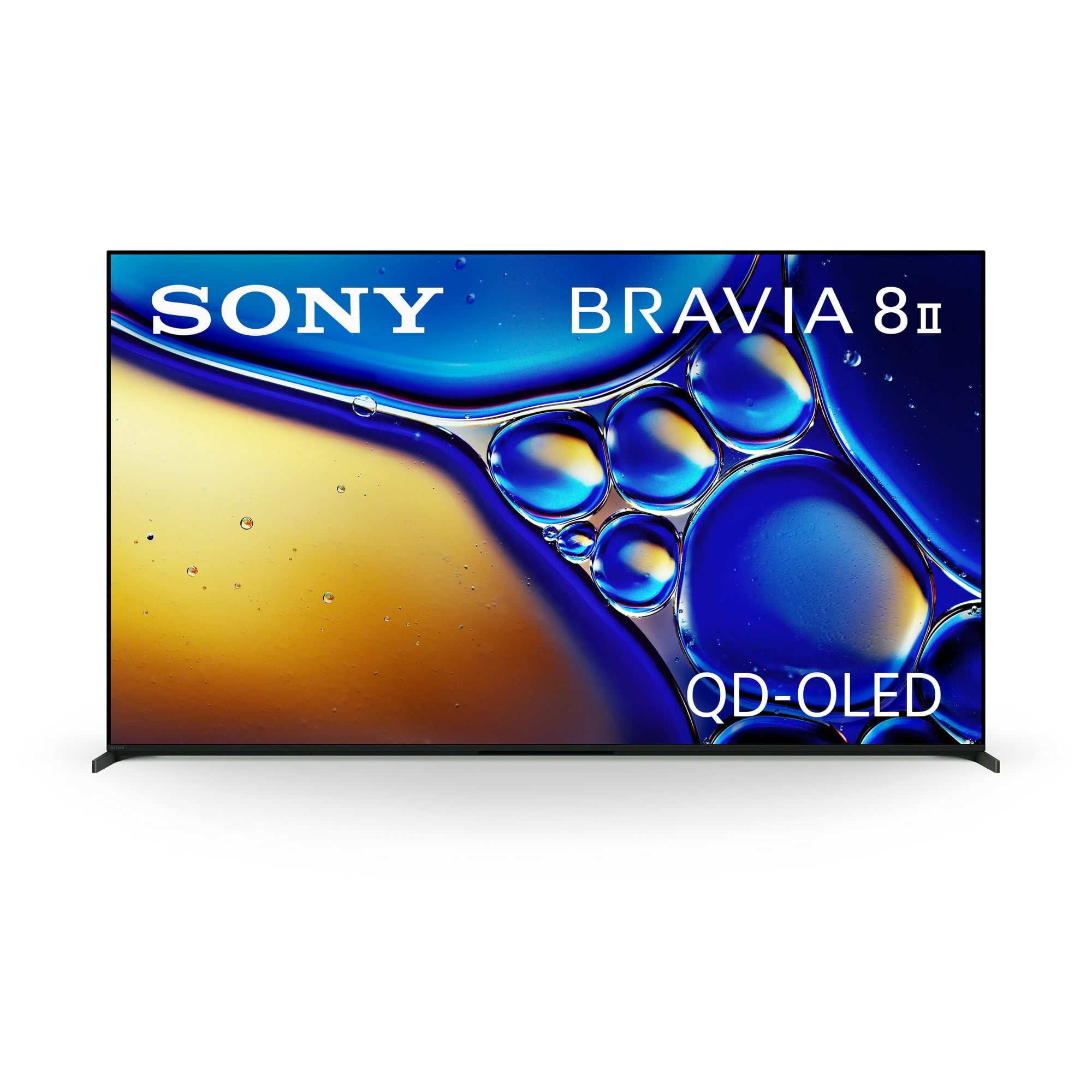
1. Sony BRAVIA 8 II QD-OLED — Best Overall for Home Theater
Best for: dedicated movie rooms, nighttime viewing, wide seating and viewers who prioritize black-level precision over maximum daytime brightness.
The BRAVIA 8 II earns first place because home theater is where QD-OLED’s strengths are most difficult for an LCD television to reproduce. Every pixel produces its own light, so a black pixel can switch completely off rather than depending on a dimming zone shared with nearby bright objects.
That difference is easy to appreciate with movie credits, subtitles, stars against a black sky and small HDR highlights. Independent testing found perfect blacks with no visible blooming around bright objects, which is exactly the behavior we want from a dedicated theater display.
The Quantum Dot OLED panel also gives the BRAVIA 8 II very strong color volume. Saturated HDR colors remain bright rather than washing out, while Sony’s XR Processor provides excellent upscaling and low-quality-content cleanup for streaming services and older sources.
Viewing angle is another advantage. Families or theater rooms with seats spread across a wide sofa receive a more consistent picture than most VA-based Mini LED televisions provide.
The main limitation is room light. The panel is capable of strong HDR highlights, but it cannot match the BRAVIA 9 II’s overall brightness in a bright living room. OLED black levels can also appear raised under strong ambient light, so this TV performs best when you can control the room.
Pros
✅ Perfect OLED black levels
✅ No local-dimming blooming
✅ Excellent HDR color volume
✅ Very wide viewing angle
✅ Excellent upscaling and streaming cleanup
✅ Dolby Vision and DTS passthrough support
Cons
❌ Only available in 55- and 65-inch sizes
❌ Less suitable than BRAVIA 9 II for very bright rooms
❌ Only two full-bandwidth HDMI 2.1 inputs
❌ Premium pricing
Who should skip it: buyers who need a screen larger than 65 inches or cannot control strong daylight.
Alternative: BRAVIA 9 II for a bright premium room or BRAVIA 6 for a larger and less expensive OLED.
Experience a cinematic OLED picture unlike any other — stunning contrast, billions of quantum dot colors and our highest OLED brightness, all intelligently powered by the XR Processor with AI. Complemented by a sleek design and rich sound, it transforms movies, games and shows into a truly immersive experience.
Upgrade your home theater today — shop the Sony 65” BRAVIA 8 II QD-OLED 4K now.
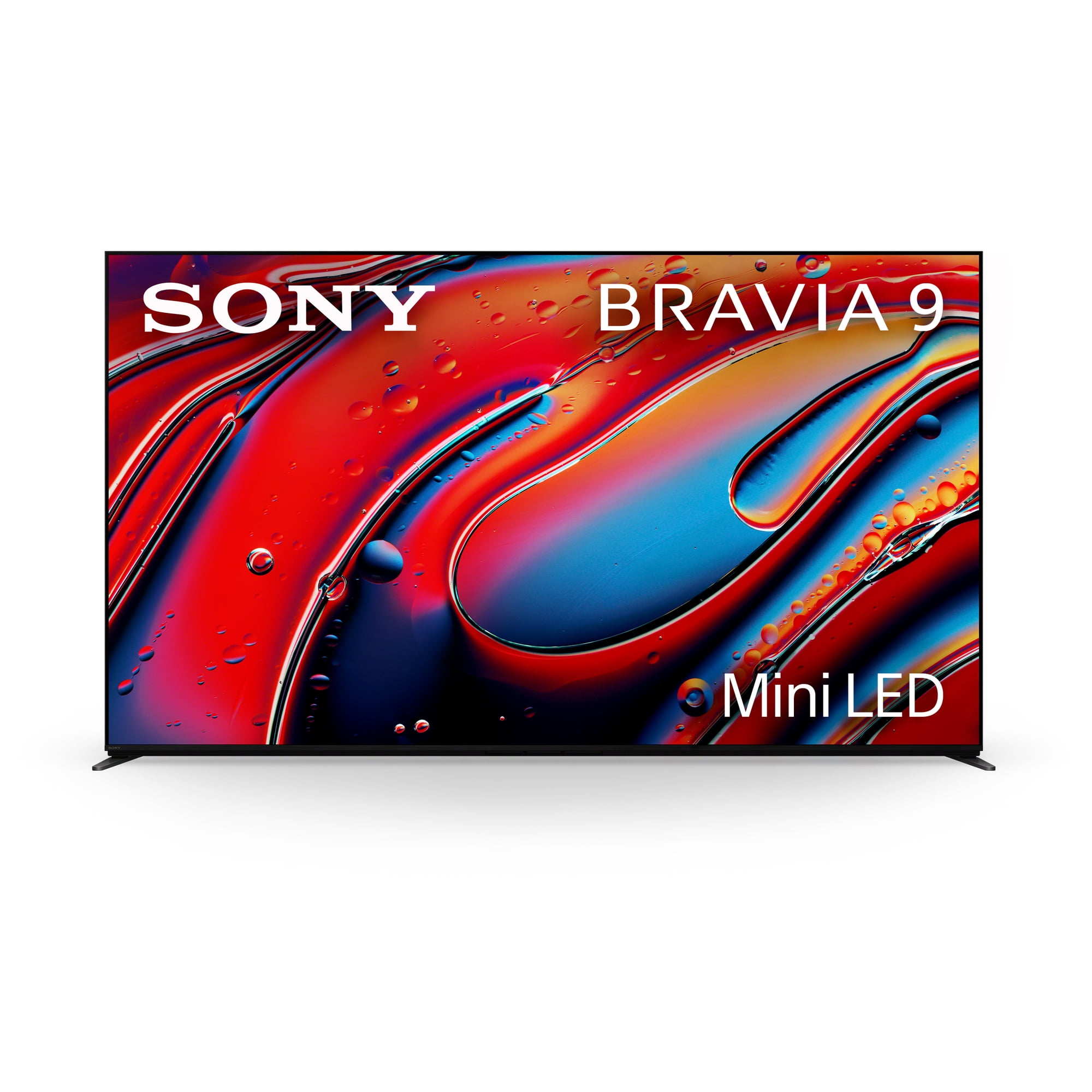
2. Sony BRAVIA 9 II — Best Premium TV for Bright-Room Home Theater
Best for: premium theaters, living rooms with significant ambient light and buyers who want extremely bright HDR without giving up deep blacks.
BRAVIA 9 II is Sony’s flagship 4K television for 2026. Its biggest change is the True RGB backlight, which uses separately controlled red, green and blue LEDs within the Mini LED architecture rather than the more conventional blue-backlight and quantum-dot approach.
The result is exceptionally strong HDR brightness and color. Independent testing found small highlights extremely impactful while bright scenes retained enough output to look convincing even in rooms that are difficult for OLED televisions.
Sony also uses its Black Screen Pro matte coating on BRAVIA 9 II. Reflection handling is one of the television’s biggest strengths, making it the clear choice here if the room has large windows or lights that cannot be fully controlled.
Black levels remain impressive for an LCD. Sony’s local dimming produces deep, uniform dark scenes with relatively little haloing when viewed from the front. It still cannot completely eliminate blooming the way an OLED can, which is why BRAVIA 8 II remains our dark-theater winner.
The 115-inch version also places BRAVIA 9 II in a completely different scale category. That model targets very large luxury rooms, but the 65-, 75- and 85-inch sizes are the more realistic choices for most premium installations.
Pros
✅ Extremely high HDR brightness
✅ Rich, vivid color from True RGB backlighting
✅ Excellent anti-reflection performance
✅ Deep LCD black levels with effective local dimming
✅ Excellent Sony image processing
✅ Available up to 115 inches
Cons
❌ Much more expensive than BRAVIA 7 II
❌ Cannot fully eliminate blooming like OLED
❌ Viewing angle trails BRAVIA 8 II
❌ Only two full-bandwidth HDMI 2.1 inputs
Who should skip it: buyers building a fully light-controlled theater where OLED’s perfect black provides more benefit than extreme brightness.
Alternative: BRAVIA 8 II for dark rooms or BRAVIA 7 II for much of the RGB Mini LED experience at a lower price.

Experience our brightest, most colorful flagship True RGB display — with advanced anti‑glare, wide viewing angles, and precise control for deep contrast and true‑to‑life color. Ready to transform your living room?
Shop the Sony 65" BRAVIA 9 II Google TV now →
3. Sony BRAVIA 7 II — Best Premium Value
Best for: buyers who want Sony’s newest RGB Mini LED technology, strong HDR and excellent processing without paying BRAVIA 9 II prices.
BRAVIA 7 II is one of the most important models in Sony’s current lineup because it brings the True RGB concept to a much broader range of screen sizes. The family starts at 50 inches and extends all the way to 98 inches.
Independent testing found excellent black levels, very little haloing around subtitles and bright objects, excellent HDR brightness and particularly vivid color. Its XR Processor also performs extremely well with low-resolution sources and compressed streaming video.
Compared with BRAVIA 9 II, the compromises are mostly refinement rather than a completely different experience. Reflection handling is weaker, local-dimming control is less advanced and the flagship can push HDR highlights harder.
The 98-inch option deserves special attention for large home theaters. A substantially larger screen can create more cinematic impact than moving one product tier higher while staying at 65 or 75 inches, provided your viewing distance and room can accommodate it.
Pros
✅ Excellent HDR brightness
✅ Deep blacks with minimal haloing
✅ Strong RGB color volume
✅ Excellent upscaling and streaming cleanup
✅ Wide size range from 50 to 98 inches
Cons
❌ Reflection handling trails BRAVIA 9 II
❌ Viewing angle is only moderate
❌ Two full-bandwidth HDMI 2.1 ports
❌ Still expensive at regular pricing
Who should skip it: viewers with very wide seating who prioritize consistent off-axis picture quality, or buyers specifically seeking perfect OLED blacks.
Alternative: BRAVIA 8 II for OLED or BRAVIA 9 II when reflection handling is critical.
Experience a new dimension of color with the Sony 65-inch BRAVIA 7 II Google TV — True RGB technology delivers vivid color, deeper contrast, and wide‑angle viewing for consistent, true‑to‑life images in any lighting. See every scene the way creators intended with precise color control and stunning clarity. Upgrade your home theater today — shop now and bring cinematic color and detail into every room.
4. Sony BRAVIA 6 OLED — Best Value OLED
Best for: buyers who want OLED black levels in a wider choice of sizes without stepping up to BRAVIA 8 II pricing.
BRAVIA 6 is Sony’s new lower-tier OLED for 2026. It uses more than eight million self-lit pixels on the 4K panel, allowing individual pixels to turn off for true black rather than depending on local-dimming zones.
The television supports a native 120Hz panel, 4K signals up to 120Hz, VRR, Dolby Vision and eARC. That gives it enough connectivity for both home-theater use and current-generation console gaming.
The biggest advantage over BRAVIA 8 II is size flexibility. BRAVIA 6 ranges from 48 to 83 inches, making the 77- and 83-inch versions particularly attractive for viewers who value screen size and OLED black levels more than the premium QD-OLED color performance of the smaller BRAVIA 8 II.
The trade-off is that BRAVIA 6 sits lower in Sony’s hierarchy. It does not receive the same premium QD-OLED panel treatment as BRAVIA 8 II, so buyers spending heavily on a 55- or 65-inch dedicated theater should still compare the higher model carefully.
Pros
✅ Perfect OLED black capability
✅ Native 120Hz panel
✅ Dolby Vision support
✅ Available in 77- and 83-inch sizes
✅ Lower 65-inch reference price than BRAVIA 8 II
Cons
❌ Not Sony’s highest-performance OLED panel
❌ HDR color and brightness advantages favor BRAVIA 8 II
❌ Still expensive compared with entry OLED TVs from some competitors
Who should skip it: buyers staying at 55 or 65 inches who are willing to pay more for Sony’s premium QD-OLED picture quality.
Alternative: BRAVIA 8 II for premium OLED or BRAVIA 7 II for much higher bright-room output.
Experience the Sony 65‑inch BRAVIA OLED 4K TV — pure blacks from over 8 million self‑lit pixels, Triluminos Pro color, and Dolby Vision + Atmos for truly cinematic picture and sound.
Bring Google TV with Gemini, HDMI 2.1 gaming features, and exclusive Sony Pictures Core content into your living room for an all‑in‑one entertainment upgrade.
Ready to transform your viewing? Shop the Sony 65" BRAVIA OLED 4K TV now.
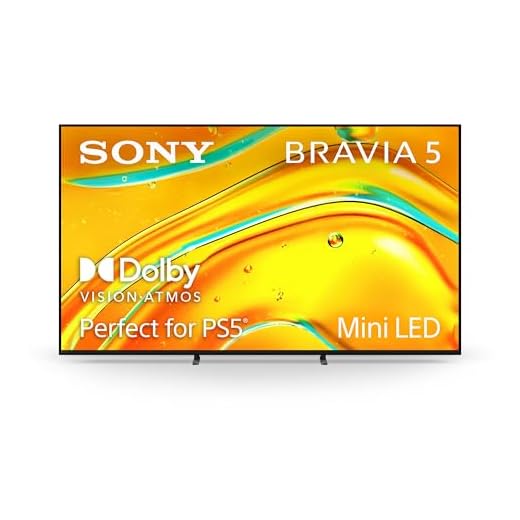
5. Sony BRAVIA 5 Mini LED — Best Midrange Home Theater TV
Best for: buyers who want Sony’s processing, Mini LED local dimming and Dolby Vision without entering the premium BRAVIA 7 II, 8 II or 9 II price tiers.
BRAVIA 5 is Sony’s mainstream Mini LED option. It supports 4K/120Hz, VRR, Dolby Vision and DTS audio passthrough, and its XR Processor provides some of the best upscaling and low-quality-content smoothing in its class.
That processing is especially useful for a mixed home-theater library. Older DVDs, HD cable channels and heavily compressed streaming do not magically become native 4K, but Sony does a strong job reducing obvious artifacts without destroying fine detail.
The main limitation is HDR impact. Independent testing found its HDR brightness merely adequate rather than exceptional, and difficult dark scenes with small highlights can sometimes look more gray than they should as the local-dimming system balances black level against highlight visibility.
That makes BRAVIA 5 a reasonable Sony home-theater TV, but not a hidden flagship. Its value depends heavily on current pricing compared with BRAVIA 6 and discounted BRAVIA 7 II models.
Pros
✅ Excellent image upscaling
✅ Strong low-quality streaming cleanup
✅ Mini LED local dimming
✅ Dolby Vision and DTS passthrough
✅ Available up to 98 inches
Cons
❌ HDR brightness is only midrange
❌ Complex dark scenes can lose black-level precision
❌ Narrow viewing angle
❌ Premium rivals can deliver substantially more cinematic HDR
Who should skip it: buyers building a premium dark theater or anyone who expects flagship HDR performance.
Alternative: BRAVIA 6 if OLED is affordable at your preferred size, or BRAVIA 7 II if a sale narrows the price gap.
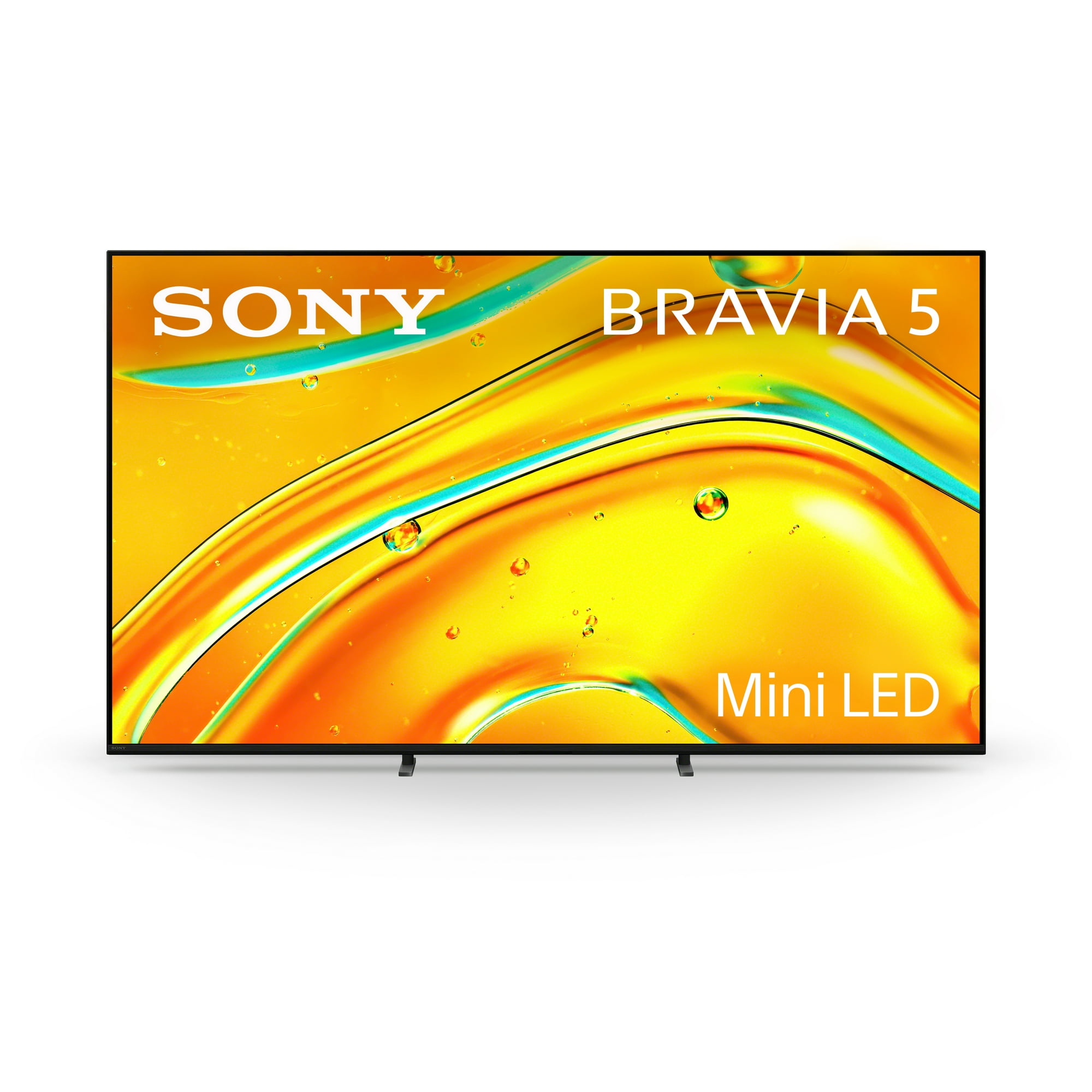
Step up to breathtaking Mini LED brightness and AI-upscaled 4K with the Sony BRAVIA 65" Mini LED 4K TV. Whether it’s cinematic movie nights or next-level gaming with HDMI 2.1, bring home the big-screen clarity you’ve always wanted — order now and make every moment unforgettable.
Why BRAVIA 8 II Beats BRAVIA 9 II in a Dark Home Theater
BRAVIA 9 II is technically Sony’s higher-end flagship, but home-theater rankings should not automatically follow the product hierarchy.
In a light-controlled room, the BRAVIA 8 II can shut every black pixel completely off. There are no dimming zones to illuminate nearby dark areas, so subtitles, stars and small bright objects do not generate halos around themselves.
BRAVIA 9 II gets remarkably close for an LCD and produces much brighter HDR highlights, but local dimming remains a compromise between keeping blacks dark and keeping nearby highlights bright.
That is why our recommendation is simple: BRAVIA 8 II for a controlled dark theater; BRAVIA 9 II for a premium room that also needs excellent daytime visibility.
What Is Sony True RGB?
Sony’s True RGB televisions use a backlight made from independently controlled red, green and blue LEDs. Conventional Mini LED TVs more often use blue or white LEDs combined with color-conversion layers.
The practical goal is stronger color purity and brightness. BRAVIA 9 II and BRAVIA 7 II can produce extremely bright saturated colors without relying on exactly the same architecture as Sony’s older Mini LED TVs.
True RGB does not remove the basic difference between LCD and OLED. RGB backlighting still illuminates an LCD panel through local-dimming zones, while OLED pixels emit their own light. The choice should still be based on the room rather than assuming the newer technology automatically wins every category.
Dolby Vision, DTS and Physical Media
Sony remains particularly attractive to home-theater buyers because its premium televisions support Dolby Vision. That matters for compatible UHD Blu-rays and streaming services that use dynamic Dolby Vision metadata.
DTS support is also useful for physical-media enthusiasts. Models such as BRAVIA 8 II, BRAVIA 9 II, BRAVIA 7 II and BRAVIA 5 support DTS audio passthrough, allowing compatible soundbars or AV receivers to handle formats commonly found on Blu-ray discs.
Format support alone does not guarantee a better movie experience, but it reduces compatibility compromises when your library contains discs and streaming services from multiple sources.
Pairing a Sony TV With a Soundbar or AV System
Every serious home-theater setup should budget for external audio. Even premium televisions cannot reproduce the bass extension, separation and rear-channel effects of a dedicated soundbar or speaker system.
Sony’s ecosystem offers one useful advantage: compatible BRAVIA televisions and Sony audio products can use Acoustic Center Sync, allowing the TV speakers to contribute to the center-channel presentation so dialogue appears more closely anchored to the screen.
Current Sony compatibility documentation includes BRAVIA 9 II, BRAVIA 7 II, BRAVIA 8 II and BRAVIA 5 among supported Acoustic Center Sync models. Compatibility depends on the exact soundbar or receiver.
If you have not selected the audio system yet, see our best soundbars for home theaters guide before finalizing the TV budget.
How Many HDMI 2.1 Ports Do Sony TVs Have?
Connectivity is one of the main weaknesses of Sony’s premium TVs compared with some competitors.
BRAVIA 8 II, BRAVIA 9 II, BRAVIA 7 II and BRAVIA 5 provide two full-bandwidth HDMI 2.1 inputs for features such as 4K/120Hz and VRR. On these models, one of those high-bandwidth connections is also used for eARC.
That can become limiting if your theater includes an Xbox, PlayStation, gaming PC and an eARC sound system at the same time. An AV receiver or soundbar with HDMI 2.1 passthrough can help by moving some switching outside the television.
Movie-focused users with a Blu-ray player and one console are less likely to find the limitation important.
Best Sony TV for a Dark Room
BRAVIA 8 II is our dark-room winner. Perfect blacks, zero local-dimming bloom and strong HDR color make it the most cinematic current Sony choice when room lighting can be controlled.
BRAVIA 6 provides the same fundamental OLED black-level advantage at a lower tier and in larger sizes, making it the value alternative.
Best Sony TV for a Bright Room
BRAVIA 9 II wins easily. Its combination of extreme SDR/HDR brightness and excellent matte anti-reflection treatment is designed for rooms where sunlight and artificial lighting cannot always be eliminated.
BRAVIA 7 II also becomes a good choice when you need high brightness but cannot justify the flagship price.
Best Large-Screen Sony TV
The answer depends heavily on budget. BRAVIA 9 II reaches an extraordinary 115 inches, but that model belongs in a luxury installation.
For a more realistic large-screen home theater, BRAVIA 7 II at 85 or 98 inches is particularly interesting. BRAVIA 5 also reaches 98 inches at a lower tier, while BRAVIA 6 offers OLED options up to 83 inches.
Do not automatically buy the highest-tier smaller model. In a suitably sized room, increasing from 65 to 85 or 98 inches can change the cinematic experience more dramatically than a modest picture-quality improvement at the same size.
Sony vs Samsung for Home Theater
Sony and Samsung take noticeably different approaches. Sony emphasizes movie processing, Dolby Vision, DTS compatibility and integration with its BRAVIA Theater audio ecosystem.
Samsung generally offers stronger gaming connectivity on equivalent premium models, often including four HDMI 2.1 ports and higher maximum gaming refresh rates. Samsung’s OLED televisions can also be excellent movie displays, although Samsung continues to favor HDR10+ rather than Dolby Vision.
For a full comparison of Samsung’s current range, see our best Samsung TVs guide.
Do You Need an External Streaming Device?
Probably not at first. Current BRAVIA televisions use Google TV, providing direct access to major streaming applications, voice search and casting features.
An external streamer can still make sense if you strongly prefer Apple TV, Roku or Fire TV, need specific local-media capabilities, want Ethernet or simply dislike the built-in interface.
Our most popular streaming devices for home entertainment guide compares the main current platforms.
Frequently Asked Questions
What is the best Sony TV for a home theater?
Sony BRAVIA 8 II is our best overall home-theater choice because its QD-OLED panel provides perfect blacks, no blooming, vibrant HDR color and wide viewing angles. BRAVIA 9 II is better when the room is bright.
Is BRAVIA 8 II better than BRAVIA 9 II?
For a dark movie room, we prefer BRAVIA 8 II because OLED produces perfect blacks with no blooming. BRAVIA 9 II is the stronger choice for bright rooms because it can produce much more overall brightness and handles reflections exceptionally well.
Is Sony OLED better than Mini LED?
OLED is better when perfect black and dark-room precision matter most. Mini LED and Sony’s newer True RGB TVs can become much brighter and are often better suited to rooms with significant ambient light.
What is Sony True RGB?
Sony True RGB is the company’s RGB Mini LED backlight system used in BRAVIA 9 II and BRAVIA 7 II. It uses separate red, green and blue LEDs within the backlight to improve brightness and color reproduction.
Which Sony TV is best for a bright room?
BRAVIA 9 II is the best current Sony TV for a bright room because of its extremely high brightness and excellent anti-reflection treatment. BRAVIA 7 II is the lower-cost alternative.
Do Sony TVs support Dolby Vision?
Yes. The Sony home-theater models in this guide support Dolby Vision, making them suitable for compatible streaming services and UHD Blu-ray content.
How many HDMI 2.1 ports do Sony TVs have?
Several premium Sony models, including BRAVIA 8 II, BRAVIA 9 II, BRAVIA 7 II and BRAVIA 5, provide two full-bandwidth HDMI 2.1 inputs. One is also the eARC connection, so buyers with several gaming devices should plan their system carefully.
Is Sony BRAVIA 5 good for home theater?
BRAVIA 5 is a reasonable midrange home-theater television with strong processing, Dolby Vision and Mini LED local dimming. Its HDR brightness and dark-scene precision are noticeably behind Sony’s premium models, so it is best when the price gap is substantial.
Final Verdict: Which Sony 4K TV Should You Buy?
The Sony BRAVIA 8 II is the best Sony 4K TV for a dedicated home theater. QD-OLED delivers the black-level precision, lack of blooming, color and wide viewing angles that matter most when the lights go down.
Choose the BRAVIA 9 II instead if your theater doubles as a bright living room. Its True RGB backlight, extreme HDR brightness and outstanding reflection handling solve problems that OLED cannot address as effectively.
The BRAVIA 7 II is the value sweet spot for premium Sony LCD performance and is especially compelling at 75, 85 or 98 inches. The BRAVIA 6 is the more affordable OLED choice and becomes particularly interesting at 77 and 83 inches. BRAVIA 5 remains the midrange option when Sony’s processing and Dolby Vision support matter but premium HDR performance does not justify the extra cost.
Best Overall Home Theater: Sony BRAVIA 8 II
Best Premium / Bright Room: Sony BRAVIA 9 II
Best Premium Value: Sony BRAVIA 7 II
Best Value OLED: Sony BRAVIA 6
Best Midrange: Sony BRAVIA 5
Sources
- Sony — Current BRAVIA television lineup and official model specifications
- Sony — BRAVIA 8 II QD-OLED and BRAVIA 6 OLED product specifications
- RTINGS — Sony BRAVIA 8 II OLED review
- RTINGS — Sony BRAVIA 9 II and BRAVIA 7 II reviews
- RTINGS — Sony BRAVIA 5 review
Product Groups: Sony BRAVIA 8 II 65-Inch QD-OLED 4K TV K-65XR80M2, Sony BRAVIA 9 II 65-Inch True RGB 4K TV K-65XR90M2, Sony BRAVIA 7 II 65-Inch True RGB 4K TV K-65XR70M2, Sony BRAVIA 6 65-Inch OLED 4K TV K-65A60, Sony BRAVIA 5 65-Inch Mini LED 4K TV K-65XR50