Best Battery-Powered Heater for RV or Tent
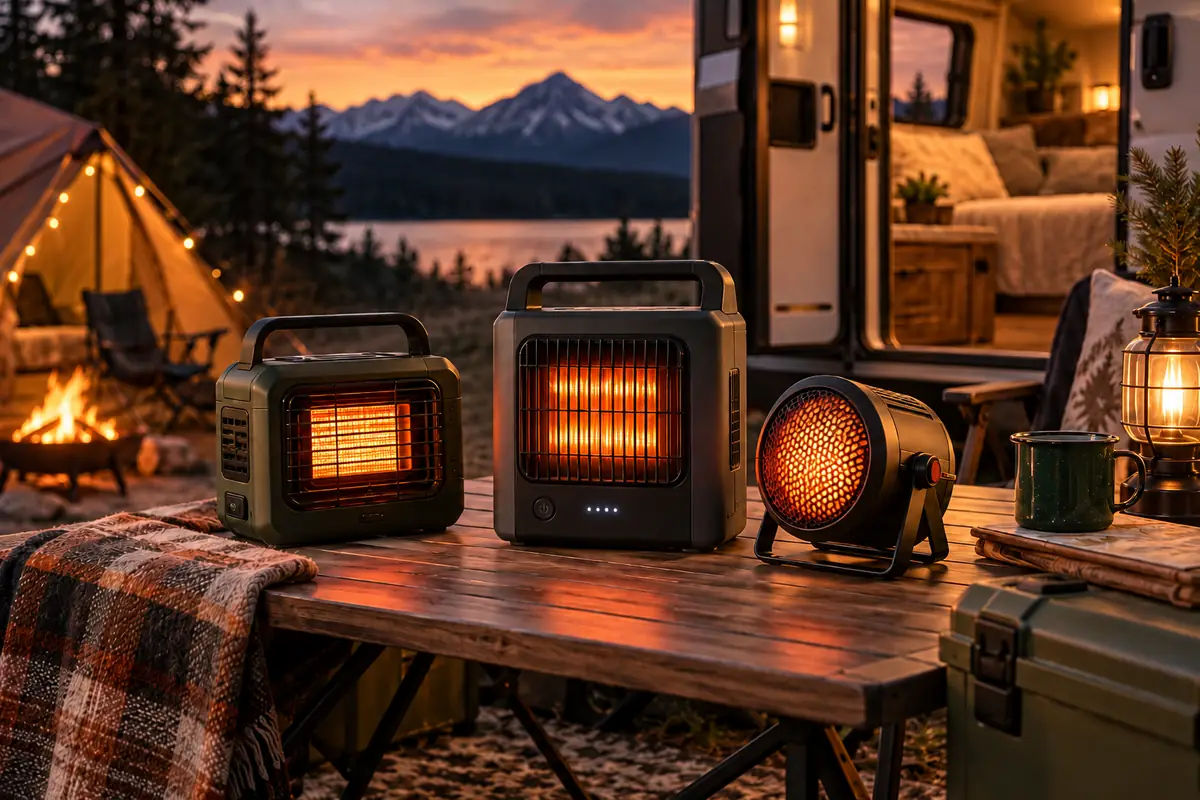
The best battery-powered heater for an RV or tent depends on what you want to warm. For personal comfort, a rechargeable heated blanket is usually the most practical choice. For actual space heating, the EcoFlow WAVE 3 is one of the few portable heat pumps with an optional battery. However, neither replaces a properly designed heating system or cold-weather sleeping equipment when temperatures drop sharply.
There is an important limitation: batteries store relatively little energy compared with the electricity conventional space heaters consume. A 1,500-watt heater can drain a typical 1,000Wh portable power station in well under an hour. Meanwhile, low-power heated blankets can provide targeted warmth for several hours without attempting to heat the surrounding air.
That distinction matters when camping away from electrical hookups. Many products advertised as battery-powered heaters actually require a wall outlet, a large external battery, or propane fuel. They are not interchangeable, and some are unsuitable for enclosed camping shelters.
In this guide, we compare four practical heating and insulation options for RV and tent camping. We also explain battery runtime, electrical requirements, and essential safety precautions so you can choose equipment that works for your trip.
Can a Battery-Powered Heater Really Heat an RV or Tent?
Yes, but with significant limitations. A sufficiently large battery can power an electric heating device, and a portable heat pump can warm a small space under suitable conditions. However, most rechargeable heating products are better at warming a person than heating an entire RV or tent.
The difference comes down to power consumption. Electric resistance heaters convert electrical energy into heat, so a high-output space heater requires a substantial energy supply. Portable batteries can deliver that power, but usually not for an entire cold night.
Heated blankets use smaller heating elements close to your body. They provide localized warmth without needing to raise the temperature of the surrounding air. This makes them more efficient for personal comfort, although they cannot replace properly rated sleeping equipment.
A portable heat pump works differently. It transfers heat rather than relying entirely on electrical resistance. That allows it to deliver more thermal energy than its electrical input under favorable operating conditions. Nevertheless, heating performance and battery runtime decline when conditions become less favorable.
For genuinely cold overnight camping, appropriate sleeping bags, insulated pads, dry clothing, and a suitable shelter remain essential. Browse Discompare’s camping and hiking equipment category when planning the rest of your setup.
Quick Answer: Best Battery-Powered Heating Options
Best Options by Use Case
Best for actual space heating: EcoFlow WAVE 3 — a portable heat pump with an optional rechargeable battery for small spaces in suitable weather.
Best for versatile personal warmth: Gobi Heat Zen Heated Blanket — rechargeable heating with three zones and adjustable settings.
Best simple rechargeable throw: ActionHeat 7V Heated Plush Throw — a soft blanket with an included battery and manufacturer-estimated heating times.
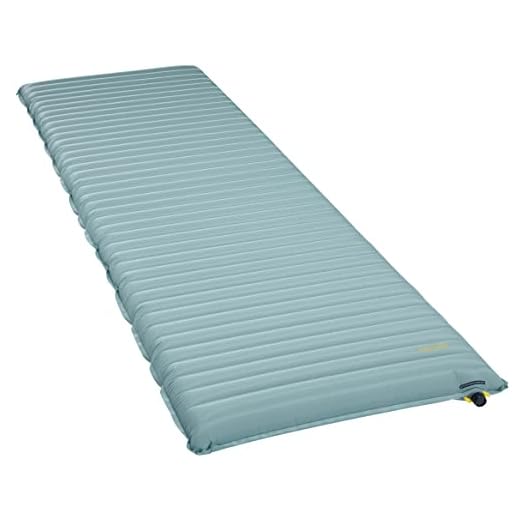
Best battery-free overnight insulation: Therm-a-Rest NeoAir XTherm NXT — a high-R-value sleeping pad that reduces heat loss to the ground without consuming electricity.
These products solve different problems. The WAVE 3 can heat a small space, while the Gobi Heat and ActionHeat blankets provide personal warmth. The XTherm NXT does not generate heat at all; it helps conserve body heat during sleep.
How We Selected These Heating Options
We evaluated products using verified manufacturer specifications, power requirements, battery capacity, operating conditions, practical use cases, and available independent reporting. We also considered setup complexity, weight, portability, and safety restrictions.
Our primary requirement was accuracy. Products were not classified as battery-powered merely because they are portable or have electronic controls. Conventional AC heaters and propane appliances were excluded from the main recommendations unless their differences were directly relevant to buying guidance.
We favored equipment serving distinct needs instead of padding the article with ten similar products. The selections include one battery-compatible space heater, two rechargeable personal-heating options, and one insulated sleeping pad for battery-free overnight warmth.
Discompare has not conducted original hands-on testing of these products. Battery-runtime figures are identified as manufacturer estimates or calculations, not guaranteed results.
Battery-Powered Heating Comparison Table
| Product | Best For | Power Source | Heating Capability | Main Limitation |
|---|---|---|---|---|
| EcoFlow WAVE 3 | Small RV or camper spaces | Optional 1,024Wh battery or compatible external power | 6,800 BTU/h rated heating output | Limited runtime; operating range starts at 41°F |
| Gobi Heat Zen | Portable personal warmth | 20,000mAh rechargeable battery | Three heating zones | Does not heat the surrounding space |
| ActionHeat 7V Throw | Seated warmth in camp or RV | Included 7V rechargeable battery | Three heating elements | Limited battery life; not for powered use during sleep |
| Therm-a-Rest XTherm NXT | Cold-weather sleeping | No electricity required | R-value 7.3 insulation | Conserves body heat; does not generate heat |
The best choice depends on whether you need to warm the air, stay comfortable while sitting, or reduce heat loss overnight. Price comparisons are most useful after identifying the correct type of equipment.
Four Heating and Insulation Options Worth Considering
1. EcoFlow WAVE 3 — Best for Actual Battery-Powered Space Heating
Best For: Small campers, RVs, and compatible temporary setups requiring portable heating in mild to cool weather.
The EcoFlow WAVE 3 is the only product in this selection designed to provide meaningful space heating. It combines air conditioning and heat-pump operation in a portable unit that can run from compatible external power or an optional rechargeable battery.
EcoFlow rates its heating capacity at 6,800 BTU per hour, equivalent to approximately 2,000 watts of thermal output. However, its rated heating electrical input is approximately 606W on DC power or 645W on AC power.
This distinction makes the WAVE 3 different from a conventional resistance heater. Under suitable conditions, a heat pump transfers more heat into a space than the electrical energy it consumes.
The optional add-on battery stores 1,024Wh. EcoFlow advertises approximately 2–8 hours of runtime across operating conditions and settings. That range should not be interpreted as eight hours of continuous full-output heating.
There is also a major temperature limitation. EcoFlow specifies an ambient operating range of 41–122°F (5–50°C). Consequently, the WAVE 3 should not be treated as a dependable heater for freezing-weather camping.
The main unit weighs approximately 33.7 lb, and the add-on battery weighs approximately 21.4 lb. Combined, they create a substantial setup that is better suited to vehicle-based camping than backpacking.
Proper installation matters too. The WAVE 3 requires the correct duct arrangement and condensate management according to EcoFlow’s instructions. It is not a simple heater that can be placed anywhere inside a tent.
Why choose it: You need portable, battery-compatible space heating in a small, appropriately ventilated setup and can accommodate its weight, ducts, and operating limits.
Pros
✅ Provides actual space heating rather than only personal warmth.
✅ Heat-pump technology can deliver more thermal output than its electrical input.
✅ Compatible with an optional 1,024Wh battery.
✅ Combines heating and cooling functions.
✅ Multiple compatible charging and power options.
Cons
❌ High purchase cost, especially with the battery.
❌ Heavy and bulky for portable camping equipment.
❌ Requires appropriate ducting and setup.
❌ Battery runtime is limited.
❌ Specified operating range does not extend below 41°F.
Who should skip it: Backpackers, campers expecting freezing conditions, or anyone seeking an inexpensive overnight heat source.
Alternative: A properly installed, externally vented RV heating system is generally a more appropriate choice for sustained cabin heating in colder weather.

2. Gobi Heat Zen Heated Blanket — Best for Versatile Personal Warmth
Best For: Campers wanting rechargeable warmth while sitting, relaxing, or spending time around camp.
The Gobi Heat Zen offers a more practical battery-heating approach for many people. Instead of trying to raise the temperature of an entire shelter, it uses electrically heated fabric to provide warmth close to your body.
The blanket includes a rechargeable 20,000mAh battery and three heating zones. Users can choose low, medium, or high heat settings to adjust the amount of warmth.
This flexibility is useful during evenings at a campsite, while seated inside an RV, or during outdoor activities where an electrical outlet is unavailable.
Gobi also advertises compatibility with additional power options, depending on the package and accessories. However, confirm the exact configuration before buying.
The manufacturer’s published runtime information is not fully consistent. Some product copy advertises up to ten hours, while its technical specifications list up to 8.5 hours. Therefore, treat these as indicative marketing estimates rather than a dependable planning guarantee.
A battery’s milliamp-hour rating also cannot be compared directly with another product’s battery without knowing the voltage. For a fair comparison, use watt-hours when the manufacturer supplies them.
Why choose it: You want adjustable rechargeable warmth during activities where heating your body is more useful than heating the surrounding air.
Pros
✅ Included rechargeable battery.
✅ Three heating zones for targeted comfort.
✅ Adjustable temperature settings.
✅ Suitable for portable personal heating.
✅ Removable battery simplifies fabric care.
Cons
❌ Cannot heat an entire tent or RV.
❌ Runtime changes with the heat setting.
❌ Manufacturer runtime descriptions are inconsistent.
❌ Requires recharging after extended use.
Who should skip it: Anyone looking for a room heater or a guaranteed source of warmth throughout a cold night.
Alternative: The ActionHeat 7V Heated Plush Throw offers a simpler rechargeable blanket with published setting-specific runtime estimates.

3. ActionHeat 7V Heated Plush Throw — Best Simple Rechargeable Choice
Best For: Seated comfort during cool camping evenings, RV relaxation, and other activities where a rechargeable blanket is convenient.
The ActionHeat 7V Heated Plush Throw combines a soft, sherpa-lined design with three built-in heating elements. Its dimensions are approximately 50 × 60 inches, giving it enough coverage for personal use while seated.
The package includes a 7V rechargeable battery and charger. ActionHeat specifies a 5,000mAh battery capacity and three selectable heat settings.
The manufacturer’s estimated runtimes are approximately 2.5 hours or more on high, four hours or more on medium, and 6.5 hours or more on low.
These figures highlight the main trade-off of battery heating: increasing the heat setting reduces operating time. Actual runtime can vary with use and battery condition.
ActionHeat’s heated-blanket safety guidance also advises users not to fall asleep while the blanket is switched on. Therefore, this is a personal-comfort accessory for awake use, not a replacement for a properly rated sleeping bag.
The blanket makes sense for campers who want something simple to unfold and use. It avoids the size, weight, and installation requirements of a portable heat pump.
Why choose it: You prefer a rechargeable heated throw with an included battery and straightforward heat settings.
Pros
✅ Includes a rechargeable 7V battery and charger.
✅ Soft plush material with sherpa lining.
✅ Three heating elements and selectable settings.
✅ Manufacturer provides setting-specific runtime estimates.
✅ Easier to transport than a portable space heater.
Cons
❌ Heats the user rather than the surrounding air.
❌ Higher settings reduce battery runtime.
❌ Requires frequent charging during extended use.
❌ Manufacturer advises against sleeping with the heating function active.
Who should skip it: Campers needing overnight active heating or enough heat output to warm a shelter.
Alternative: Gobi Heat Zen provides another rechargeable personal-heating option with three heating zones and multiple power configurations.

4. Therm-a-Rest NeoAir XTherm NXT — Best Battery-Free Overnight Insulation
Best For: Campers prioritizing ground insulation and overnight warmth without relying on electricity.
The Therm-a-Rest NeoAir XTherm NXT is not a heater. It is an insulated sleeping pad designed to reduce heat loss between your body and the ground.
That makes it especially relevant to this buying guide. Even a warm sleeping bag can lose effectiveness when its insulation compresses beneath your body. A suitable sleeping pad helps limit that heat loss.
Therm-a-Rest gives the XTherm NXT an R-value of 7.3, indicating strong resistance to heat transfer. Its regular version weighs approximately 15.5 oz and provides a three-inch-thick sleeping surface.
The pad uses insulation technology designed to retain warmth without requiring batteries. This means it continues performing its insulating role throughout the night, assuming it remains properly inflated and undamaged.
However, insulation is not a substitute for a sleeping bag or other suitable sleep system. Your sleeping bag’s temperature rating, clothing, shelter, and weather conditions still matter.
For trips involving colder nights, the XTherm NXT can be more valuable than carrying a small heater with insufficient battery capacity.
Why choose it: You want dependable ground insulation that does not depend on charging equipment.
Pros
✅ High R-value of 7.3.
✅ No battery or electrical connection required.
✅ Lightweight regular-size configuration.
✅ Three-inch thickness for sleeping comfort.
✅ Supports a properly selected cold-weather sleep system.
Cons
❌ Does not generate heat.
❌ Costs more than basic uninsulated pads.
❌ Requires inflation and protection against punctures.
❌ Must be paired with an appropriate sleeping bag.
Who should skip it: RV users who already have an adequately insulated sleeping surface and specifically need cabin heating.
Alternative: A more affordable sleeping pad with a verified R-value appropriate to your expected camping conditions.
How Long Can a Battery Run an Electric Heater?
Battery runtime depends primarily on usable battery energy and the electrical power consumed by the heating device. This is why a high-wattage space heater and a low-power heated blanket have dramatically different operating times.
Understanding Watts and Watt-Hours
Watts measure the rate at which a device consumes electricity. Watt-hours measure the amount of energy stored in a battery or consumed over time.
A 1,000Wh battery theoretically contains enough energy to run a 1,000W device for one hour. However, real systems lose energy through power conversion, electronics, and other operating requirements.
For a simple estimate, use this formula:
Estimated runtime = Usable battery energy (Wh) ÷ Device power consumption (W)
For example, a 1,000Wh power station with an assumed 85% usable energy provides approximately 850Wh for a calculation. Actual usable capacity varies by power station, temperature, battery condition, and output method.
Battery Runtime for Common Heating Loads
| Electrical Load | Example Application | Estimated Runtime From 850Wh |
|---|---|---|
| 40W | Low-power personal heating | 21.3 hours |
| 200W | Small electric resistance heater | 4.3 hours |
| 750W | Medium-power electric heater | 1.1 hours |
| 1,500W | Typical full-power space heater | Approximately 34 minutes |
These estimates assume a constant electrical load. They are not measured runtimes for specific products, and they do not establish that any device is appropriate for tent use.
The power station must also support the heater’s required output wattage. A battery can have sufficient stored energy but still be unable to run a high-power appliance because of inverter or output limitations.
Furthermore, batteries often deliver less usable energy in very cold conditions. Do not assume the listed capacity will remain fully available during winter camping.
Why the EcoFlow WAVE 3 Is Different
The WAVE 3 uses a heat pump. It transfers heat from the surrounding environment into the conditioned space, rather than generating all the heat directly through electrical resistance.
That is why its rated heating output exceeds its electrical input under specified conditions. However, actual performance depends on temperature, installation, operating mode, and compressor activity.
Its 1,024Wh add-on battery is not a guarantee of overnight heating. Under demanding conditions, the unit may use its available energy much faster than the advertised maximum runtime suggests.
Before purchasing any portable heating system, compare three things: actual electrical consumption, usable battery energy, and the environmental conditions in which the equipment is approved to operate.
Best Heating Approach for an RV vs a Tent
RVs and tents require different heating strategies. An RV may have an installed heating system, electrical hookups, and protected wiring. A conventional camping tent typically offers much less insulation and far fewer safe heating options.
For RV Camping
When available, an RV’s properly installed heating system is the more appropriate choice for sustained cabin heating. Follow its operating instructions, maintain required ventilation, and inspect fuel-burning equipment regularly.
A portable heat pump can supplement comfort in suitable weather, particularly when the RV has enough electrical capacity and a compatible installation arrangement.
Heated blankets can also improve personal comfort while seated. However, they should not replace the primary heating system when outside temperatures require dependable cabin heat.
If you camp without shore power, calculate energy requirements in advance. Include heating, lighting, refrigeration, electronics, and other essential equipment in the power budget.
For Tent Camping
For tents, the most reliable overnight strategy is to reduce heat loss rather than trying to heat the entire shelter with a small battery.
Start with a sleeping bag rated for the expected conditions. Pair it with an insulated sleeping pad and wear dry, appropriate sleep clothing.
Choose a shelter suited to the season and weather. A properly pitched tent helps protect against wind and precipitation, but it does not provide the insulation of an RV.
For shelter selection, Discompare’s spring camping tent guide discusses weather protection, ventilation, and capacity. Larger groups can also compare suitable layouts in the family camping tent guide.
A rechargeable heated blanket may offer temporary comfort while you are awake. However, your overnight safety should never depend on a small battery remaining charged.
How to Stay Warm Safely While Camping
Heating equipment introduces risks beyond battery consumption. Portable fuel-burning appliances can produce carbon monoxide, while electric heaters can ignite nearby combustible materials.
Critical camping safety warning: Never use portable fuel-burning heaters, camp stoves, or lanterns while sleeping inside enclosed tents, campers, or vehicles. Carbon monoxide is colorless and odorless, and exposure can be fatal. Follow U.S. Consumer Product Safety Commission guidance and the instructions for every appliance.
Prevent Carbon Monoxide Exposure
Propane and other combustion appliances require particular caution. The CPSC warns that portable camping heaters and similar devices can cause fatal carbon monoxide poisoning in enclosed shelters and vehicles.
Do not assume an oxygen-depletion sensor or a partially open tent flap removes this risk. Equipment should only be used in environments expressly permitted by its manufacturer.
RVs with fuel-burning systems should have appropriately installed and maintained carbon monoxide alarms. Follow the system’s inspection and ventilation requirements.
Common carbon monoxide poisoning symptoms include headache, dizziness, nausea, weakness, and confusion. If exposure is suspected, move immediately to fresh air and seek emergency medical help.
Reduce Electric Heater Fire Risks
The CPSC recommends keeping portable heaters at least three feet away from combustible materials, including bedding, curtains, and furniture.
It also advises connecting electric space heaters directly to wall outlets rather than extension cords or power strips, and switching them off before sleeping.
For portable power stations, use only equipment and connections expressly approved by the relevant manufacturers. A power station’s high wattage rating does not establish that an electric space heater is suitable for a tent.
Use Rechargeable Heated Blankets Correctly
Rechargeable blankets are designed for personal warmth, but safe operation still depends on following their instructions.
Check the fabric, wiring, battery housing, and charging equipment for damage. Avoid crushing or folding active heating elements in ways prohibited by the manufacturer.
ActionHeat advises against falling asleep with its heated blankets switched on. Follow equivalent product-specific restrictions for other heated equipment, and disconnect the power before sleeping when required.
Build a Reliable Overnight Sleep System
For sleeping in cold conditions, prioritize passive insulation. An appropriate sleeping bag and well-insulated pad provide warmth without relying on an electrical connection.
REI’s sleeping pad guidance explains that insulation from the ground is essential because the insulation beneath your body becomes compressed during sleep.
Review the expected overnight low, wind, precipitation, and shelter suitability before departure. If conditions exceed your equipment’s capabilities, change the plan rather than depending on an untested heater.
What to Look for Before Buying a Battery-Powered Heater
Start by identifying the heating task. A device suited to personal warmth may be ineffective for heating a space, while a space-heating system may require much more power than you can realistically carry.
- Heating purpose: Decide whether you need personal warmth, space heating, or better overnight insulation.
- Battery capacity: Compare watt-hours rather than relying only on milliamp-hour ratings.
- Electrical consumption: Check continuous power draw and maximum startup requirements.
- Runtime: Use realistic operating settings rather than maximum advertised figures.
- Temperature compatibility: Confirm that the product can operate within the expected environmental range.
- Safety certification and instructions: Use products approved for the intended environment and installation.
- Weight and portability: Include the battery, ducts, cables, and accessories when assessing total carrying weight.
- Power availability: Consider whether you can recharge equipment during a multi-day trip.
Also check whether the advertised price includes the battery. Some portable heating systems are sold separately from the power source required for off-grid operation.
Frequently Asked Questions
Is there a battery-powered heater that can heat an entire tent?
Certain battery-compatible heat pumps can warm small spaces in suitable conditions. However, their performance depends on ambient temperature, installation, insulation, and battery capacity. Small rechargeable resistance heaters generally cannot provide dependable overnight tent heating.
How long will a 1,000Wh battery run a space heater?
Assuming 850Wh of usable energy, a continuous 750W load would run for approximately 1.1 hours. A 1,500W heater would last about 34 minutes if the power station supported that output. Real runtime depends on system efficiency, operating conditions, and other loads.
Are rechargeable heated blankets suitable for camping?
Yes, when the manufacturer permits the intended use. They are useful for personal warmth while sitting or relaxing. However, they do not heat an entire shelter and should not replace a properly rated sleeping system. Follow all restrictions on use while sleeping.
Can I use a propane heater inside a tent?
Portable propane heaters introduce carbon monoxide and fire hazards. The CPSC warns against operating portable fuel-burning heaters while sleeping inside enclosed tents, campers, or vehicles. Never treat ventilation openings or safety sensors as permission to ignore manufacturer restrictions.
Are 12V car heaters effective for RV heating?
Most low-power 12V accessories provide limited localized warmth and cannot replace a full RV heating system. Higher-output 12V heating equipment requires substantial current and appropriately designed wiring. Never assume a vehicle accessory socket can safely supply the required power.
Can the EcoFlow WAVE 3 heat an RV during freezing weather?
It should not be relied on for that purpose. EcoFlow specifies an ambient operating range beginning at 41°F (5°C). Freezing conditions fall below that range, so an appropriately installed RV heating system is more suitable for sustained cold-weather heating.
What is the safest way to stay warm overnight in a tent?
Use an appropriately rated sleeping bag, insulated sleeping pad, dry clothing, and weather-suitable shelter. Avoid depending on portable active heaters during sleep. Follow all equipment instructions, monitor the forecast, and choose safer accommodation if conditions exceed your gear’s capabilities.
Final Verdict: Which Battery-Powered Heating Option Should You Choose?
The best battery-powered heater for an RV or tent is not necessarily a conventional space heater. For most off-grid campers, targeted personal warmth and suitable insulation offer a better balance of portability, battery life, and practicality.
Choose the EcoFlow WAVE 3 if you need actual small-space heating, can accommodate the required battery and ducting, and expect temperatures within its operating range.
Choose the Gobi Heat Zen when adjustable personal warmth matters most. The ActionHeat 7V Heated Plush Throw is a straightforward alternative for seated comfort, provided you follow the manufacturer’s operating and sleeping restrictions.
For cold nights in a tent, prioritize the Therm-a-Rest NeoAir XTherm NXT or another appropriately insulated sleeping pad alongside a suitable sleeping bag. Reliable overnight warmth should not depend on a small rechargeable battery.
Bottom line: For actual space heating, consider a properly configured portable heat pump in suitable weather. For personal comfort, choose a rechargeable heated blanket. For overnight tent camping, invest first in insulation and a suitable sleeping system. Battery capacity, operating limits, and safety matter more than marketing claims.
Sources
- U.S. Consumer Product Safety Commission — Portable Heaters and Camping Equipment
- U.S. Consumer Product Safety Commission Generators, Furnaces and Space Heaters
- EcoFlow — WAVE 3 Portable Air Conditioner: Official Specifications
- ActionHeat — 7V Battery Heated Plush Throw Blanket
- REI Expert Advice — How to Choose a Sleeping Pad for Camping and Backpacking
Product Groups: EcoFlow WAVE 3 Portable Air Conditioner, Gobi Heat Zen Heated Blanket, ActionHeat 7V Battery Heated Plush Throw Blanket, Therm-a-Rest NeoAir XTherm NXT