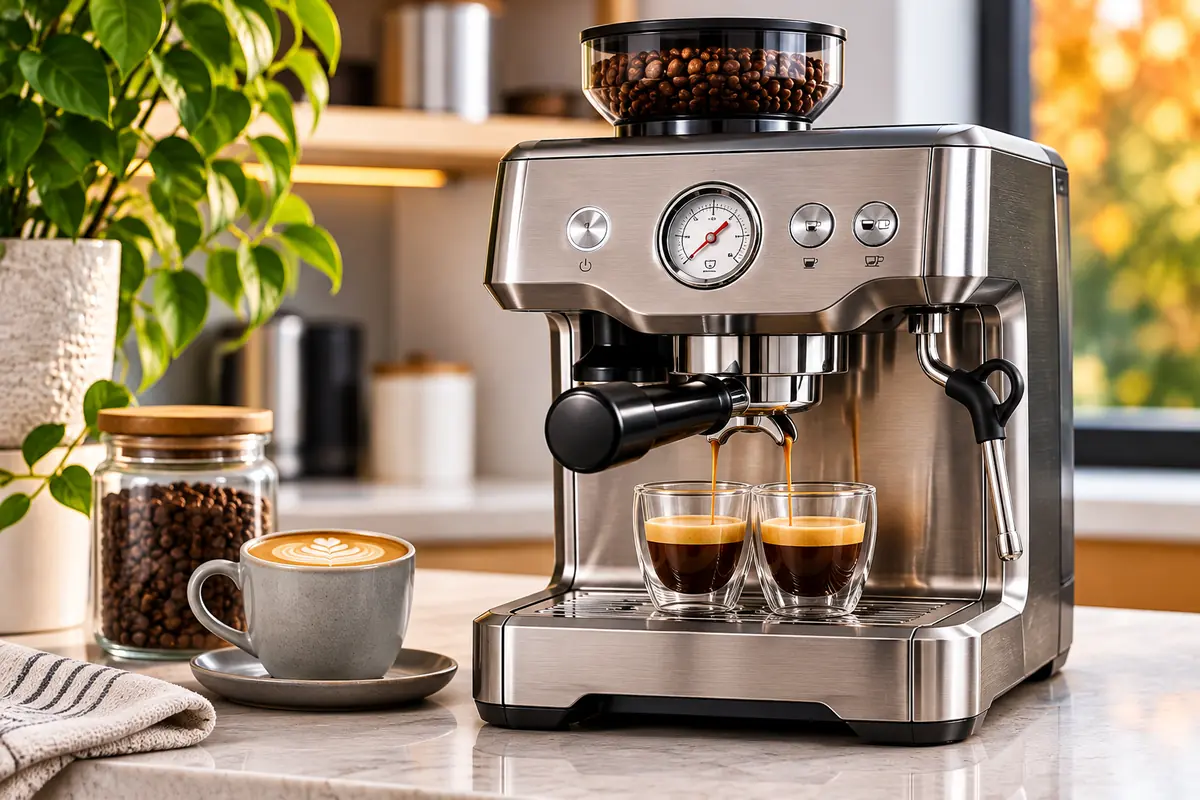
Best Home Espresso Machines in 2026
The best home espresso machine depends on how much control you want over brewing, how often you make milk drinks, and whether you prefer an integrated grinder or a separate setup. Our best overall pick is the Fellow Espresso Series 1, which combines precise temperature control, programmable pressure profiles, and guided brewing. However, the Breville Bambino offers a more affordable entry into traditional espresso, while the Profitec GO is an excellent choice for enthusiasts who prefer a straightforward, temperature-controlled machine.
If you regularly prepare cappuccinos and lattes, the Rancilio Silvia Pro X provides independent brew and steam boilers. For complete manual control, the Flair 58 Plus 2 offers a different approach through lever-operated pressure profiling.
These machines serve different home-barista needs. Some simplify the brewing process, while others give you more control over temperature, pressure, grinding, and milk texture. Spending more does not automatically guarantee better espresso. Fresh beans, a capable grinder, consistent preparation, and a suitable recipe remain essential.
This guide compares seven home espresso machines using manufacturer specifications, independent testing, brewing features, workflow, maintenance requirements, and practical limitations. Whether you are buying your first serious espresso setup or upgrading your equipment, we will explain which features are worth paying for and which you may not need.
If your priority is automatic preparation rather than learning espresso techniques, our guide to the easiest espresso machines for beginners covers more convenient, assisted, and fully automatic alternatives.
Quick Answer: Best Home Espresso Machines
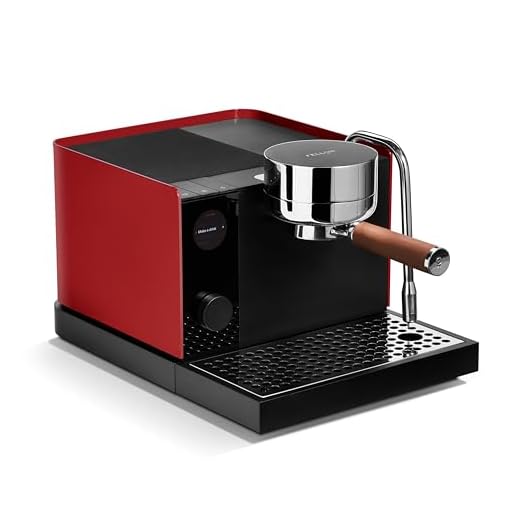
Best Overall: Fellow Espresso Series 1 — precise temperature and pressure control, guided recipes, and assisted milk steaming for different experience levels.
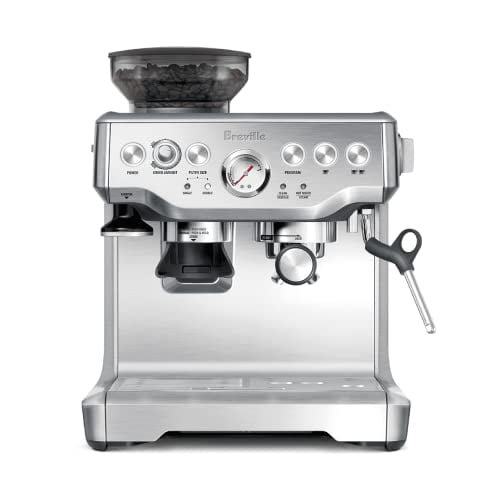
Best All-in-One: Breville Barista Express BES870XL — an integrated burr grinder, PID temperature control, and manual espresso preparation in one machine.
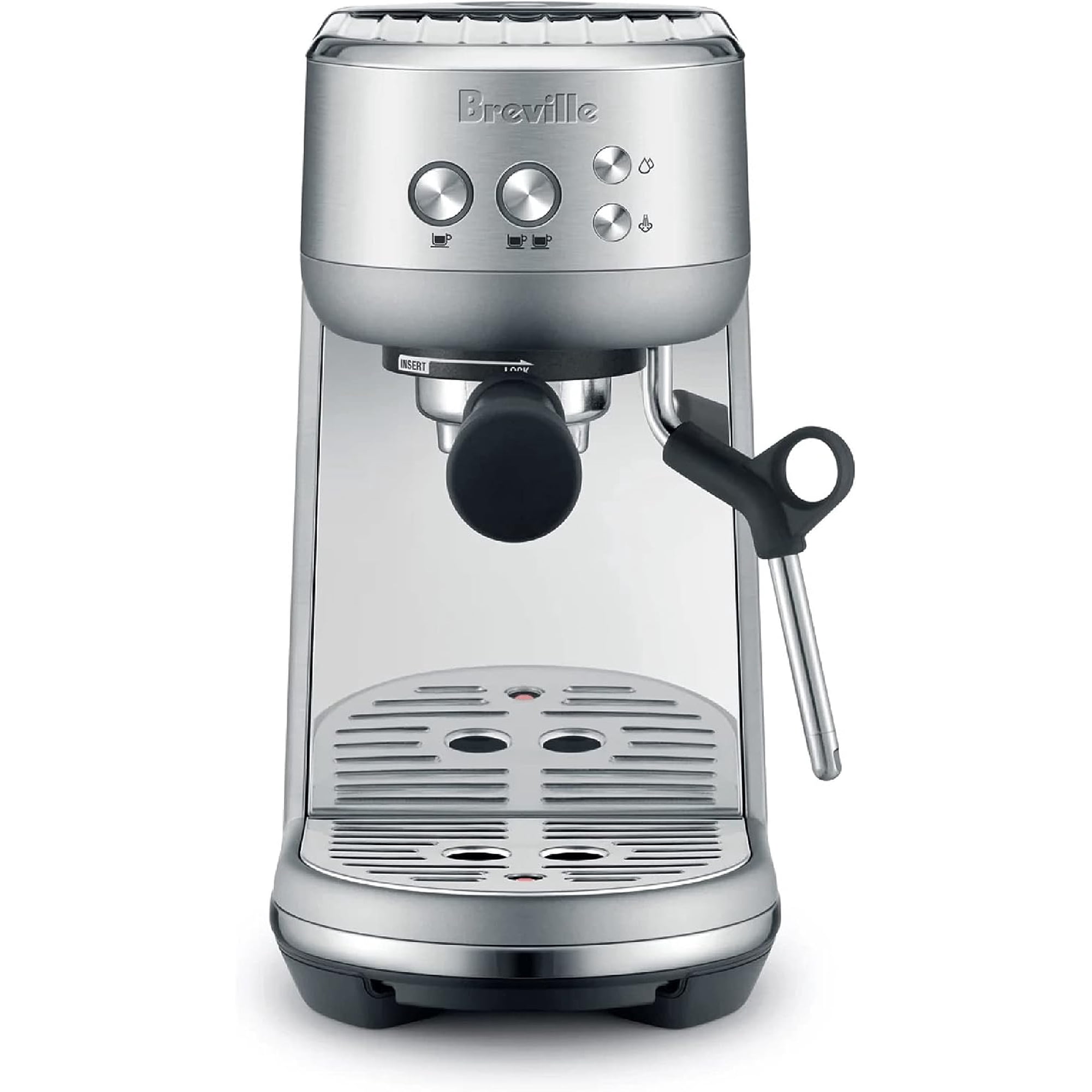
Best Compact Value: Breville Bambino BES450 — fast heating, a small footprint, and capable espresso extraction at an accessible machine price.
Best Traditional Upgrade: Profitec GO — PID temperature adjustment, a brew-pressure gauge, and a conventional single-boiler workflow.
Best for Frequent Milk Drinks: Rancilio Silvia Pro X — dedicated brew and steam boilers for preparing espresso and textured milk without switching between boiler modes.
How We Chose These Home Espresso Machines
We selected seven machines representing different espresso-making workflows, from compact pump machines to traditional single boilers, dual boilers, and manual levers.
Our evaluation considers temperature control, extraction consistency, pressure management, steaming capability, grinder requirements, ease of use, maintenance, and long-term ownership value.
We reviewed manufacturer documentation from Fellow, Breville, Gaggia, Profitec, Rancilio, and Flair. Independent evaluations from WIRED, Forbes Vetted, and specialist coffee publications provide additional context about real-world advantages and limitations.
We prioritized useful brewing features over advertised pump-pressure figures or the number of automated programs. The seven selections also serve different buyers rather than duplicating models already covered in Discompare’s beginner-focused espresso guide.
Discompare did not conduct original hands-on or laboratory testing. Independent findings are attributed to their sources, and manufacturer specifications are not presented as independently measured results.
Best Home Espresso Machines Compared
The following table highlights the main differences between the seven machines. Pay particular attention to grinder requirements, temperature control, and milk steaming, as these factors strongly influence your daily workflow.
| Espresso Machine | Best For | Brewing System | Grinder | Milk Steaming | Main Trade-Off |
|---|---|---|---|---|---|
| Fellow Espresso Series 1 | Overall control and guidance | Boosted Boiler, programmable pressure profiles | Separate | Assisted steam wand | Cost and software-dependent features |
| Breville Barista Express | Integrated-grinder setup | Thermocoil with PID | Built-in burr grinder | Manual steam wand | Limited independent grinder upgrade flexibility |
| Breville Bambino | Compact value | ThermoJet heating system | Separate | Manual steam wand | Limited advanced brewing adjustments |
| Gaggia Classic Pro E24 | Traditional espresso | Single brass boiler | Separate | Commercial-style steam wand | No factory PID control |
| Profitec GO | Temperature-focused enthusiasts | PID single boiler | Separate | Manual steam wand | Sequential brewing and steaming |
| Rancilio Silvia Pro X | Frequent cappuccinos and lattes | Independent dual boilers, PID controls | Separate | Dedicated steam boiler | High price, size, and weight |
| Flair 58 Plus 2 | Manual extraction control | Direct lever with preheated brew cylinder | Separate | External equipment required | Hands-on workflow and thermal management |
The correct machine depends on your priorities. A fast-heating compact machine may fit a small kitchen better than an expensive dual boiler, while a serious milk-drink enthusiast may find the dual boiler’s additional capability worth the investment.
Compare Current Home Espresso Machine Prices
Espresso machine prices vary widely because products differ in heating systems, pressure controls, construction, and automation.
However, the machine price is only part of the investment. Most models in this guide require a separate espresso-capable grinder. You may also need a scale, tamper, milk pitcher, cleaning supplies, and suitable water-treatment equipment.
Before purchasing, compare exact model numbers, included accessories, warranty terms, and retailer support. A lower machine price may not mean a lower total setup cost when a grinder is purchased separately.
The price cards below are intended to display current retailer offers. Compare the complete package rather than relying on temporary discounts or manufacturer launch prices.
The 7 Best Home Espresso Machines





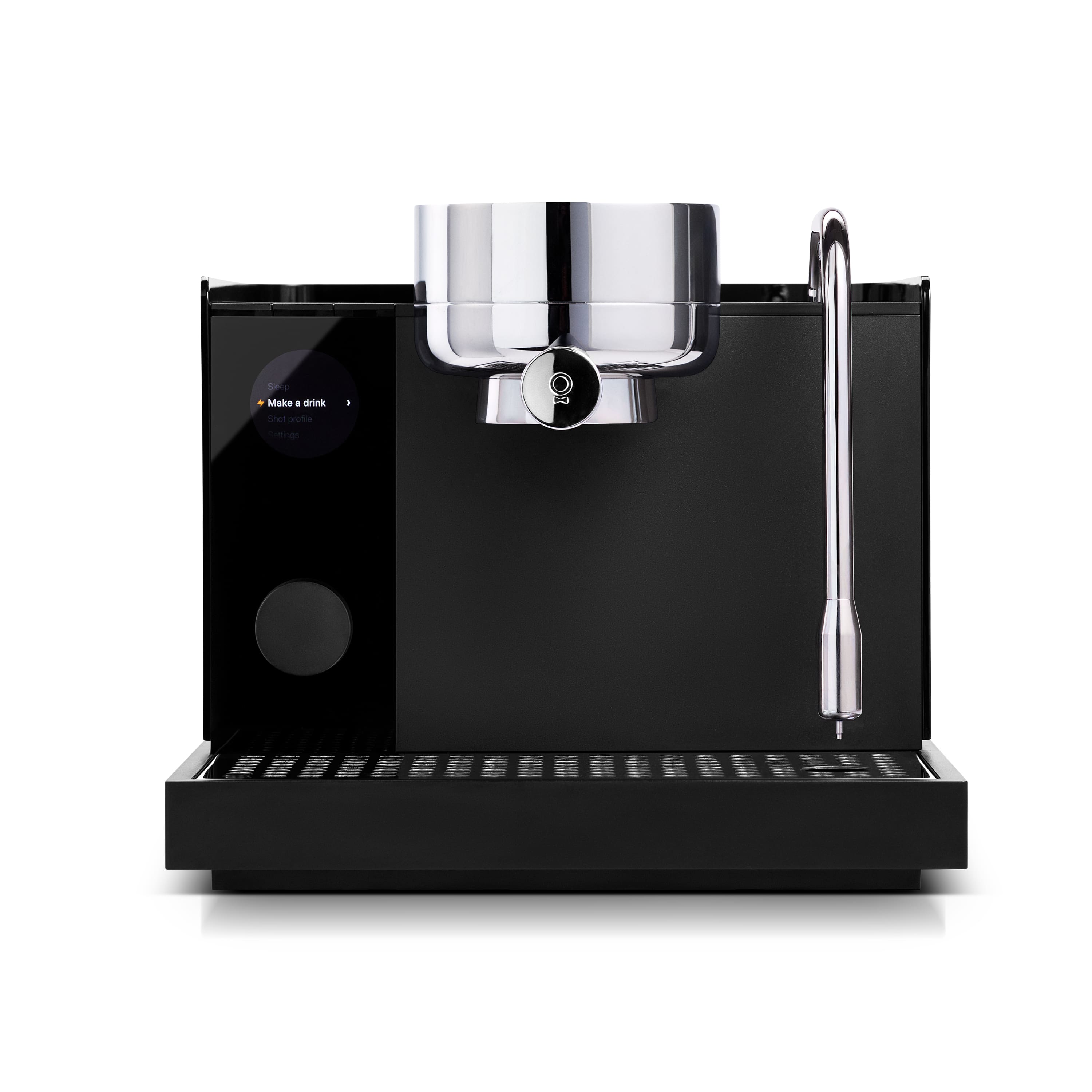
1. Fellow Espresso Series 1 — Best Overall Home Espresso Machine
Best for: Home baristas who want advanced extraction control without giving up guided operation and modern convenience.
The Fellow Espresso Series 1 earns our best overall recommendation because it combines precise brewing technology with an interface that can support both new and experienced espresso enthusiasts.
Its Boosted Boiler architecture uses several coordinated heating elements to manage brewing temperature. Fellow specifies a warm-up time of two minutes or less, making it considerably faster to start than many traditional boiler machines.
Temperature control is only part of the appeal. The Series 1 also offers programmable pressure profiling, allowing water pressure to change throughout an espresso shot.
This matters because different coffees respond differently to preinfusion, extraction pressure, and flow. Lighter roasts, for example, may benefit from different settings than darker espresso blends.
Fellow includes guided recipes and built-in shot feedback. The machine can identify unusually fast or slow extractions and suggest grind adjustments for future shots.
The assisted steam wand adds convenience for milk drinks. It can stop steaming when a selected milk-temperature target is reached, reducing one common source of inconsistency.
Independent testing by WIRED praised the Series 1's temperature stability, fast warm-up, steam performance, and flexible shot profiles. However, the review also identified limitations.
Shot-volume control was not always perfectly consistent during testing. Fellow's subsequent support documentation explains that volumetric dosing estimates water flow rather than directly weighing espresso in the cup, and provides a recalibration procedure when results fall outside the intended range.
The water reservoir also requires vertical clearance for removal, which can be inconvenient beneath low cabinets. Software and app features should be evaluated according to their current availability rather than assumed future improvements.
Why it stands out: The Series 1 offers meaningful control over temperature and pressure while remaining approachable through guided brewing. That combination makes it useful for someone who wants to improve technique without abandoning convenience.
Pros
✅ Precise temperature and pressure control
✅ Programmable espresso profiles
✅ Fast warm-up and guided brewing
✅ Assisted milk steaming and shot feedback
Cons
❌ Separate espresso grinder required
❌ Volumetric dosing can require recalibration
❌ Reservoir removal needs overhead clearance
❌ Premium price and evolving software features
Who should skip it: Buyers seeking a simple mechanical machine without software features, or anyone unwilling to purchase a separate grinder.
Alternative: Profitec GO offers a more traditional single-boiler espresso experience with PID temperature control and fewer digital features.
2. Breville Barista Express BES870XL — Best All-in-One Espresso Machine
Best for: Home baristas who want an integrated grinder while retaining control over grinding, tamping, extraction, and milk preparation.
The Breville Barista Express is a practical choice for buyers who want to work with freshly ground coffee without purchasing a separate grinder immediately.
Its integrated conical-burr grinder delivers coffee directly into the 54mm portafilter. The machine also includes adjustable grind settings, dosing controls, and a manual tamper.
Breville uses a Thermocoil heating system with electronic PID temperature regulation. Low-pressure preinfusion prepares the coffee puck before extraction at approximately nine bars.
This provides a more involved espresso workflow than a fully automatic machine. You still choose the grind, distribute the coffee, tamp, and manage the extraction.
The built-in pressure gauge offers another reference point during brewing, although pressure alone cannot determine whether a shot tastes good.
For milk drinks, the Barista Express includes a manual steam wand. It requires practice, but it gives users an opportunity to learn milk-texturing techniques for cappuccinos and lattes.
WIRED continues to recognize the Barista Express as a strong all-in-one choice. Its integrated format is convenient, especially when countertop space and the number of separate appliances matter.
The main compromise is the grinder. While capable of espresso grinding, its adjustment flexibility and workflow may be less appealing to enthusiasts who want a dedicated, upgradeable grinder.
Replacing an integrated grinder independently can also be less straightforward than changing an external grinder.
Why it stands out: The Barista Express combines the essential tools for a hands-on espresso routine without requiring an immediate investment in separate grinding equipment.
Pros
✅ Integrated conical-burr grinder
✅ PID temperature regulation
✅ Adjustable grind and shot controls
✅ Manual steam wand for learning milk texture
Cons
❌ Integrated grinder has limited upgrade flexibility
❌ Requires practice to dial in espresso
❌ Grinder and brewing components both need maintenance
Who should skip it: Buyers who already own a capable espresso grinder or expect to experiment extensively with separate grinding equipment.
Alternative: Breville Bambino paired with a dedicated grinder offers greater flexibility when upgrading the grinder later.
3. Breville Bambino BES450 — Best Compact Espresso Machine
Best for: Small kitchens, value-conscious buyers, and people who want to learn traditional espresso using a compact machine.
The Breville Bambino offers a straightforward entry into home espresso without taking up as much counter space as larger integrated systems.
Its ThermoJet heating system reaches its initial operating temperature in approximately three seconds, according to Breville. That makes the Bambino convenient for quick morning preparation.
It uses a 54mm portafilter and includes both single-wall and dual-wall filter baskets. Single-wall baskets support a conventional espresso workflow with appropriately ground coffee, while dual-wall baskets provide a more forgiving option.
The brewing process includes low-pressure preinfusion followed by approximately nine-bar extraction. Programmable single- and double-shot controls simplify repeated use.
Unlike Bambino Plus, the standard Bambino uses a manual steam wand. This gives users the opportunity to learn milk texturing directly rather than relying on automatic steaming.
The Bambino's greatest value comes from combining capable brewing fundamentals with a comparatively affordable machine price. Forbes Vetted has also highlighted it as an impressive budget choice in independent testing.
However, the machine does not include a grinder. A good espresso-capable grinder can represent a substantial additional investment.
Advanced controls are also limited. You cannot adjust brew temperature and pressure profiles with the same flexibility offered by Fellow Series 1 or Profitec GO.
Why it stands out: Bambino provides the essential equipment for learning espresso without forcing buyers to pay immediately for premium temperature controls or larger boiler systems.
Pros
✅ Compact countertop footprint
✅ Three-second manufacturer-rated warm-up
✅ Low-pressure preinfusion and nine-bar extraction
✅ Manual milk steaming and programmable shot volumes
Cons
❌ Requires a separate grinder
❌ Limited temperature and pressure adjustments
❌ Less suitable for advanced extraction experimentation
Who should skip it: Buyers seeking extensive pressure profiling or a traditional machine with a dedicated boiler and adjustable PID.
Alternative: Gaggia Classic Pro E24 provides a brass boiler and more traditional espresso construction, although it requires greater attention to temperature management.
4. Gaggia Classic Pro E24 — Best Traditional Entry-Level Espresso Machine
Best for: Enthusiasts who want traditional espresso construction, manual controls, and a machine that encourages learning brewing technique.
The Gaggia Classic Pro E24 is a strong choice for buyers who prefer straightforward mechanical operation over extensive digital controls.
Its updated construction includes a lead-free brass boiler, brass group head, and a professional-style 58mm portafilter.
The 58mm format is common in traditional espresso equipment and provides access to a broad range of compatible baskets and accessories, although compatibility should be checked for specific components.
Gaggia calibrates the machine's overpressure valve for approximately nine-bar brewing pressure. It also includes a commercial-style steam wand for preparing textured milk.
The machine uses physical rocker switches, making the basic workflow easy to understand. You grind and prepare the coffee, activate brewing, and stop the extraction manually.
However, the Classic Pro E24 does not include factory PID temperature control. That distinction matters because brewing temperature can change as the boiler cycles between heating and cooling.
Independent temperature testing has shown that careful temperature management can be necessary for repeatable results. Users may need to develop a consistent routine rather than relying on a directly selected brew-temperature setting.
Milk steaming also requires switching the single boiler into a higher-temperature mode, which adds time between brewing and steaming.
The E24 is therefore better suited to someone who enjoys learning espresso technique than a buyer seeking the simplest morning workflow.
Why it stands out: The Classic Pro E24 provides traditional construction and meaningful manual involvement at a price below many advanced espresso machines.
Pros
✅ Lead-free brass boiler and group head
✅ Professional-style 58mm portafilter
✅ Traditional physical controls
✅ Commercial-style manual steam wand
Cons
❌ No factory PID temperature adjustment
❌ Brewing temperature requires attention
❌ Sequential brewing and steaming
❌ Separate espresso grinder required
Who should skip it: Anyone who wants precise temperature selection without developing a manual temperature-management routine.
Alternative: Profitec GO includes adjustable PID temperature control and a brew-pressure gauge in a conventional single-boiler platform.
5. Profitec GO — Best Temperature-Controlled Espresso Upgrade
Best for: Home baristas who want traditional espresso preparation with adjustable temperature and brewing-pressure settings.
The original Profitec GO is a compact single-boiler machine designed around controlled espresso extraction.
It includes a brass boiler, adjustable PID temperature control, an extraction timer, and a pressure gauge.
The PID controller allows users to select a brewing temperature rather than relying entirely on the boiler's natural thermostat cycle. This is useful when working with coffees that respond differently to extraction temperature.
The original GO also includes an accessible expansion valve for adjusting brewing pressure. However, that adjustment is not the same as programmable pressure profiling throughout an individual shot.
The machine's relatively simple controls are part of its appeal. It focuses on espresso preparation rather than adding a built-in grinder, touchscreen drink menus, or extensive automated recipes.
Forbes Vetted selected Profitec GO as its best overall espresso machine after testing multiple models, citing consistent espresso quality and solid construction.
Its main limitation is the single-boiler workflow. The machine must operate at different temperatures for brewing espresso and producing steam, so users cannot brew and steam simultaneously.
This is manageable for one or two drinks, but becomes less convenient when preparing several milk drinks in succession.
Another consideration is the newer Profitec GO 2.0. At the time of research, a U.S. retailer listed a November 13, 2026 preorder launch. That version introduces additional programming, including selectable preinfusion and updated controls.
Consequently, buyers should compare current availability and pricing before choosing the original GO. Newer features may be worth considering, but they should not automatically replace an independently tested recommendation without sufficient evidence.
Why it stands out: Profitec GO provides useful control over brewing temperature and pressure without moving into the cost and complexity of a dual-boiler machine.
Pros
✅ Adjustable PID brewing temperature
✅ Brew-pressure gauge and accessible pressure adjustment
✅ Traditional espresso-focused workflow
✅ Strong independent testing results
Cons
❌ Cannot brew and steam simultaneously
❌ Separate grinder required
❌ Newer GO 2.0 introduces features worth comparing before purchase
Who should skip it: Buyers who frequently prepare several milk drinks or want programmable pressure profiles during extraction.
Alternative: Fellow Espresso Series 1 adds guided pressure profiling, while Rancilio Silvia Pro X offers separate brew and steam boilers.
6. Rancilio Silvia Pro X — Best Dual-Boiler Espresso Machine for Milk Drinks
Best for: Households that regularly prepare multiple cappuccinos, lattes, flat whites, and espresso drinks.
The Rancilio Silvia Pro X is designed for home baristas who want independent control over brewing and steaming.
Unlike a single-boiler machine, it uses two dedicated boilers. One manages brewing water, while the other produces steam for milk preparation.
Each boiler has its own PID temperature controller. This allows the machine to maintain separate brewing and steaming conditions without constantly switching one boiler between different temperature targets.
The practical advantage becomes clear when preparing several drinks. You can brew espresso and steam milk simultaneously instead of waiting for a single boiler to change temperature.
The Silvia Pro X also includes a digital display with a shot timer, temperature settings, and maintenance information.
Its adjustable soft-infusion function introduces water to the coffee puck before full extraction. Rancilio specifies an adjustable duration of up to six seconds.
The professional-style steam wand is another important feature for people who regularly prepare textured milk. However, producing consistent microfoam still requires practice with pitcher position, steam power, and milk temperature.
The main limitations are price and size. The Silvia Pro X is substantially more expensive than compact single-boiler machines, and its weight makes it less convenient to move or store.
It also requires a separate grinder, meaning the total cost of a complete home setup can be considerably higher than the machine price alone.
Why it stands out: The Silvia Pro X provides a meaningful workflow improvement for people who make several espresso-and-milk drinks regularly. Its dual boilers solve a specific limitation of single-boiler machines.
Pros
✅ Independent brewing and steaming boilers
✅ Separate PID temperature controls
✅ Adjustable soft infusion and integrated shot timer
✅ Suitable for repeated milk-drink preparation
Cons
❌ High purchase price
❌ Large and heavy compared with compact machines
❌ Requires an additional grinder
Who should skip it: Shoppers making only occasional espresso shots or buyers who rarely prepare milk drinks. A capable single-boiler machine may offer better value.
Alternative: Profitec GO provides adjustable brewing temperature at a lower equipment level, although its single boiler requires sequential brewing and steaming.
7. Flair 58 Plus 2 — Best Manual Lever Espresso Machine
Best for: Espresso enthusiasts who want direct control over extraction pressure and enjoy a fully hands-on brewing process.
The Flair 58 Plus 2 is different from every other machine in this guide because it does not use an electric pump to create espresso pressure.
Instead, the user operates a lever to apply pressure manually. An integrated pressure gauge helps monitor the extraction as the shot progresses.
This provides direct control over the pressure profile. Users can adjust how pressure builds, how long it remains elevated, and how it decreases toward the end of the shot.
The Flair uses a 58mm portafilter system and includes a preheated brew cylinder with three temperature settings. The integrated preheater helps manage brewing temperature before hot water is introduced.
However, the machine does not heat brewing water itself. You still need a separate kettle, an espresso-capable grinder, and preferably a scale for measuring dose and yield.
The Flair also lacks a built-in milk steamer. Preparing cappuccinos or lattes requires additional equipment.
Independent long-term testing by Coffee Chronicler found the Flair platform capable of producing excellent espresso, but also highlighted thermal-management limitations that require attention.
The manual workflow can be rewarding for enthusiasts, especially those who enjoy experimenting with coffee recipes. However, it is less convenient when preparing several drinks quickly.
Why it stands out: The Flair 58 Plus 2 offers direct pressure control and a distinctive espresso experience without requiring the electronic systems found in more expensive pressure-profiling machines.
Pros
✅ Direct manual pressure profiling
✅ Professional-style 58mm portafilter system
✅ Integrated brew-cylinder preheater
✅ Compact, espresso-focused design
Cons
❌ Requires a separate grinder and kettle
❌ No built-in milk steaming
❌ Manual workflow takes practice
❌ Thermal management requires attention
Who should skip it: Buyers seeking fast, automated preparation or households that regularly make several milk drinks.
Alternative: Gaggia Classic Pro E24 provides traditional pump-driven espresso with built-in water heating and a steam wand.
For smaller equipment designed specifically for travel, our portable espresso makers guide
Espresso Machine Types Explained
Before purchasing, understand how different espresso machines manage the brewing process. The main differences are not simply price or appearance.
Semi-Automatic Espresso Machines
Semi-automatic machines use an electric pump to generate extraction pressure while leaving important preparation tasks to the user.
You generally grind the coffee, prepare the portafilter, tamp, and start the extraction. Depending on the machine, you may also control when brewing stops.
Breville Bambino, Gaggia Classic Pro E24, and Profitec GO are examples of this approach.
These machines are appropriate for buyers who want to develop espresso skills without manually generating the pressure needed for brewing.
Assisted and Programmable Espresso Machines
Some machines combine traditional portafilter brewing with additional digital assistance.
Fellow Espresso Series 1 is a strong example because it offers guided recipes, shot feedback, and programmable pressure profiles.
This approach can make advanced brewing techniques more accessible, although it also introduces software settings and additional complexity.
Dual-Boiler Espresso Machines
Dual-boiler machines have separate heating systems for brewing and steaming.
This makes them especially useful when preparing several milk drinks because espresso extraction and steam production can happen without waiting for one boiler to switch temperatures.
Rancilio Silvia Pro X represents this category in our shortlist.
Manual Lever Espresso Machines
Manual lever machines allow the user to generate extraction pressure directly.
Flair 58 Plus 2 offers substantial control over pressure, but it also requires more preparation and attention to temperature.
These machines are generally better suited to enthusiasts who enjoy the brewing process itself.
Fully Automatic Espresso Machines
Fully automatic machines can grind, brew, and sometimes prepare milk with minimal intervention.
They are useful for convenience-focused buyers, but they generally provide less direct involvement in traditional espresso preparation.
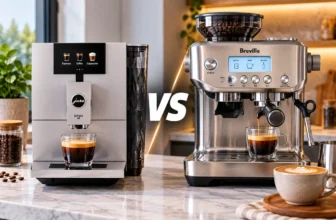
Our Jura ENA 8 vs Breville Barista Pro comparison examines the differences between automatic convenience and a more hands-on espresso workflow.
What Makes a Good Home Espresso Machine?
Several factors influence espresso quality. Understanding them will help you avoid paying for specifications that offer little practical benefit.
Temperature Stability
Brewing temperature affects how coffee compounds dissolve during extraction. Different beans and roast levels may respond better to slightly different temperatures.
A PID controller helps regulate temperature more precisely than a basic thermostat. However, the overall heating system, group design, and preparation routine also influence consistency.
Profitec GO and Rancilio Silvia Pro X provide adjustable PID controls, while Fellow Series 1 offers broader digitally managed temperature and pressure settings.
Extraction Pressure
Many espresso machines advertise 15-bar pumps, but that figure describes pump capability rather than the ideal pressure applied throughout extraction.
Traditional espresso commonly uses approximately nine bars at the coffee puck, although different recipes and pressure profiles can also produce excellent results.
What matters is how the machine controls water flow and pressure through the prepared coffee.
Do not choose a machine simply because its advertised pump-pressure number is higher.
Preinfusion and Pressure Profiling
Preinfusion introduces water to the coffee puck before full extraction pressure is applied.
This can help wet the grounds more evenly and may reduce uneven extraction under suitable conditions.
Pressure profiling goes further by changing pressure during the shot.
Fellow Series 1 provides programmable profiles, while Flair 58 Plus 2 allows direct manual control.
Portafilter and Basket Design
Portafilter size affects accessory compatibility and workflow. Traditional machines commonly use 58mm systems, while several Breville models use 54mm portafilters.
Neither size automatically guarantees better espresso.
Basket design, dose, grind quality, and preparation technique are more important than treating diameter alone as a performance ranking.
Single Boiler vs Dual Boiler: Which Do You Need?
A single-boiler machine can produce excellent espresso, but it must use different temperatures for brewing and steaming.
When making a cappuccino, you may need to brew first, heat the boiler for steam, texture the milk, and then return the machine to brewing temperature.
For one or two drinks, this workflow can be manageable.
A dual-boiler machine removes much of that waiting by maintaining separate brewing and steaming systems.
That is why Rancilio Silvia Pro X makes sense for households that prepare several milk drinks regularly.
However, dual boilers add cost, weight, and complexity. If you mostly drink straight espresso, a capable single-boiler machine may be the better investment.
Buying rule: Choose a single boiler when espresso is your main priority and occasional milk steaming is sufficient. Consider a dual boiler when preparing several milk drinks is part of your daily routine.
Built-In Grinder vs Separate Espresso Grinder
A grinder is one of the most important components of a home espresso setup.
Espresso requires sufficiently fine and consistent grinding because small changes in particle size can substantially affect water flow and extraction time.
Advantages of an Integrated Grinder
Machines such as Breville Barista Express combine grinding and brewing in one body.
This reduces the number of separate appliances on the counter and simplifies initial shopping.
However, integrated grinders may offer less adjustment flexibility or upgradeability than dedicated machines.
Advantages of a Separate Grinder
A dedicated espresso grinder can provide finer adjustment, different dosing workflows, and easier replacement when your preferences change.
Separate equipment also allows you to upgrade the grinder without replacing the espresso machine.
This is particularly relevant for buyers considering Fellow Series 1, Profitec GO, Gaggia Classic Pro E24, or Rancilio Silvia Pro X.
Our best home espresso grinders guide
If your budget is limited, choosing a capable affordable espresso machine and a reliable grinder may be more useful than spending nearly everything on the machine itself.
How Much Should You Spend on a Home Espresso Setup?
There is no universal budget because the correct equipment depends on your expectations and existing accessories.
Entry-Level Home Espresso
Breville Bambino is a practical starting point when machine cost and compact size matter.
However, budget for a capable grinder, a suitable scale, and basic cleaning supplies. These additional purchases affect the real cost of the setup.
Midrange Home-Barista Equipment
Breville Barista Express, Gaggia Classic Pro E24, and Profitec GO offer different ways to develop espresso skills.
The Barista Express prioritizes integration, Gaggia emphasizes traditional construction, and Profitec adds adjustable PID temperature control.
The best value depends on the features you will use regularly.
Premium Home Espresso
Fellow Series 1 and Rancilio Silvia Pro X offer more sophisticated brewing or steaming capabilities.
The Fellow emphasizes programmable extraction and guided preparation, while the Rancilio prioritizes independent brewing and steam systems.
These machines justify their higher prices only when their advantages solve specific needs.
Manual Espresso Equipment
Flair 58 Plus 2 offers advanced pressure control at a different equipment price level.
However, remember to include a suitable grinder, kettle, scale, and separate milk equipment if needed.
A manual machine can reduce some equipment complexity while increasing the work required for each drink.
Espresso Machine Cleaning and Maintenance
Regular maintenance is necessary for consistent brewing and long-term ownership.
- Clean the portafilter and basket. Remove used coffee and rinse the brewing components after preparing espresso.
- Flush and clean the group as instructed. Some machines support backflushing, while others use different cleaning procedures. Follow the instructions for the exact model.
- Wipe the steam wand after use. Remove milk residue promptly and purge the wand according to the manufacturer's procedure.
- Maintain the grinder. Clean accessible burrs and grind pathways using approved methods, and avoid exposing electrical parts to water.
- Use suitable water. Excessive mineral content can contribute to scale buildup, while unsuitable water can also affect taste and equipment maintenance.
- Follow model-specific descaling instructions. Descaling removes mineral deposits, while cleaning removes coffee oils and other residue. These are not interchangeable procedures.
Maintenance requirements vary considerably. A manual Flair system does not use the same cleaning process as a traditional boiler machine or an integrated Breville setup.
For detailed guidance on one major product family, read our guide to cleaning a Breville espresso machine.
If the amount of preparation and maintenance described here seems excessive, a simpler brewer may better suit your daily routine. Our best coffee makers for busy mornings guide
Frequently Asked Questions
What is the best home espresso machine?
Fellow Espresso Series 1 is our best overall recommendation because it combines temperature control, programmable pressure profiles, guided brewing, and assisted milk steaming. However, Breville Bambino is better for compact value, Profitec GO suits traditional espresso enthusiasts, and Rancilio Silvia Pro X is particularly useful for frequent milk drinks.
Is a semi-automatic espresso machine better than a fully automatic one?
A semi-automatic machine offers more involvement in grinding, dosing, tamping, and extraction. Fully automatic machines prioritize convenience by handling more of these tasks internally. Neither approach is universally better. Choose according to how much control and preparation work you want.
Do you need a separate grinder for espresso?
A separate grinder is strongly recommended for machines without integrated grinding, especially when using conventional non-pressurized filter baskets. Espresso requires fine, consistent adjustments. An integrated machine such as Breville Barista Express already includes a grinder, but separate equipment provides more flexibility for future upgrades.
Is PID temperature control worth paying for?
PID control can improve temperature regulation and may allow users to select different brewing temperatures. It is especially useful for enthusiasts who experiment with different coffees. However, a machine without adjustable PID controls can still make excellent espresso when used with a consistent preparation routine.
What is the difference between single-boiler and dual-boiler espresso machines?
A single-boiler machine uses one boiler for brewing and steaming at different temperatures, usually requiring a transition between tasks. A dual-boiler machine uses separate boilers so brewing and steam production can operate independently. Dual boilers are particularly valuable when preparing several milk drinks.
How much should you spend on a home espresso setup?
Start by considering the total equipment cost, including the machine, grinder, scale, accessories, and maintenance supplies. Affordable machines such as Breville Bambino can be excellent starting points, while premium models add temperature control, pressure profiling, or independent steaming systems. Spend more only when those capabilities improve your intended workflow.
Can a home espresso machine make café-quality coffee?
Yes, capable home espresso machines can produce excellent coffee when paired with fresh beans, consistent grinding, appropriate extraction settings, and good preparation technique. However, machine price alone does not guarantee results. The grinder, coffee, water, recipe, and barista's skill all contribute to the final cup.
Final Verdict: Which Home Espresso Machine Should You Buy?
The Fellow Espresso Series 1 is our best overall home espresso machine because it combines advanced temperature and pressure control with guided brewing and assisted milk preparation. It offers a flexible platform for both developing skills and experimenting with different extraction profiles.
For buyers who prefer an integrated grinder, Breville Barista Express provides a convenient, hands-on solution. The Breville Bambino is the strongest compact value option when paired with a suitable separate grinder.
The Gaggia Classic Pro E24 appeals to enthusiasts who enjoy traditional mechanical controls, while Profitec GO adds adjustable PID temperature and brewing-pressure management.
For households preparing several cappuccinos or lattes, Rancilio Silvia Pro X offers a meaningful advantage through its independent brew and steam boilers.
Finally, Flair 58 Plus 2 is the most distinctive choice for enthusiasts who want direct manual pressure control and are comfortable with additional preparation.
Best Overall: Fellow Espresso Series 1
Best All-in-One: Breville Barista Express BES870XL
Best Compact Value: Breville Bambino BES450
Best Traditional Entry Machine: Gaggia Classic Pro E24
Best Temperature-Controlled Upgrade: Profitec GO
Best for Milk Drinks: Rancilio Silvia Pro X
Best Manual Lever: Flair 58 Plus 2
The best espresso setup is one that matches your brewing habits, available space, and willingness to learn. Prioritize a reliable grinder and consistent preparation before paying for advanced features. A thoughtfully chosen setup can deliver excellent espresso without requiring the most expensive machine on the market.
Sources
- WIRED — Best Espresso Machines and Fellow Series 1 Independent Review
- Forbes Vetted — Best Espresso Machines, Independently Tested
- Gaggia North America — Gaggia Classic Pro E24 Official Specifications
- Rancilio — Silvia Pro X Dual Boiler Espresso Machine Official Specifications
- Coffee Chronicler — Flair 58 Plus 2 Long-Term Review
Product Groups: Fellow Espresso Series 1, Breville Barista Express BES870XL, Breville Bambino BES450, Gaggia Classic Pro E24, Profitec GO Espresso Machine, Rancilio Silvia Pro X, Flair 58 Plus 2